Our last guided tour with Pilar was a walk around the Historic Centre of Cusco.
In the 13th century, Cusco became the capital city of the Inca Empire. When the Spanish arrived in 1533, they plundered and destroyed the Inca palaces and temples and constructed their own buildings on top of the stone walls. Today, Cusco is the third largest city in Peru (after Lima and Arequipa), and the Historic Centre of Cusco is a UNESCO World Heritage Site.
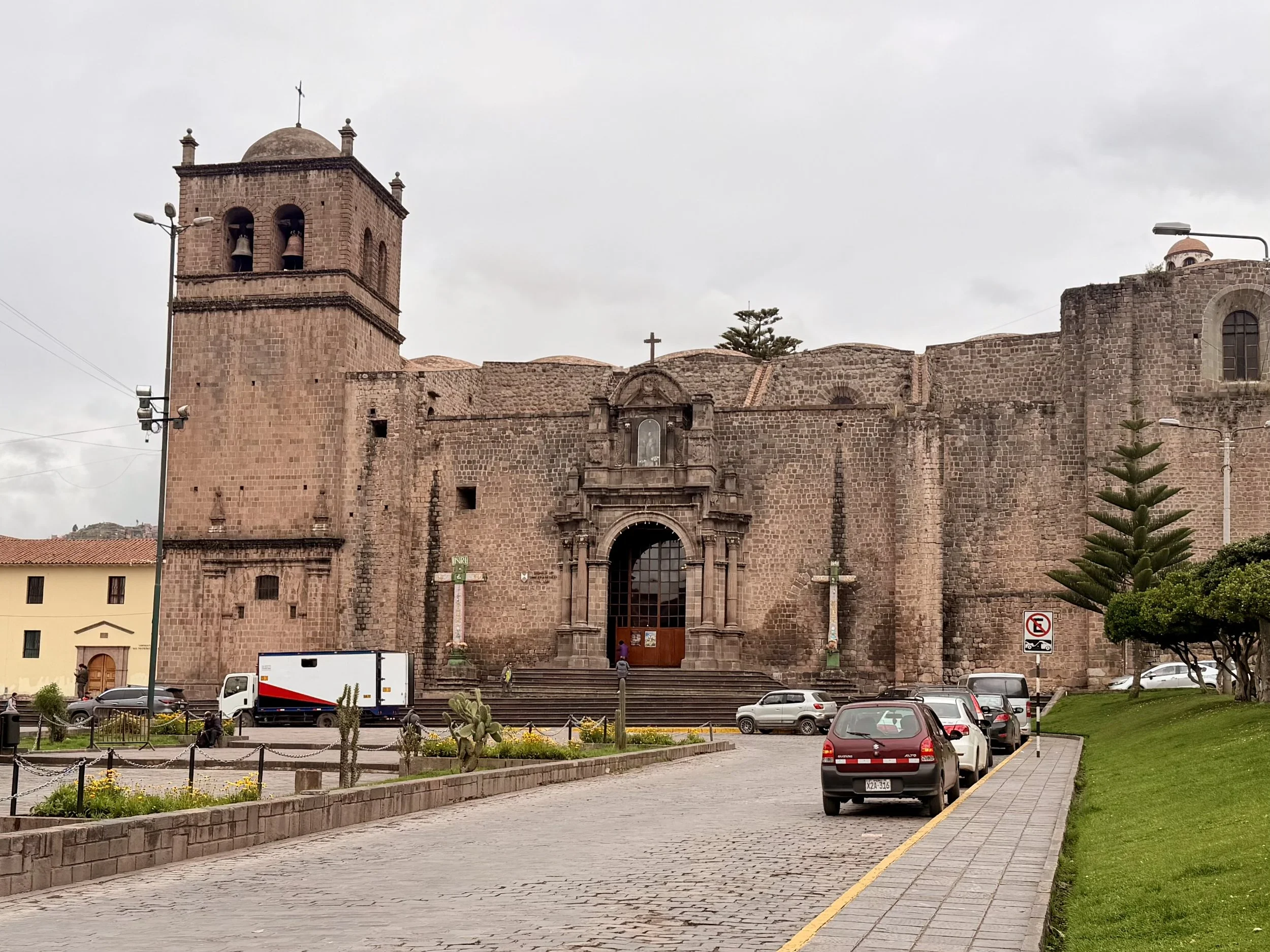
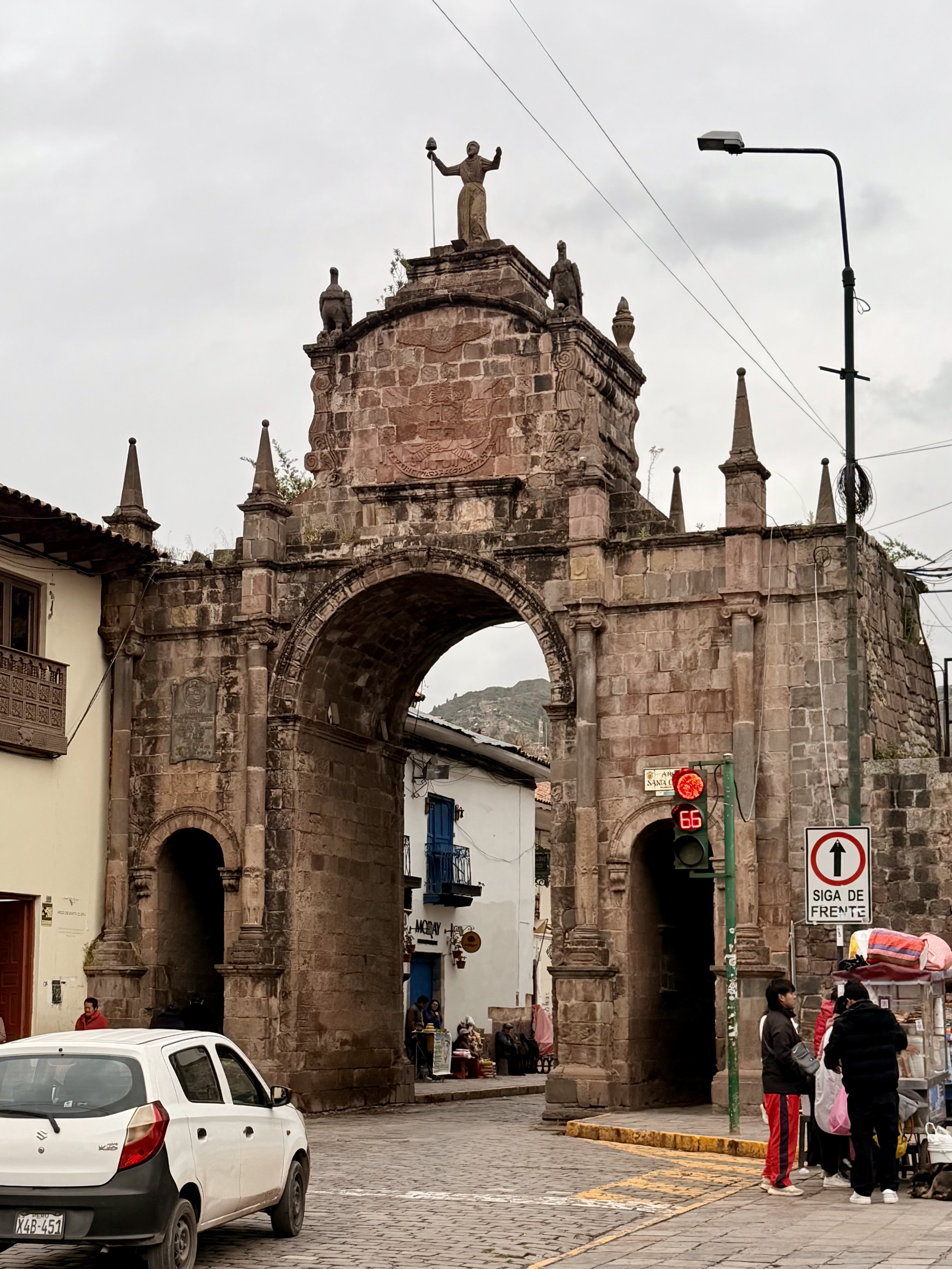
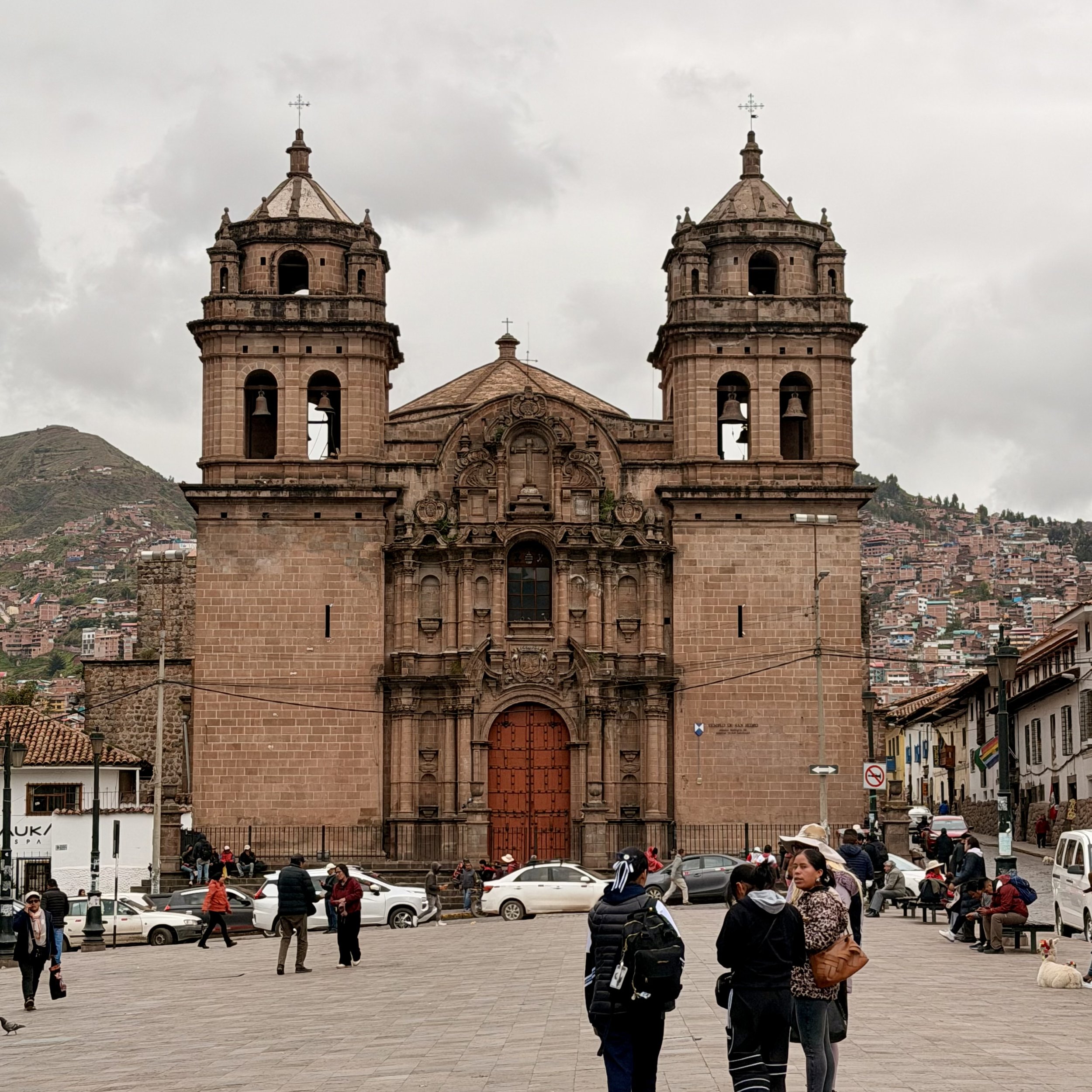
We walked through the Plaza de San Francisco, a pretty square that was formerly part of the Plaza de Armas. Band students from the National School of the Sciences and Arts ran energetically with their musical instruments to rehearse in the square. The Church of San Francisco had a simple facade but was imposing in its size. We walked through the distinctive Arco de Santa Clara and past the Renaissance-style Church of San Pedro to our first stop, the central market.
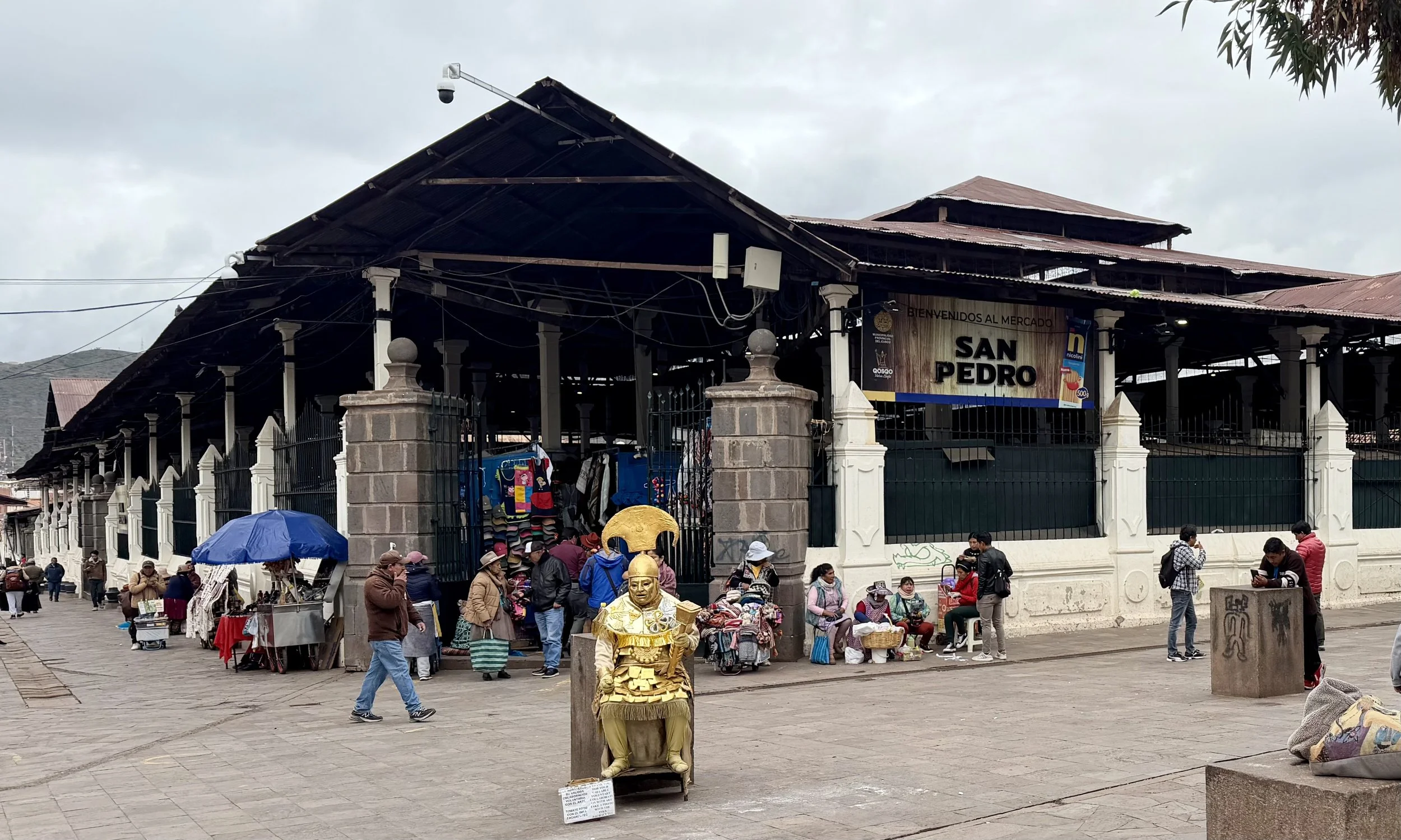
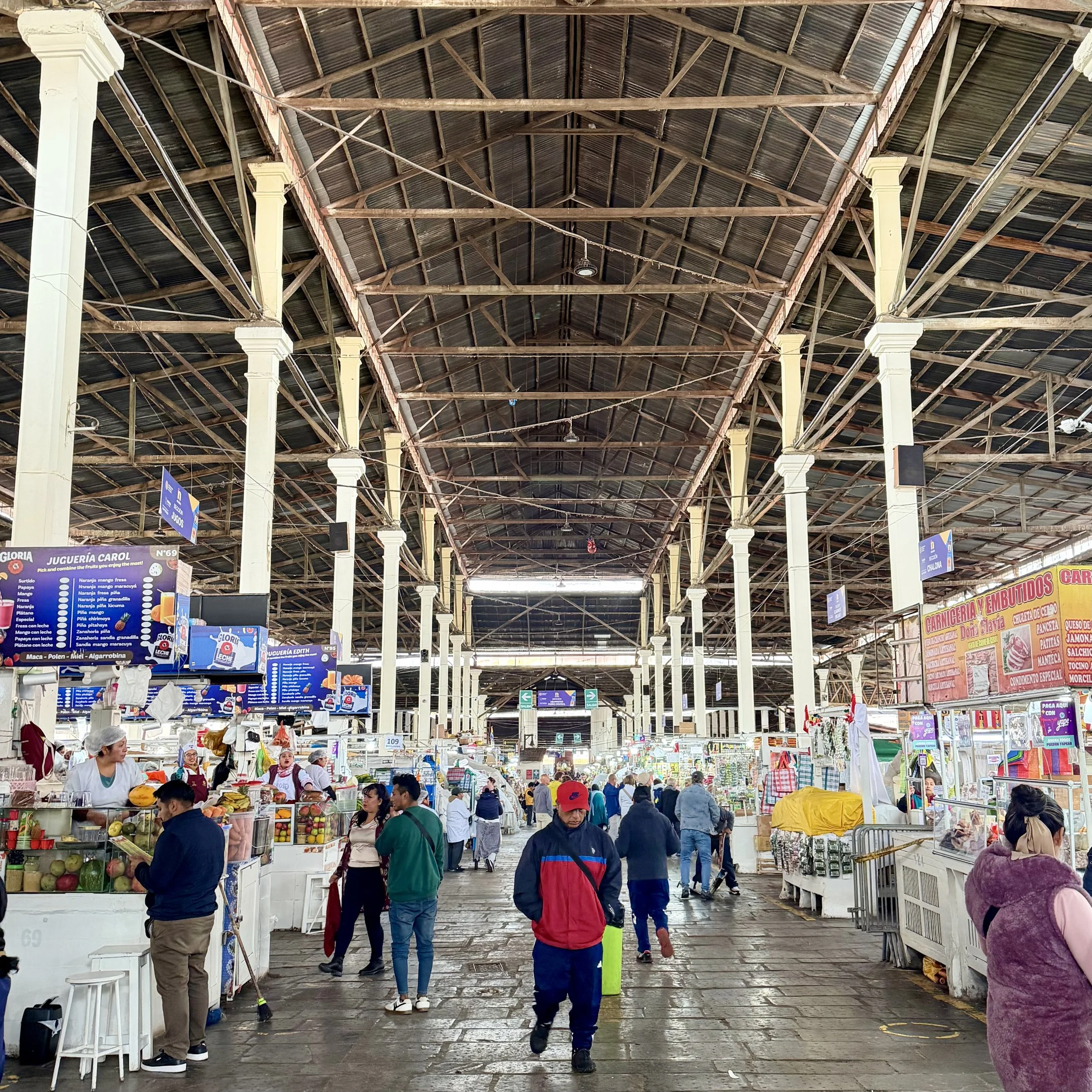
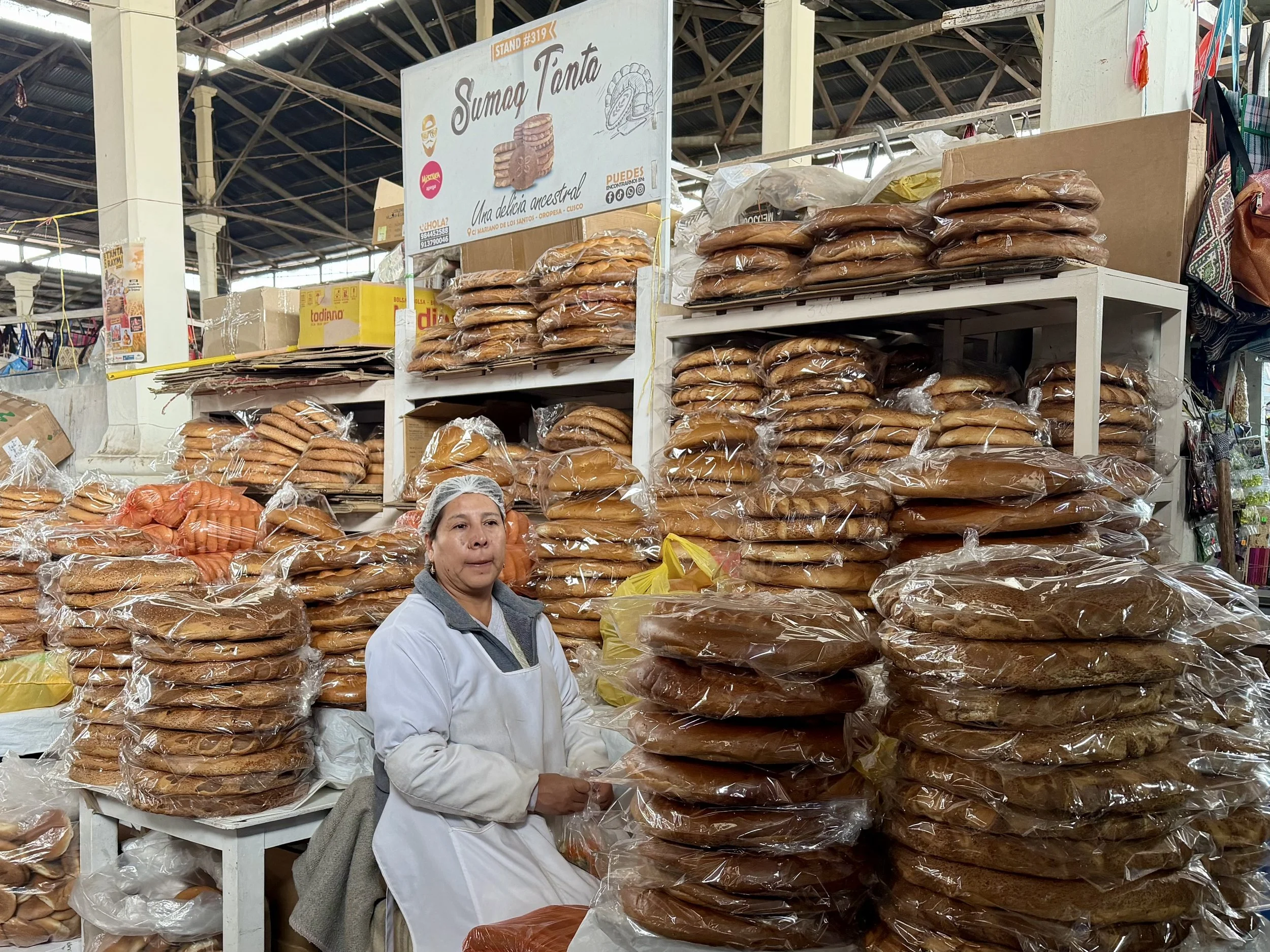
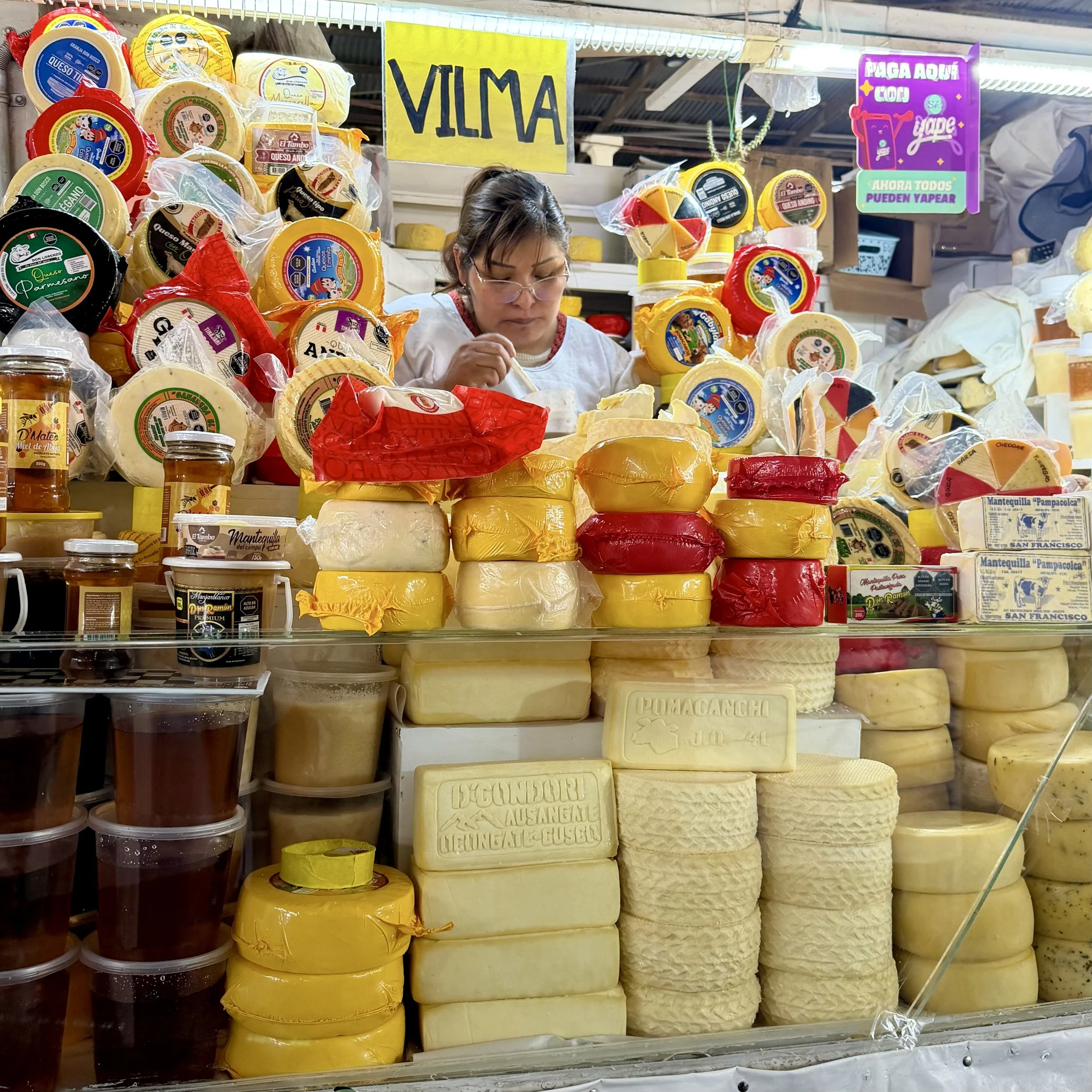
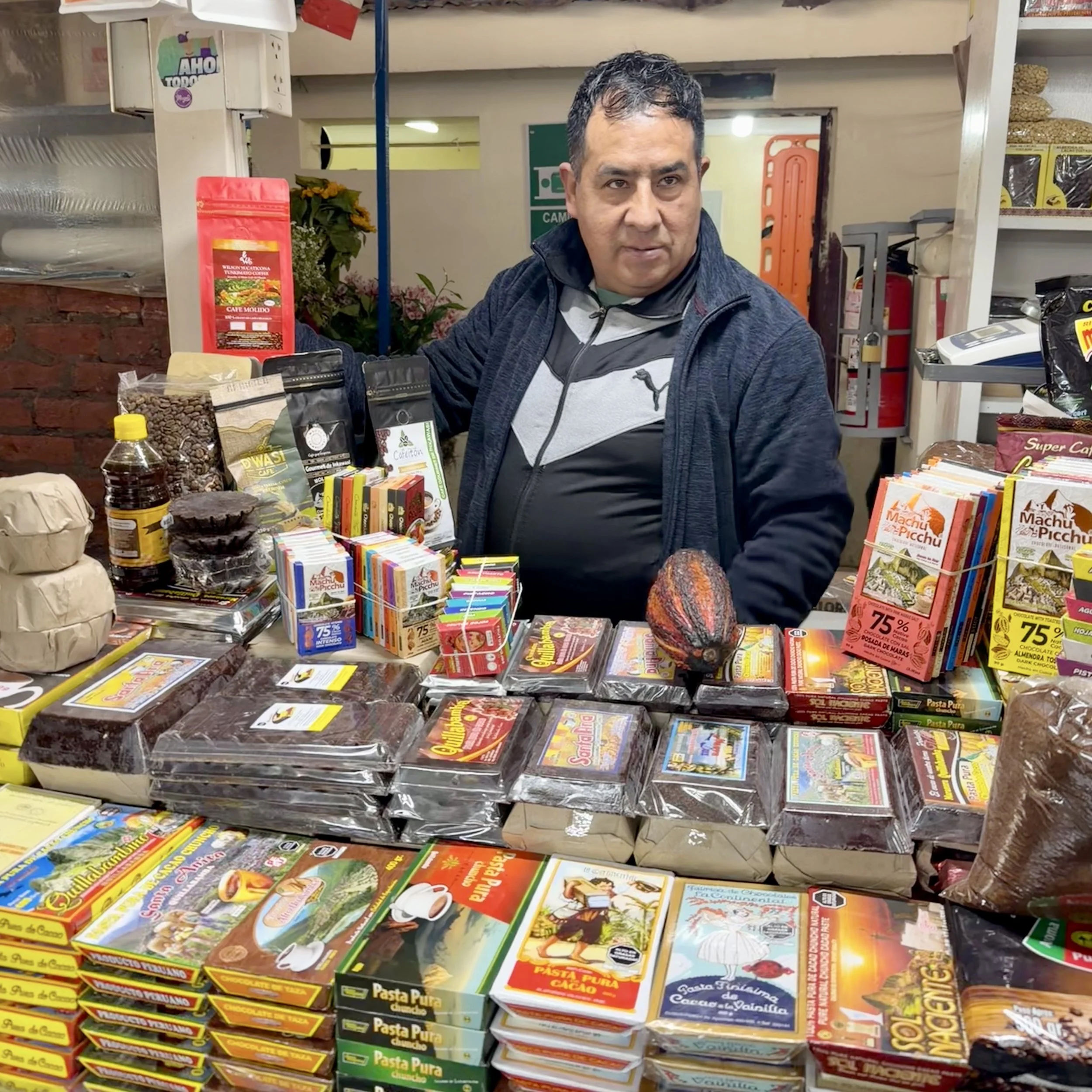
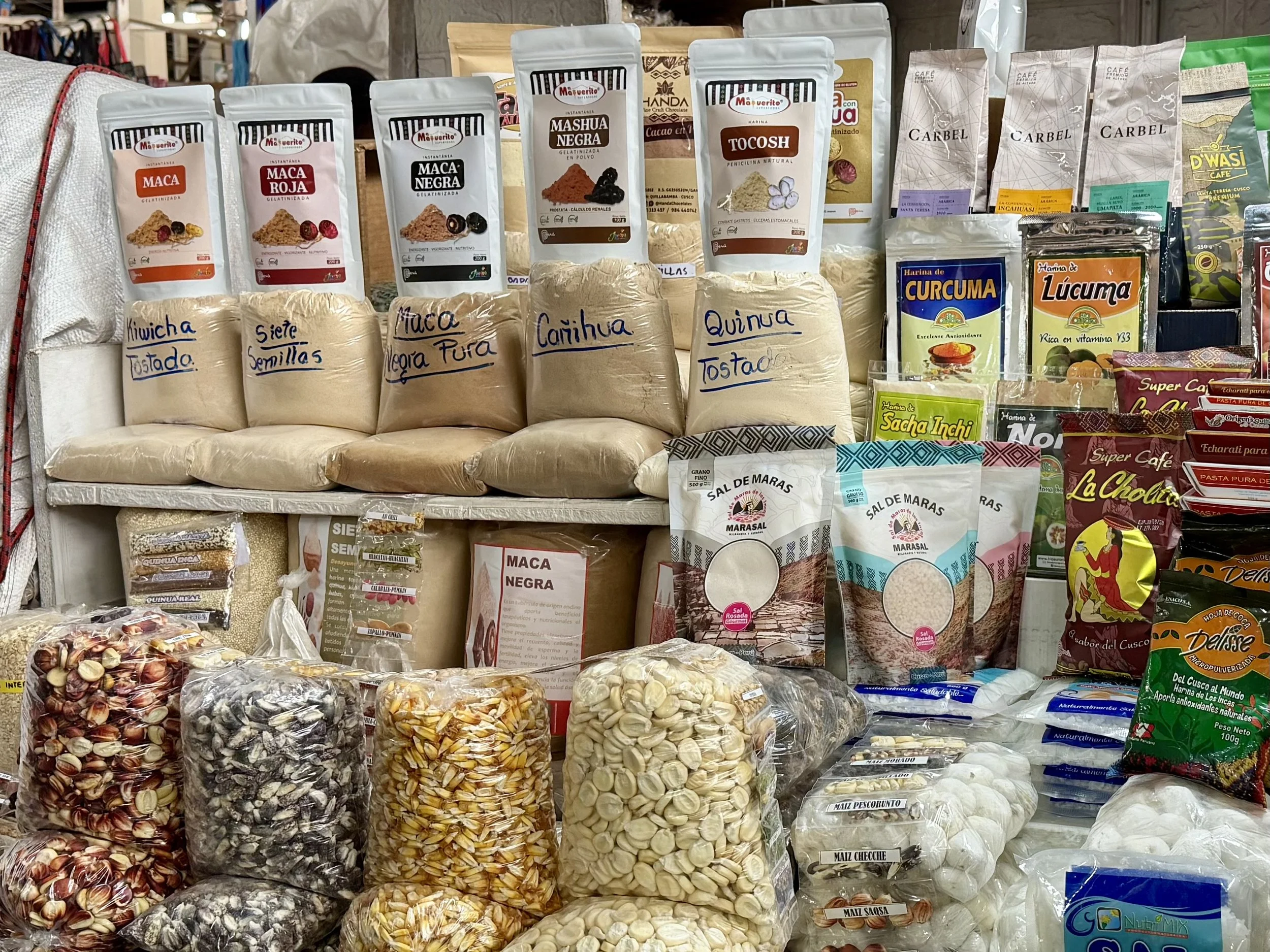
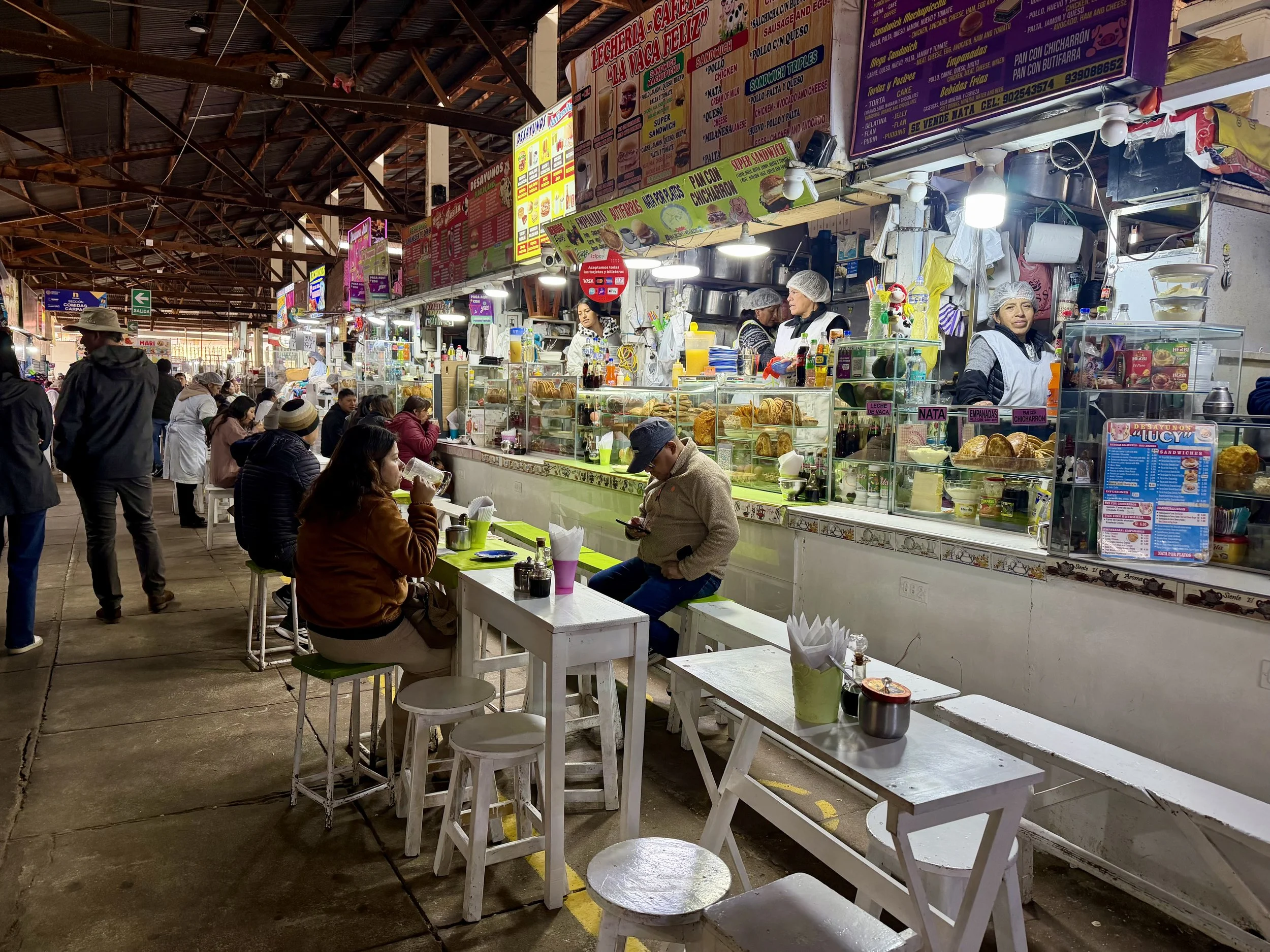
The Mercado Central de San Pedro, Cusco’s oldest market, was designed by Gustav Eiffel and built in 1925. Outside, it was an open air structure with rusted metal roofs. Inside, it was a bustling hub of activity, with hundreds of food and craft vendors offering items from the surrounding region. We loved this market! Highlights included:
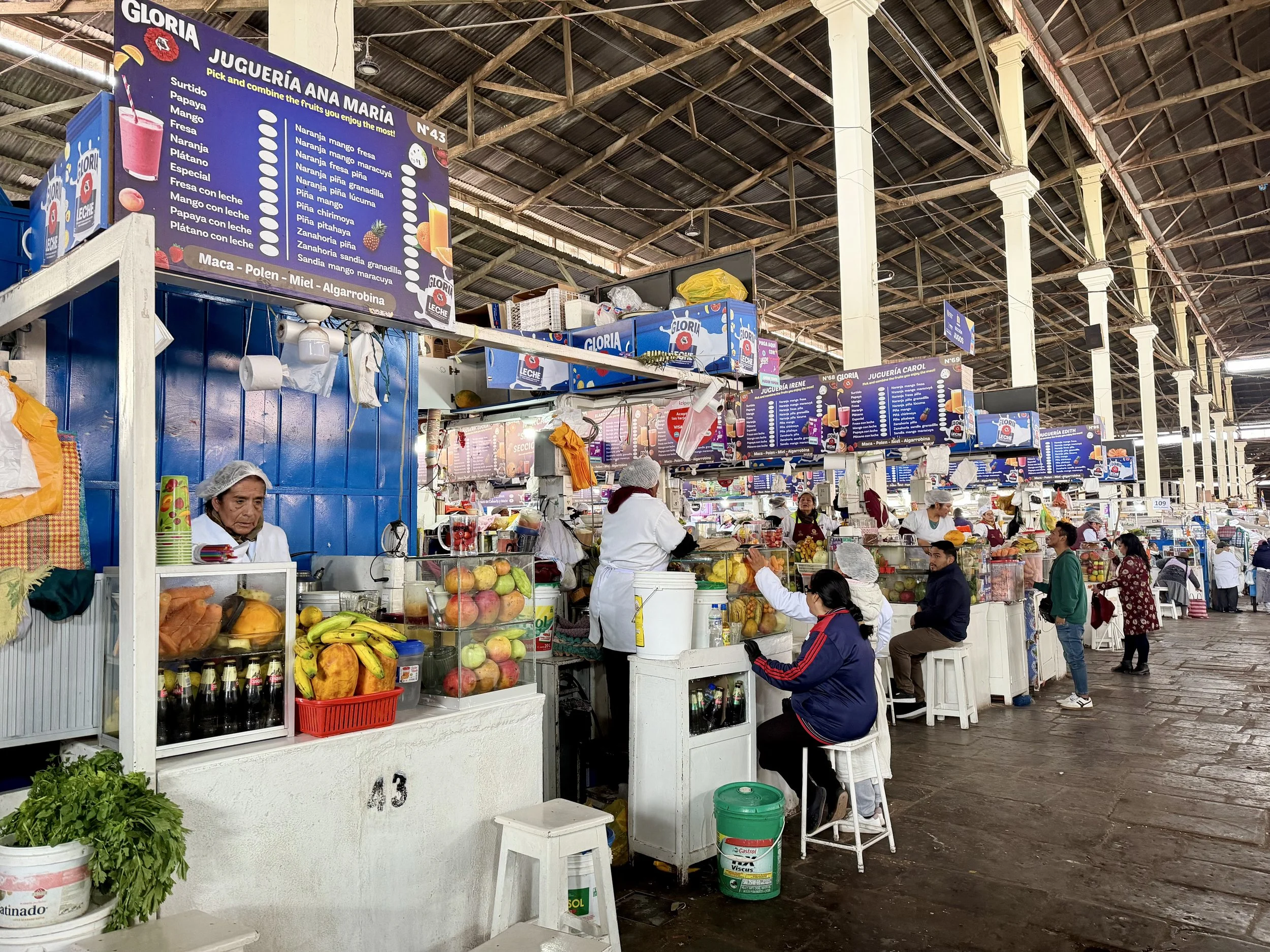
Five rows of stalls offering fresh fruit juices
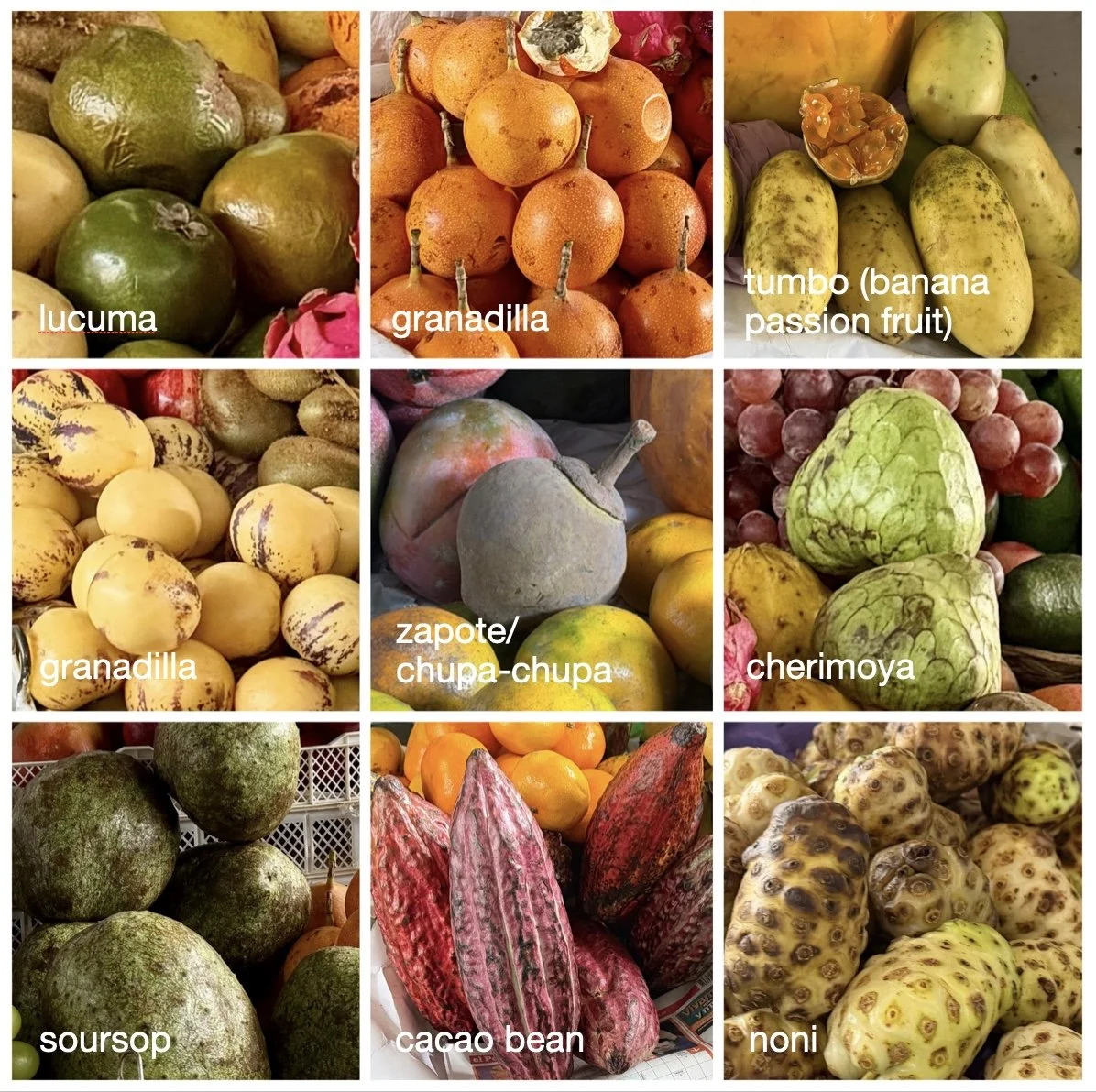
An abundance of tropical fruits, including many we had never seen before
Large, flat, round loaves of sweet, anise-flavored bread called pan chuta
Salt from Maras in a variety of colors and flavors
Different types of corn and quinoa
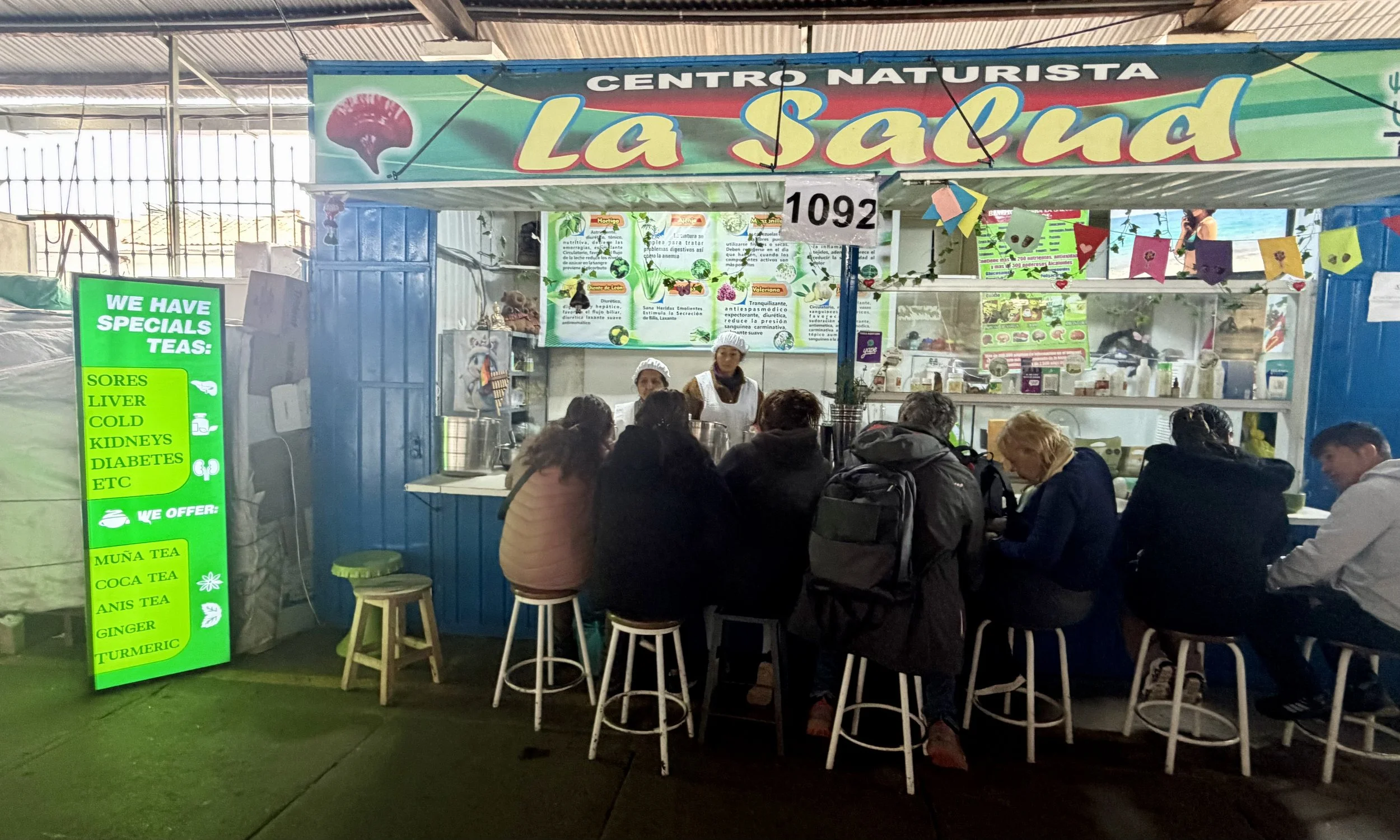
Cheap, tasty street food and medicinal teas to cure any ailment
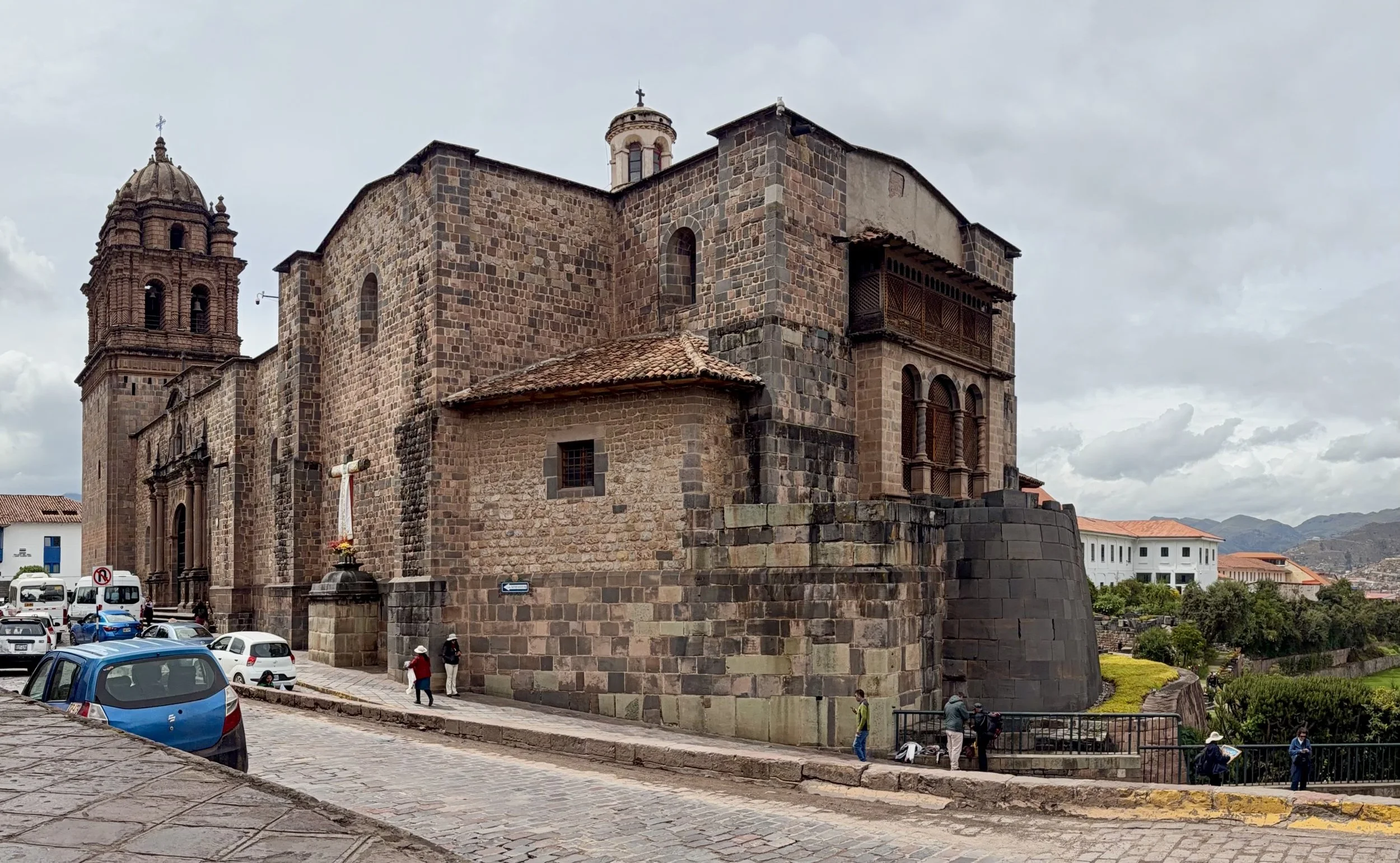
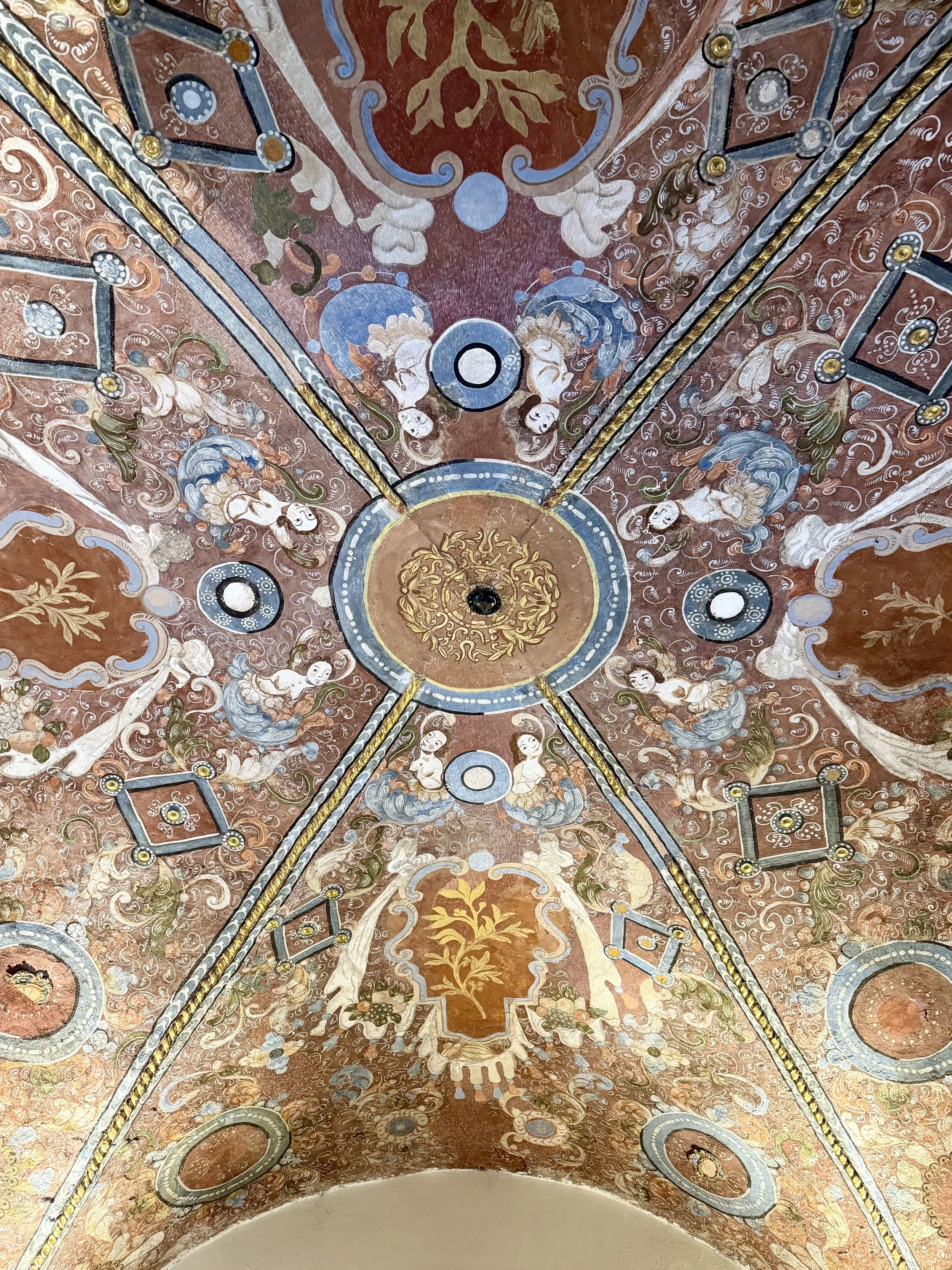
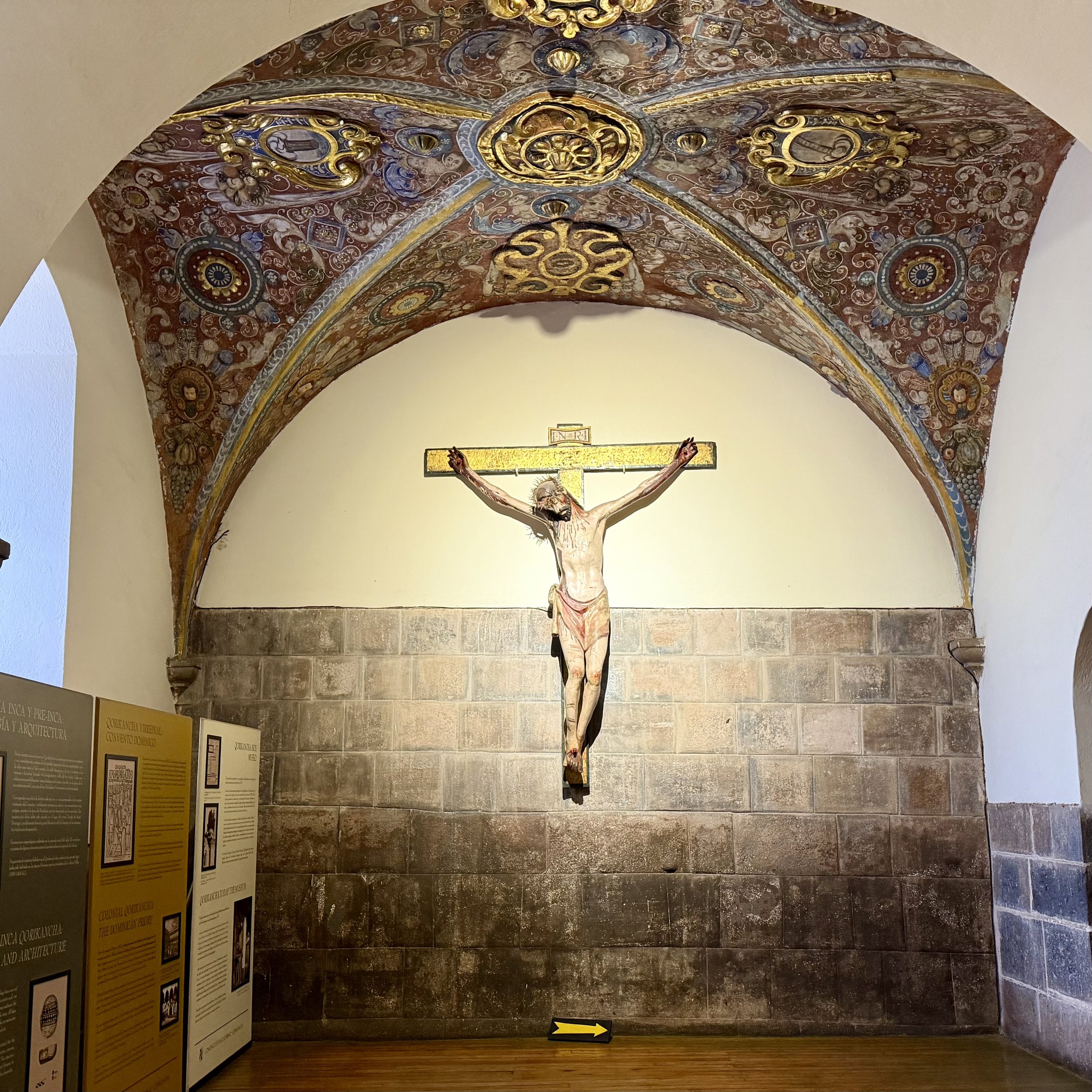
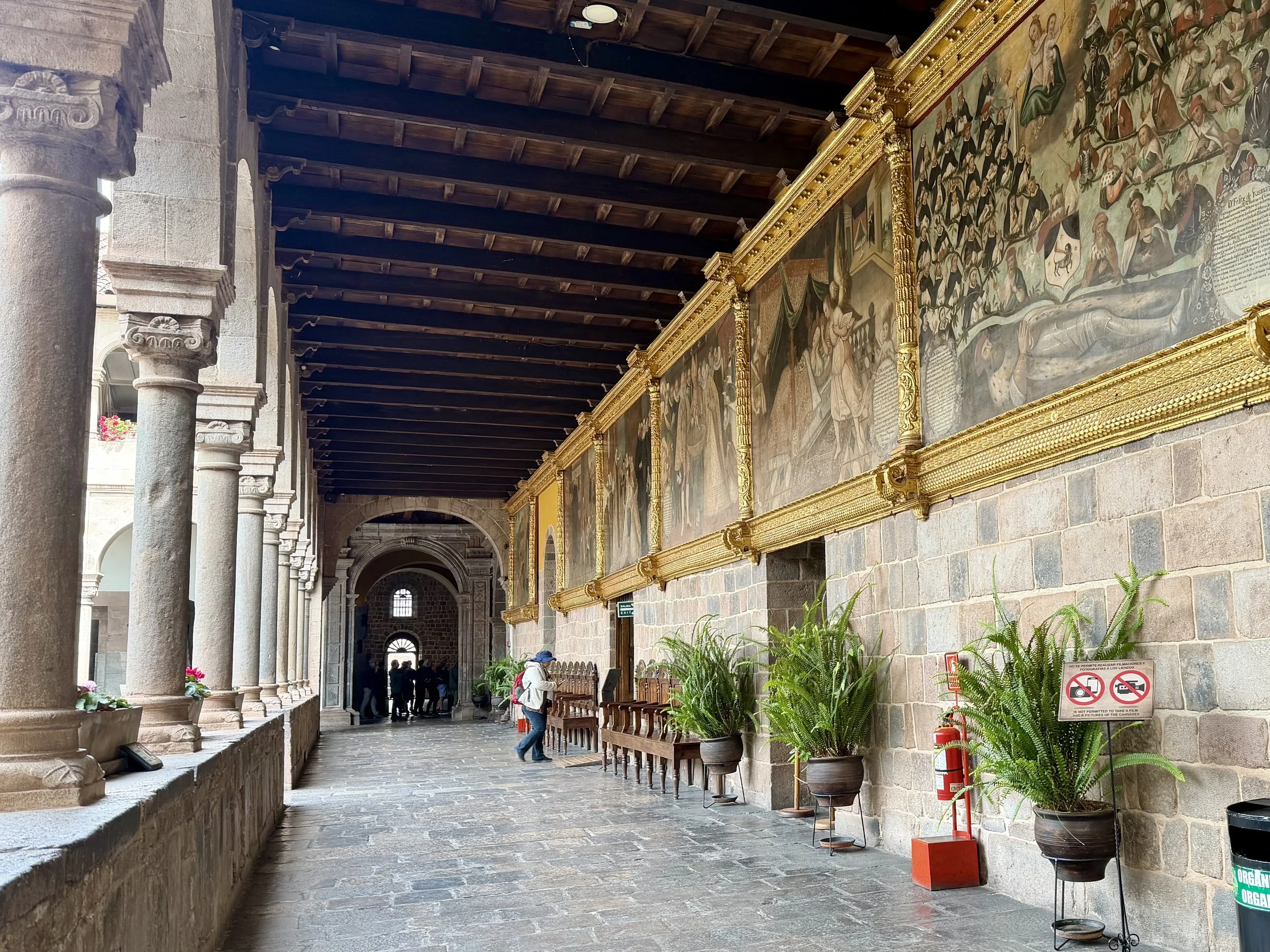
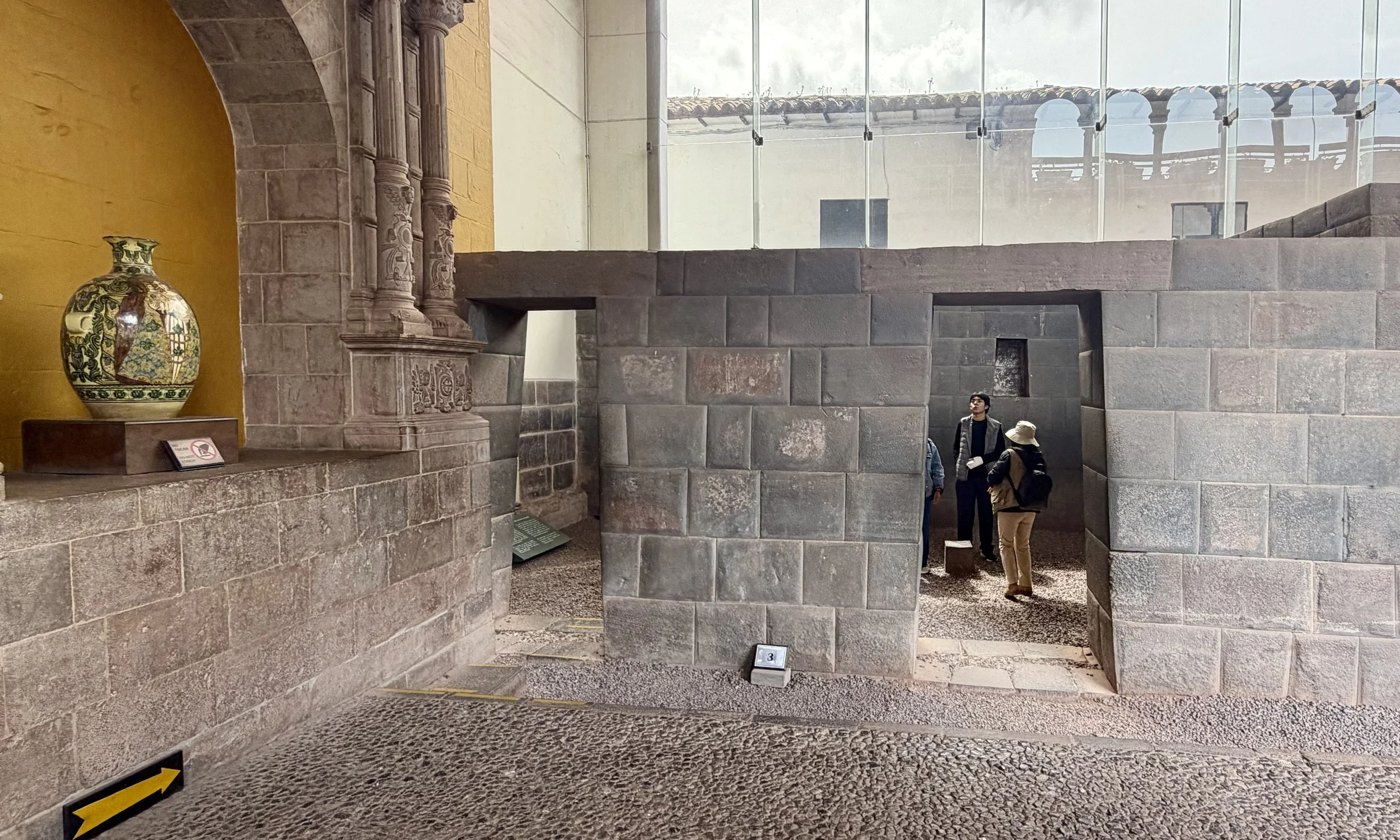
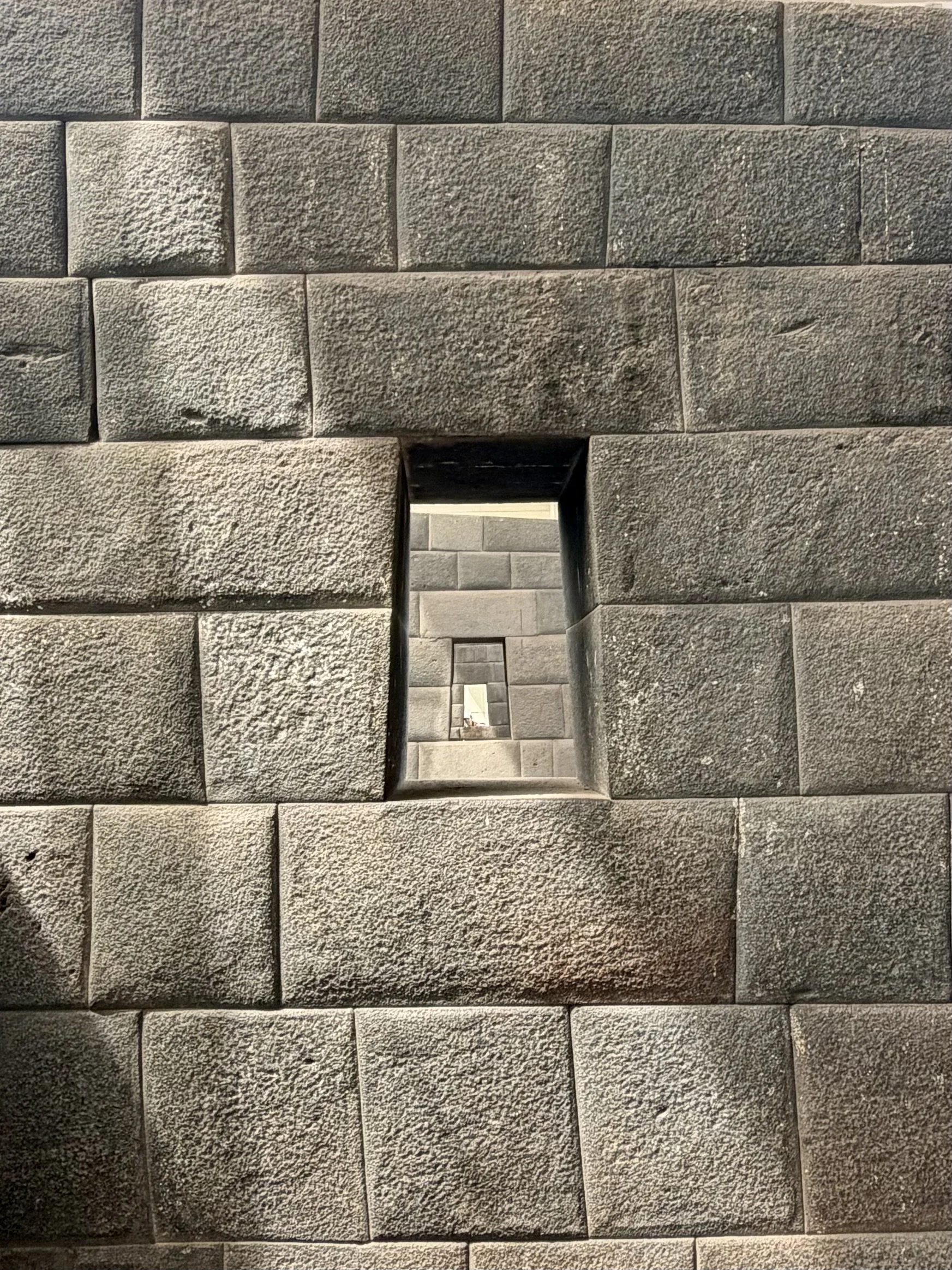
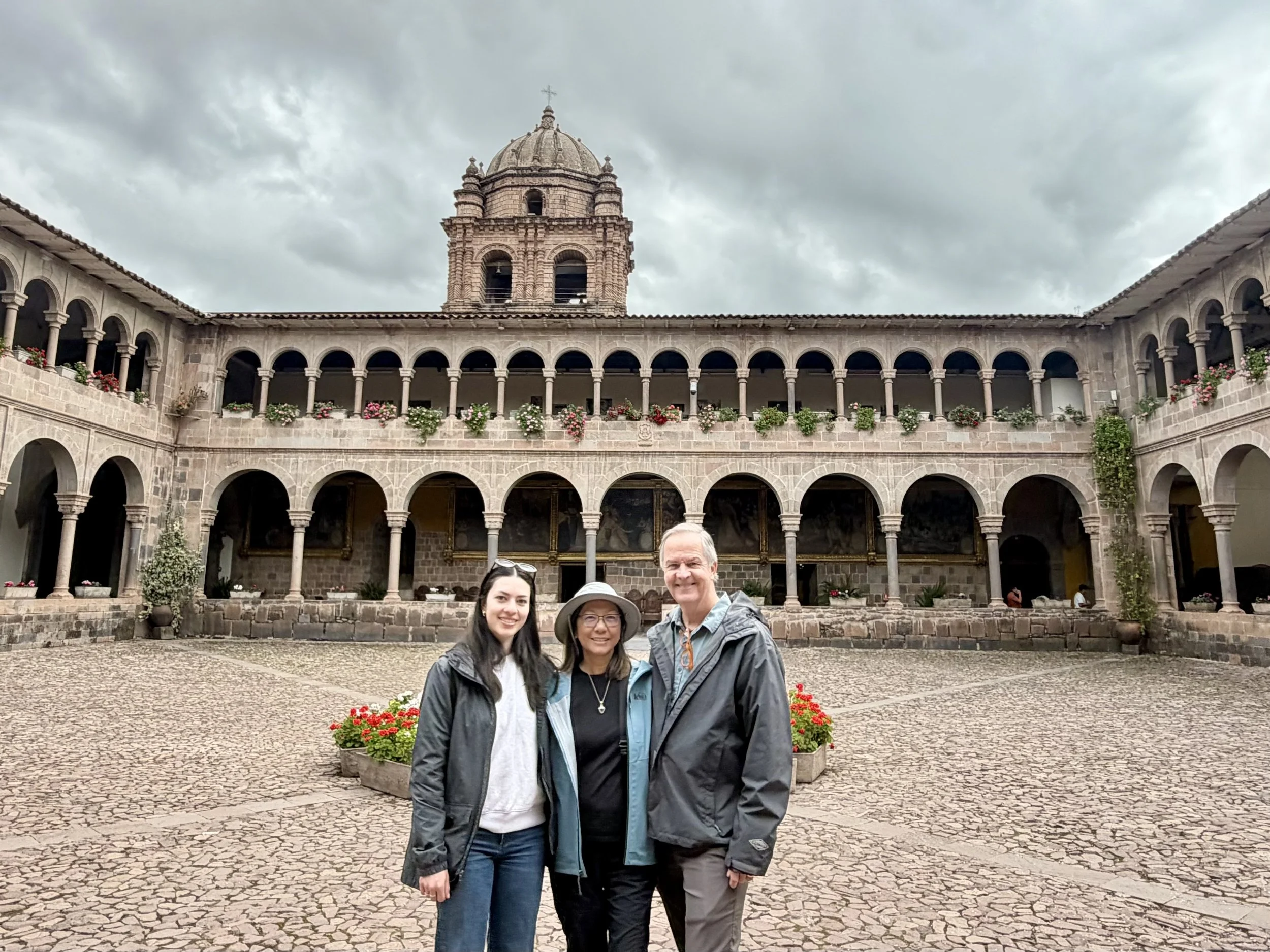
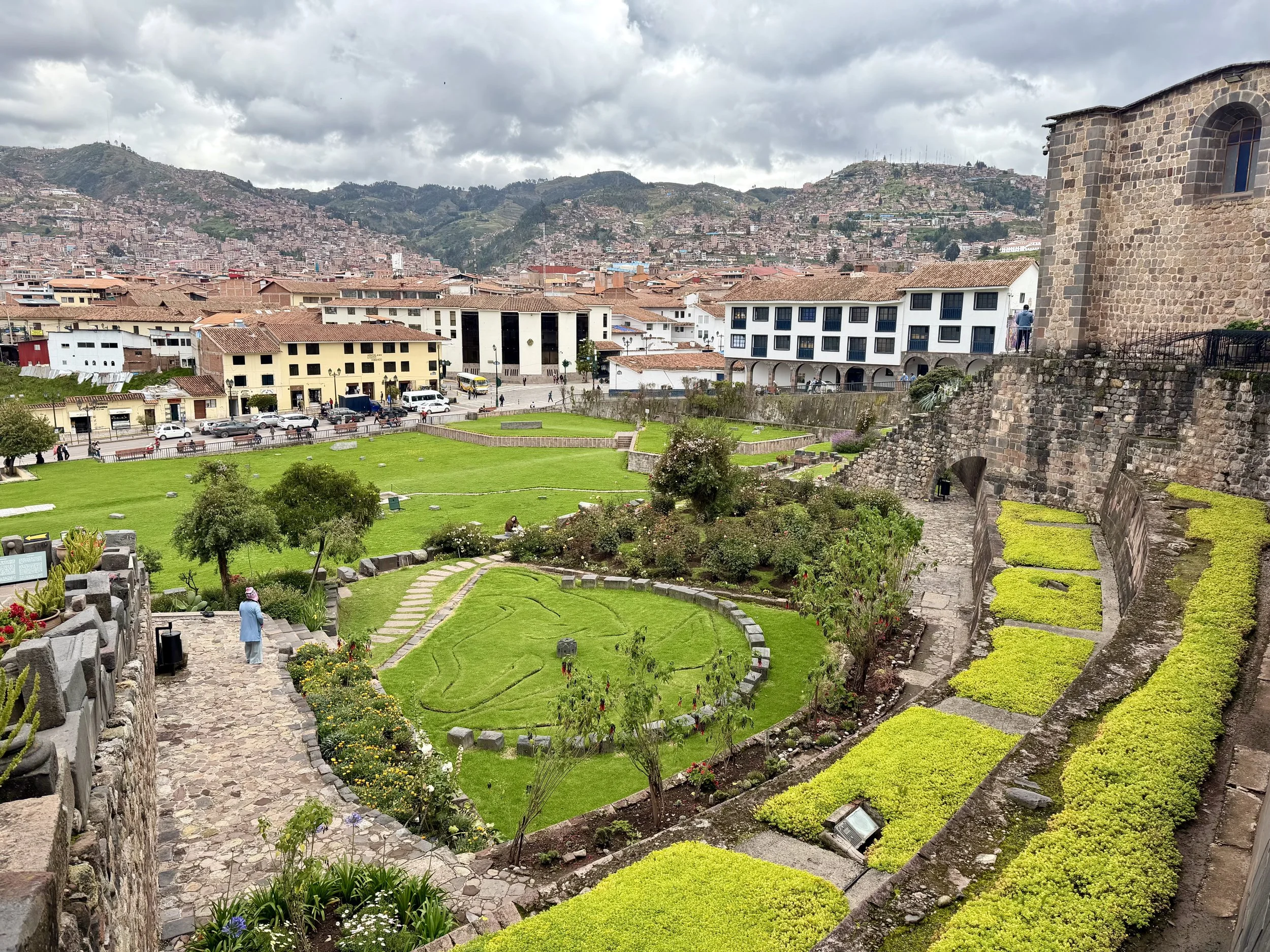
Our next stop was the Church and Convent of Santo Domingo. Over a period of about 100 years, the Spanish destroyed the Inca Qorikancha (Golden Temple) and built their monastery on top of the Inca stonework. The Inca temple was once covered with sheets of gold and filled with golden statues. All of this gold was seized by the Spaniards and melted down for transport back to Spain. Ironically, massive earthquakes in 1650 and 1950 severely damaged the Spanish construction but not the expertly crafted Inca walls.
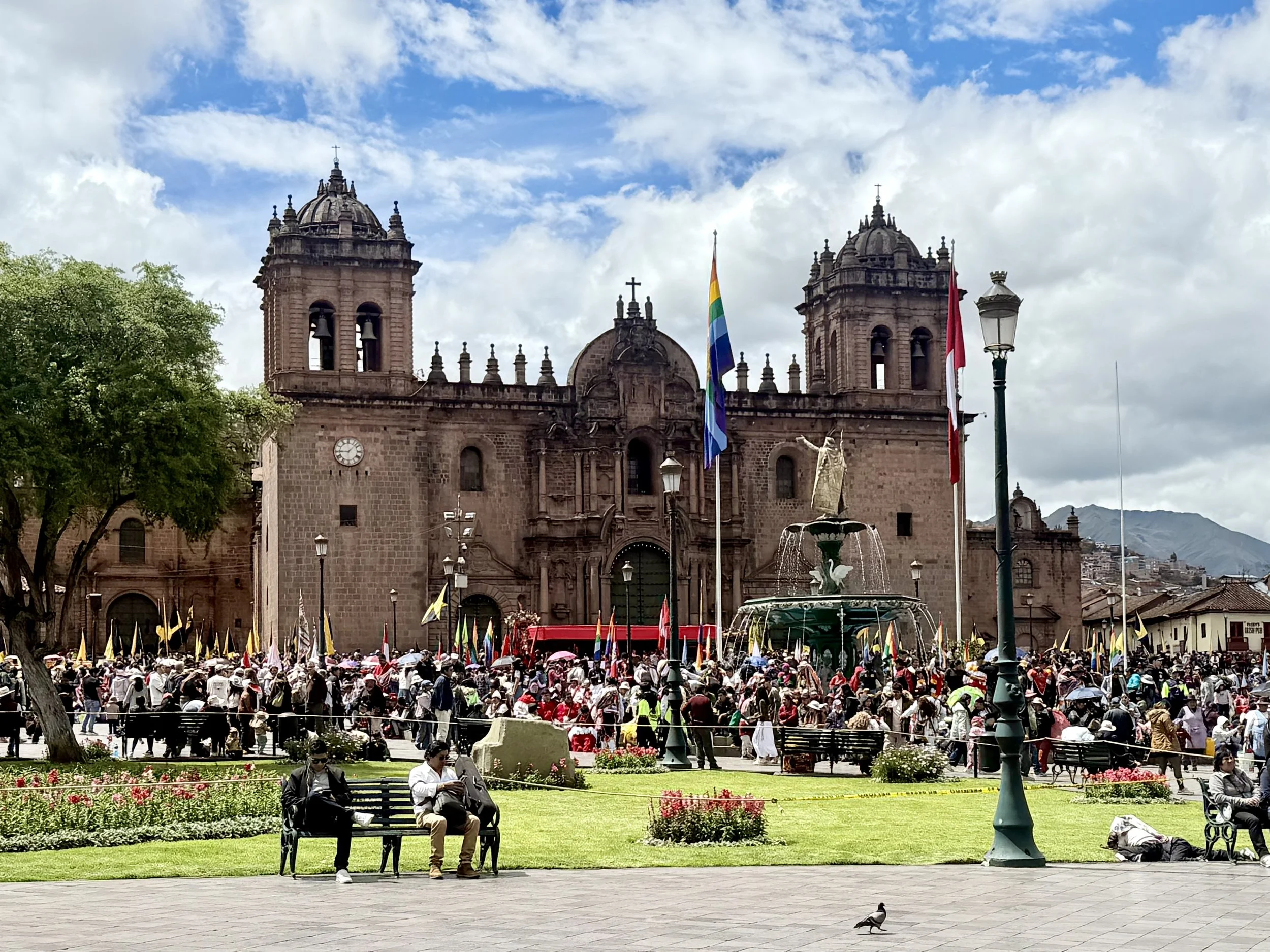
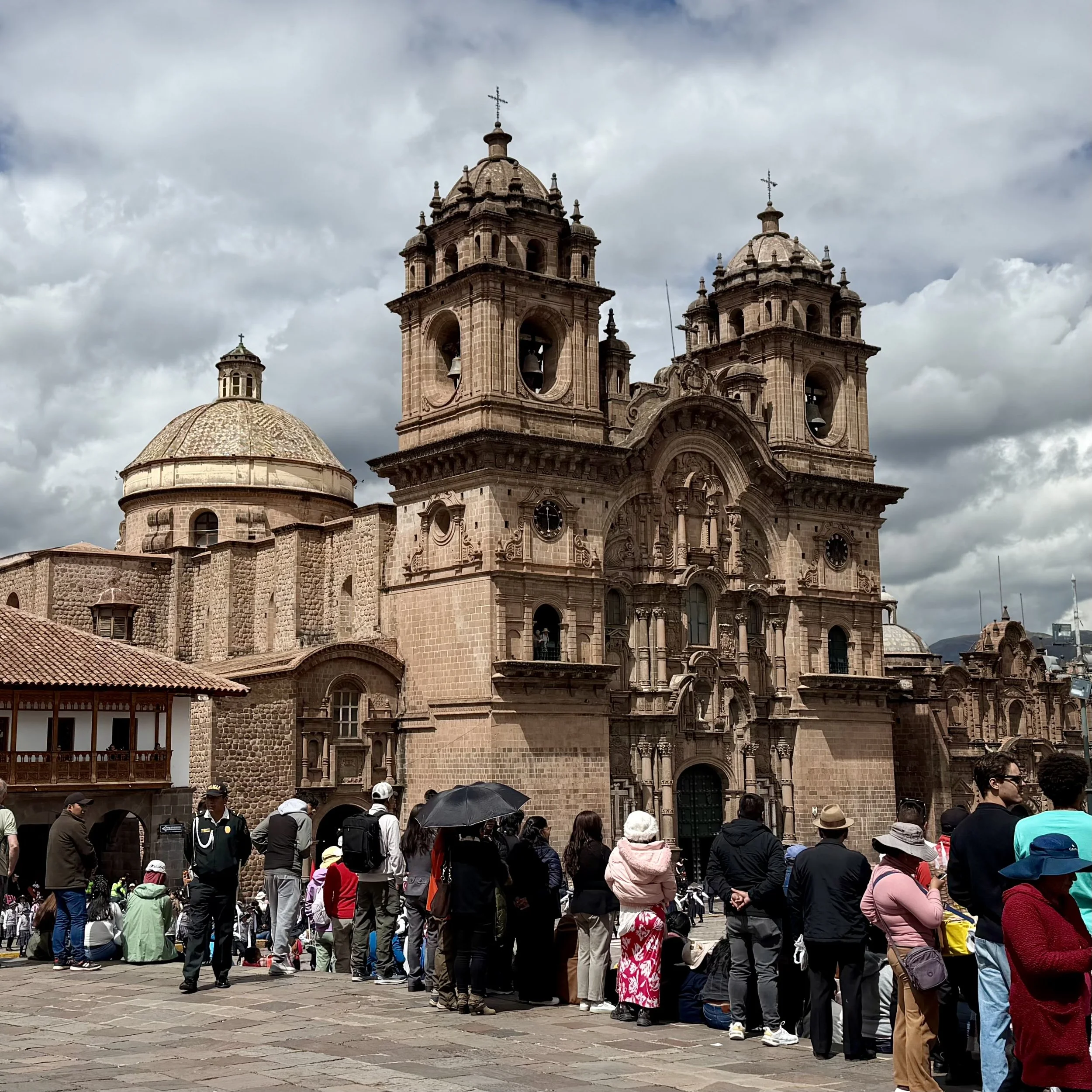
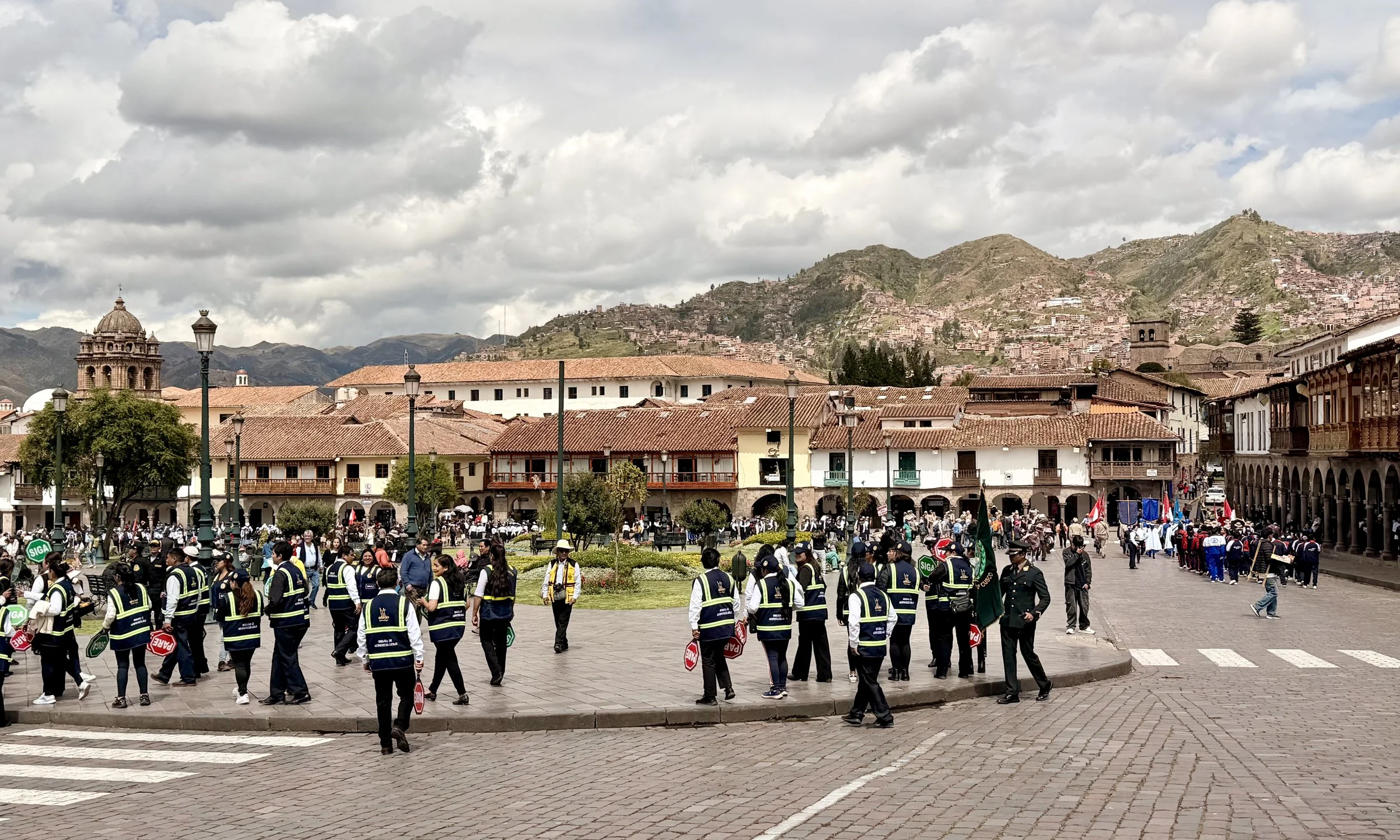
Our last stop was the Plaza de Armas, the main square of Cusco. This area was once the much larger main square of the Inca capital, surrounded by palaces that the Spaniards replaced with viceregal mansions and churches. Now, the monumental Cathedral Basilica of Cusco dominated the square, kitty-corner to the Church of the Jesuits. The other two sides of the square featured upscale restaurants and stores. In the distance were mountainsides covered with houses, reminding us that Cusco is an elevation of well over 11,000 feet.
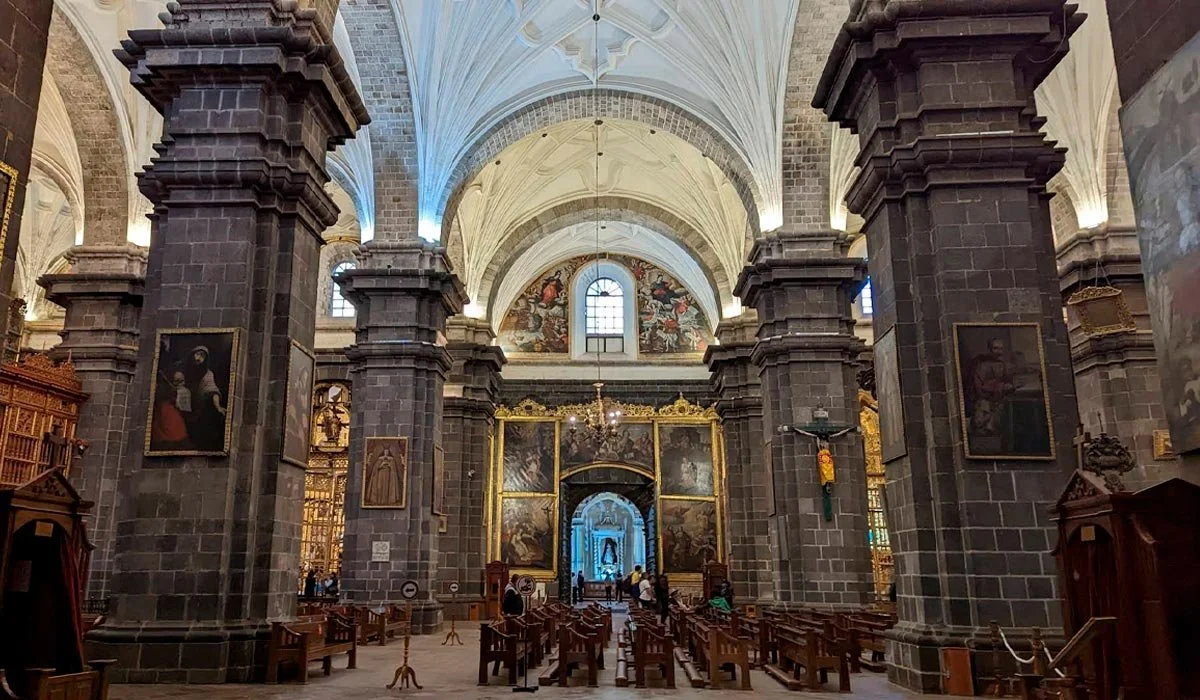
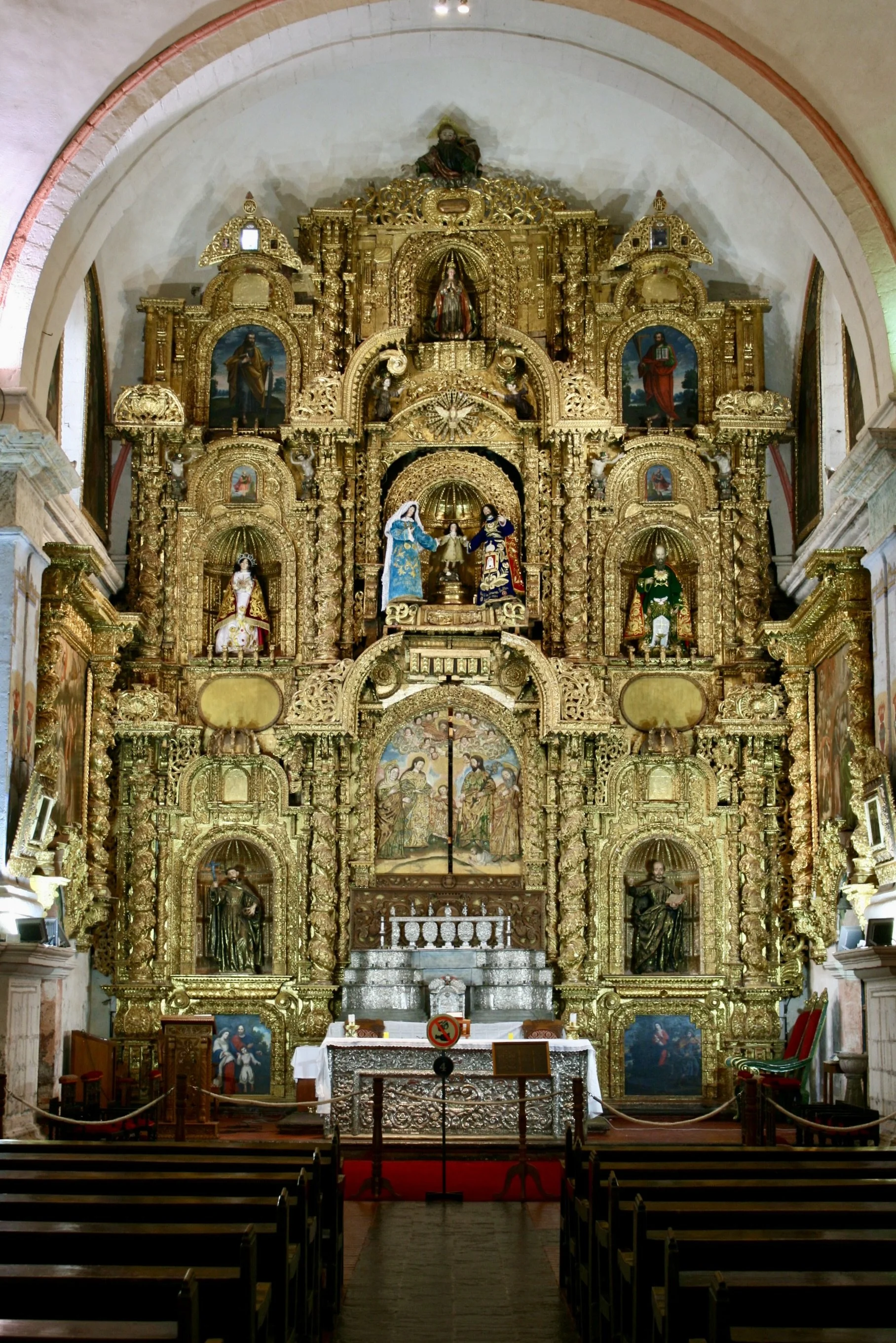
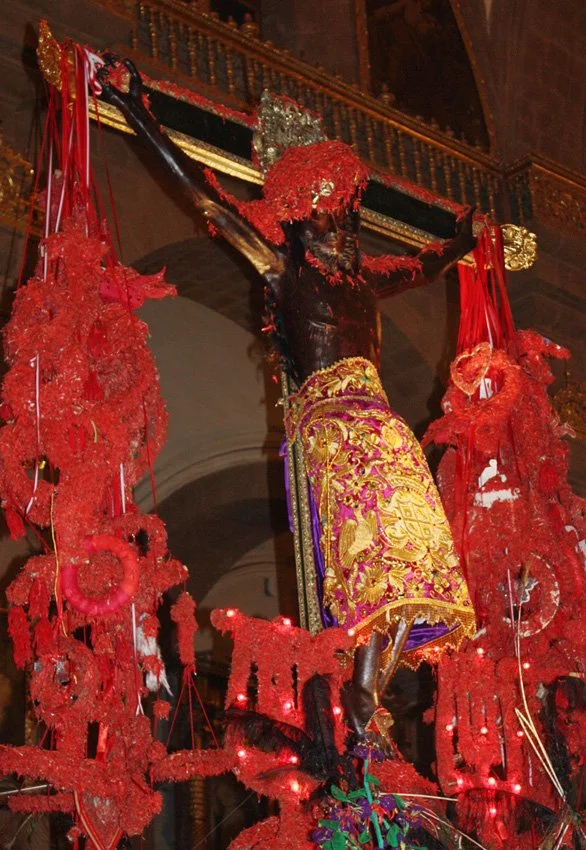
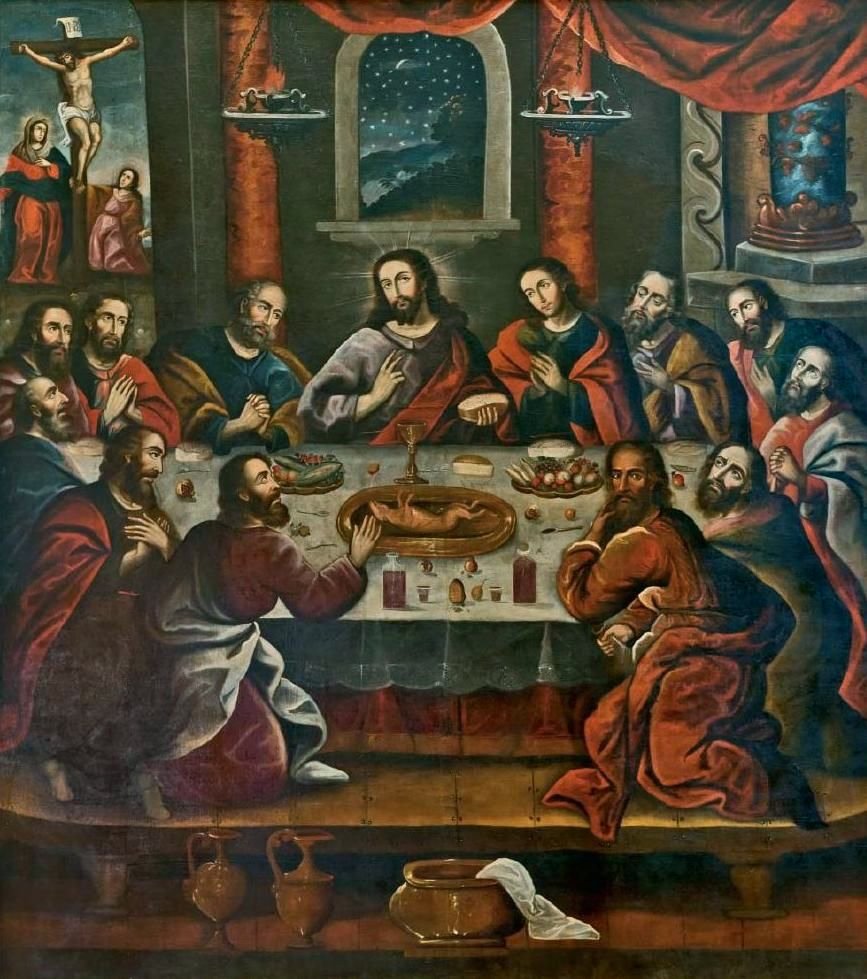
Pilar took us inside the Cathedral, which had an imposing nave with white vaulted ceilings, a magnificent gold altarpiece, and 14 ornate side chapels. There were many large oil paintings by local Cusqueño artists who had been trained by Europeans. The Last Supper showed the Jesus and his apostles gathered around a meal of local fruits and cuy (guinea pig). Judas had the face of Spanish conquistador Francisco Pizarro! The famous statue of Señor de Los Temblores (Lord of the Earthquakes), wearing a traditional Andean skirt and blackened by hundreds of years of candle soot, had been removed from its side chapel for cleaning. [We were not permitted to take photos inside the cathedral, so these photos were borrowed.]

We thanked Pilar for her excellent services as our tour guide, and for showing us around her home city of Cusco, a vibrant city with a distinctive mix of Incan and viceregal architecture, nestled in the Andes.