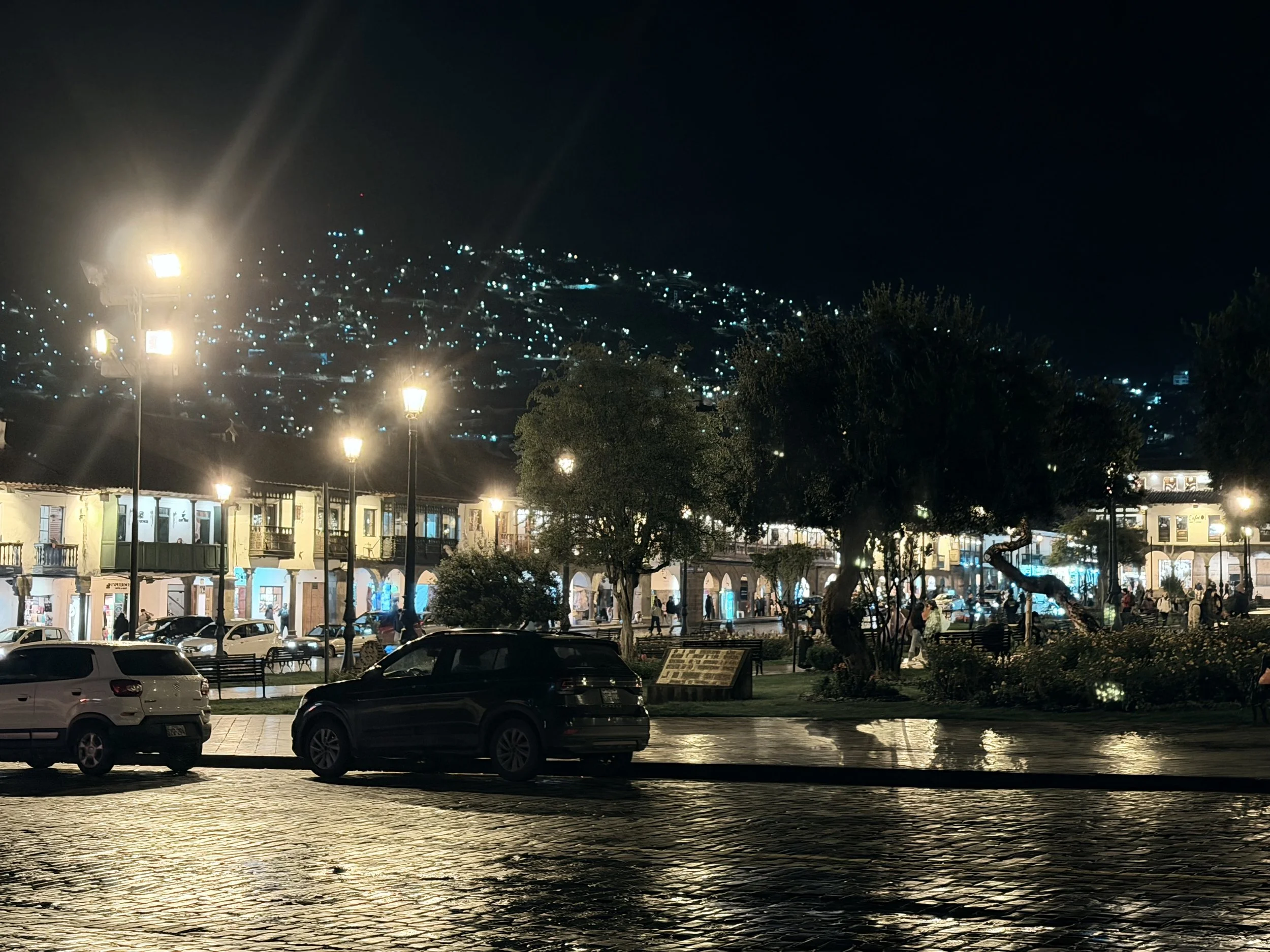
On our first evening in Cusco, we walked through the Plaza de Armas. It looked like there were fairy lights on the surrounding mountains. It was enchanting.
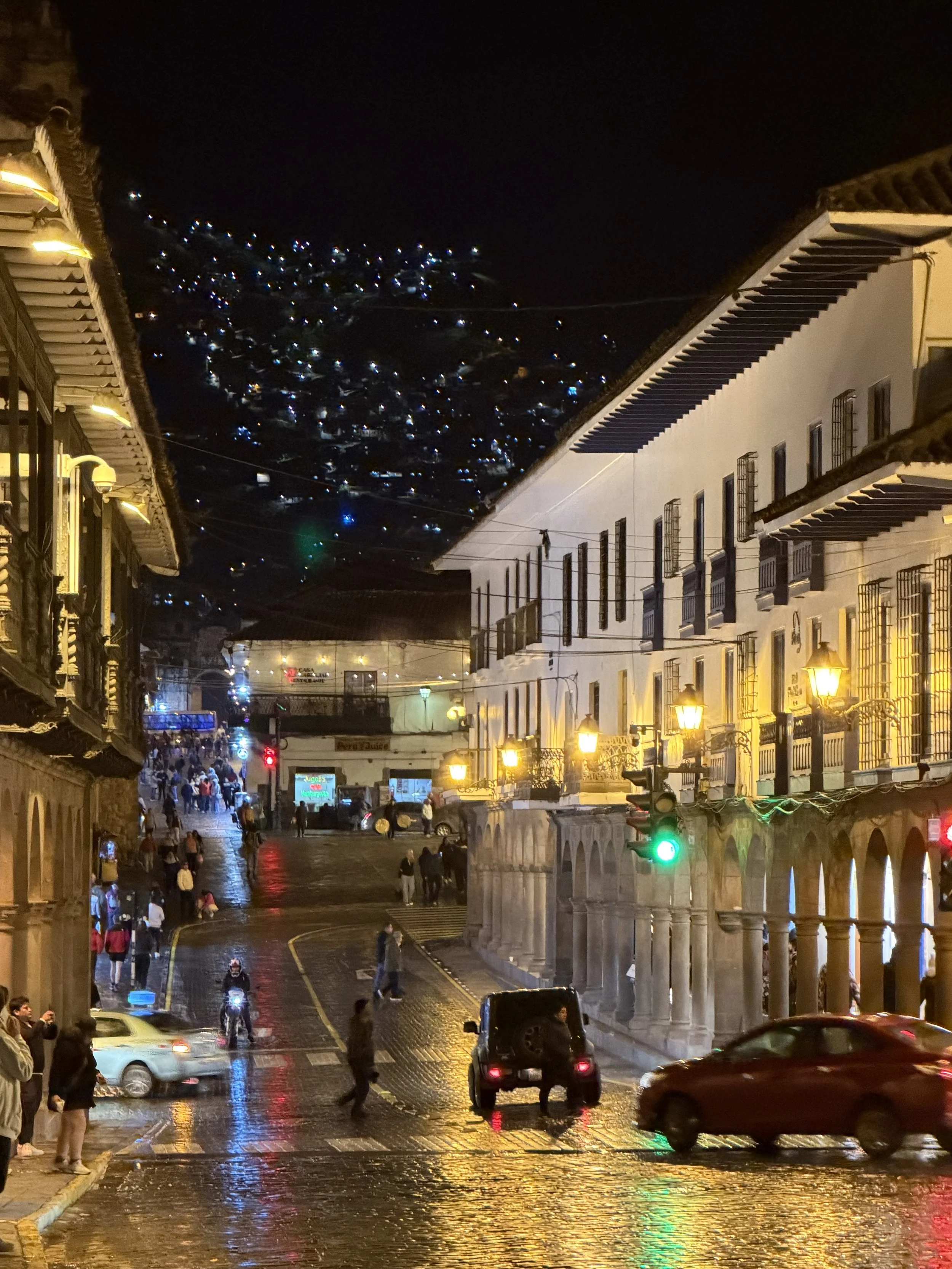
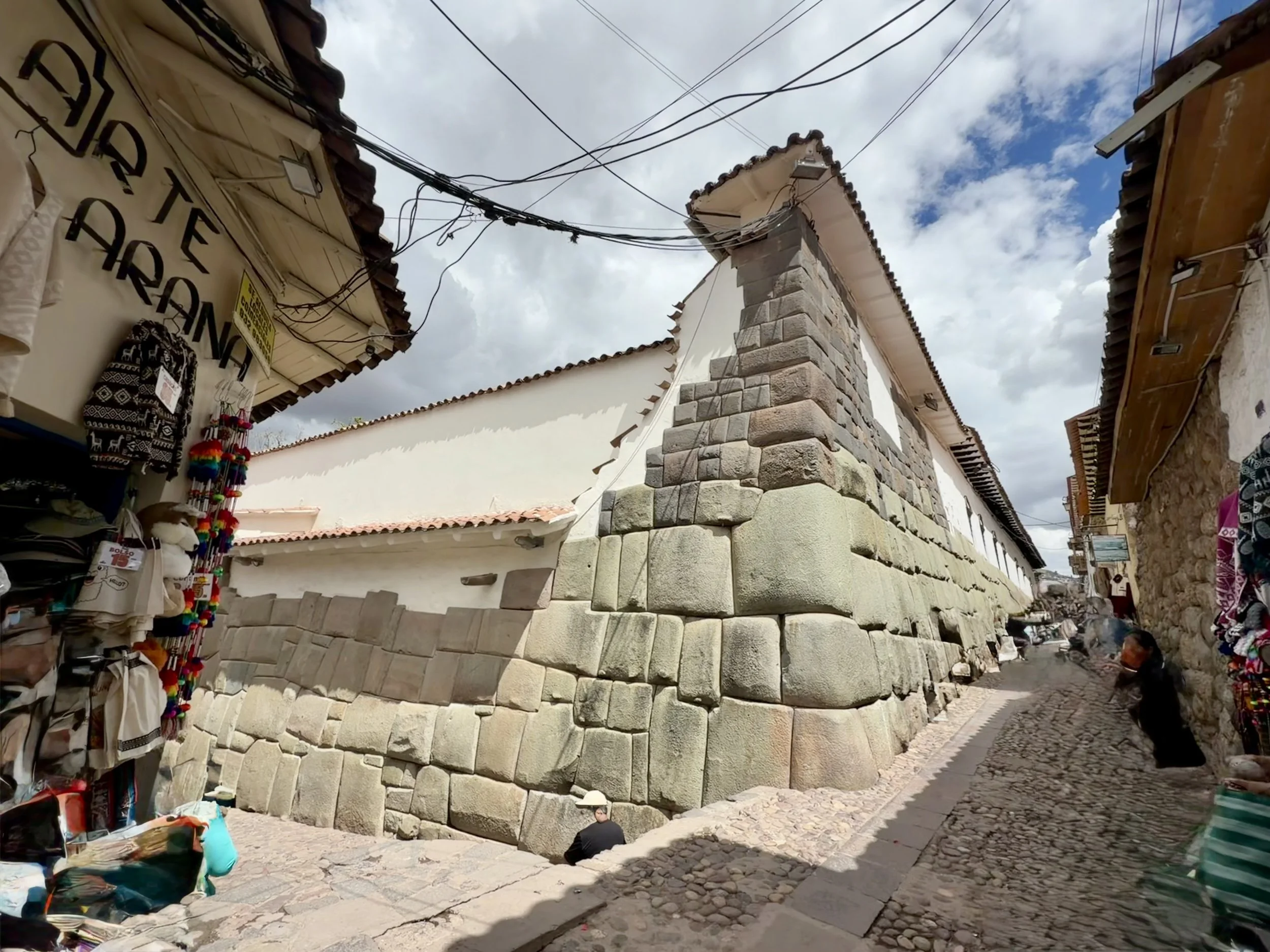
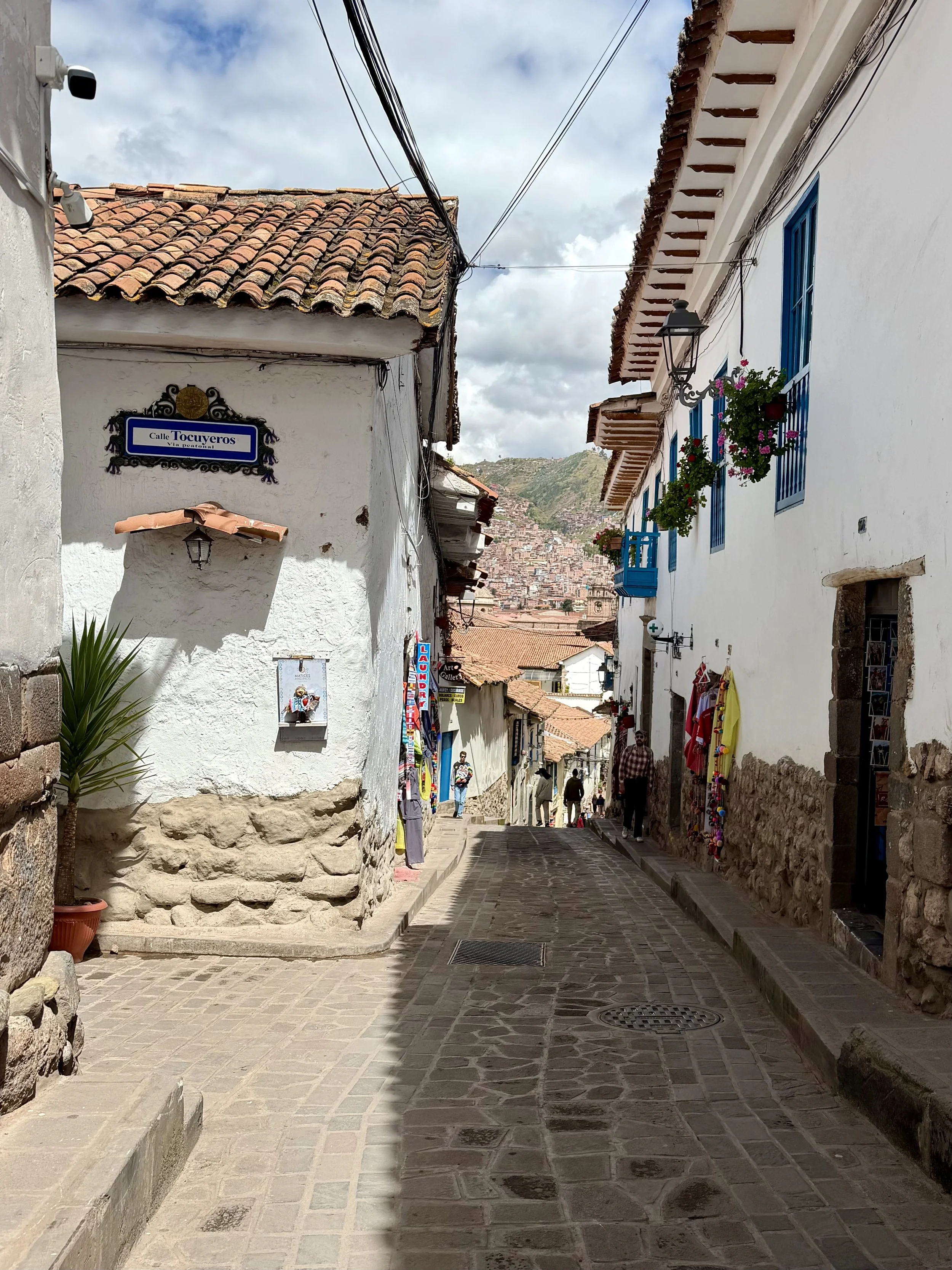
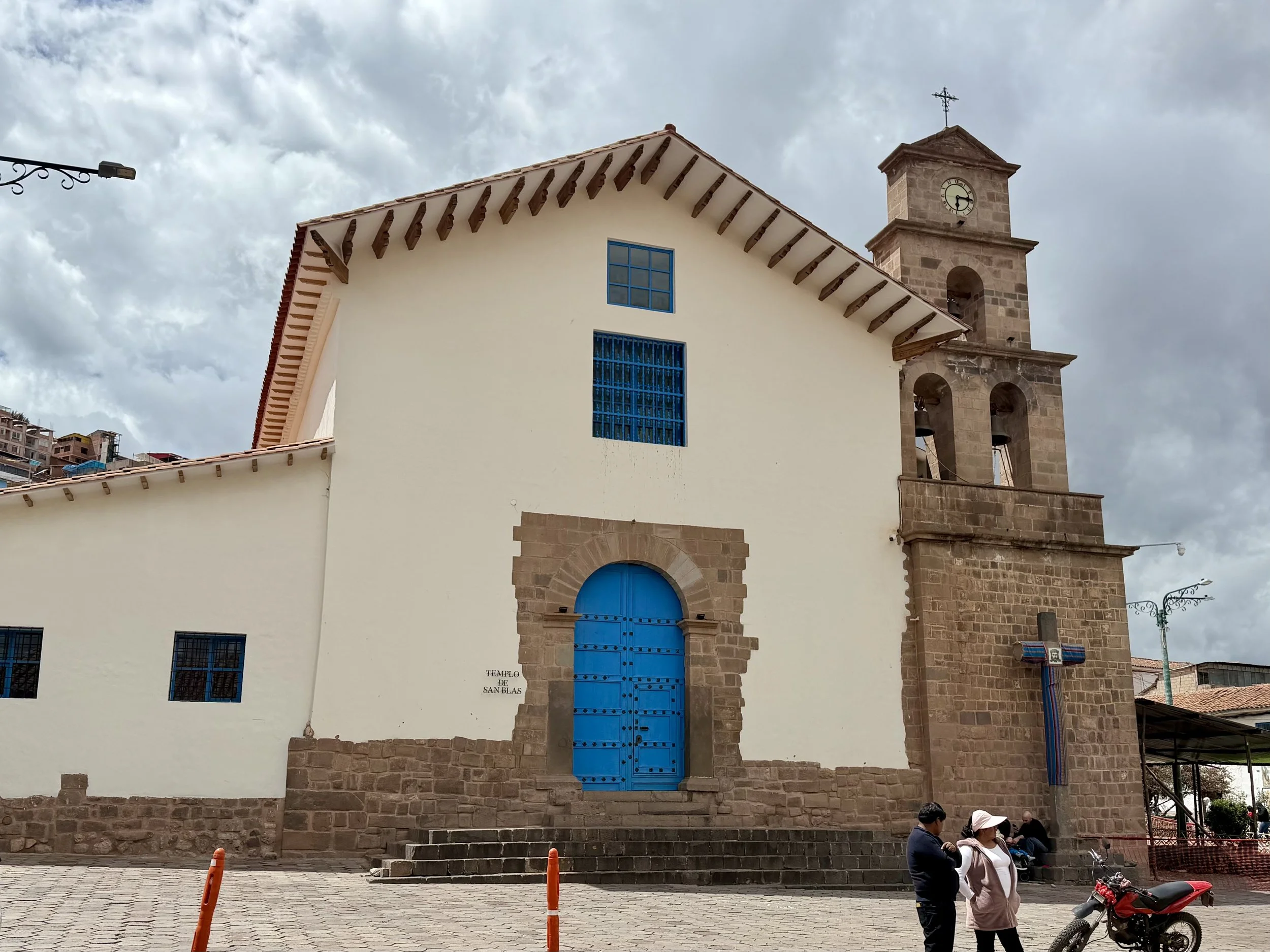
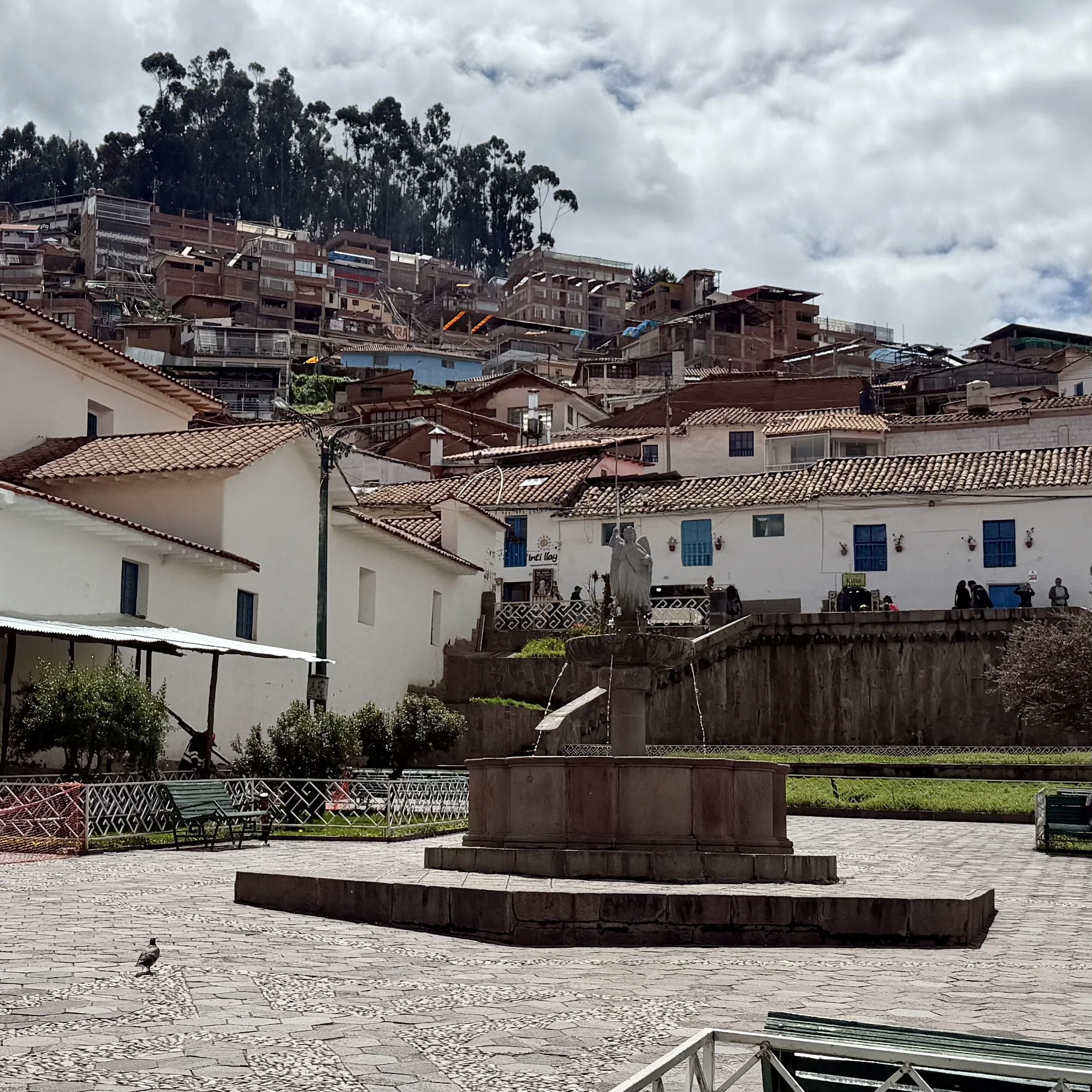
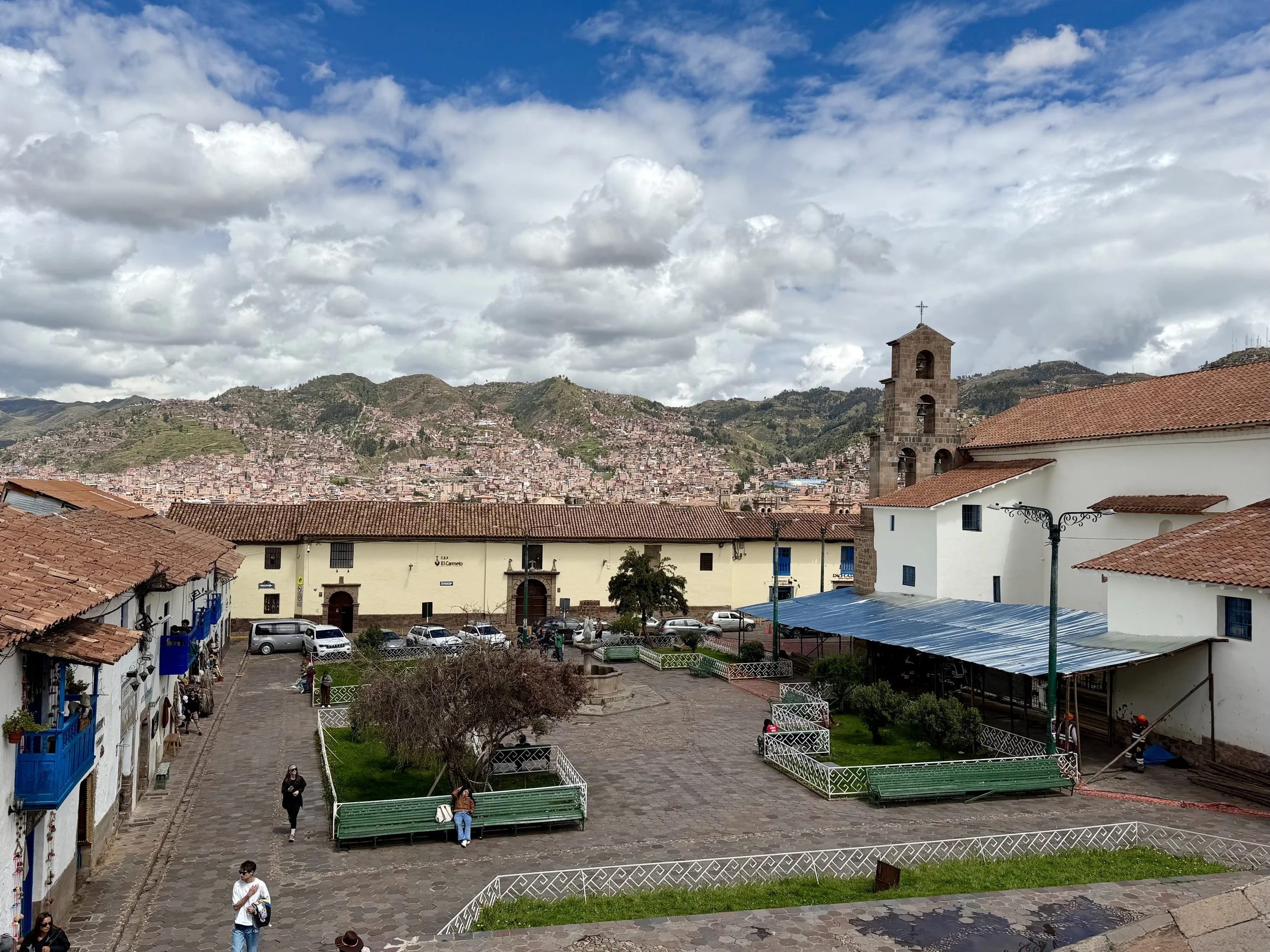
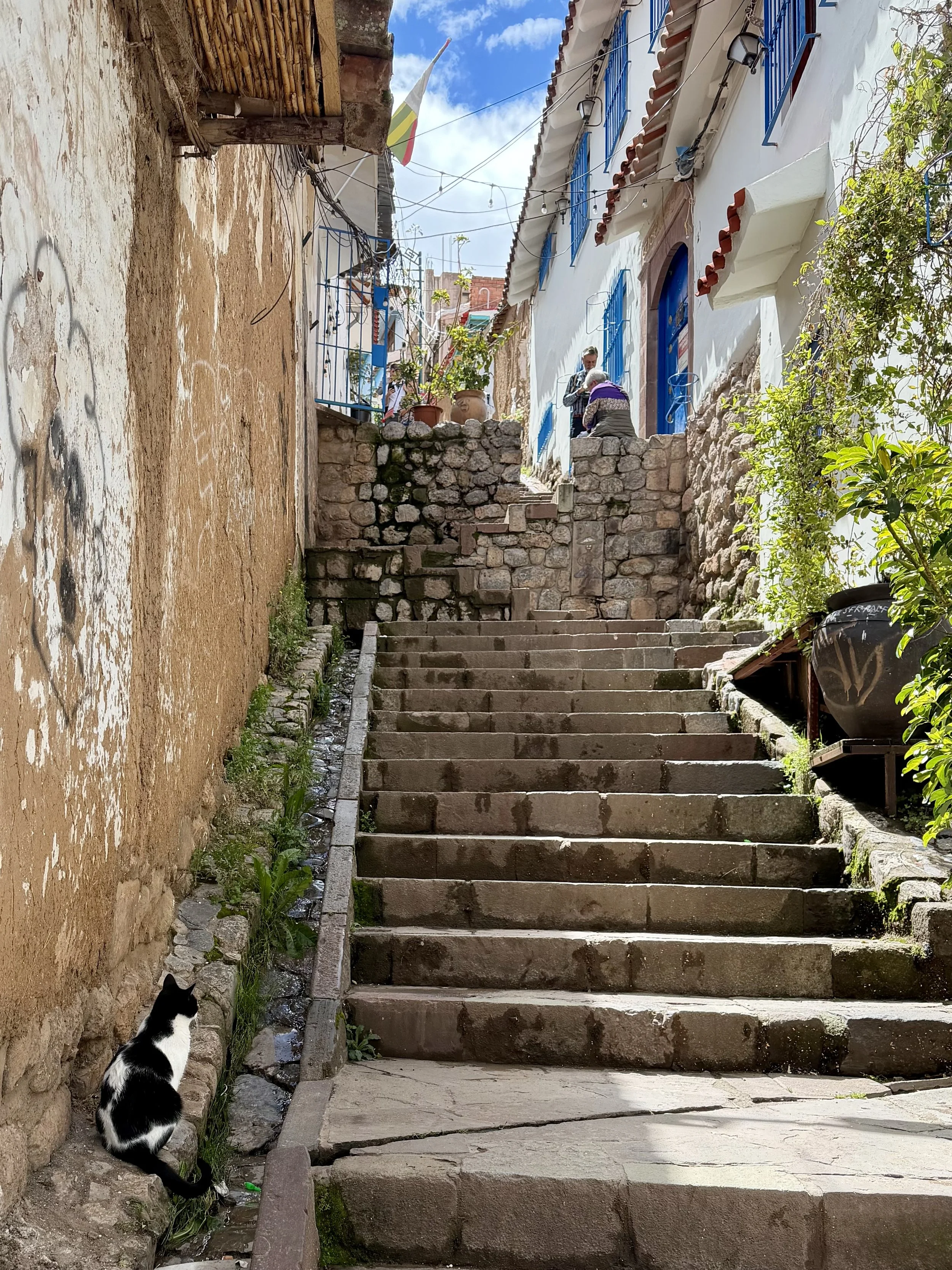
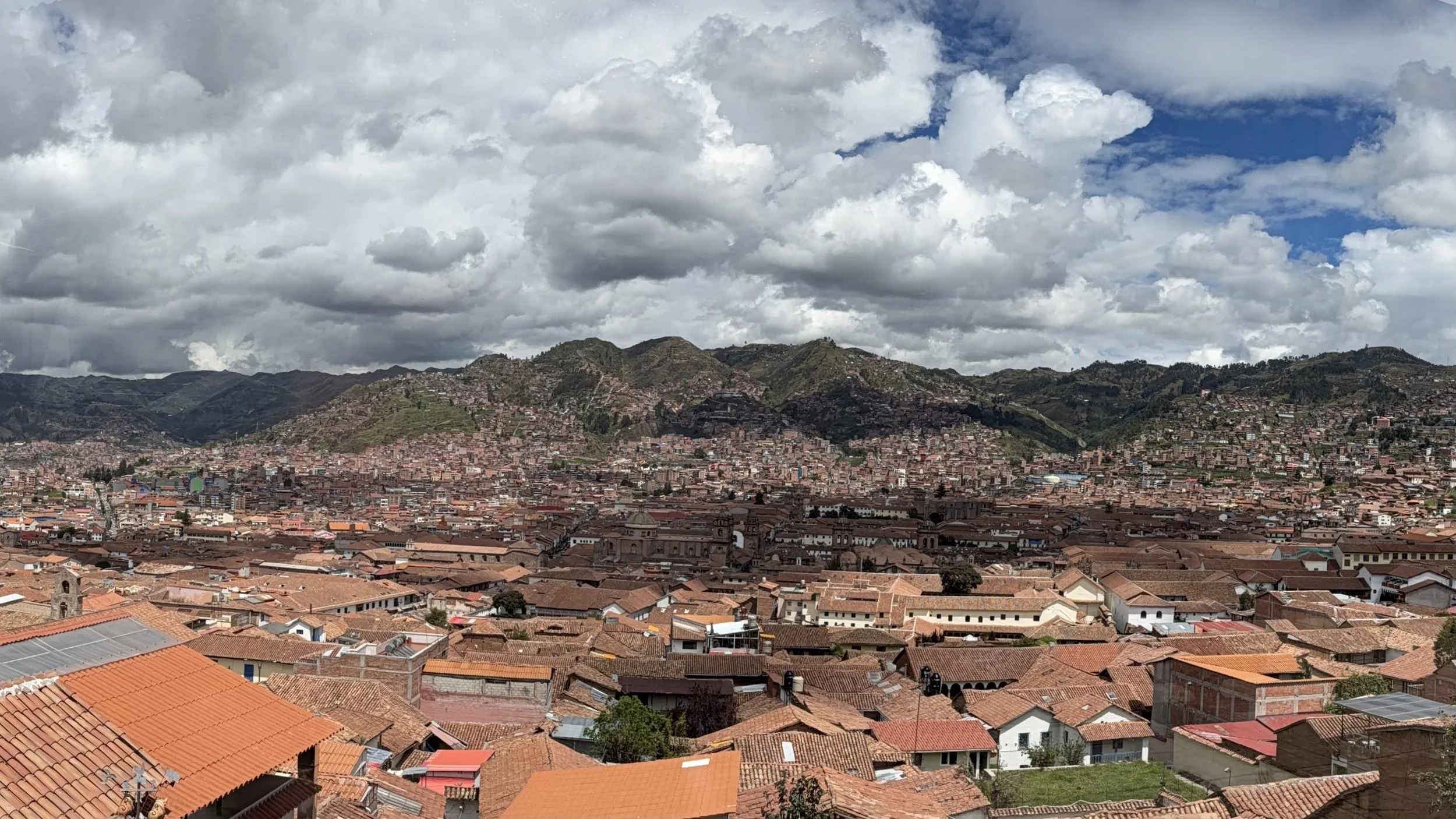
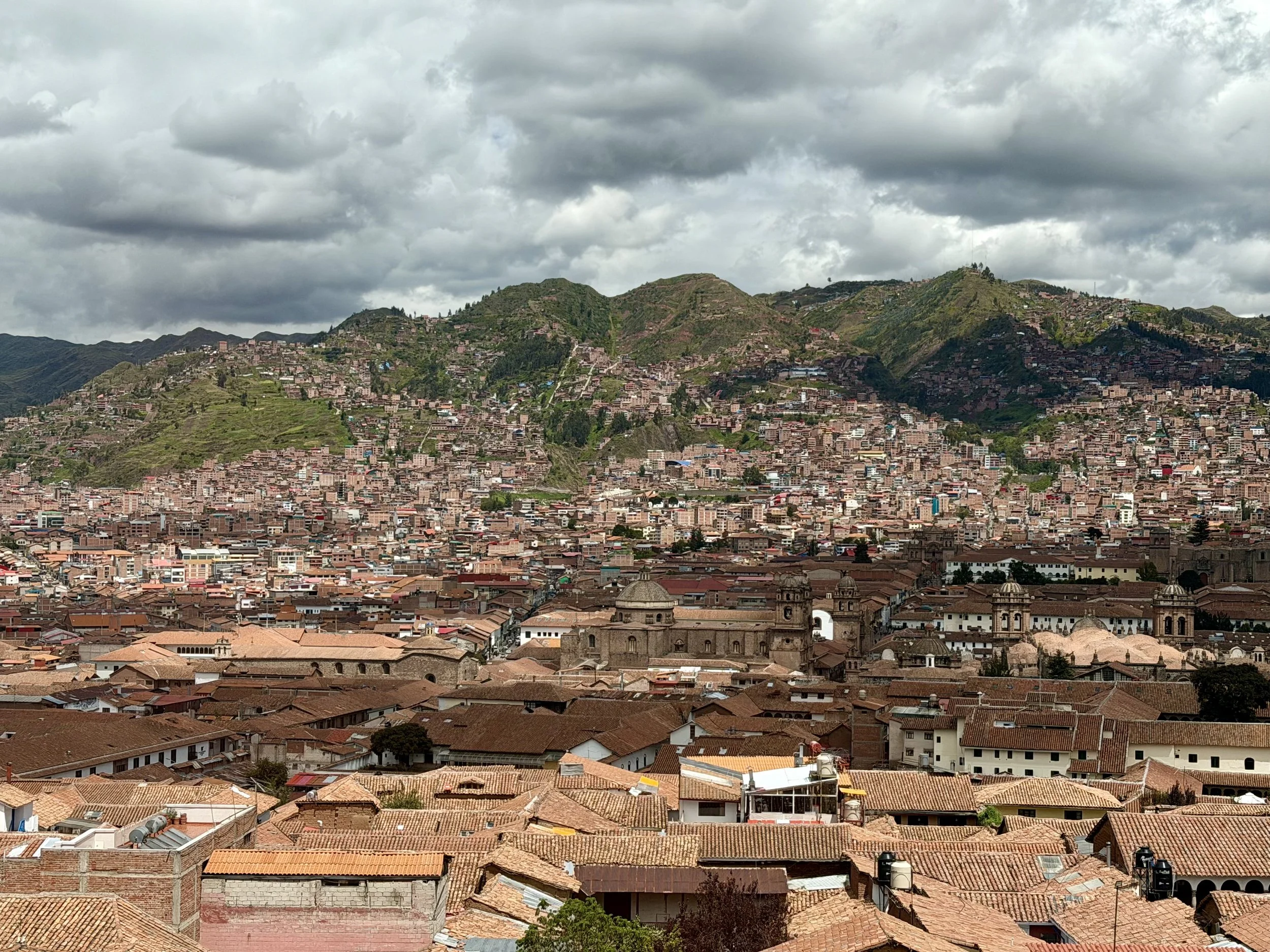
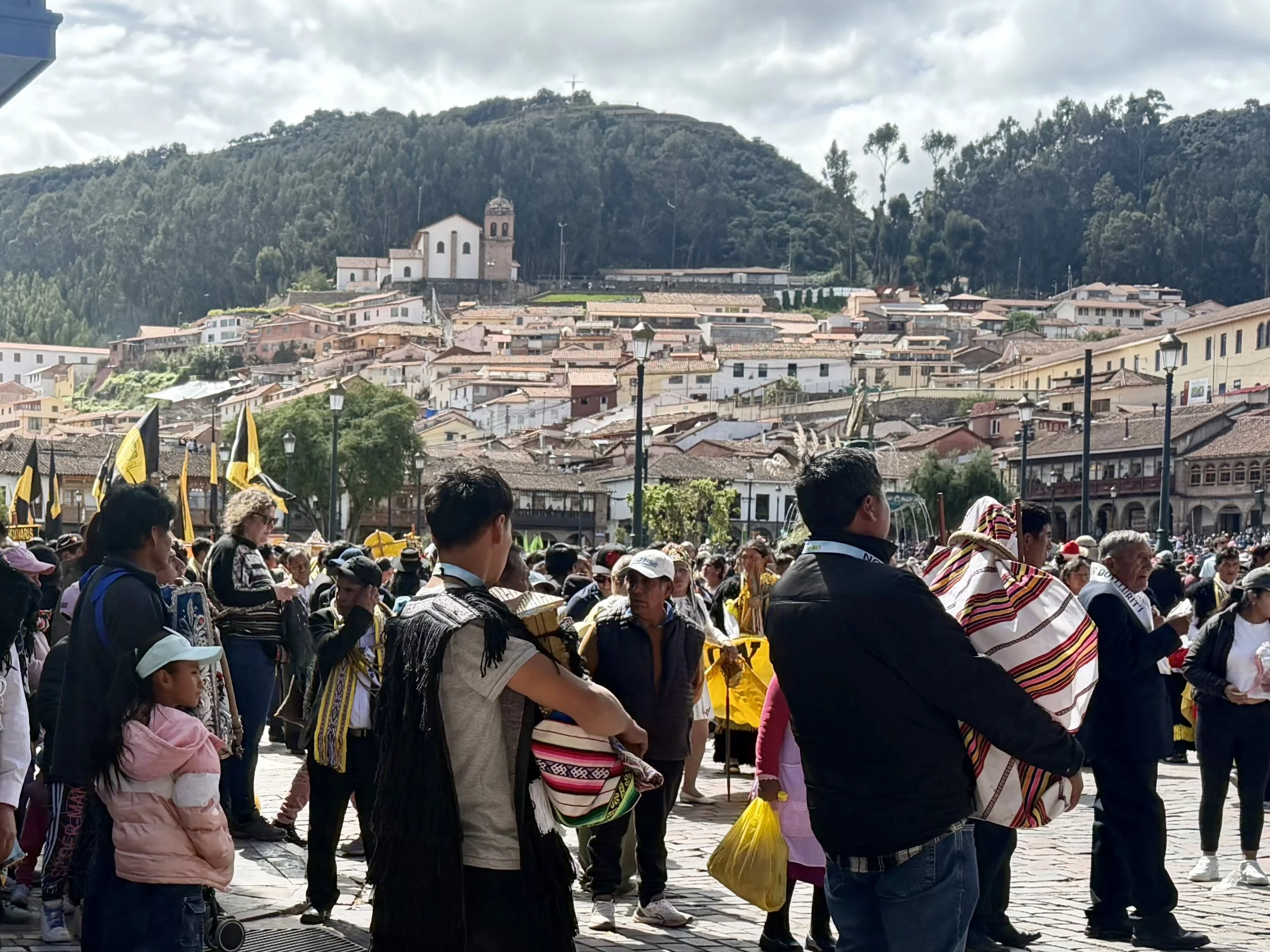
After our guided walking tour of the Historic Centre, we had two more days to explore Cusco with Amy. One of many cobblestone streets lined with Inca stone walls led to San Blas, a hillside neighborhood with artsy shops. The quaint, narrow alleys were a challenging climb, but we were rewarded with a panoramic view of the city.
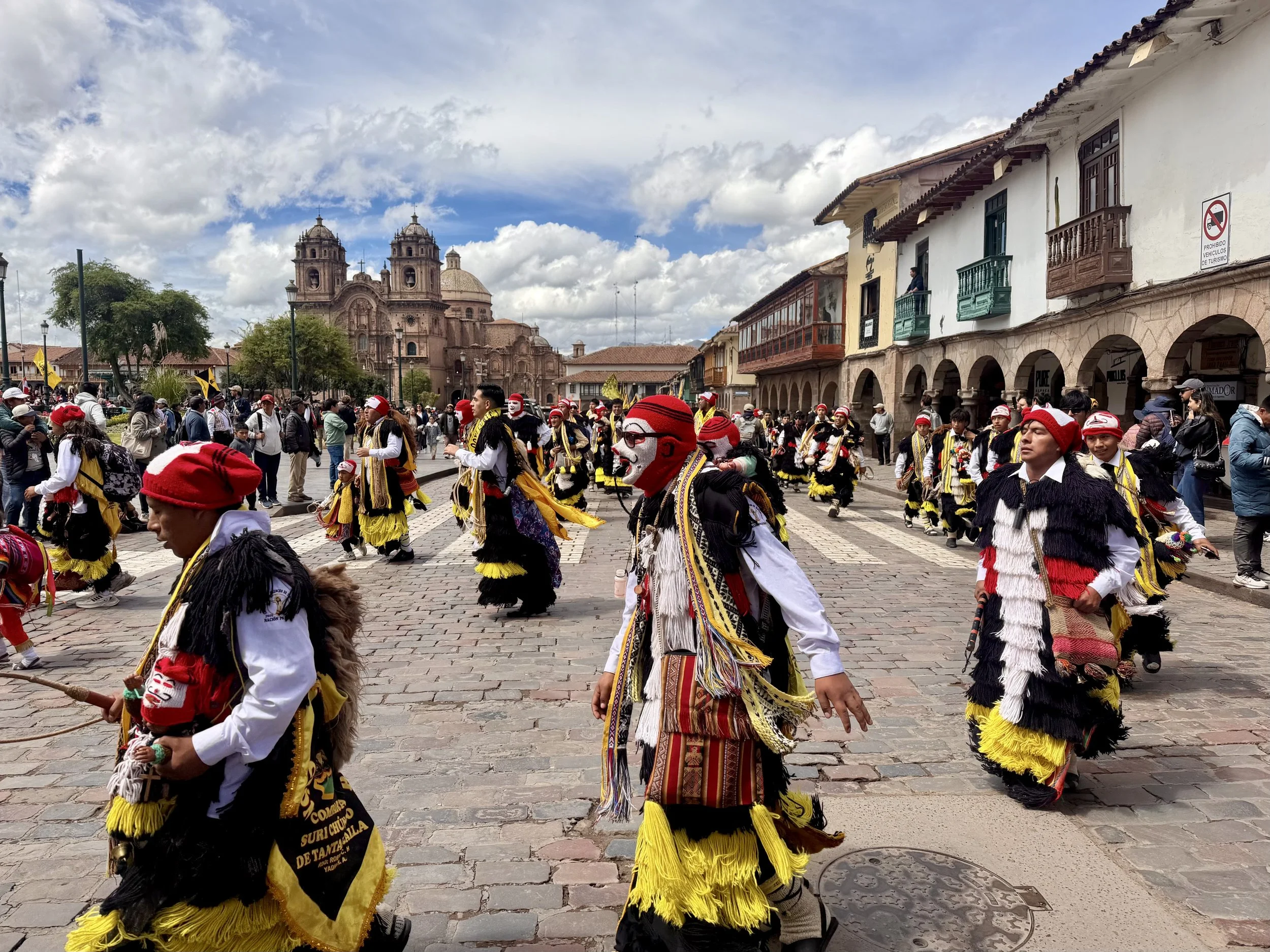
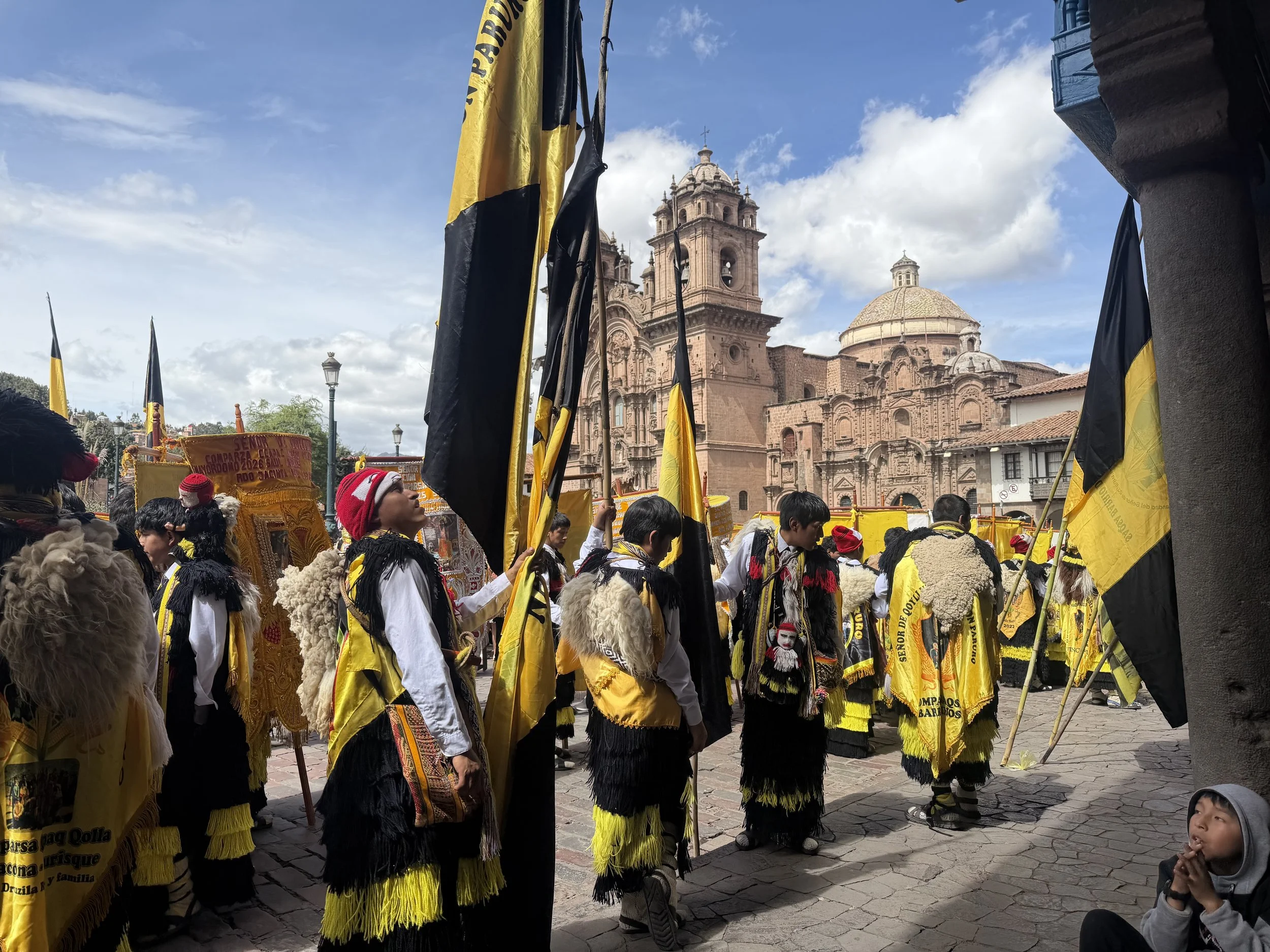
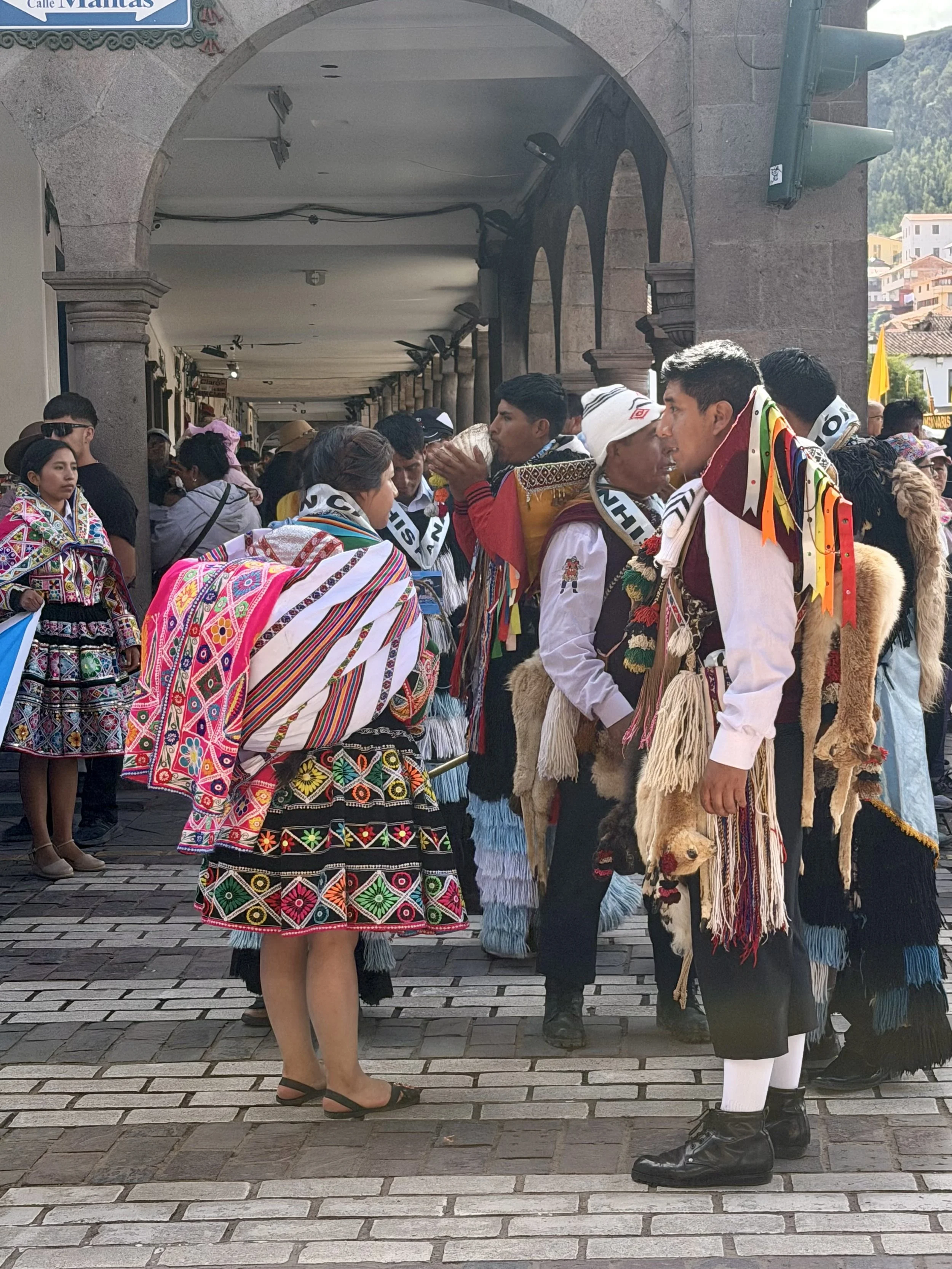
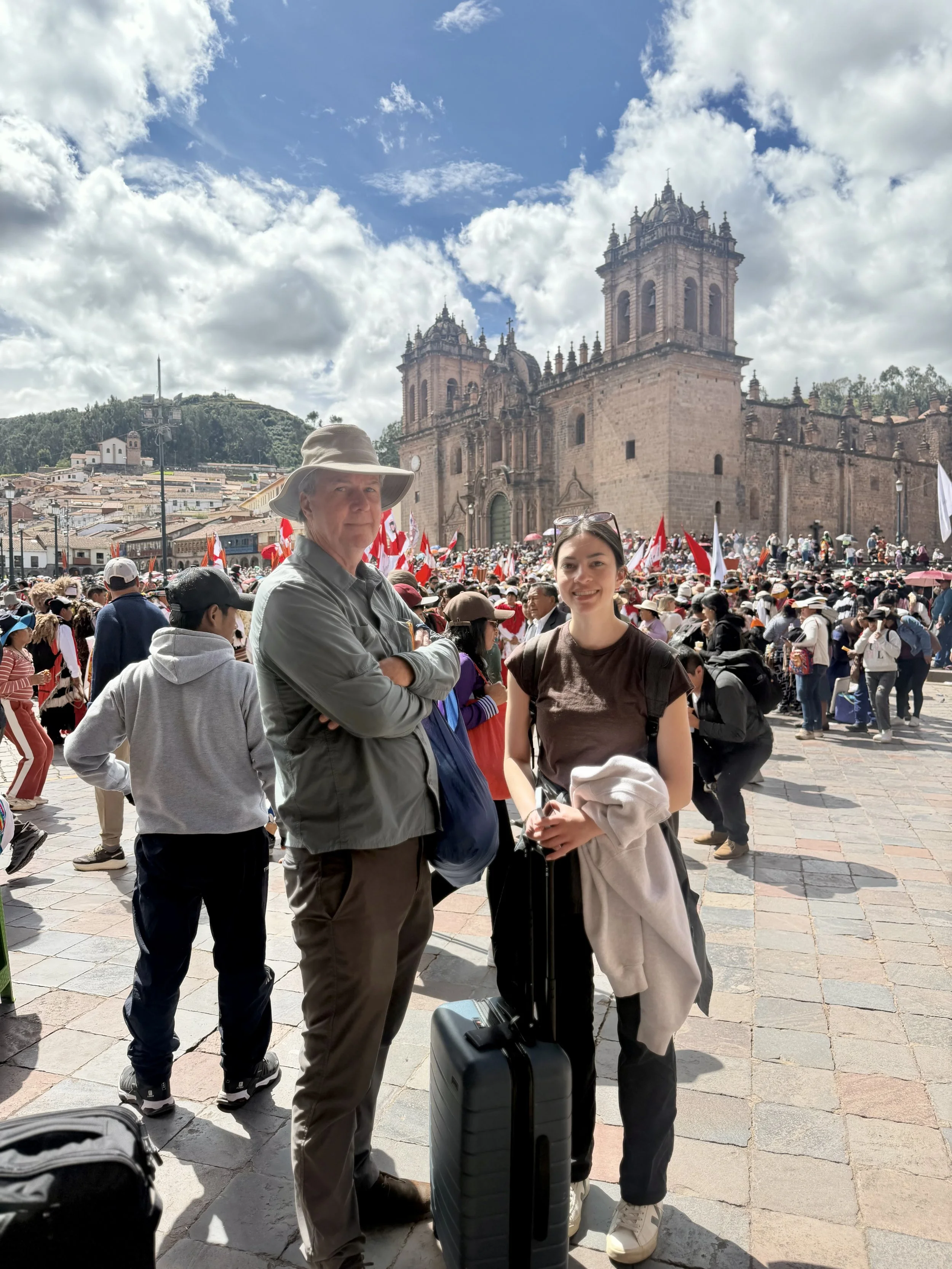
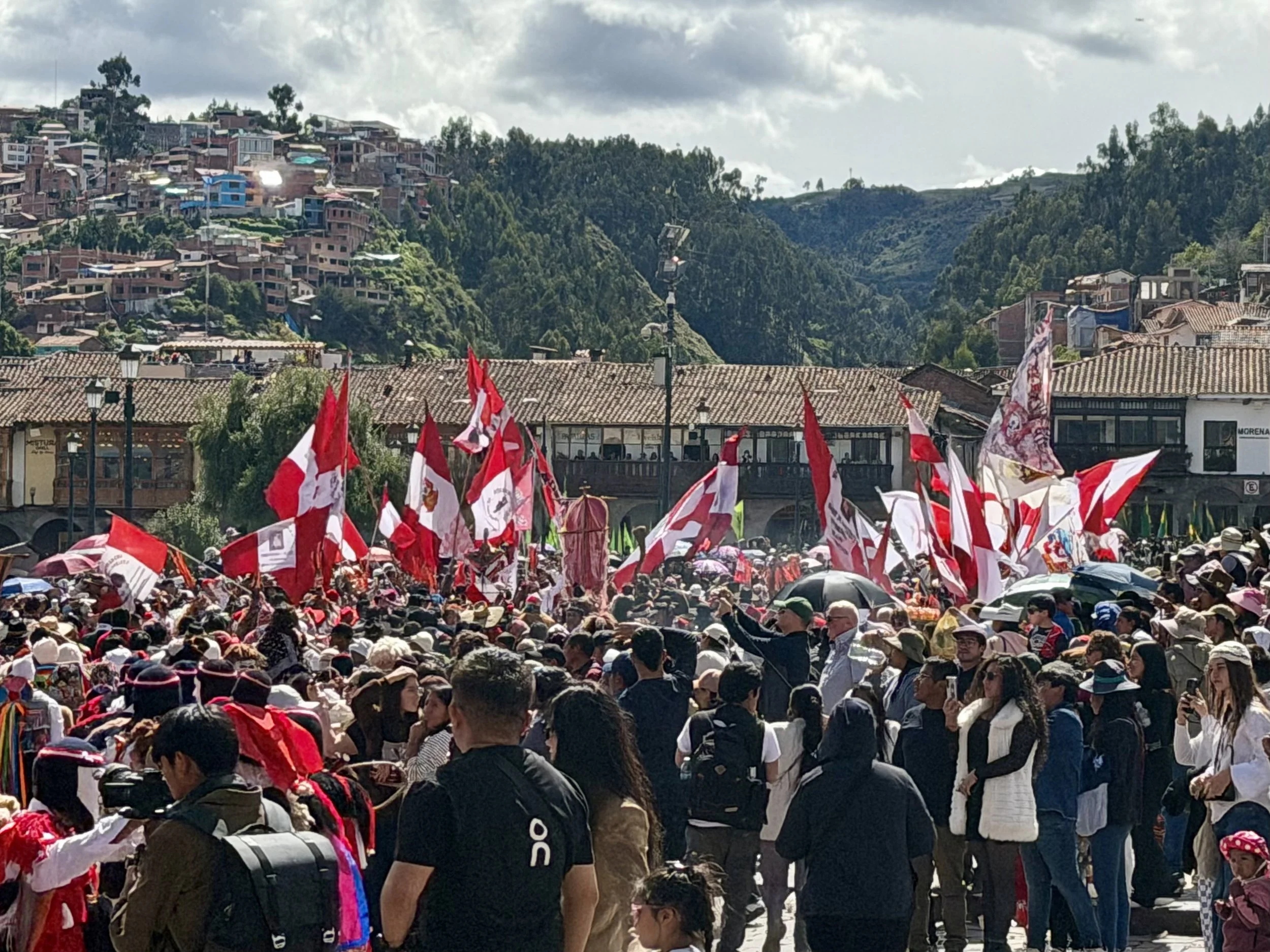
There was always something interesting happening at Plaza de Armas! On both Friday and Saturday, the square was alive with colorful processions of costumed dancers, flag bearers, and musicians. We were moving from one hotel to another with all our luggage, and the crowds presented an interesting challenge when we had to walk through the square. We later learned that they were kicking off the annual pilgrimage that will culminate in the festival of Quyllur Rit'i (Snow Star). The pilgrimage combines Incan and Catholic beliefs and is a UNESCO Intangible Cultural Heritage.
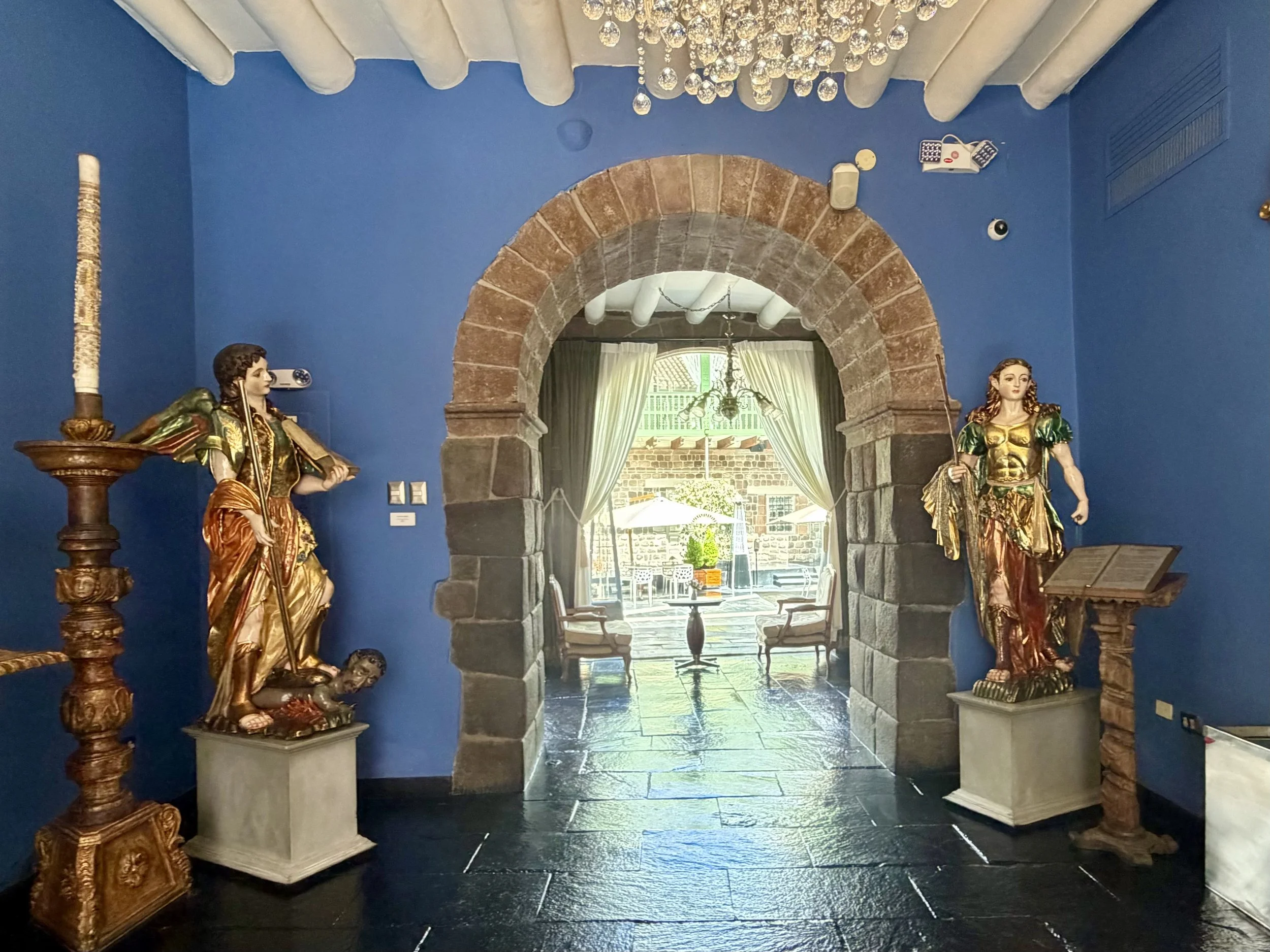
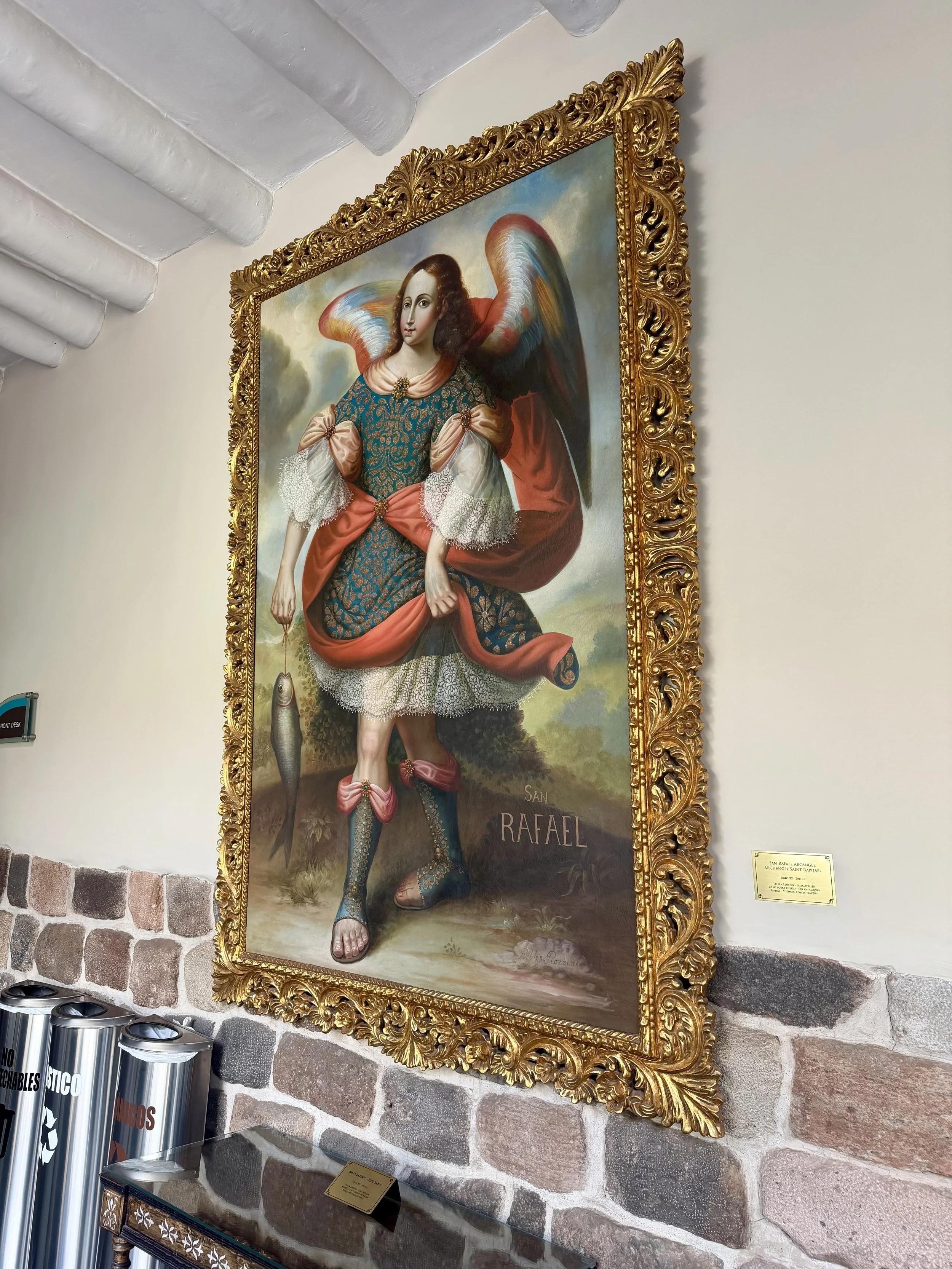
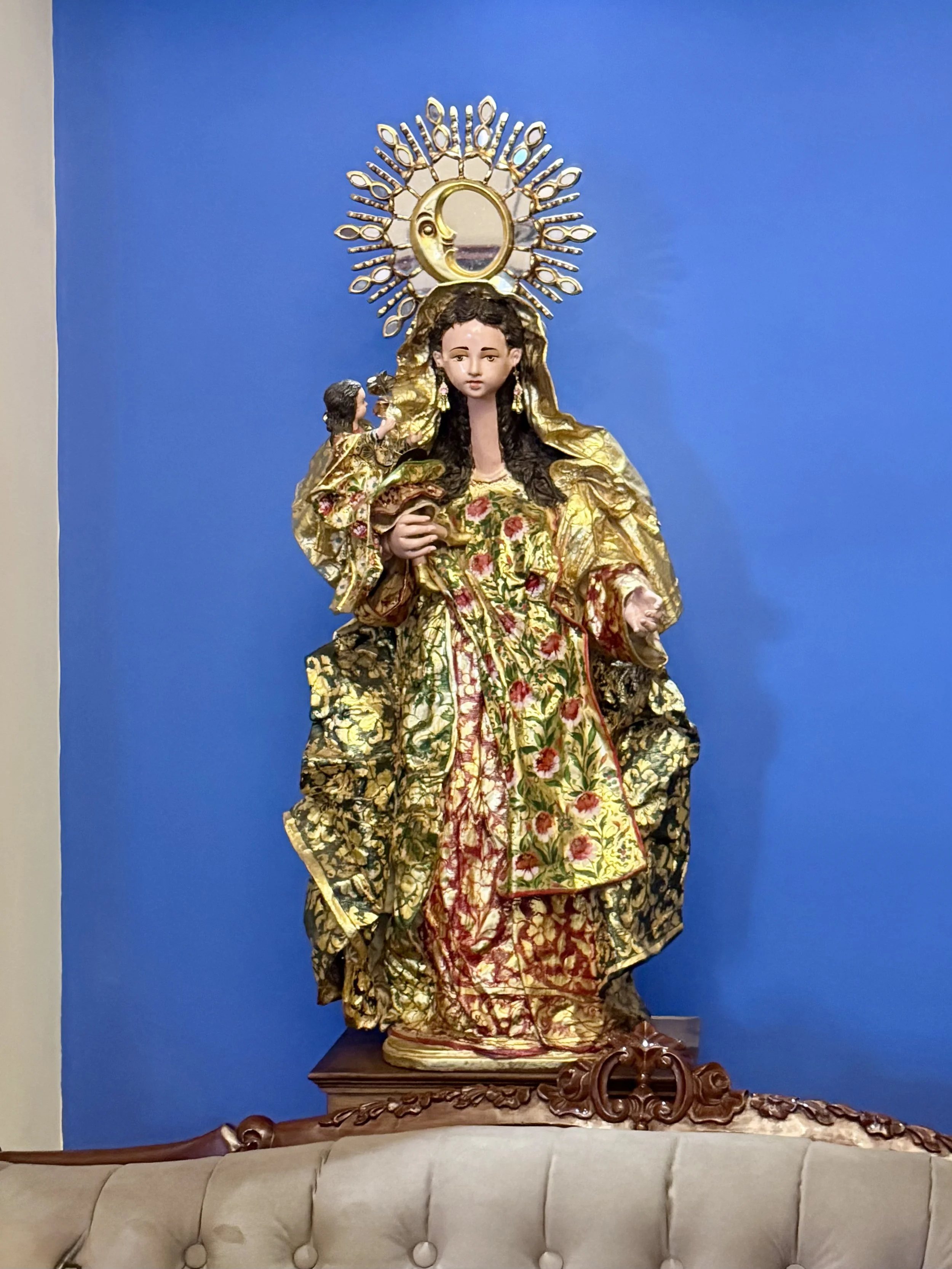
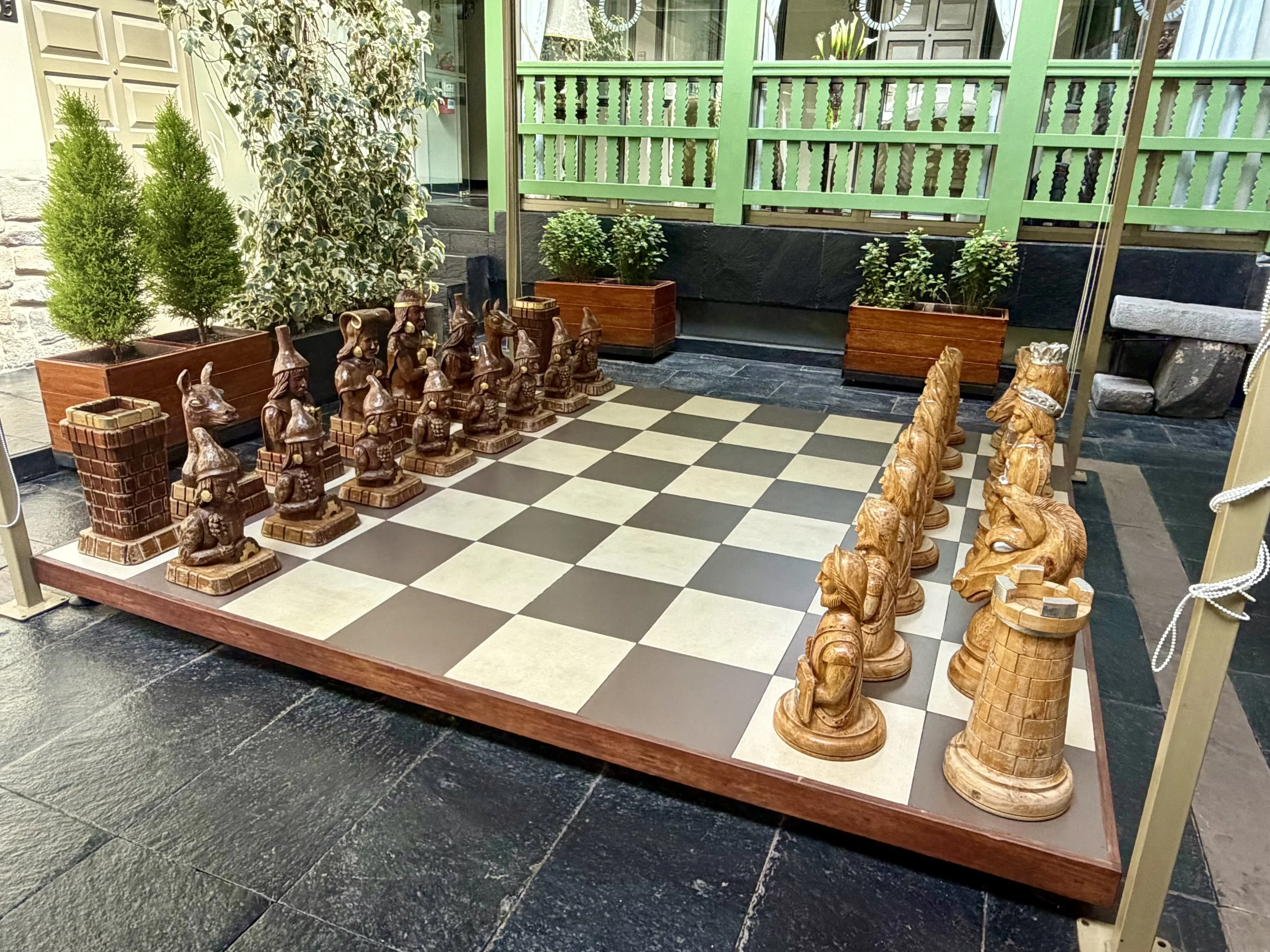
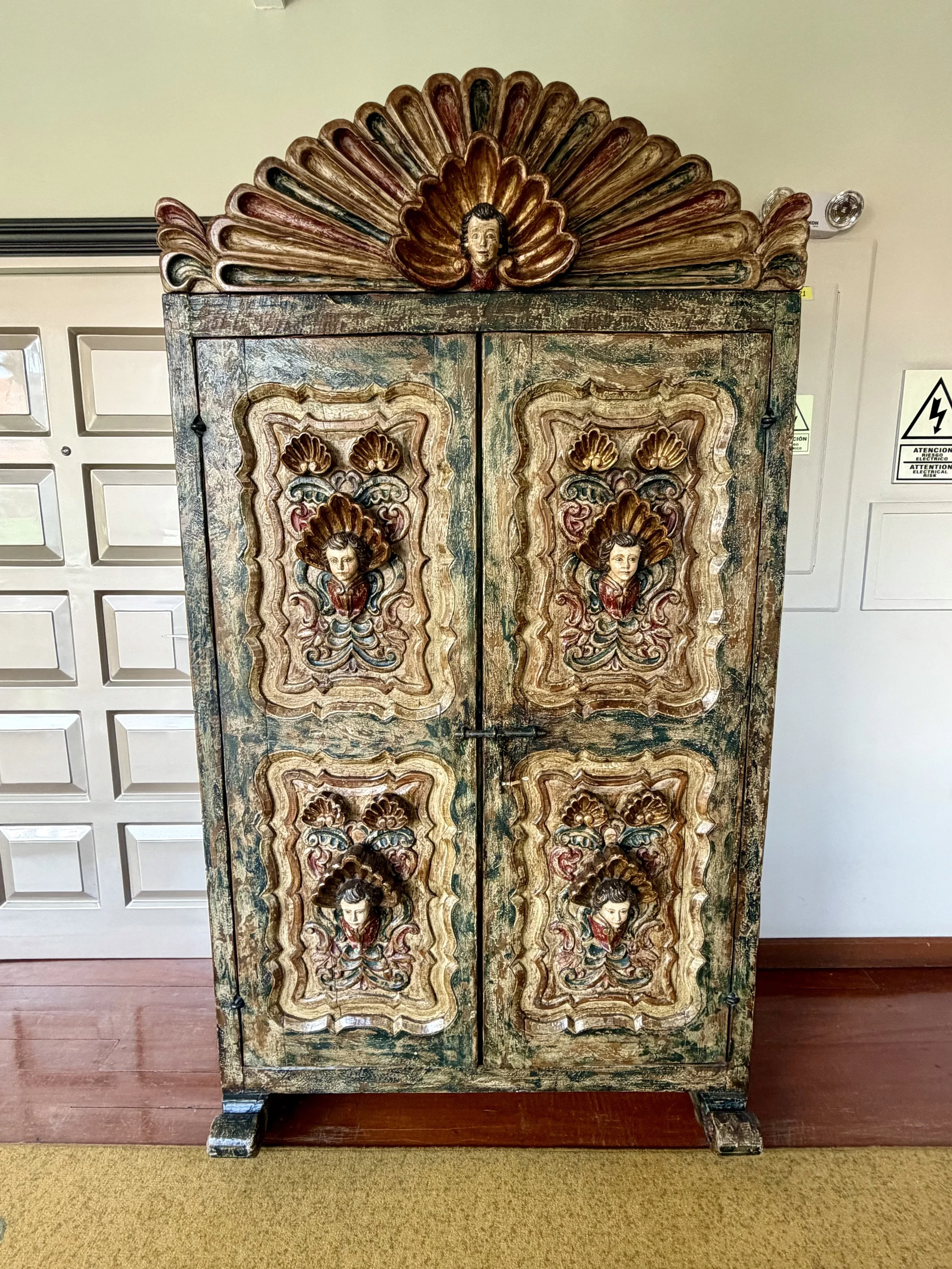
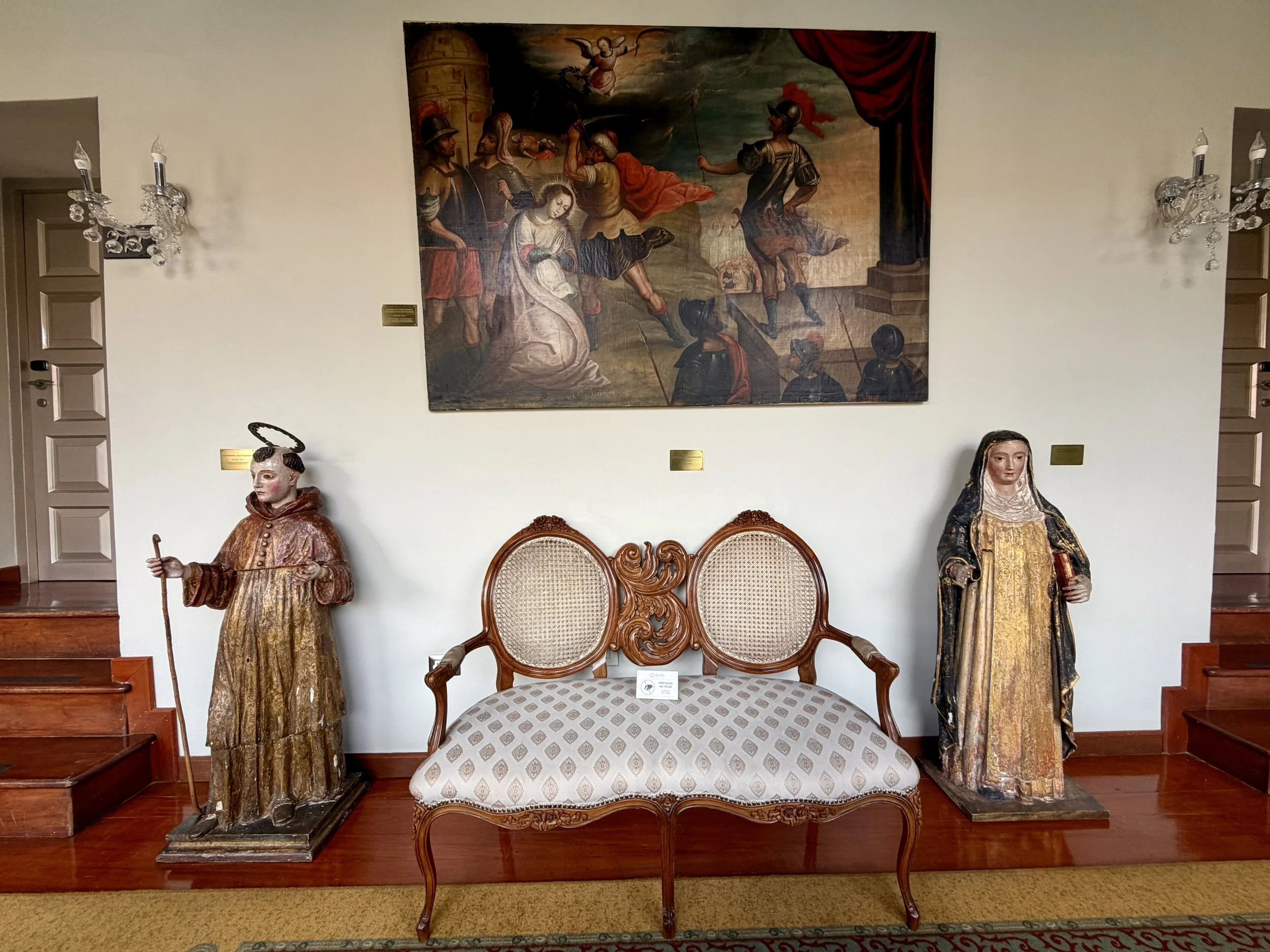
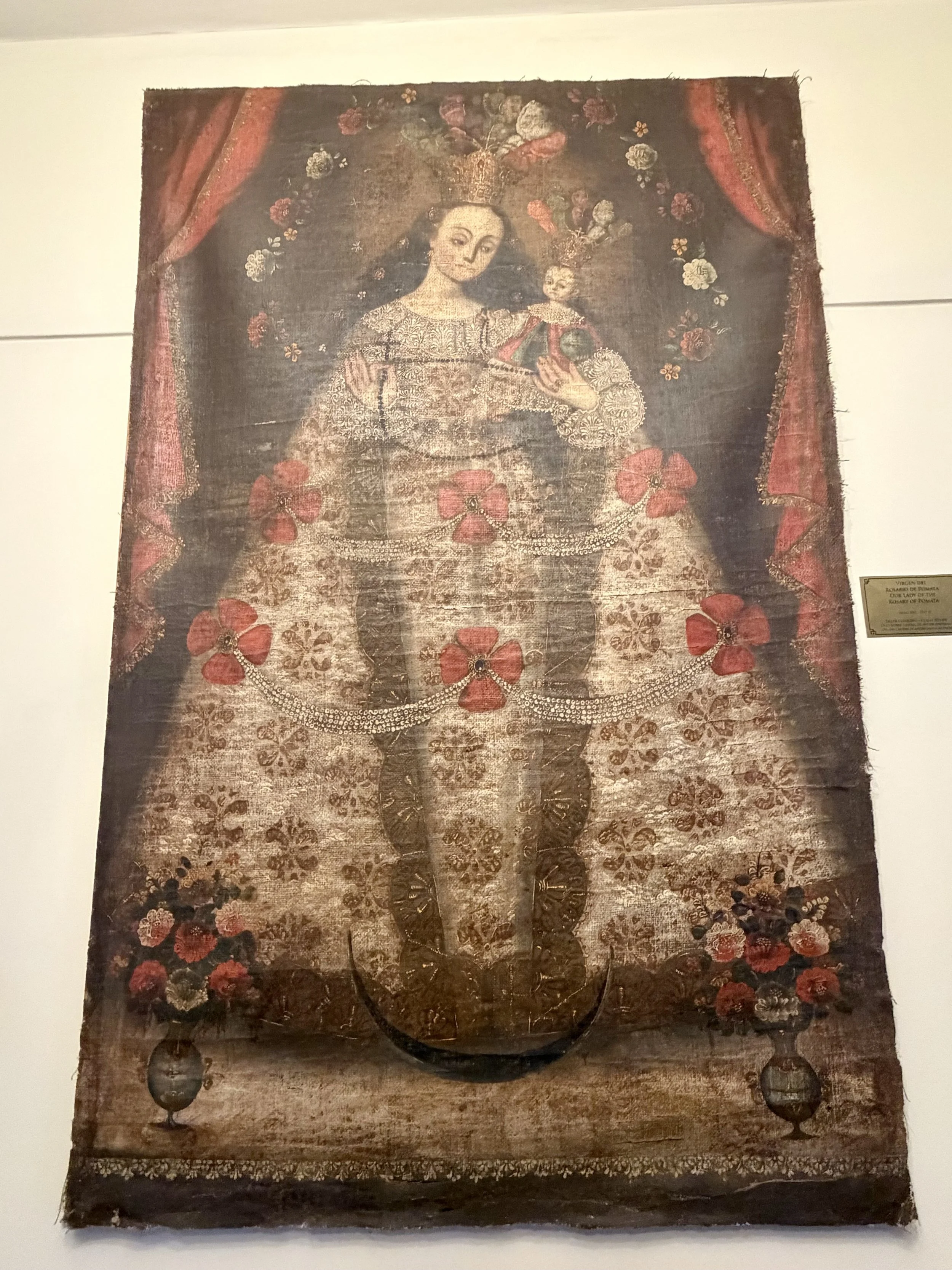
Cusco had many historic, luxurious hotels. The Aranwa Cusco Boutique Hotel, where we stayed with Amy, was filled with distinctive furniture and art. Just walking to and from our rooms was like strolling through a museum.
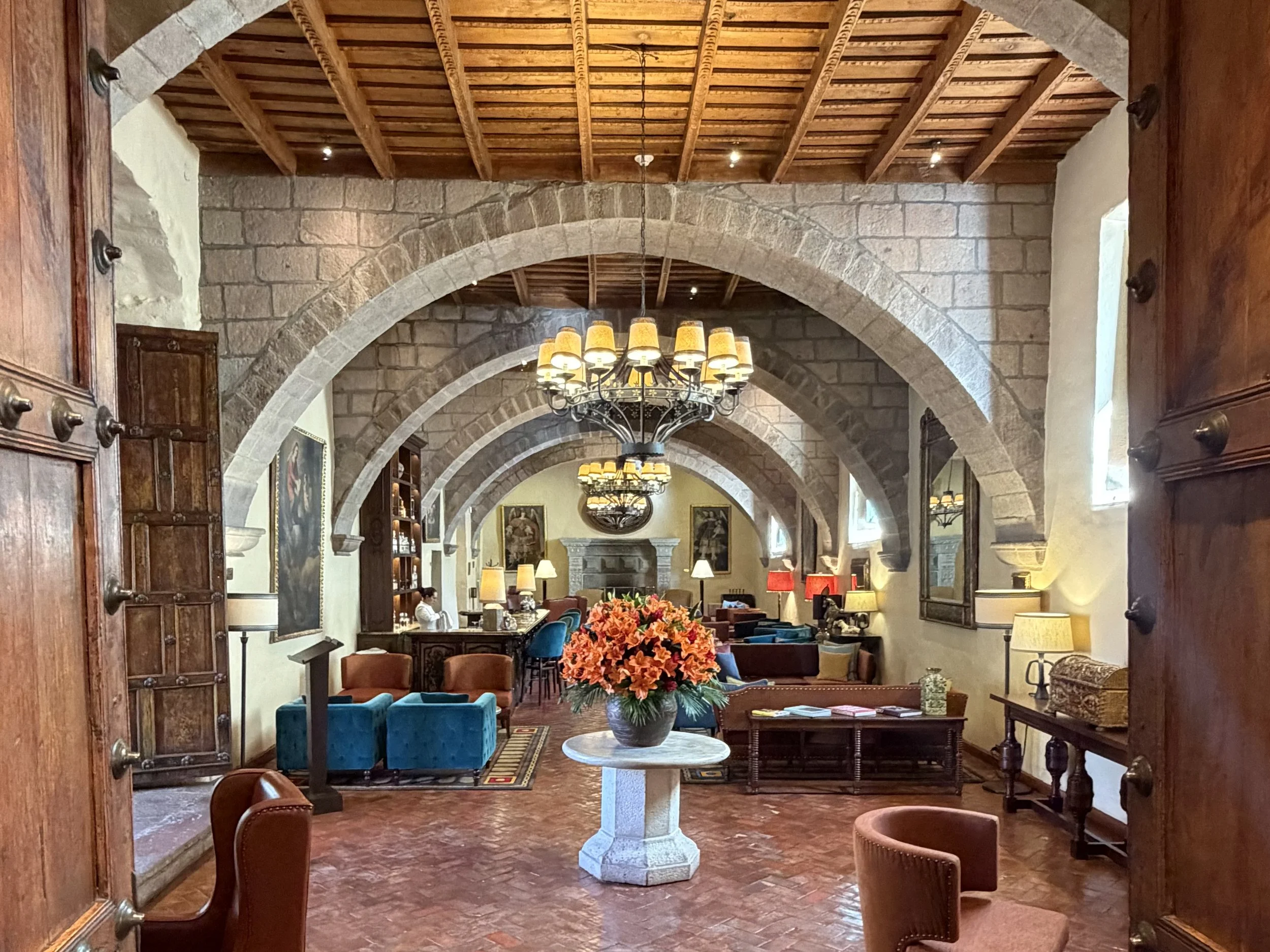
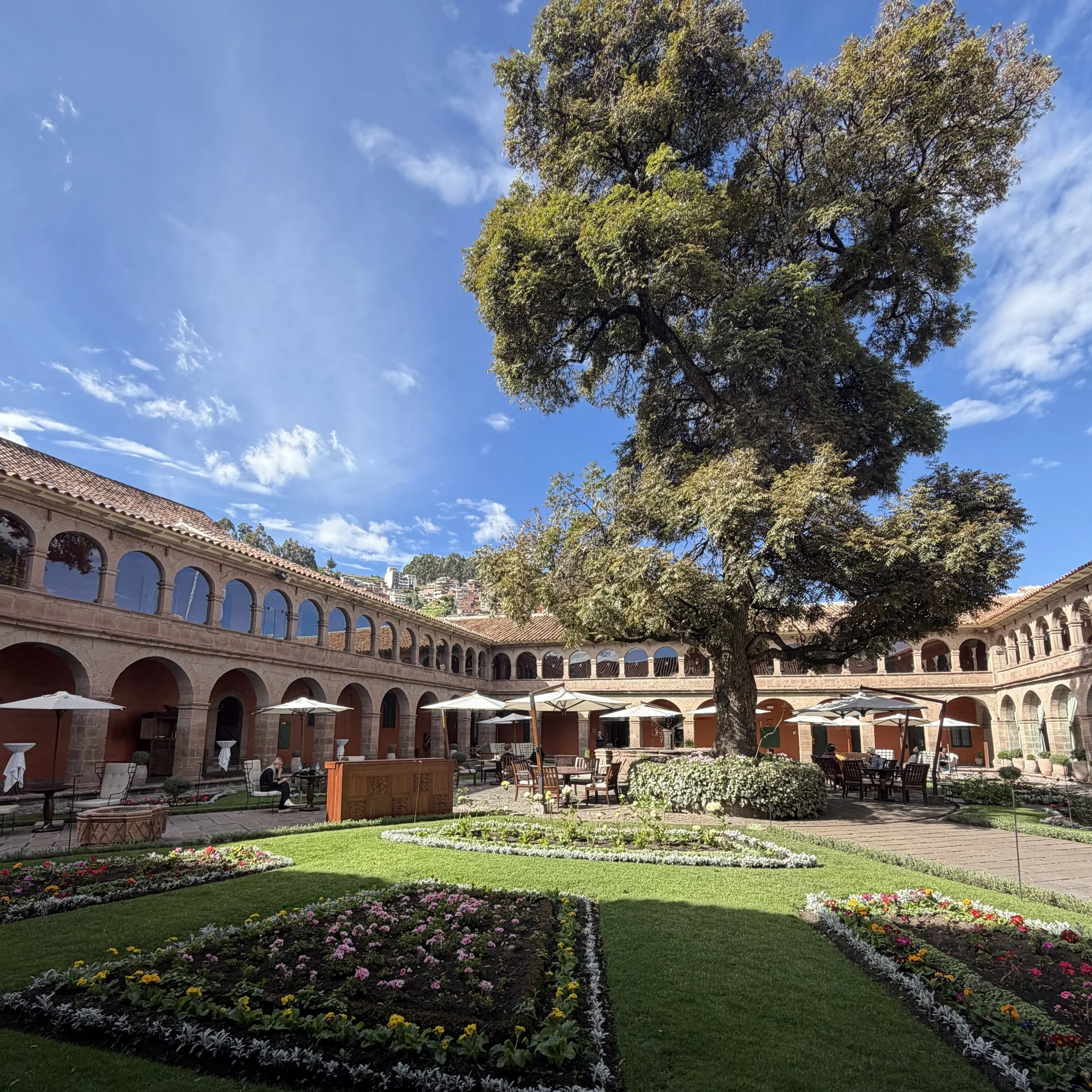
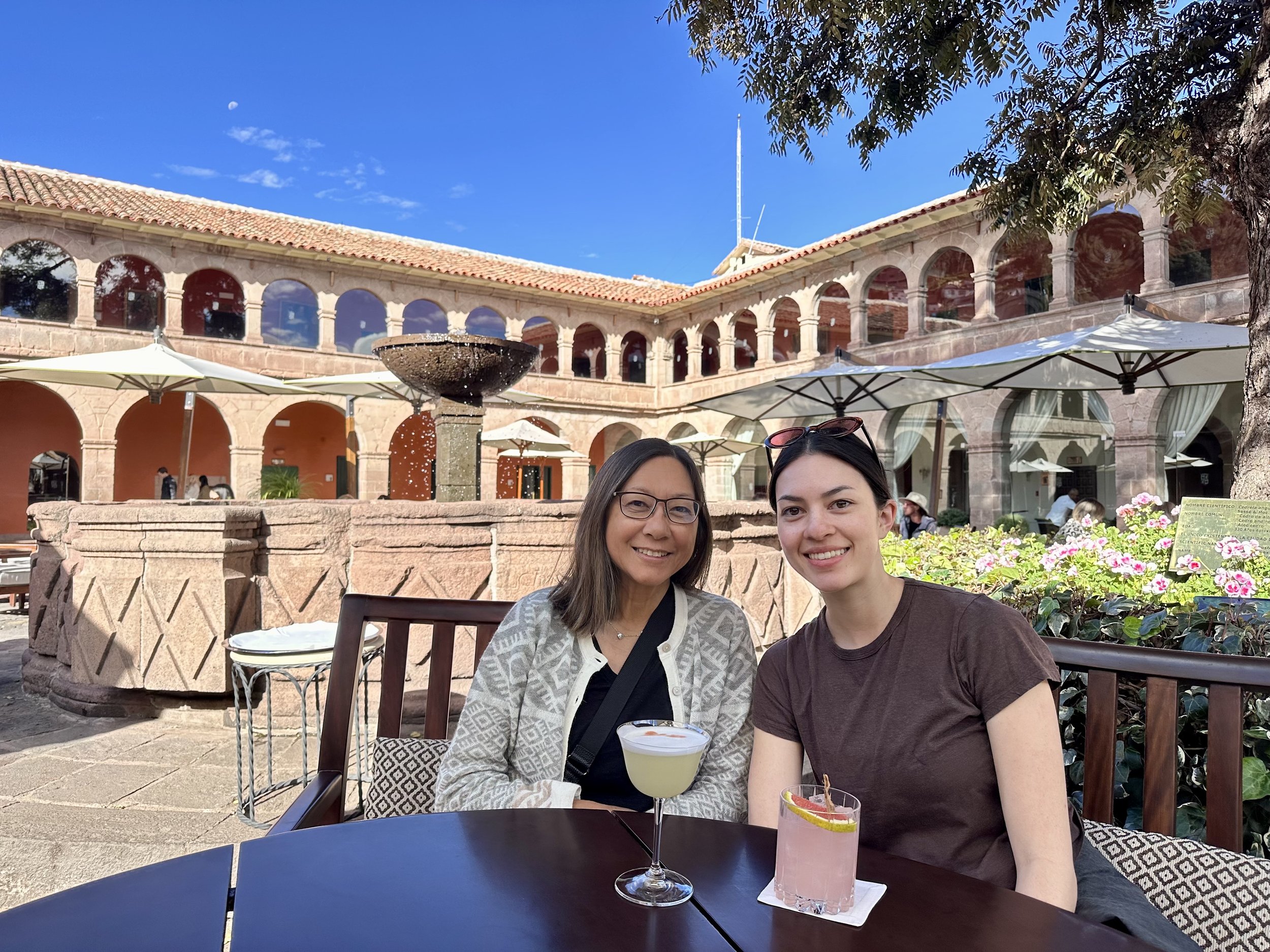
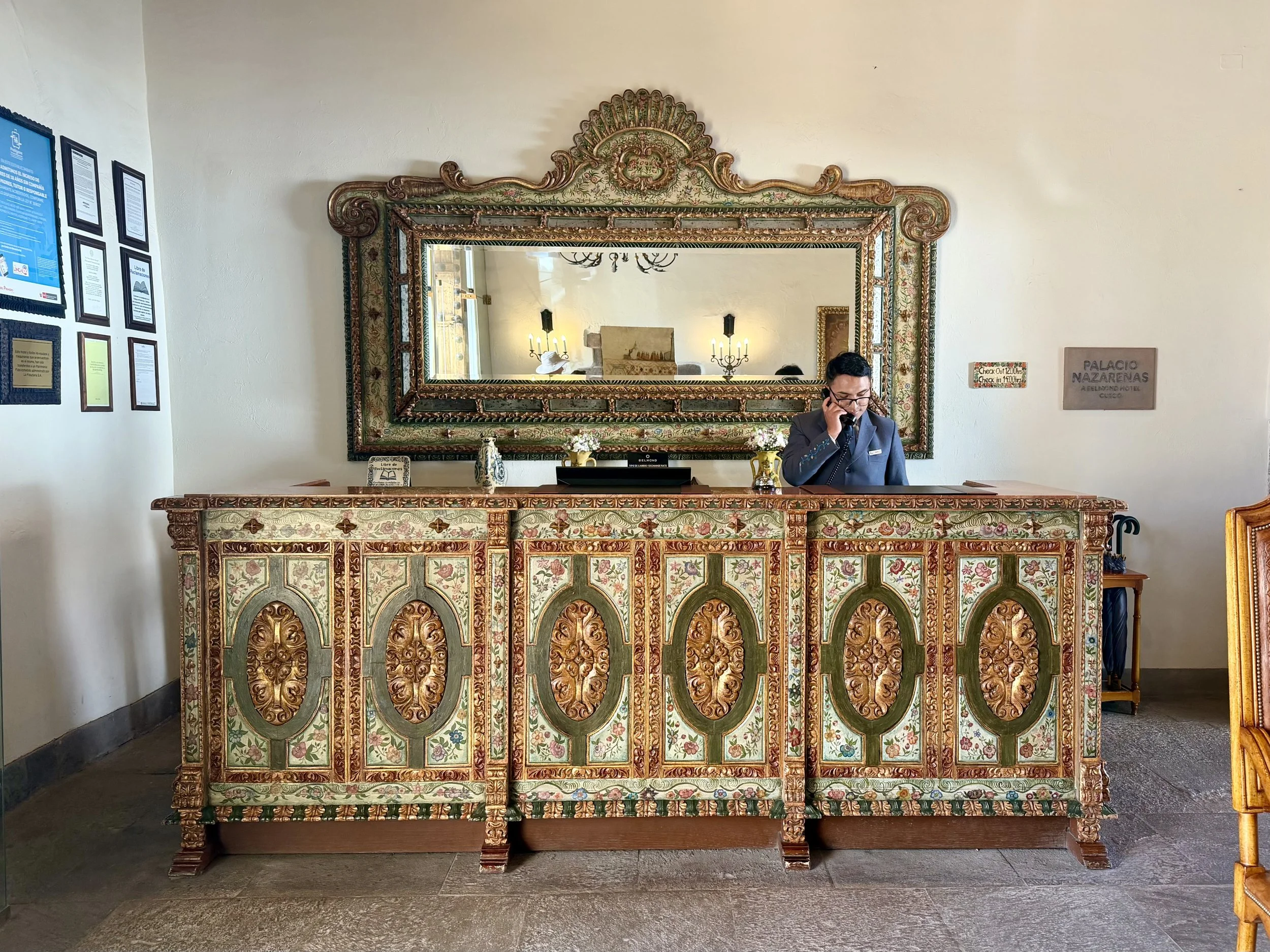
On Amy’s last afternoon in Cusco, we wandered over to Plaza de la Nazarenas because I was curious to see the two Belmond hotels. Monasterio was a former Jesuit seminary, and Palacio Nazarenas was once a convent. Belmond was previously called Orient-Express Hotels and is currently owned by the parent company of Louis Vuitton. So it felt especially luxurious to have drinks at the Monasterio, relaxing in the beautiful courtyard with a 300-year-old cedar tree.
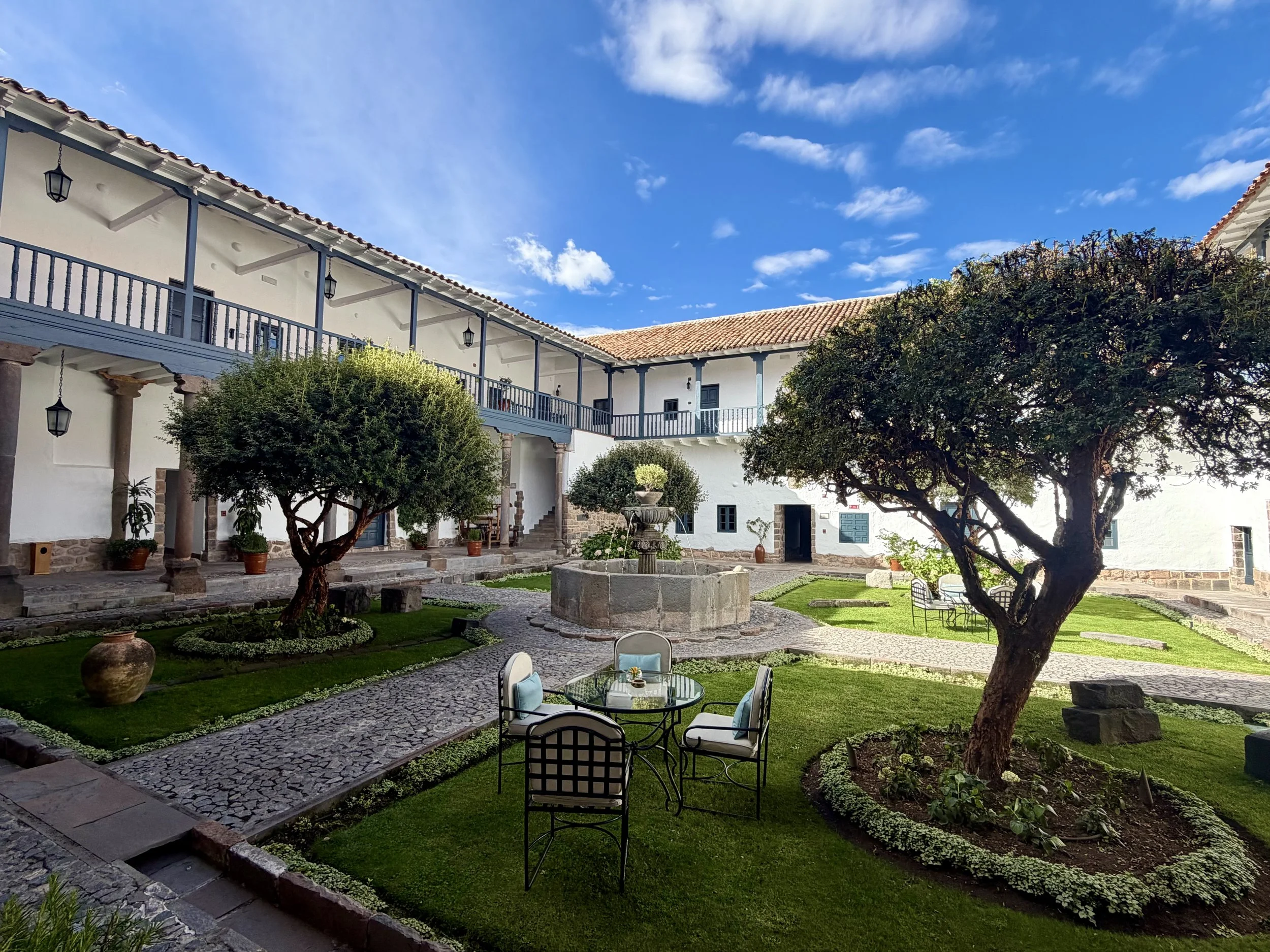
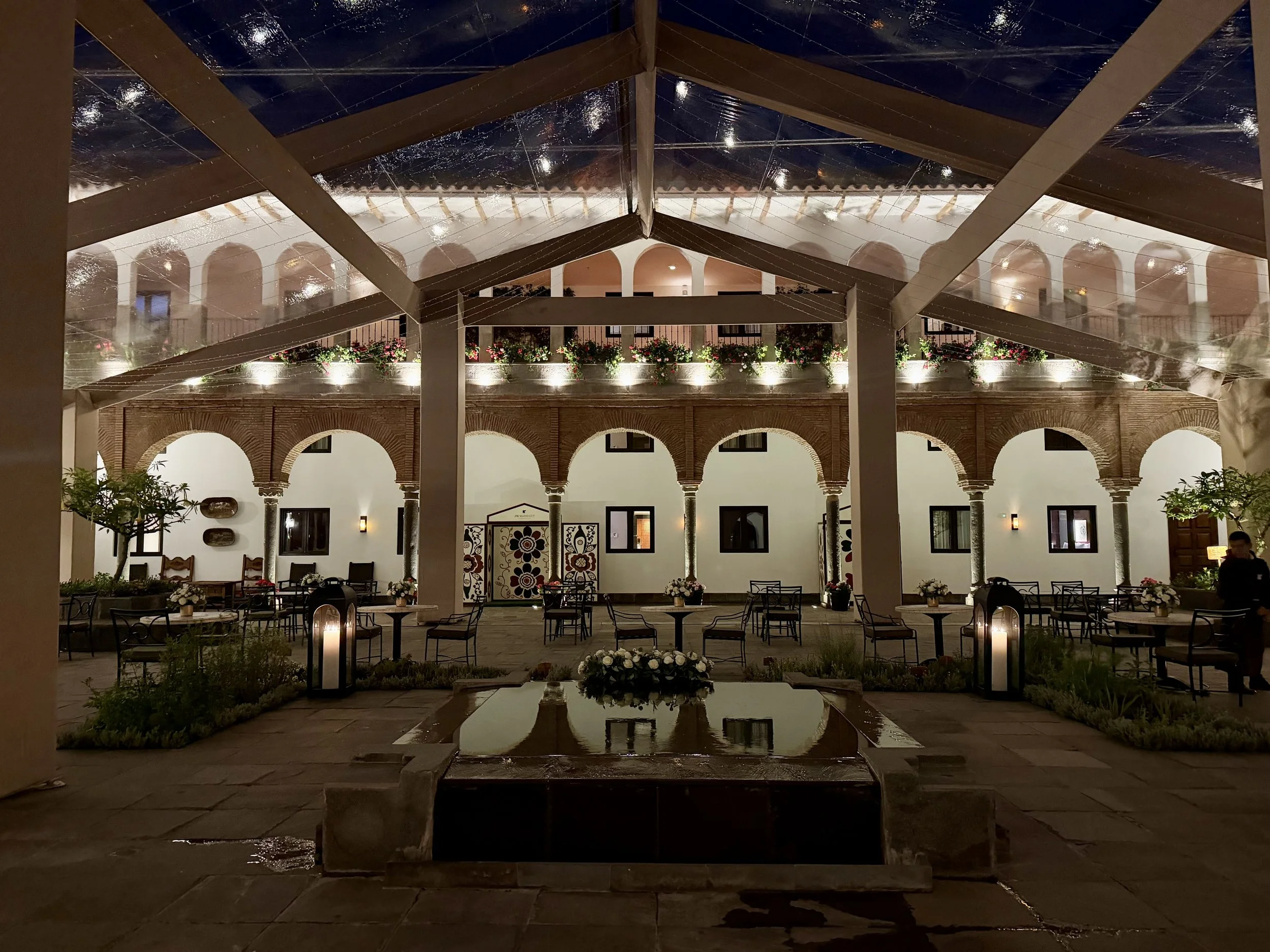
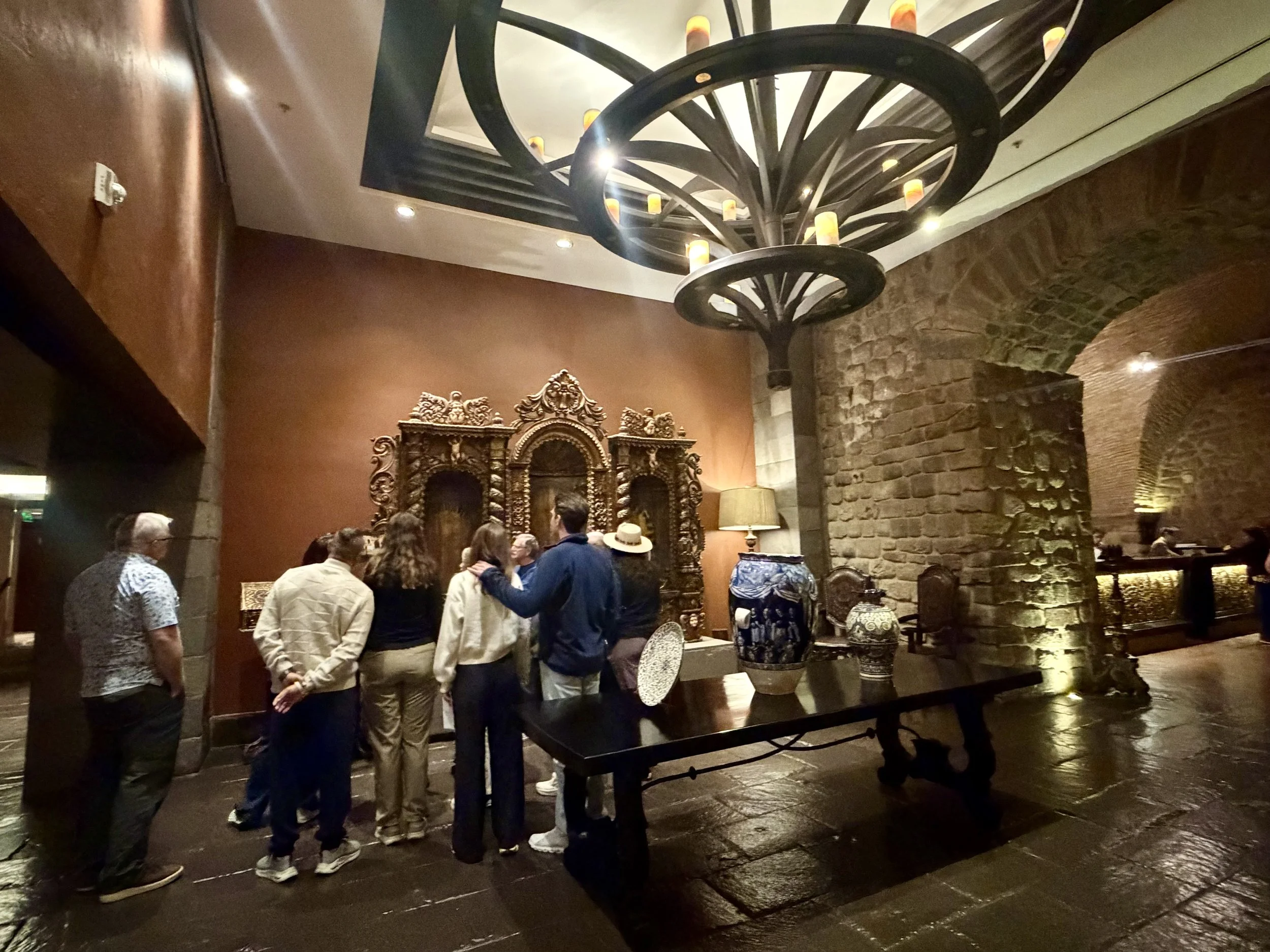
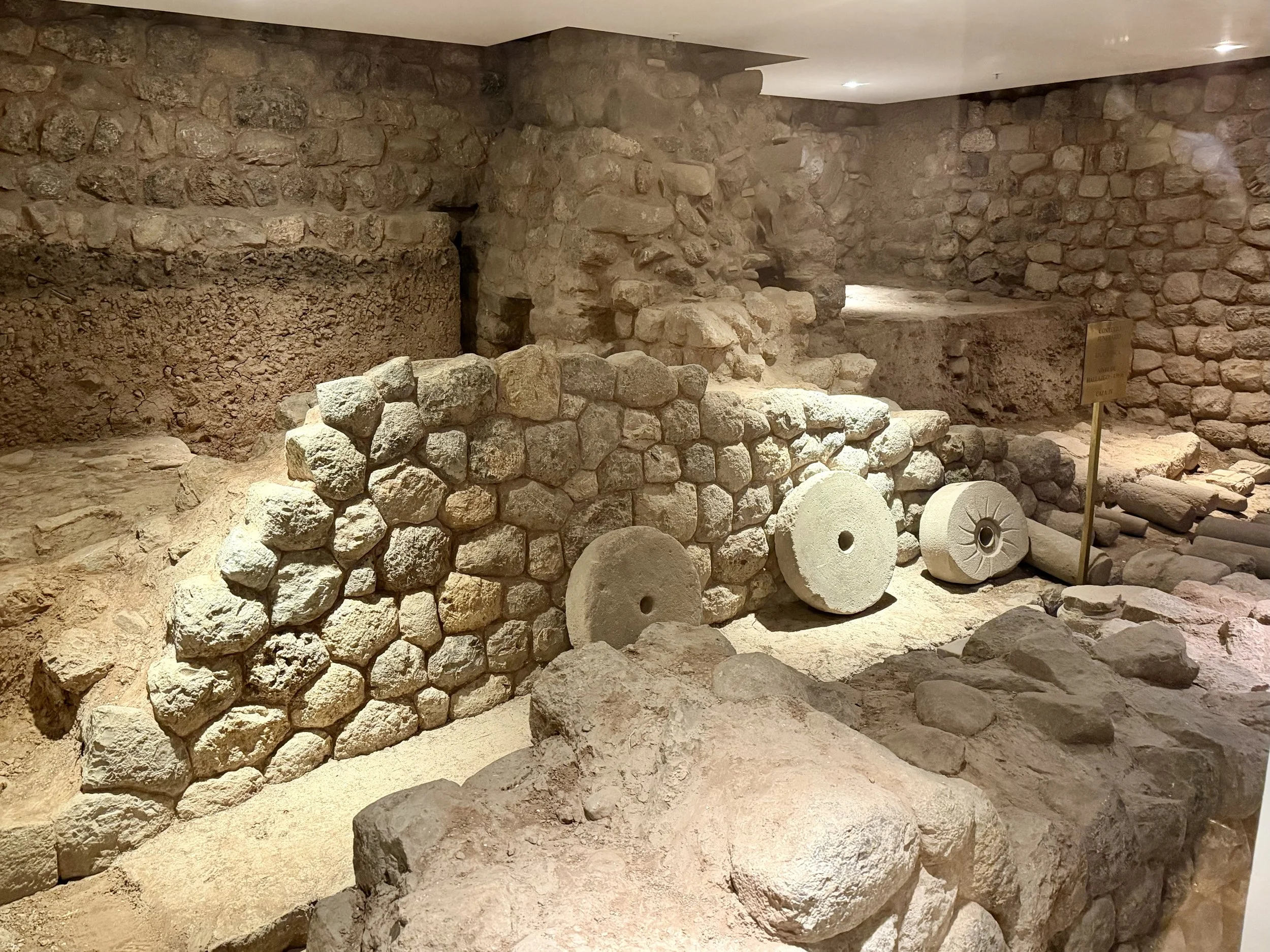
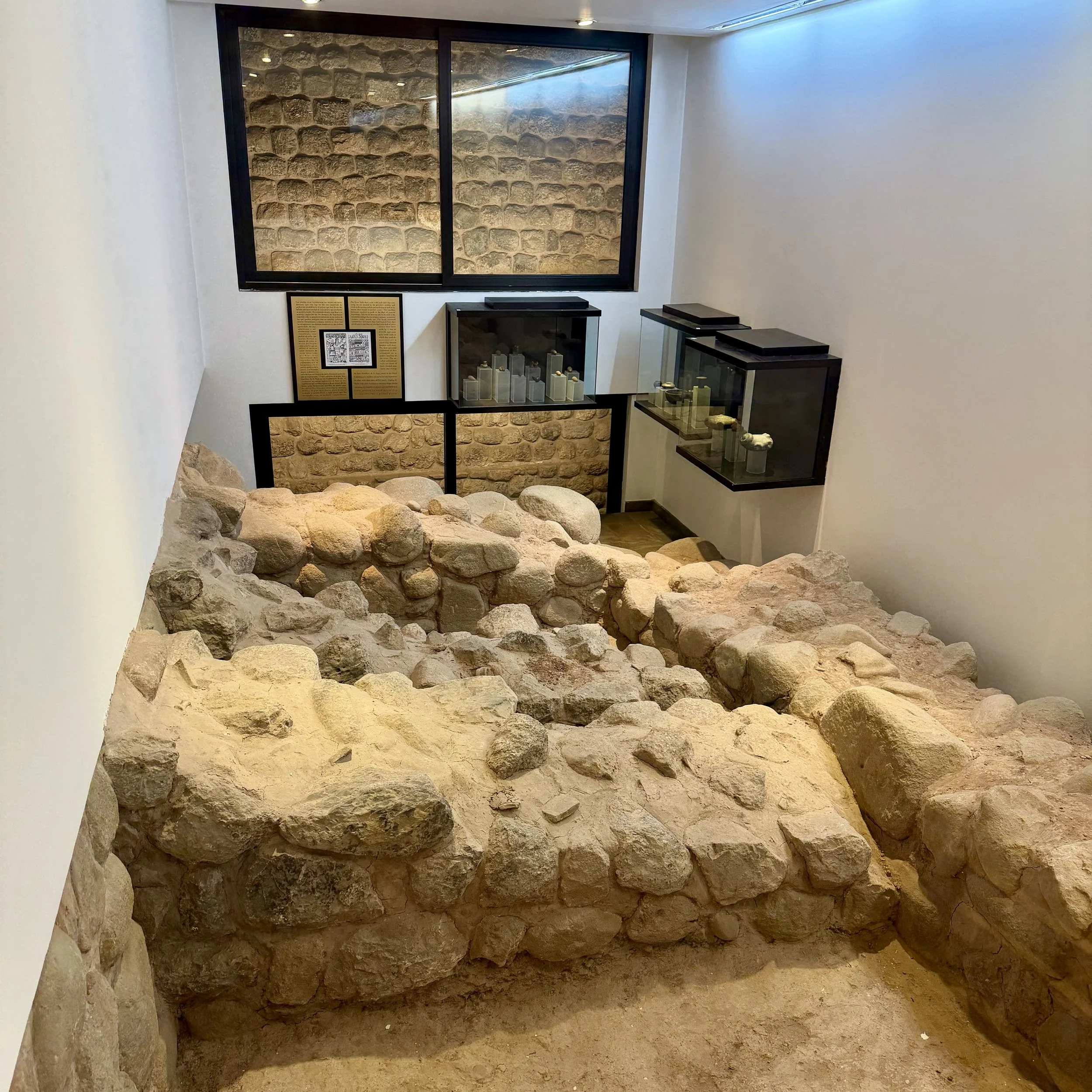
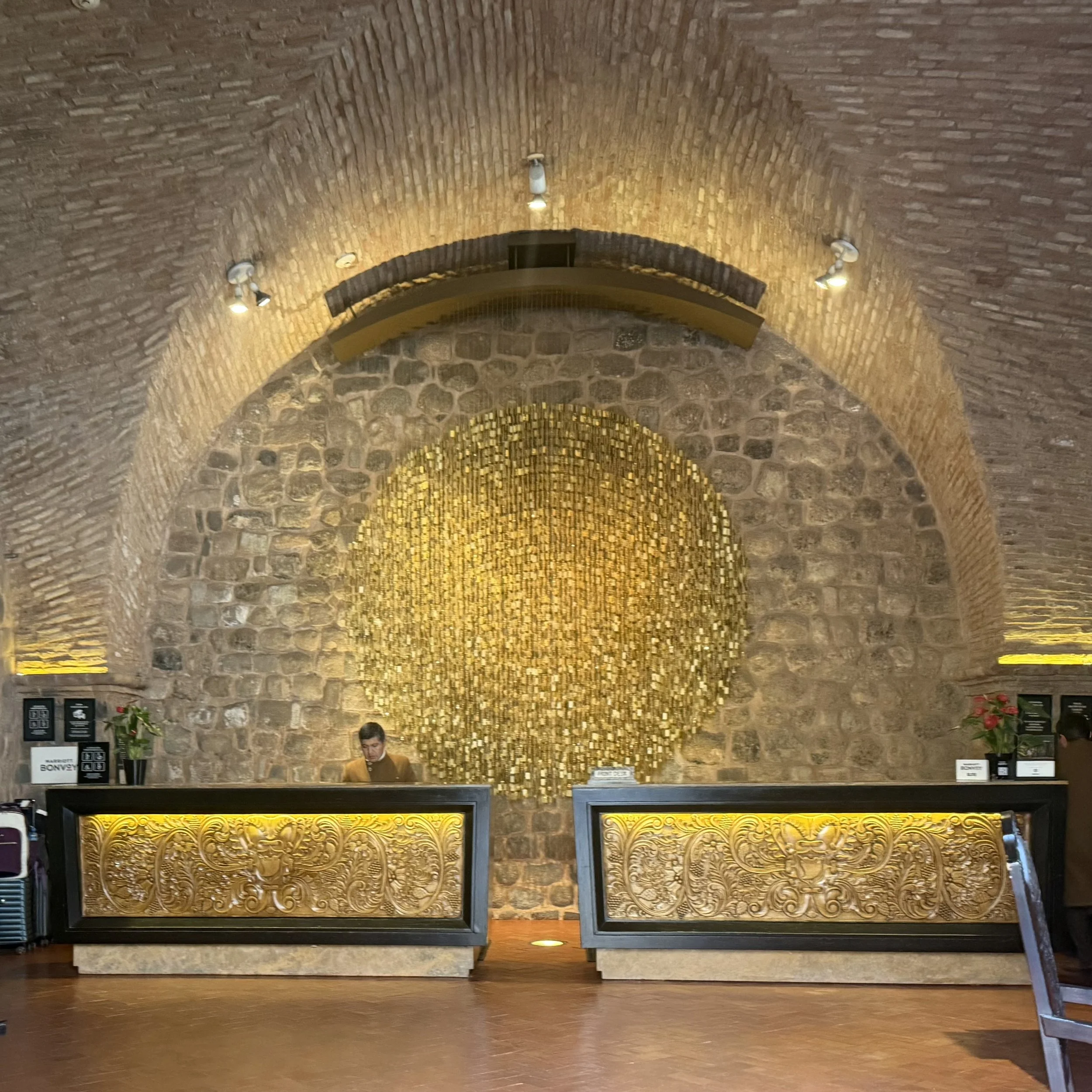
After Amy had returned to New York City, Steve and I stayed at the JW Marriott El Convento Cusco, which (as the name implies) had once been a 16th-century convent. On a guided tour of the hotel, we learned that the building had been used as a bakery and a chocolate factory before Marriott acquired and restored it in 2006. Only a small portion of the original convent could be preserved, including the vaulted brick ceilings and the courtyard with its beautiful colonnade. Below street level, the hotel rooms looked out onto old Inca walls, and there were two glassed-in areas with stone foundations and artifacts found onsite from the Killke culture that predated the Incas. My favorite artwork in the JW was behind the reception desk - a magnificent Inca sun made from 76,500 suspended Swarovski crystals!