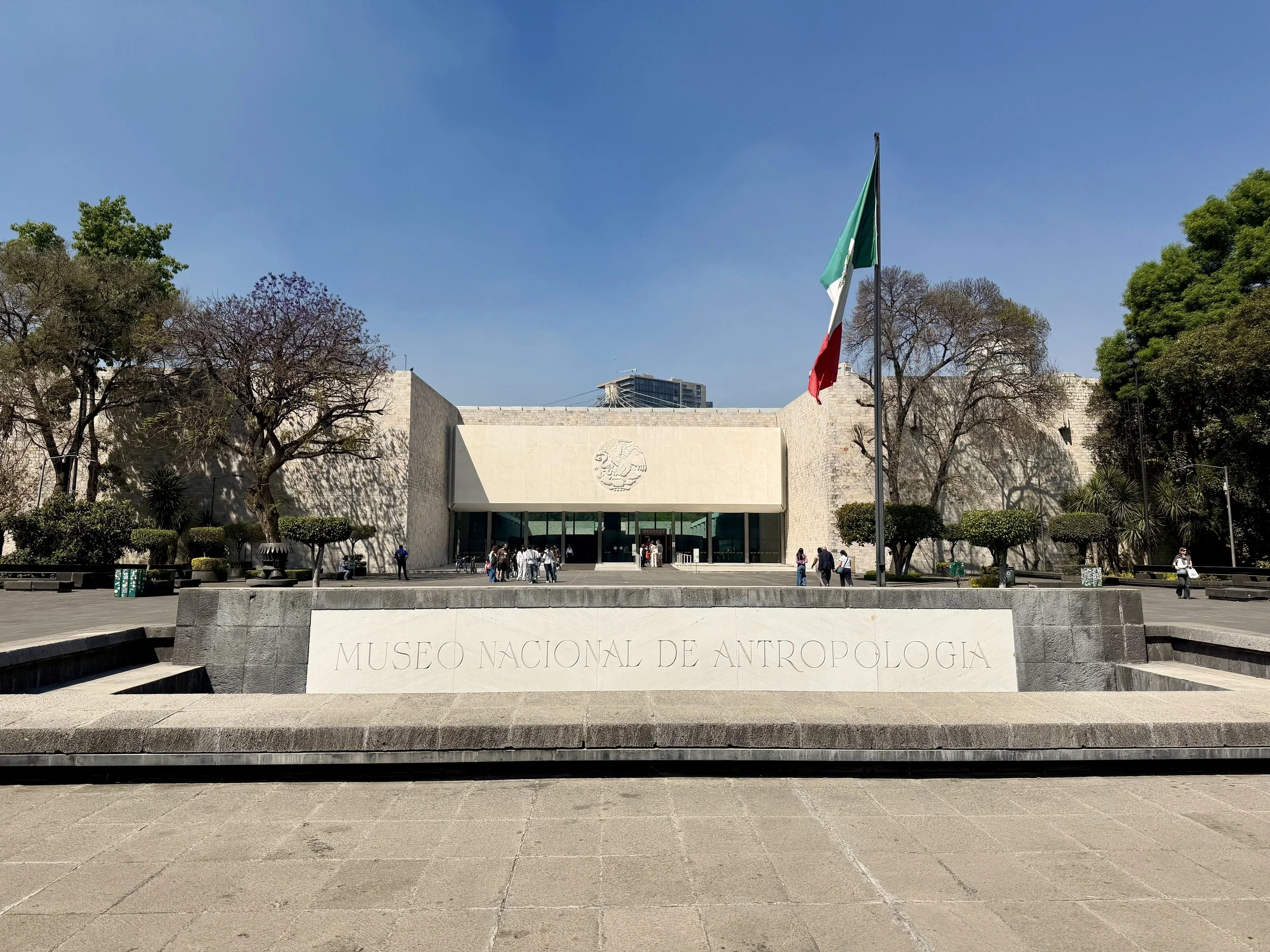
On our last full day in Mexico City, we explored its largest and most visited museum, the Museo Nacional de Antropología (National Museum of Anthropology), or MNA. The museum houses artifacts from Mexico’s people and culture prior to becoming a Spanish viceroyalty.
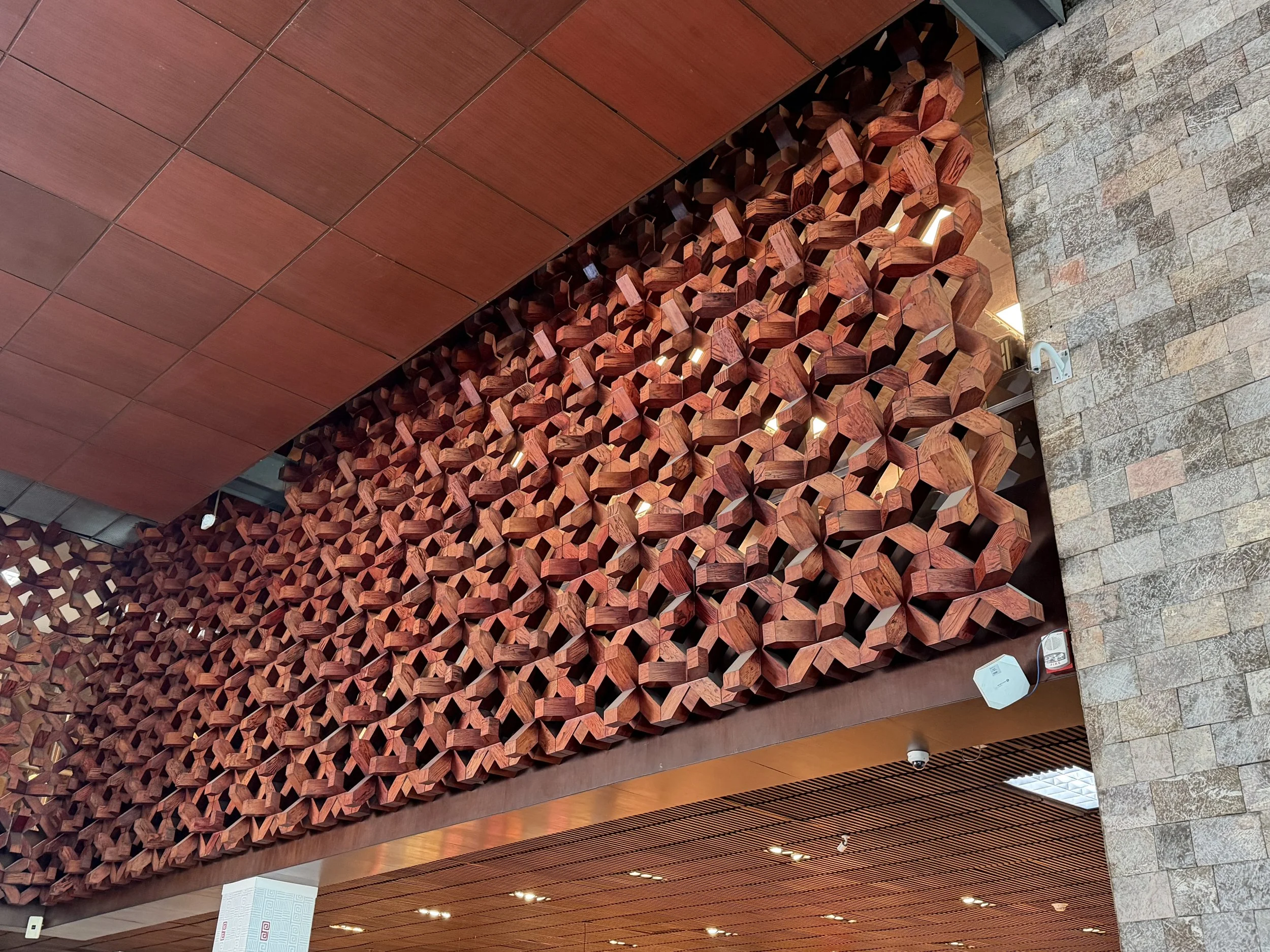
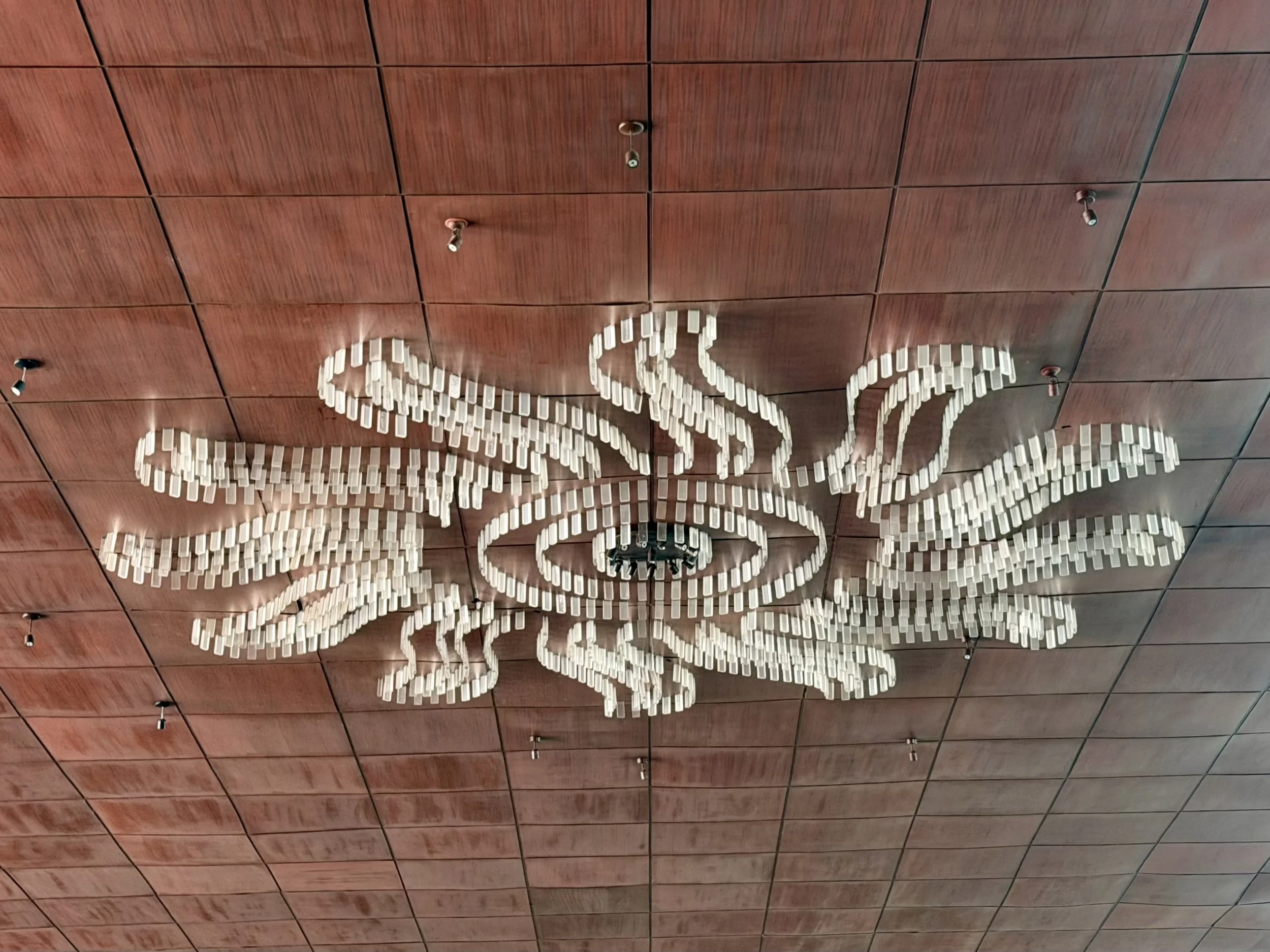
MNA is in Chapultepec Park, in a Brutalist-style building built in 1964. I was pleased to see the large spaces made more interesting with different materials and textures, accented with striking three-dimensional geometric patterns. In the huge inner courtyard was a concrete fountain called El Paraguas (The Umbrella).


With a museum this enormous (covering twenty acres!), we knew we should focus on just a few sections. The exhibits were arranged by civilization; we decided to focus on just three of the ten halls.
Mexica
The largest hall showcased the indigenous people who called themselves Mexica (meh-SHEE-kah). They established what is known today as the Aztec Empire.
The Mexicas were an advanced culture, with sophisticated military organization, agricultural techniques, architecture, and art. They controlled a large empire by having cities pay tribute. They worshipped multiple deities and conducted elaborate religious ceremonies; they considered human sacrifice essential to maintaining the balance of the universe. The Mexica ruled central Mexico from around 1300 until 1521, when they were conquered by the Spanish and their indigenous allies. The Mexica Empire had a surprisingly short lifespan, given its great influence and legacy.
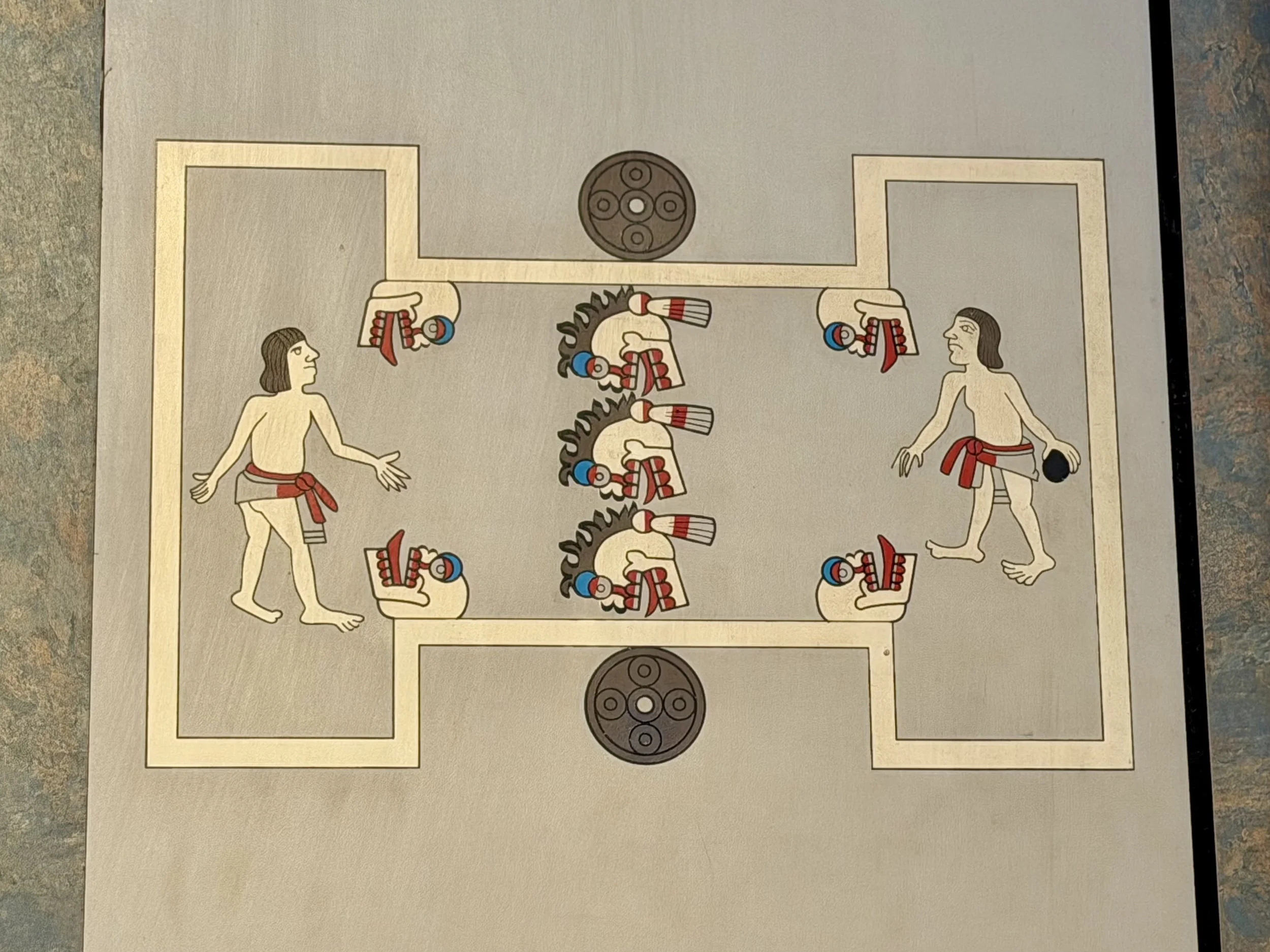
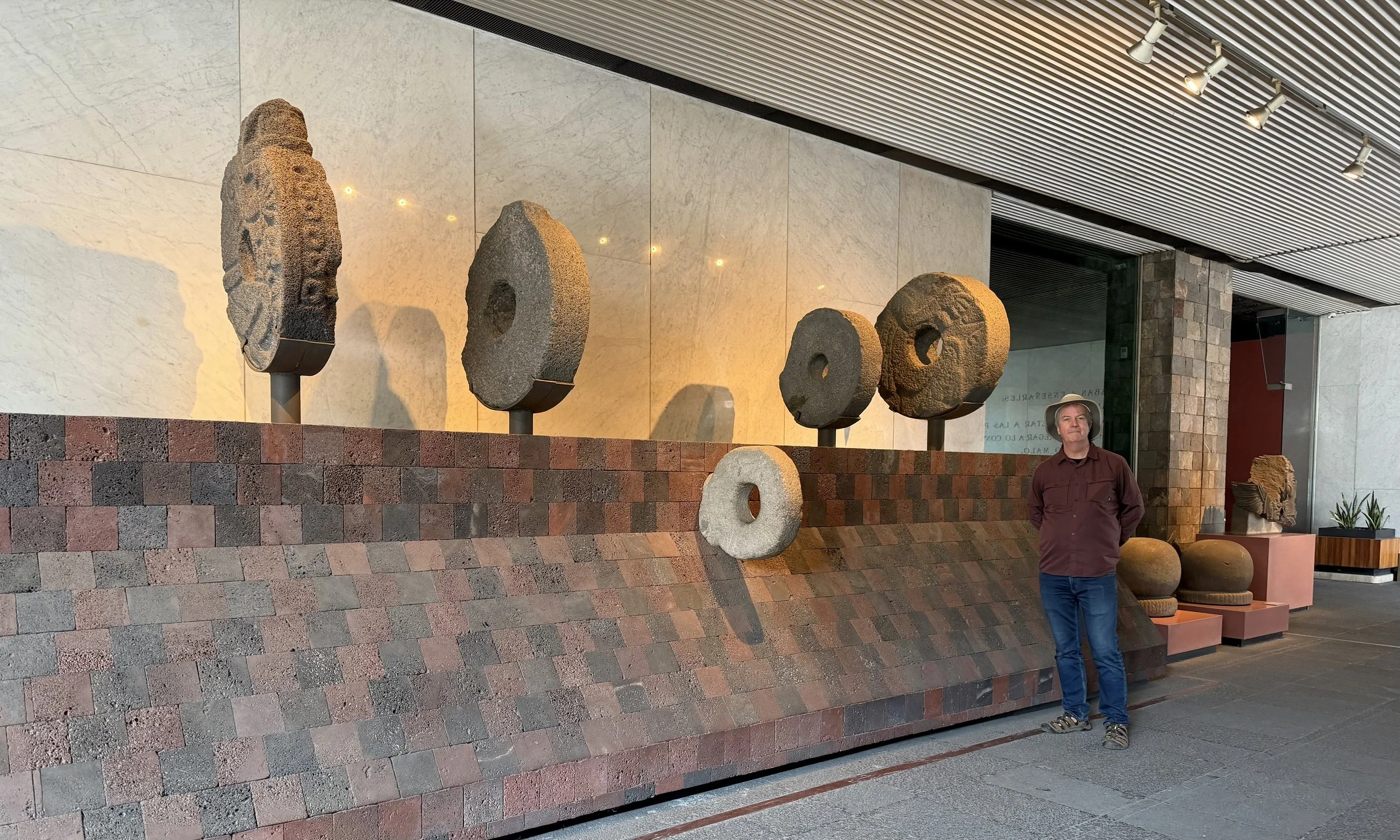
Just outside the hall was an exhibit about the Mexicas’ sacred ball game. It was played with a rubber ball on a small court with sloped walls. The players used their hips and forearms to hit the ball through stone rings on the north and south ends of the court. When a play was made that went against the movement of the sun, the player was decapitated. Talk about a stiff penalty for a committing a foul!
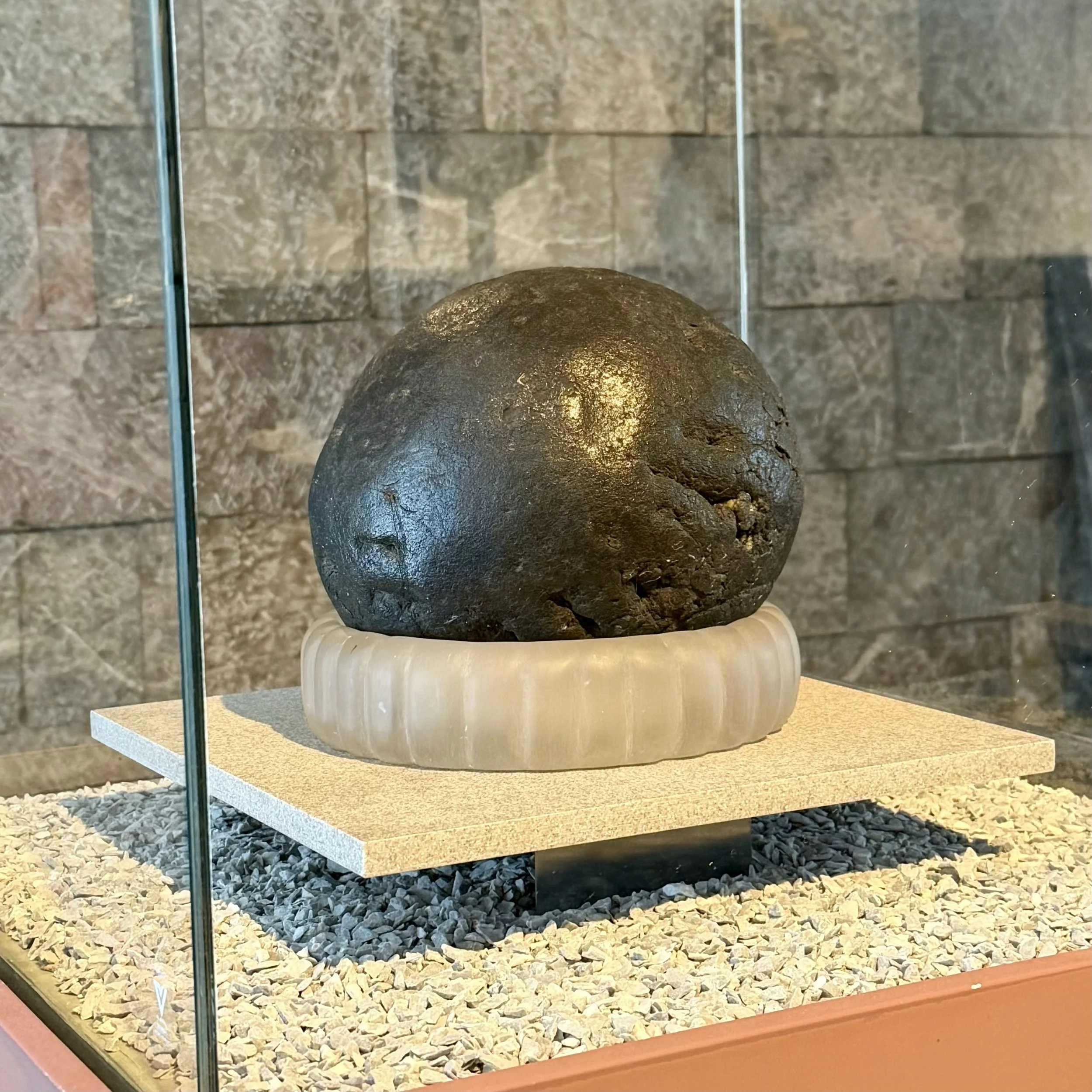
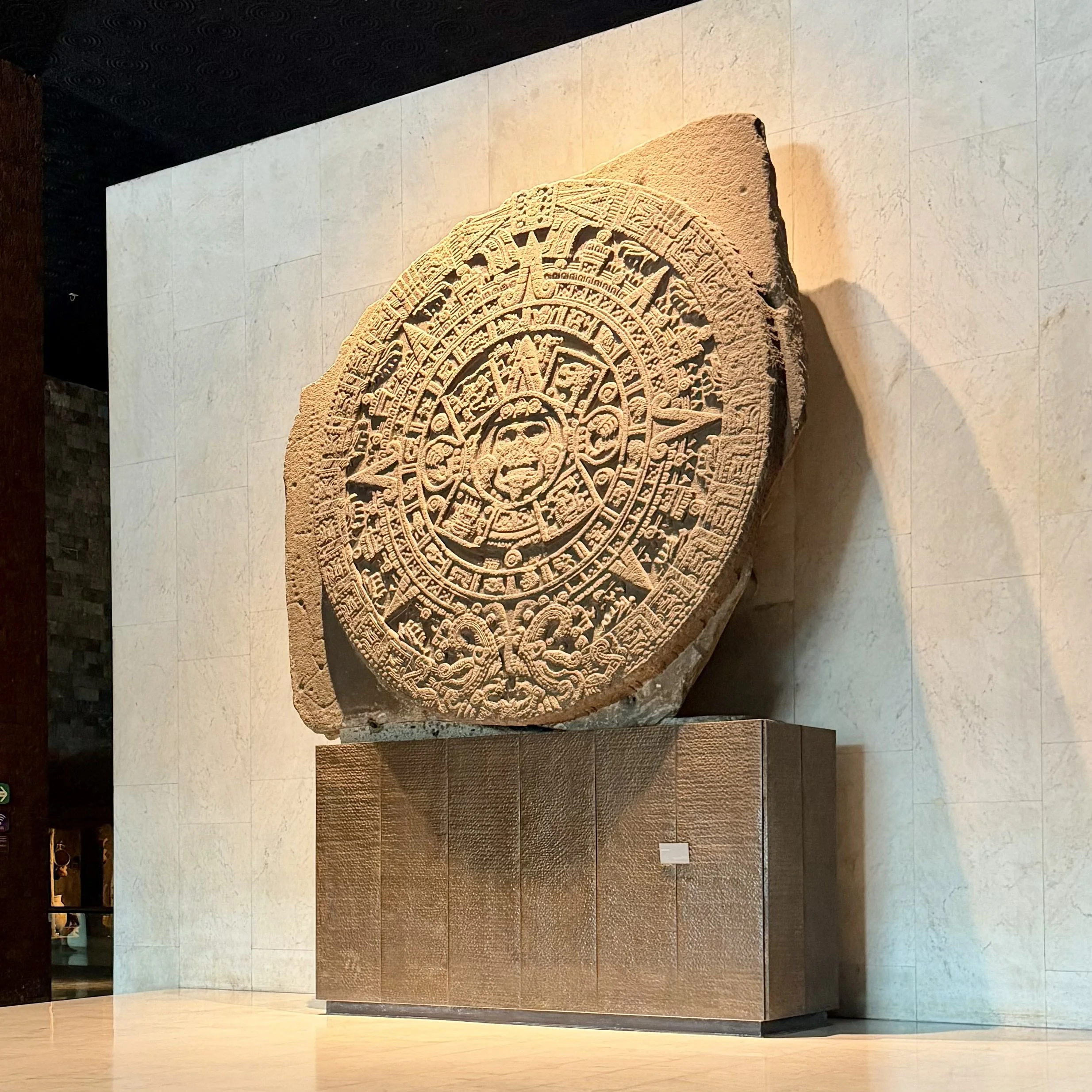
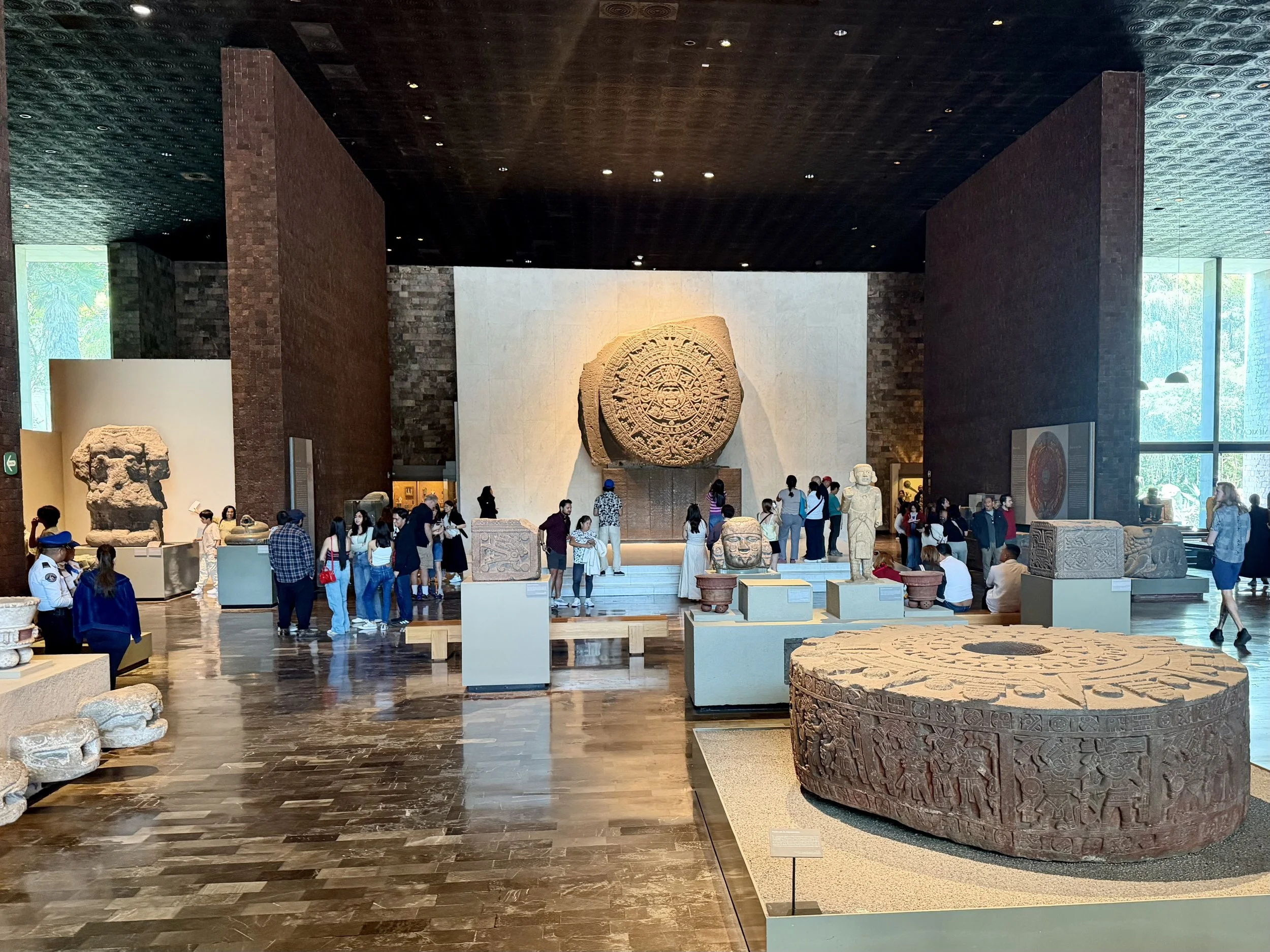
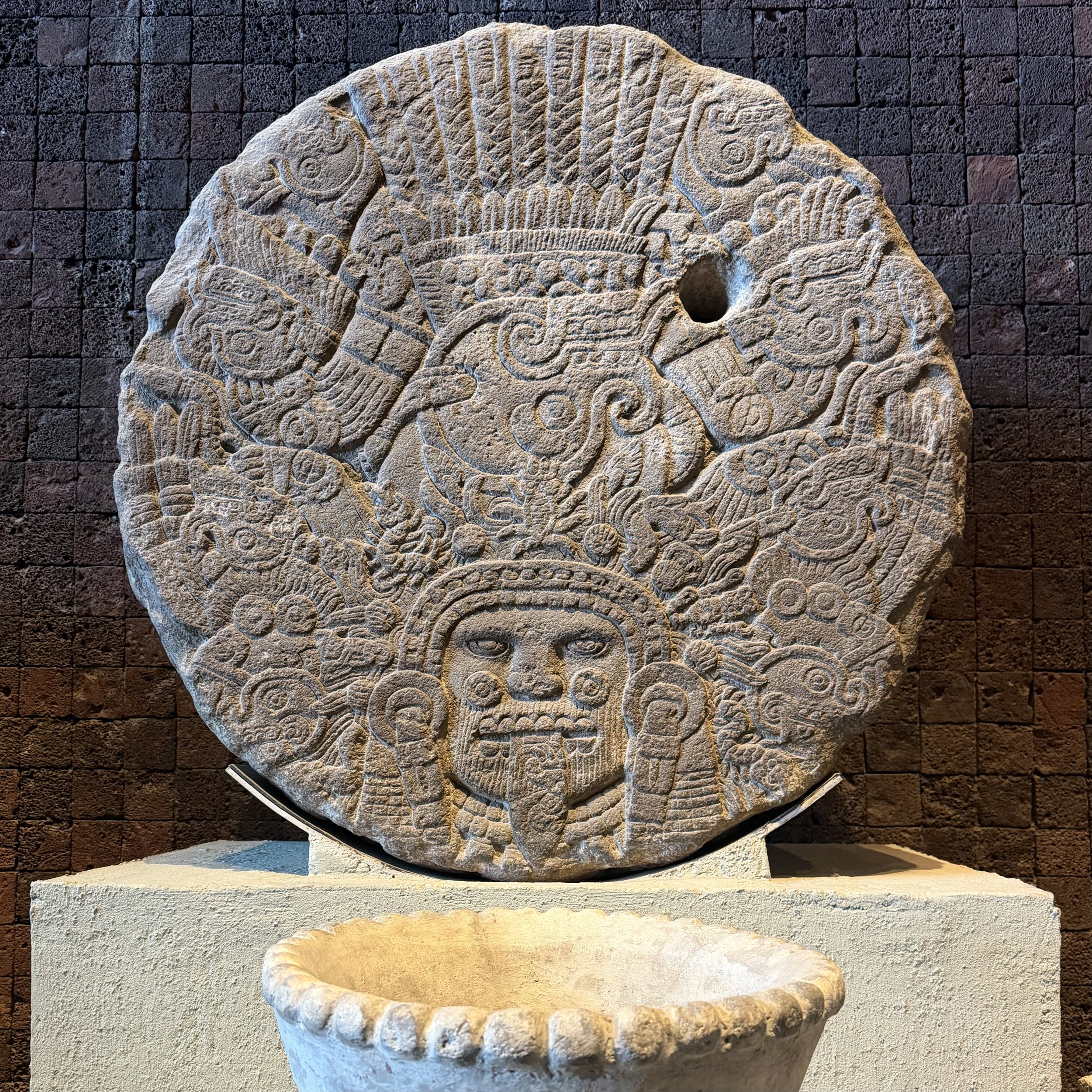
The most famous Mexica artifact was the Stone of the Sun, a carved basalt disc with monumental proportions (12 feet in diameter and 3 feet thick). At the center was the sun deity, its tongue shaped like a sacrificial knife, holding a human heart in each hand. It was previously thought to be an Aztec Calendar, because of the symbols illustrating the history of the universe. But now we know it was a sacrificial altar on which prisoners were forced to fight elite Mexica warriors.
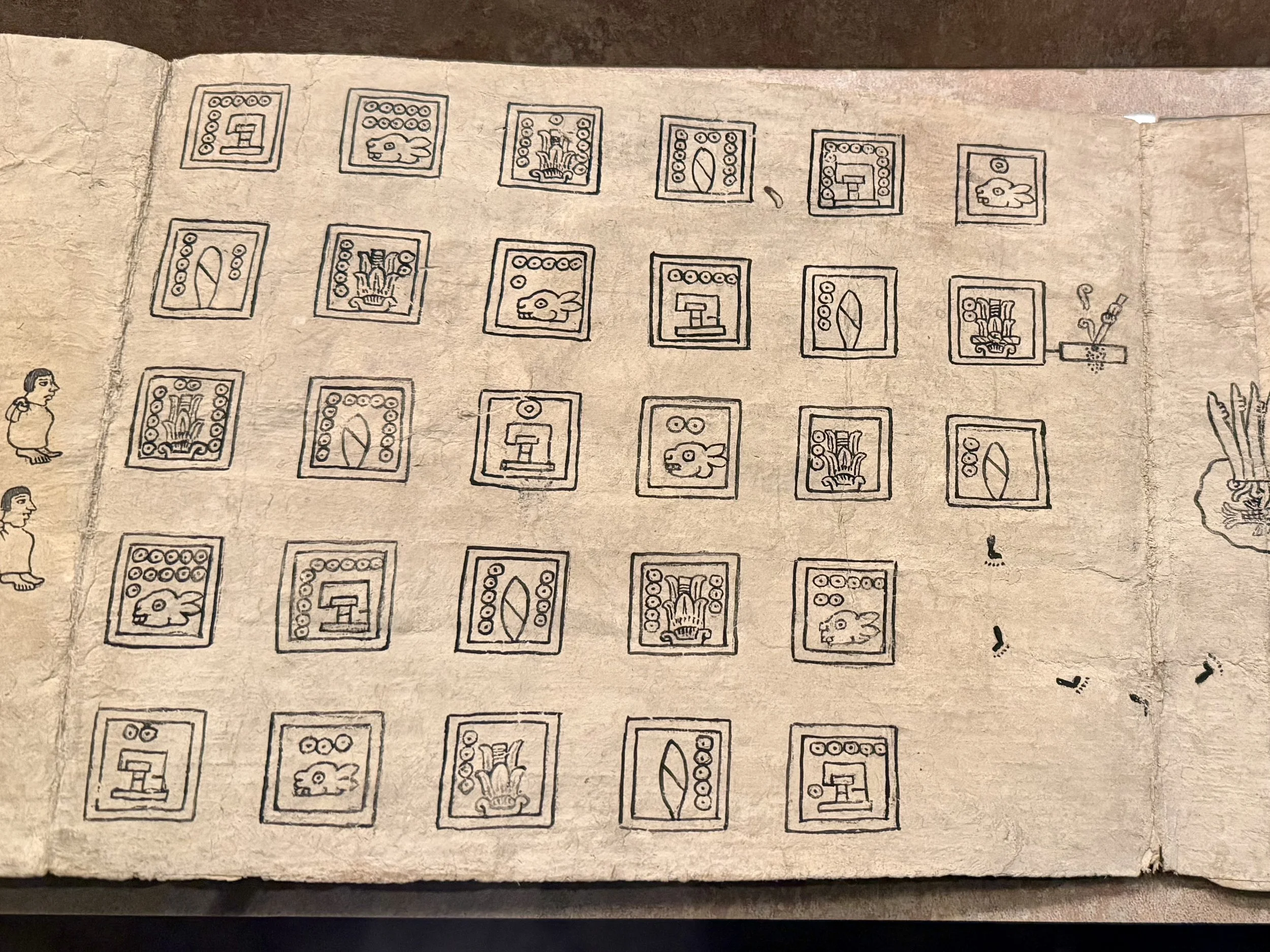
My favorite object was the Tira de la Peregrinación de los Mexica (Tale of the Mexica Migration), also known as the Codex Boturini. It was a pictorial manuscript on a very long sheet of bark paper, folded like an accordion. It was probably created around the time of the conquest of the Mexica Empire in 1521. The drawings told the history of the 200-year migration of the Mexicas from their ancestral home Aztlán in the north to the central valley that is now Mexico City. When they saw the eagle eating a snake, perched on a cactus (the symbol at the center of the flag of Mexico), they knew they had found their new homeland. The drawings in the Codex were intriguing, and it was fun trying to decipher them. The full story of that epic journey is related HERE.
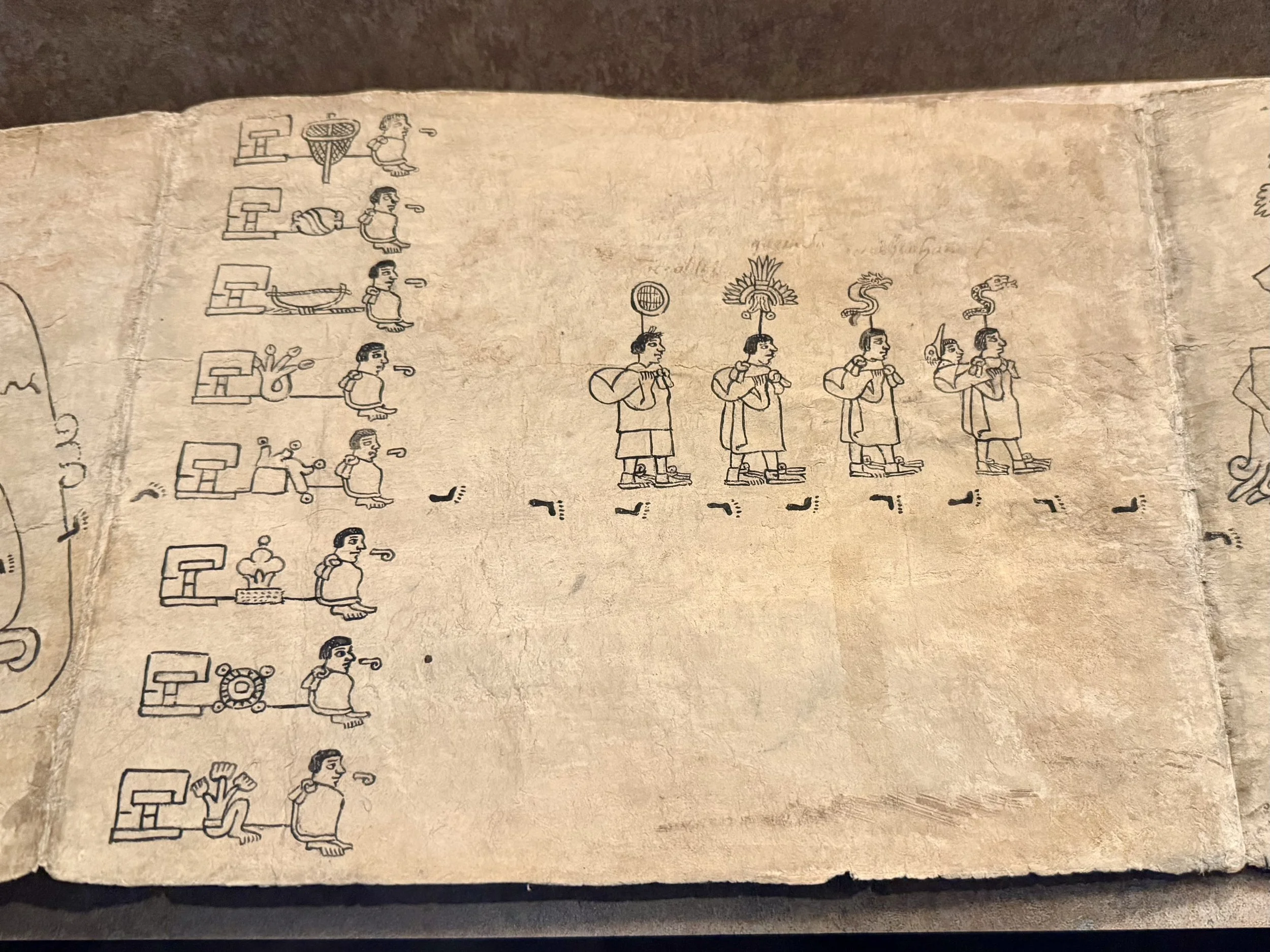
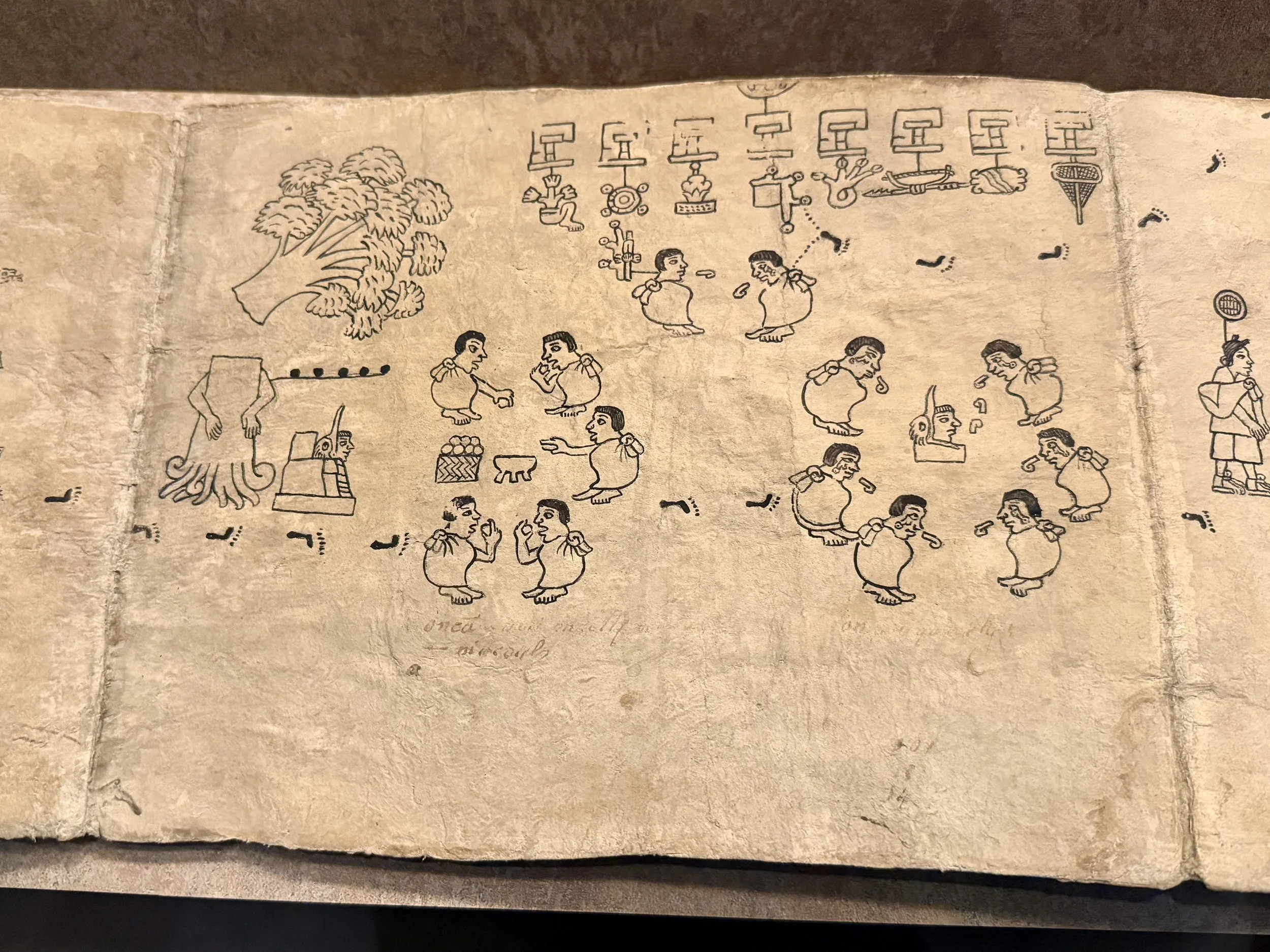
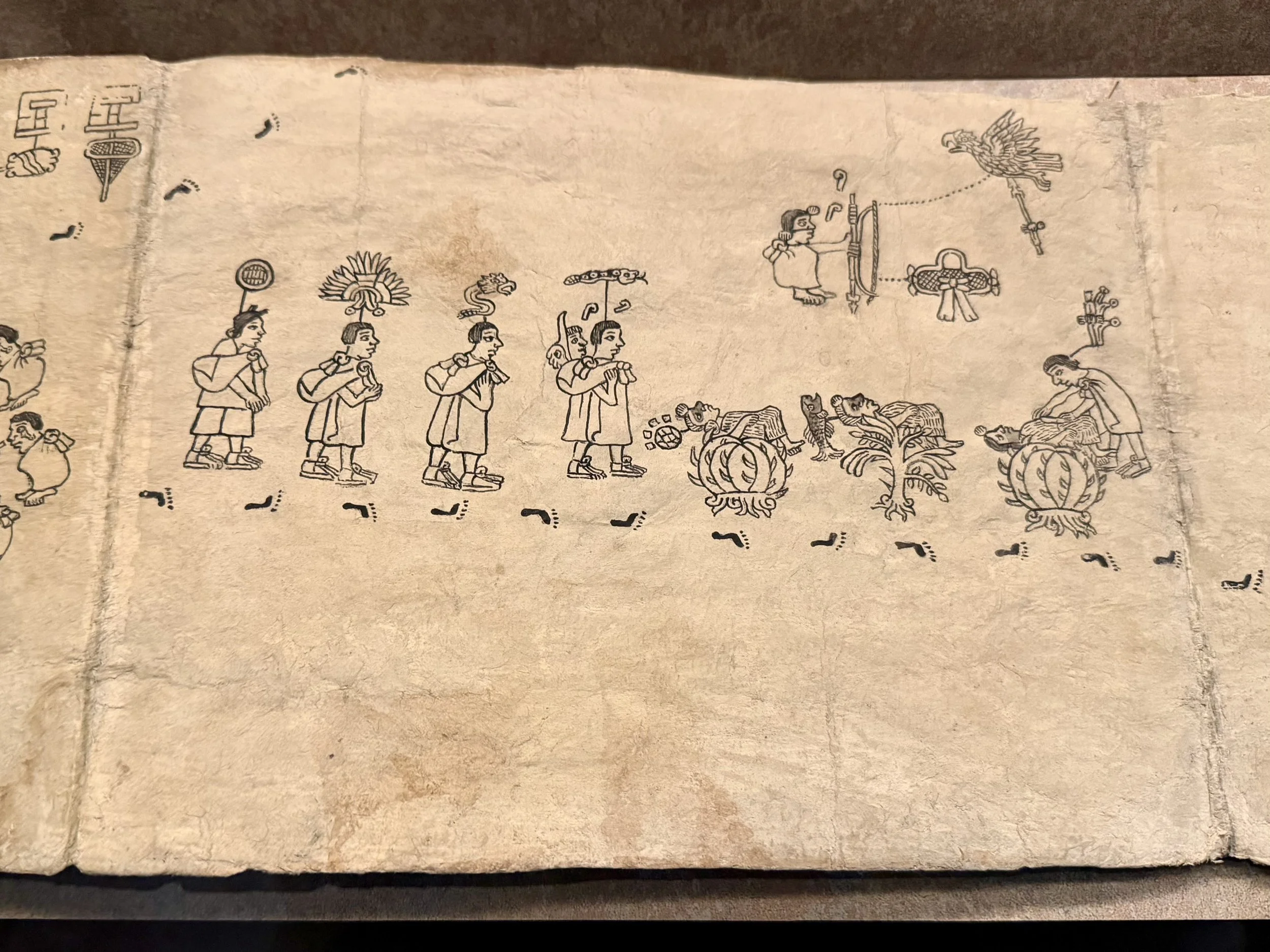
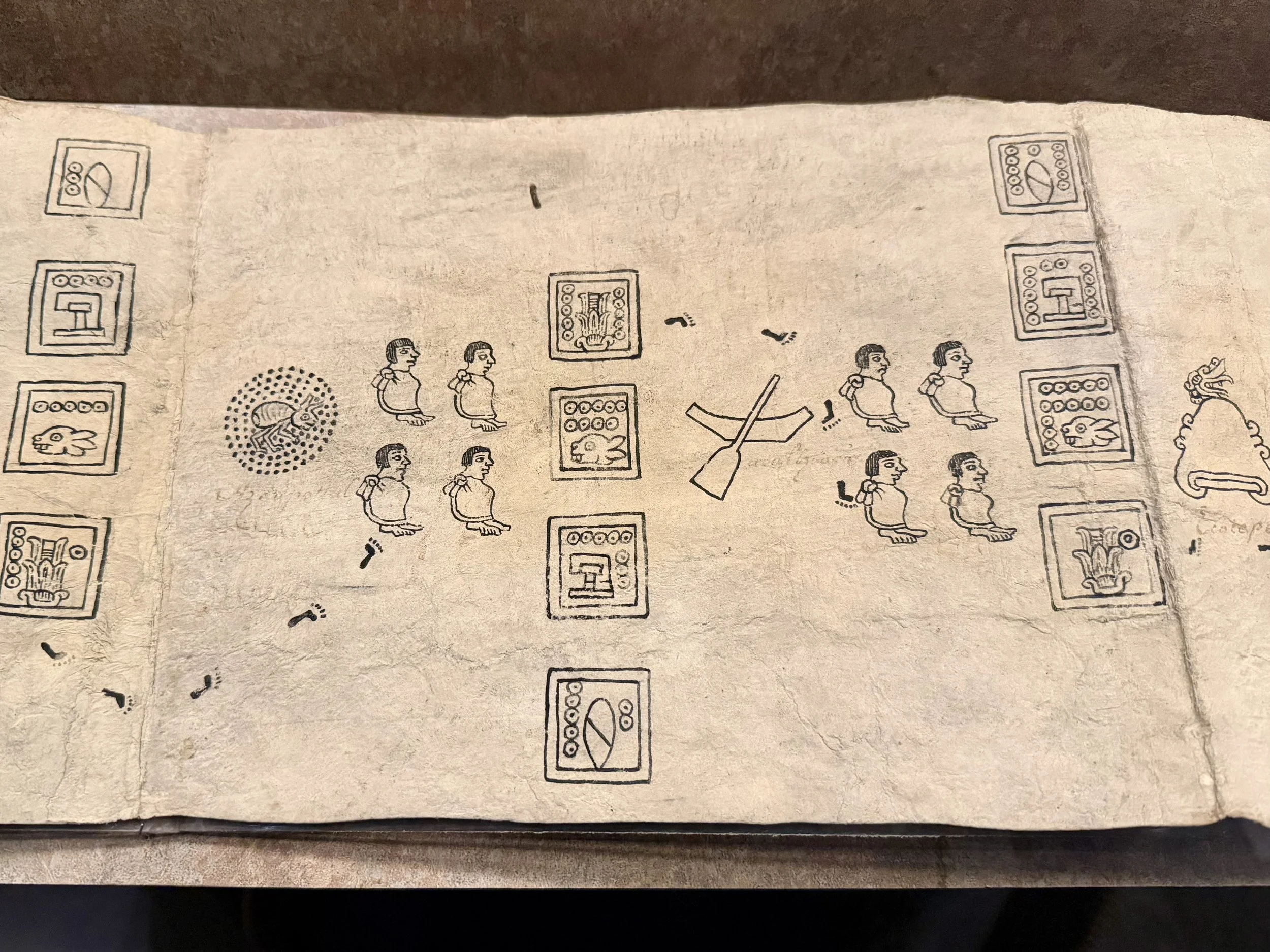
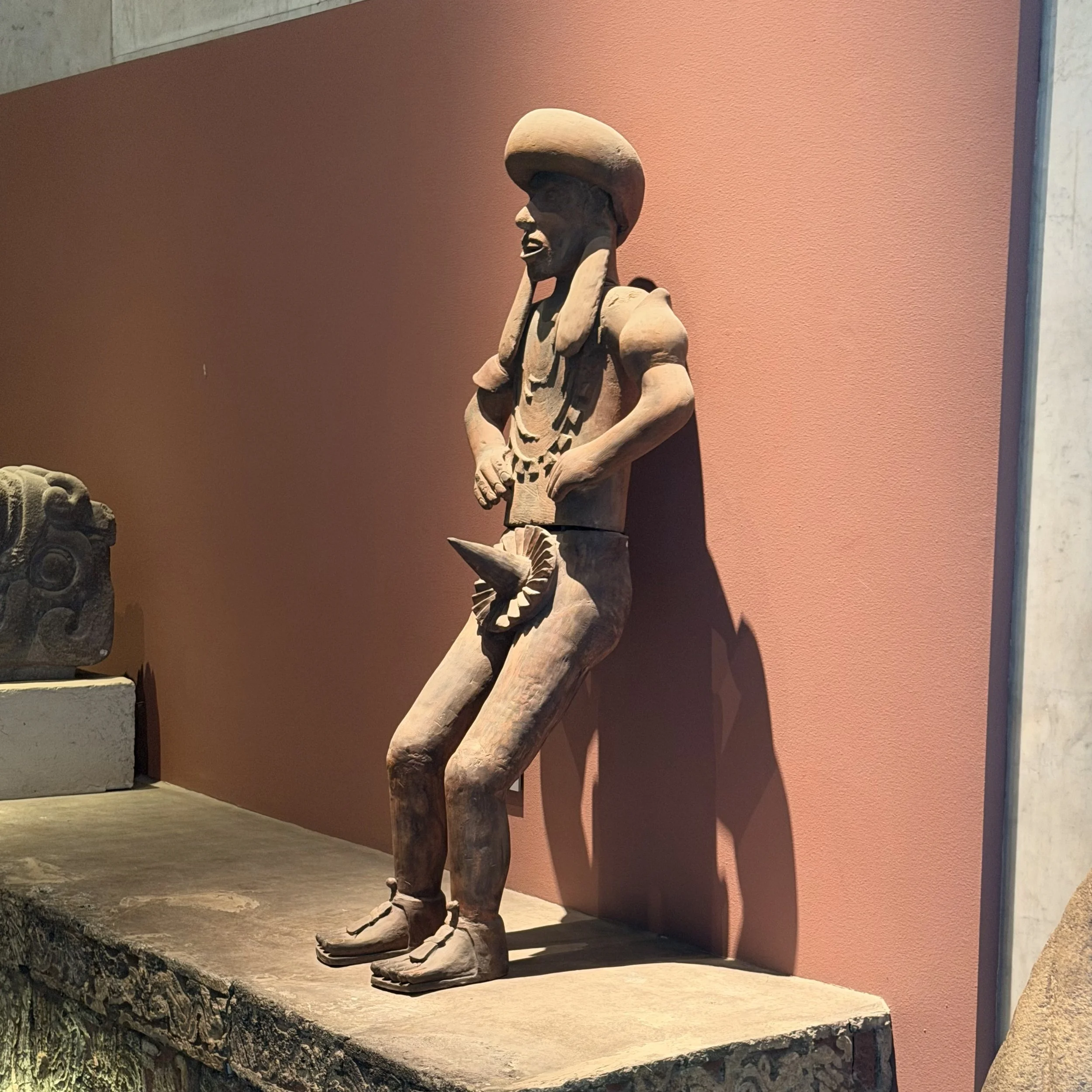
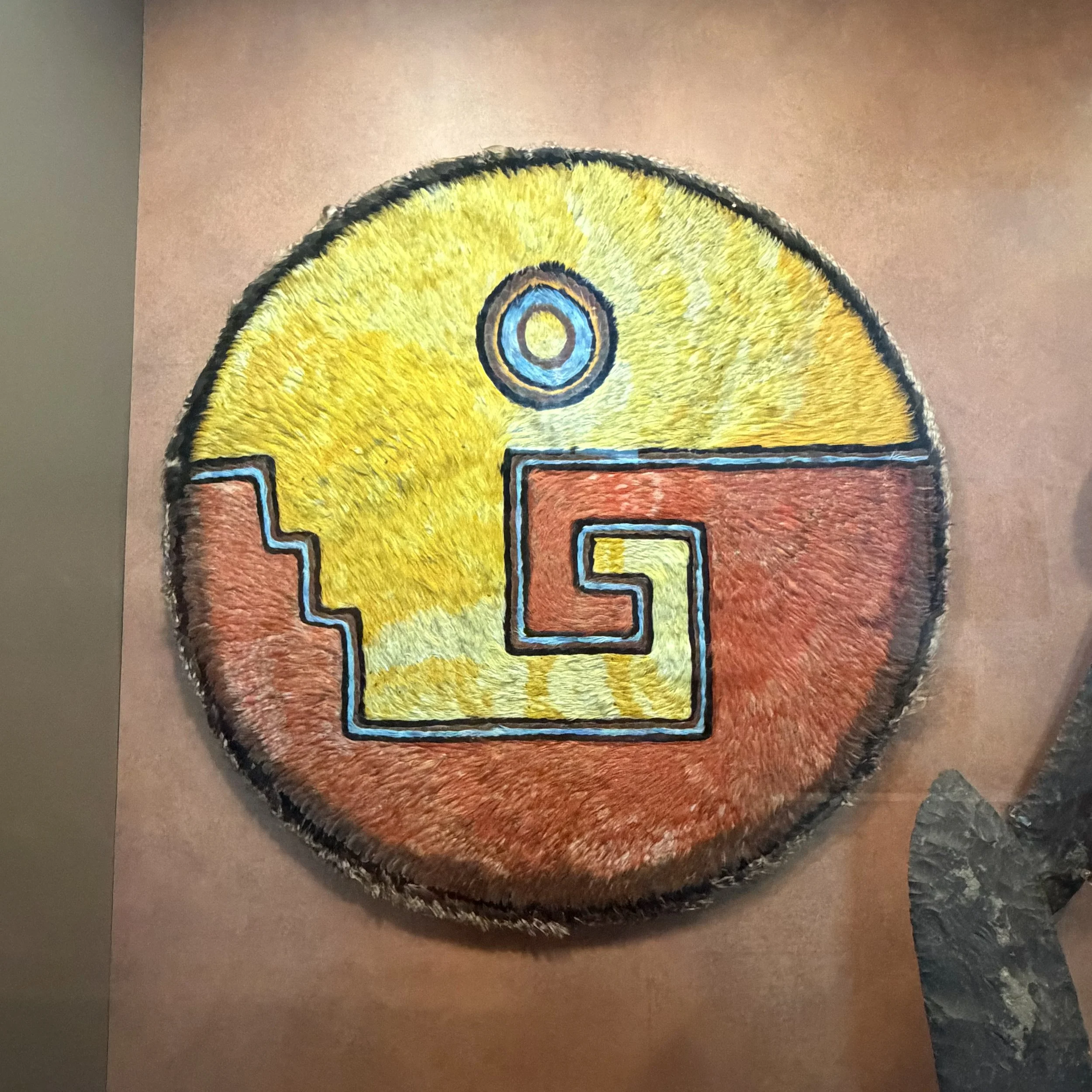
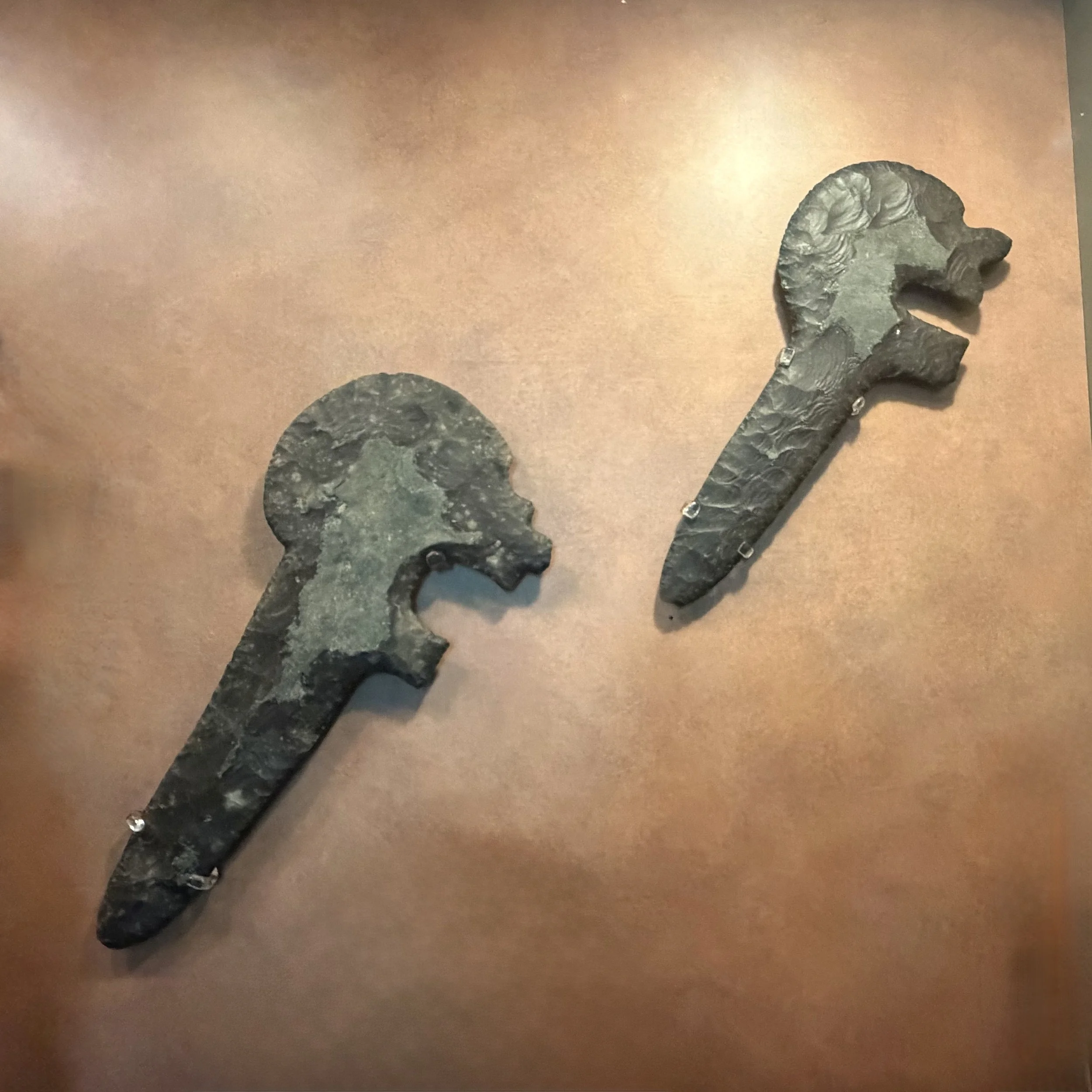
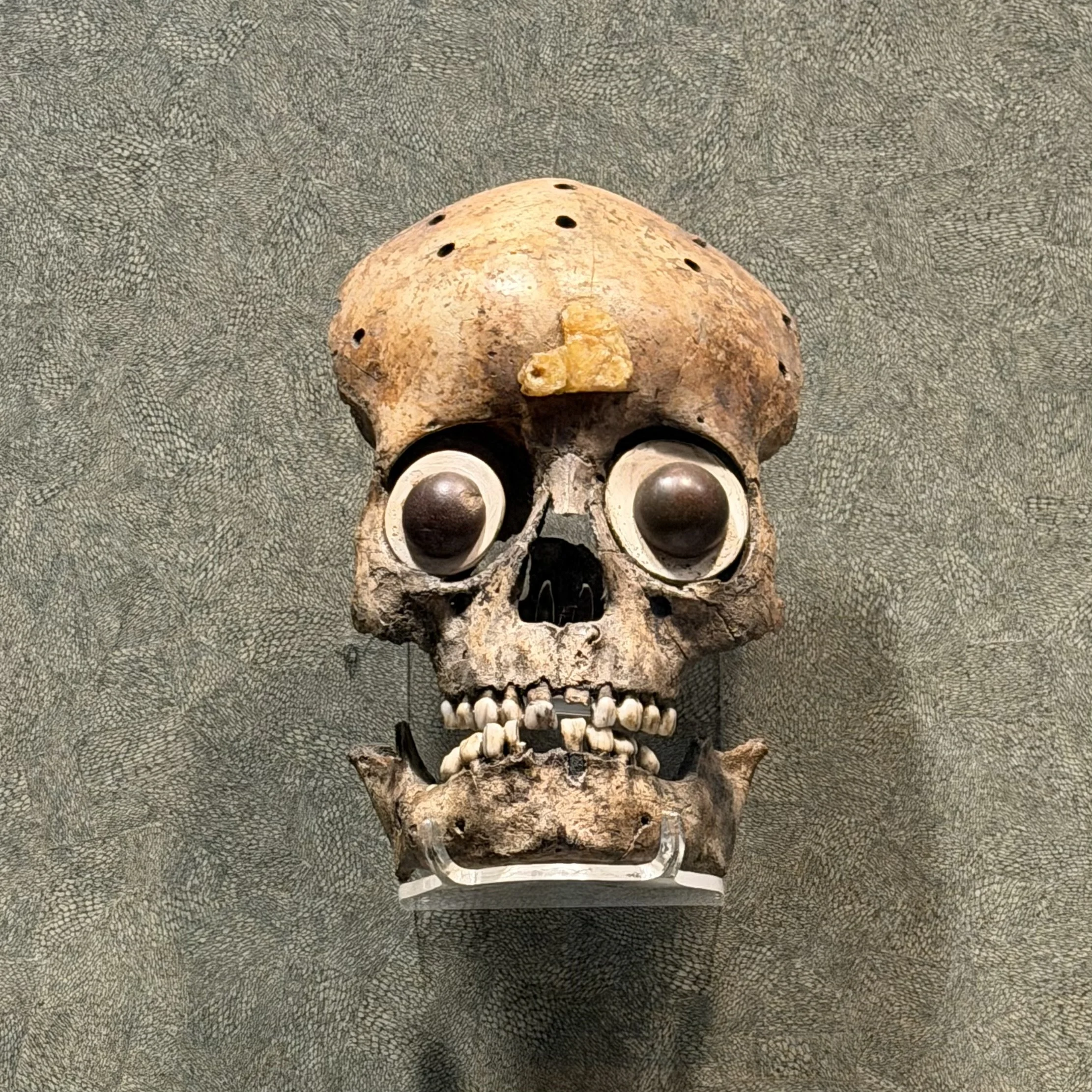
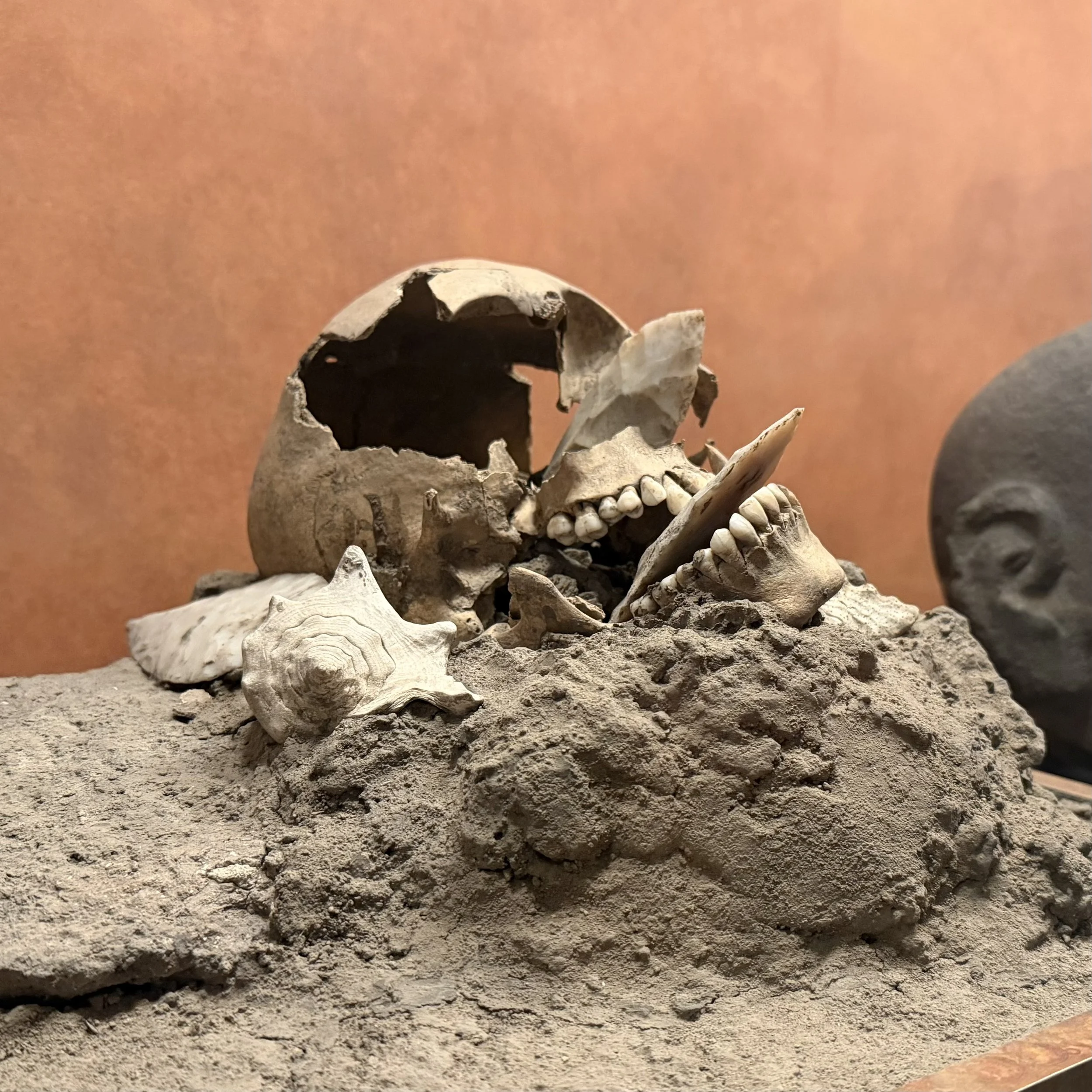
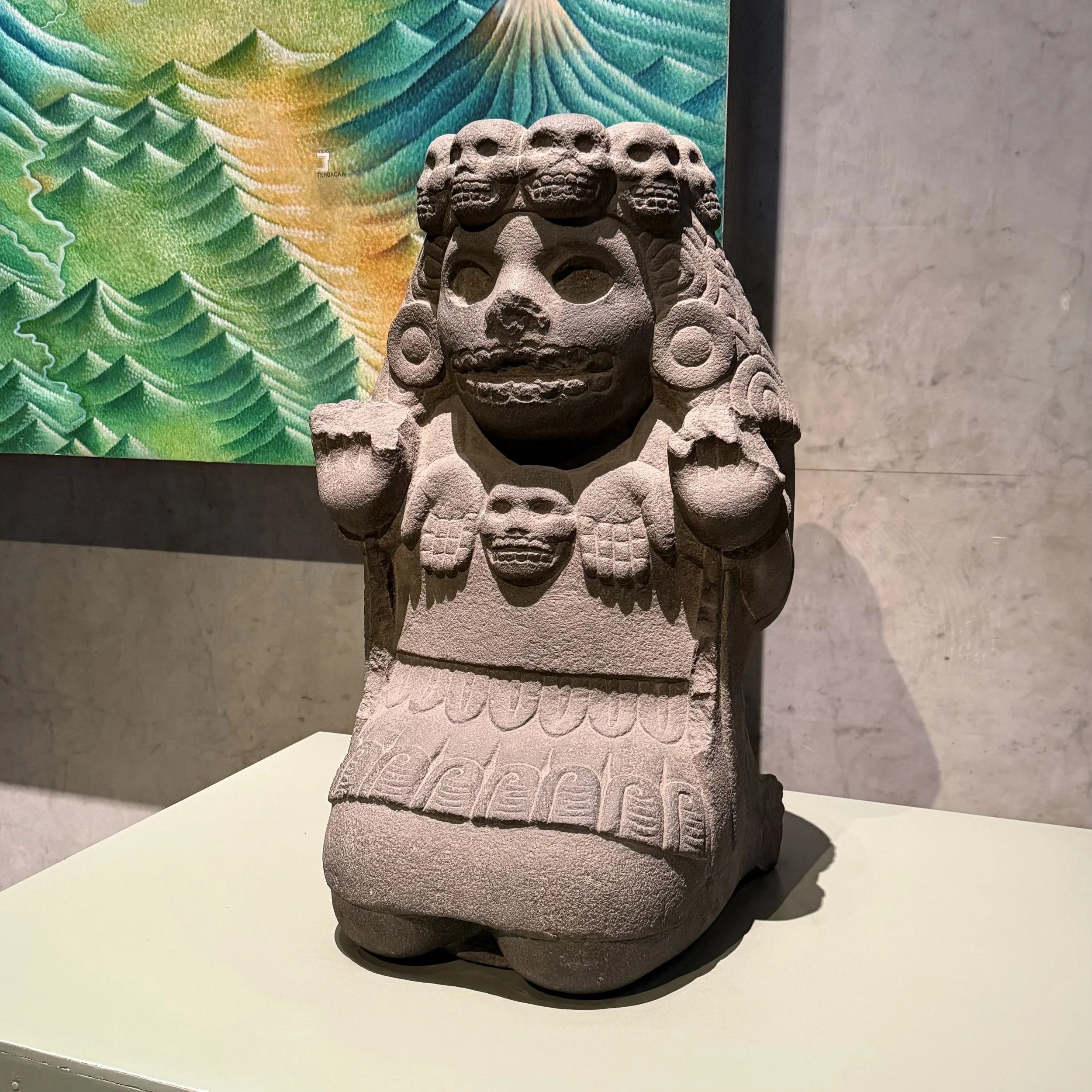
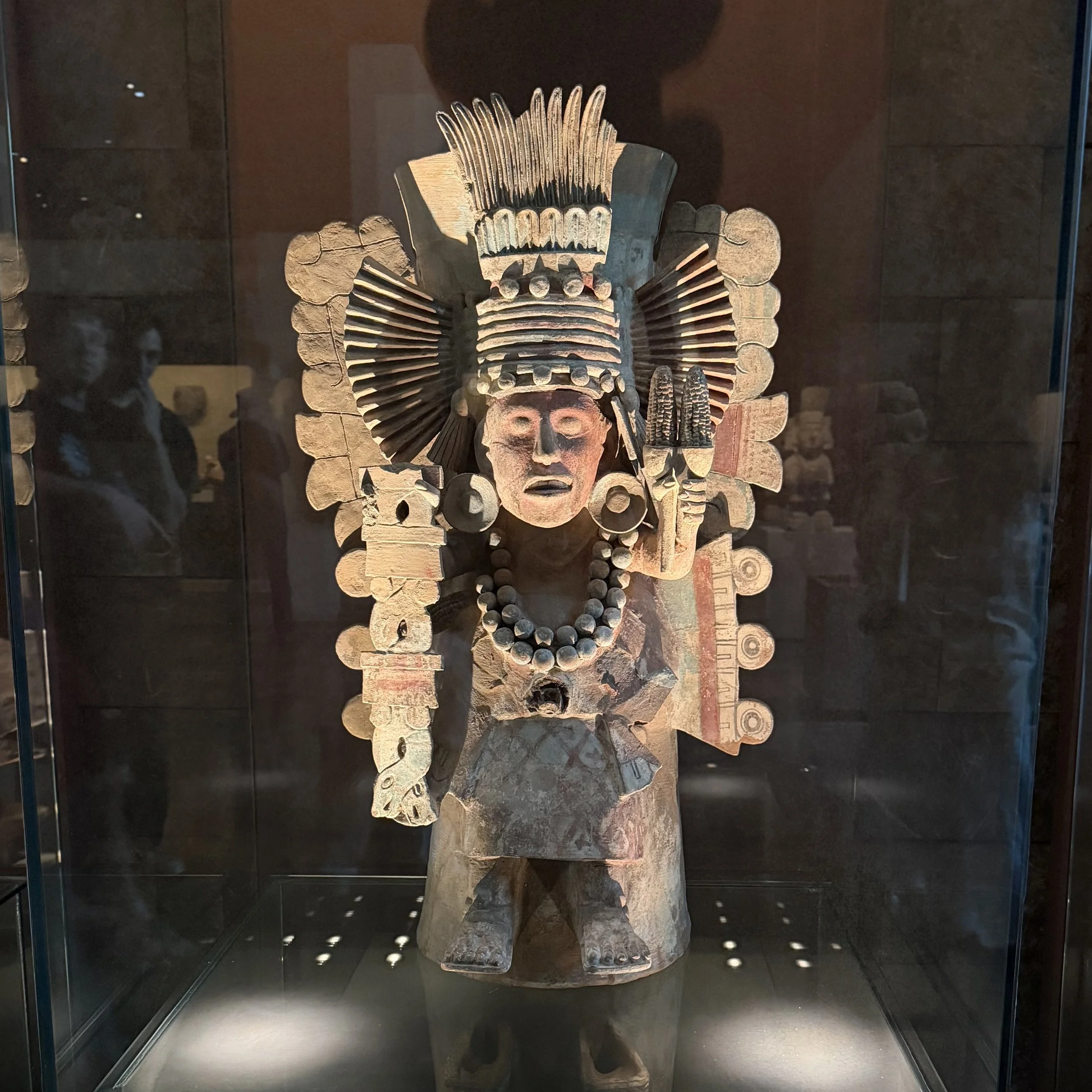
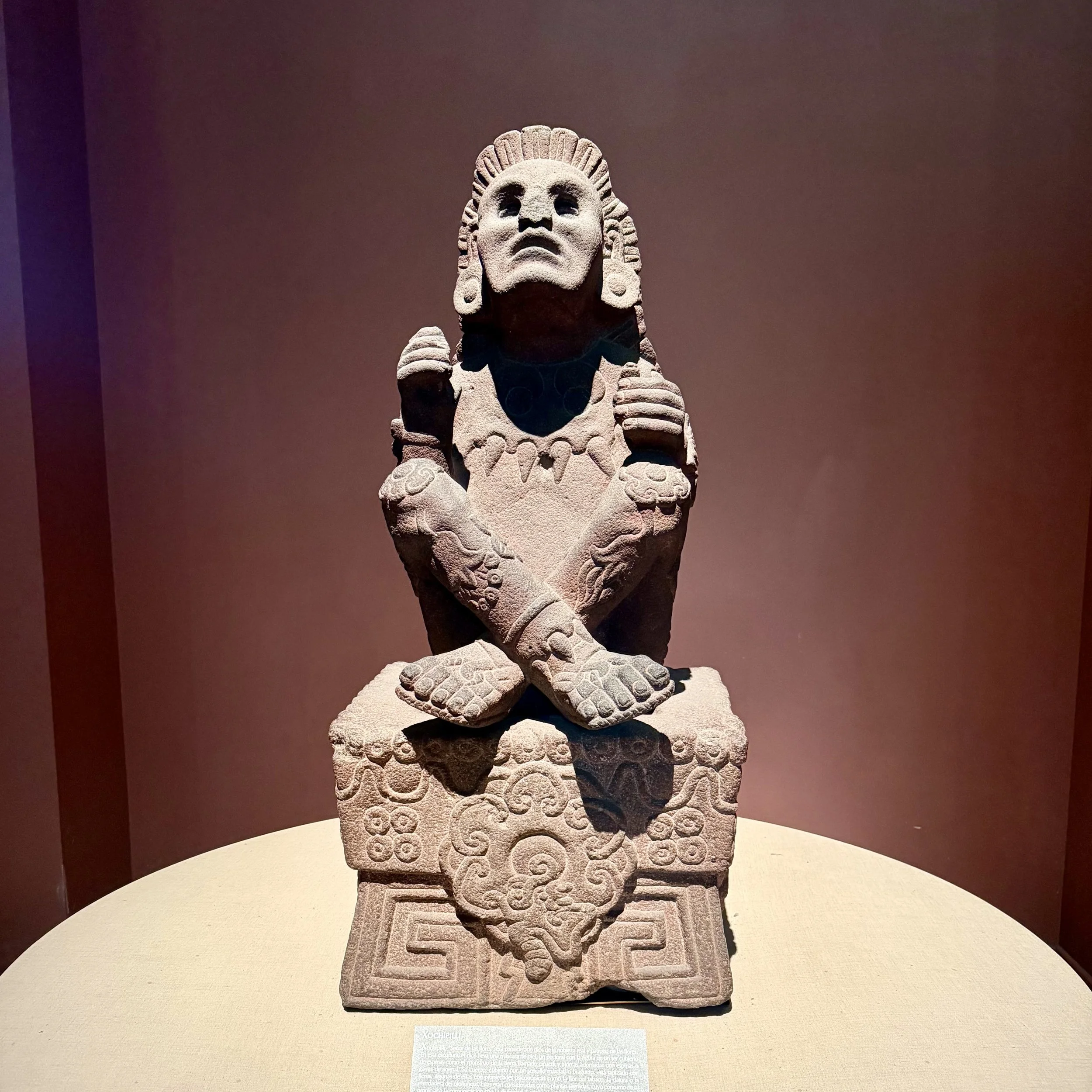
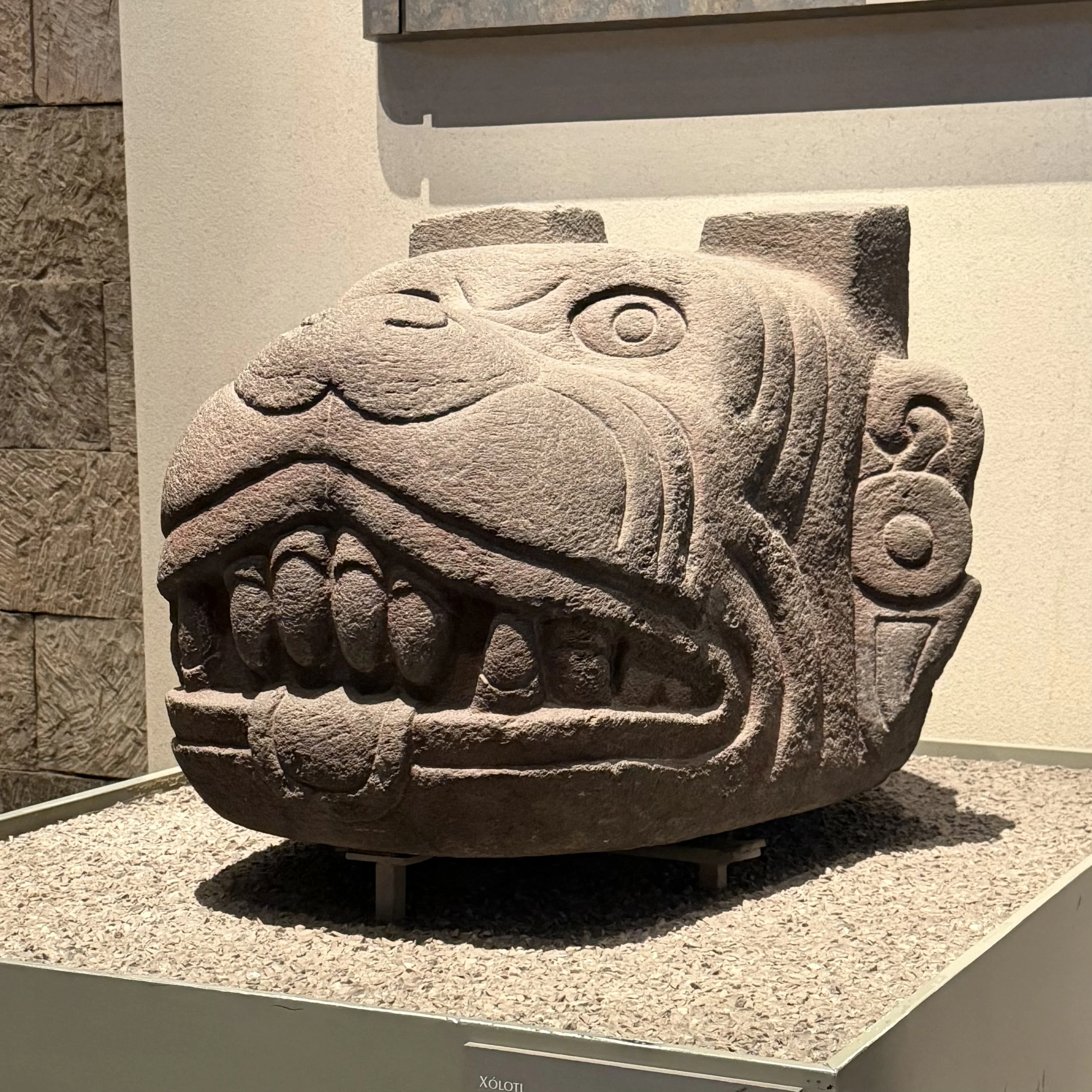
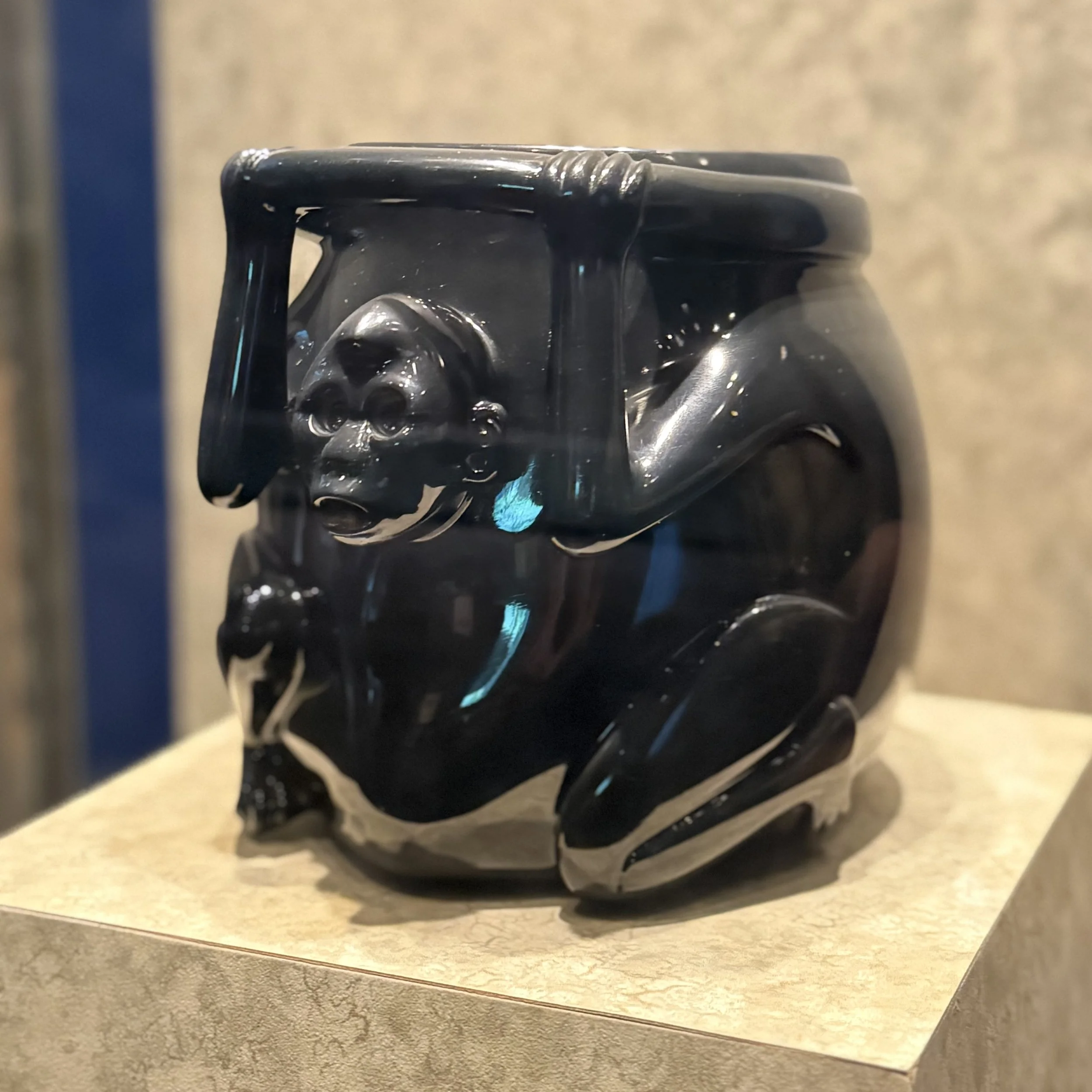
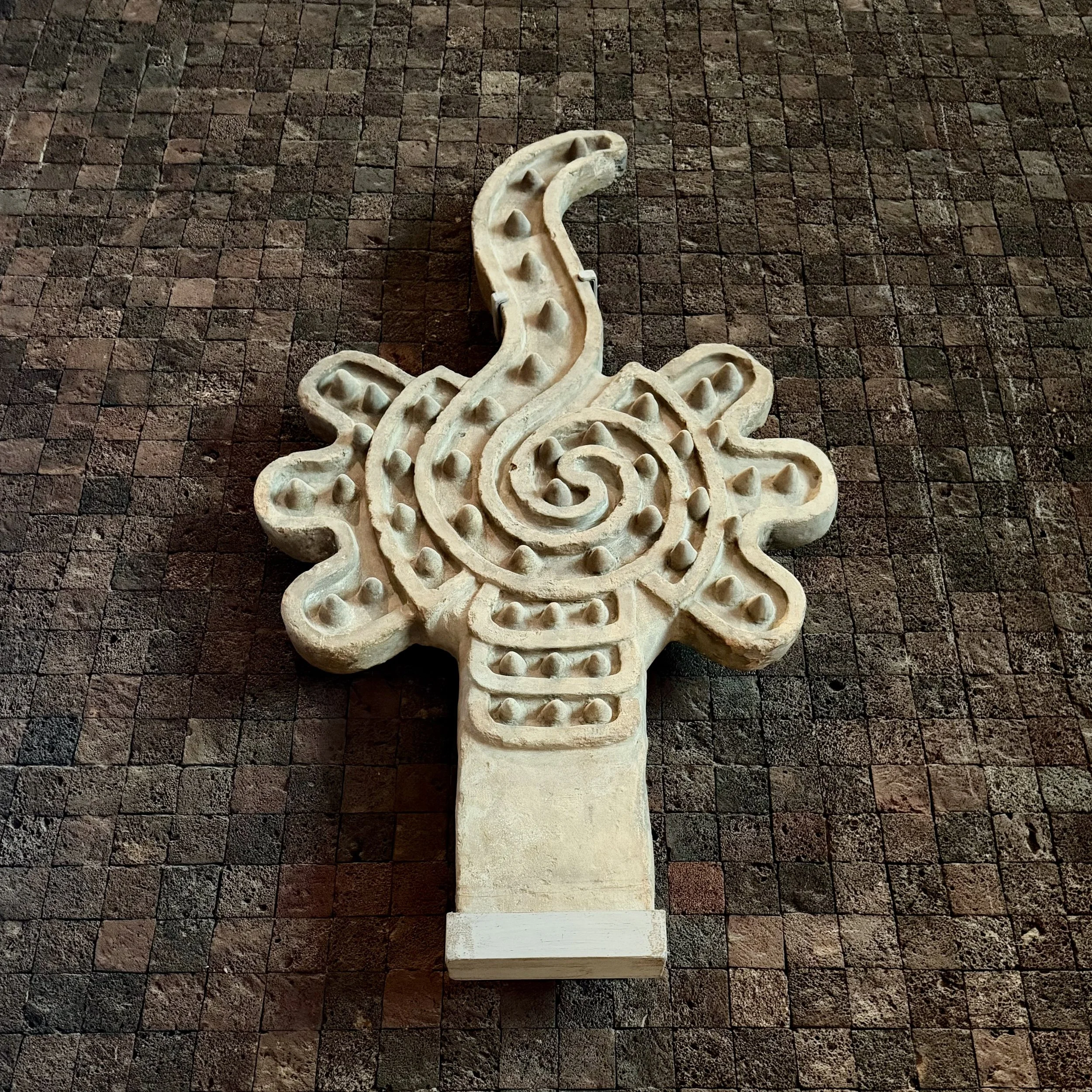
There was a vast collection of Mexica artifacts - statues of deities, temple decorations, knives and offerings for sacred rituals, and much more. The objects were beautiful and fascinating. Before visiting the MNA, I thought of the Aztecs as bloodthirsty warriors. This impressive exhibit gave me a better, more nuanced understanding of the culture that is such a big part of modern Mexico’s identity.
Oaxaca
Oaxaca in southern Mexico was the home of two great cultures.
The Zapotec built a great city called Monte Albán. They flourished for millennia, about 500 BCE to 900 CE, and their traditions have continued to the present day. Millions of people in Oaxaca speak the Zapotec language, and the region is known for its handicrafts and folk art. I’m a big admirer of Oaxacan black pottery and alebrijes (fantastical creatures of painted wood).
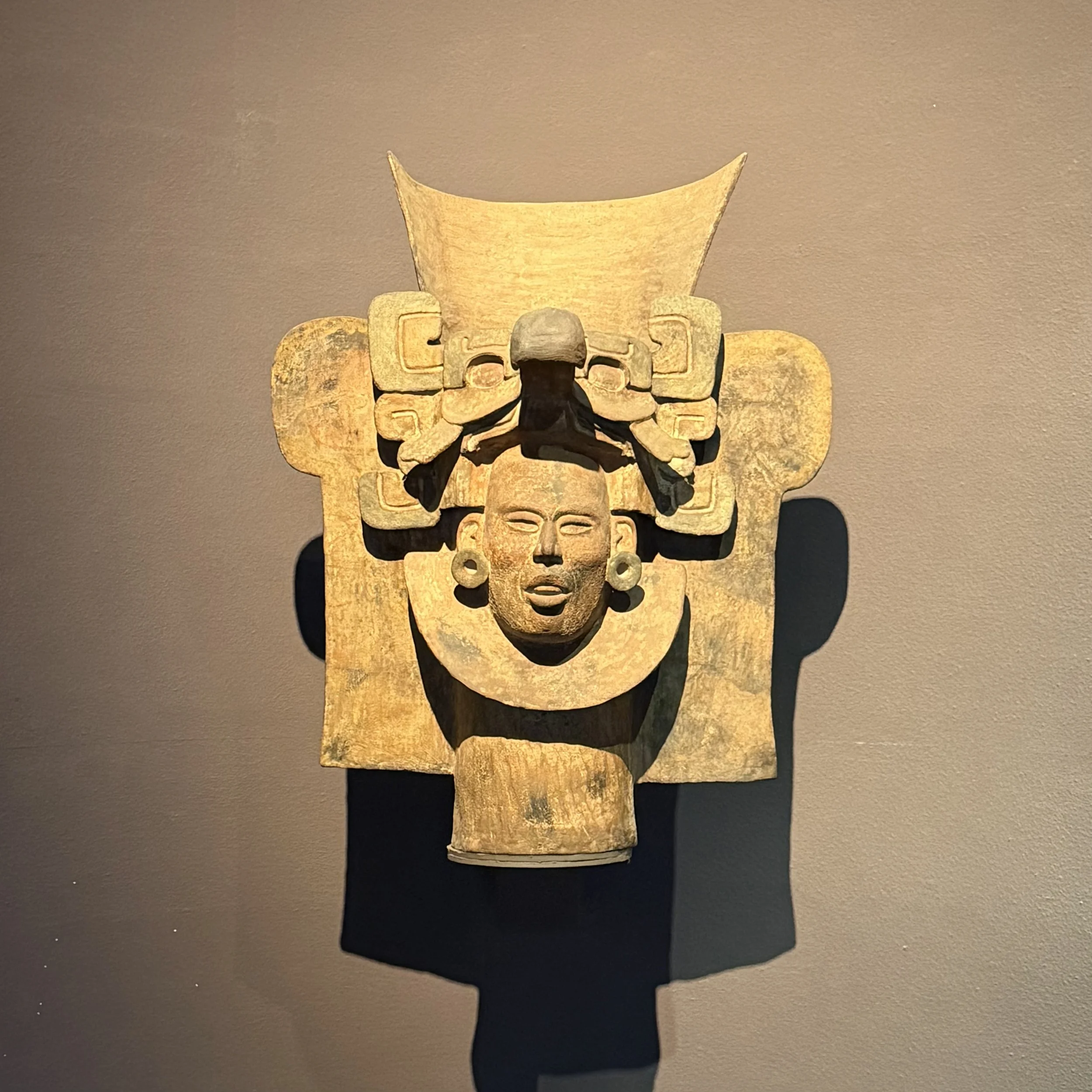
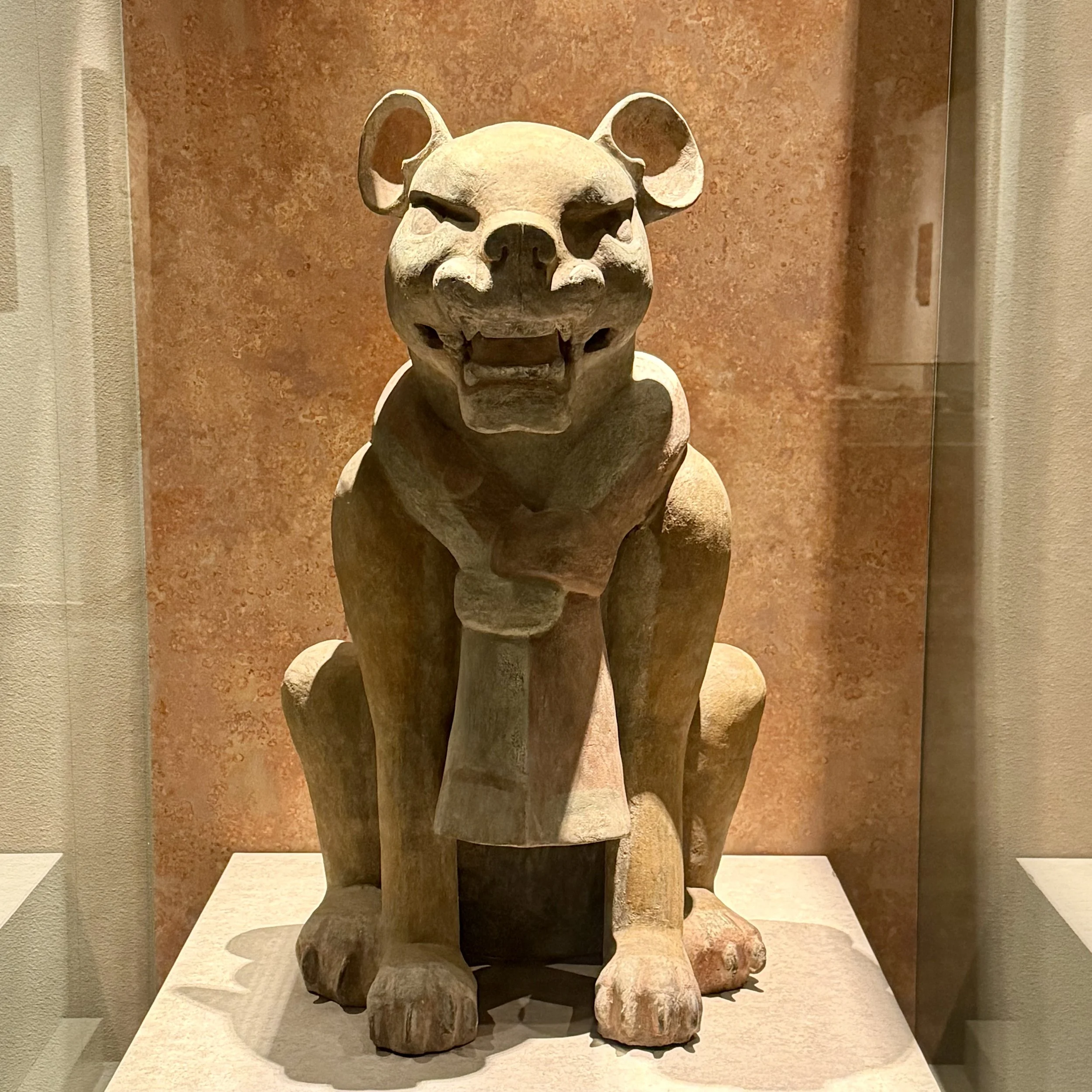
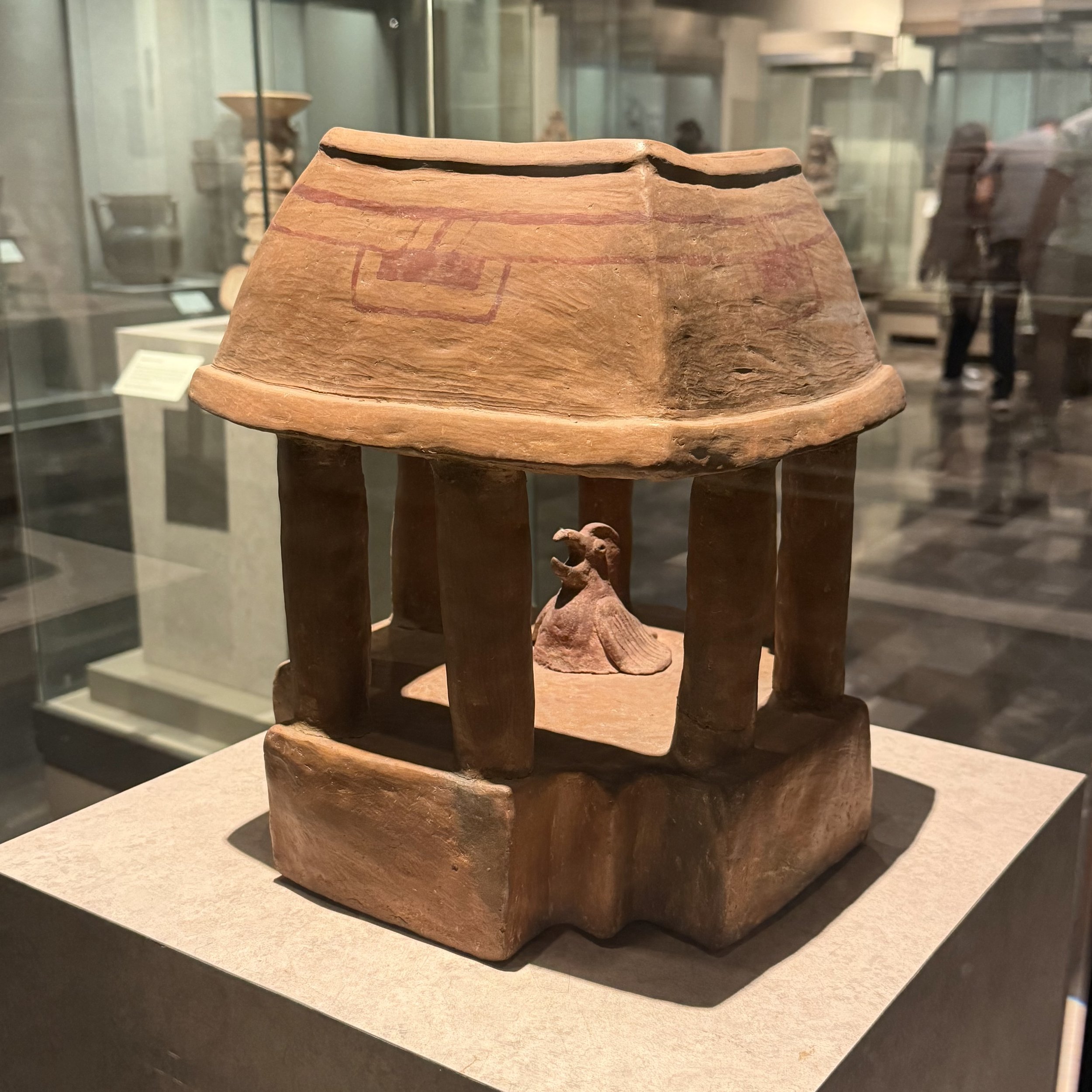
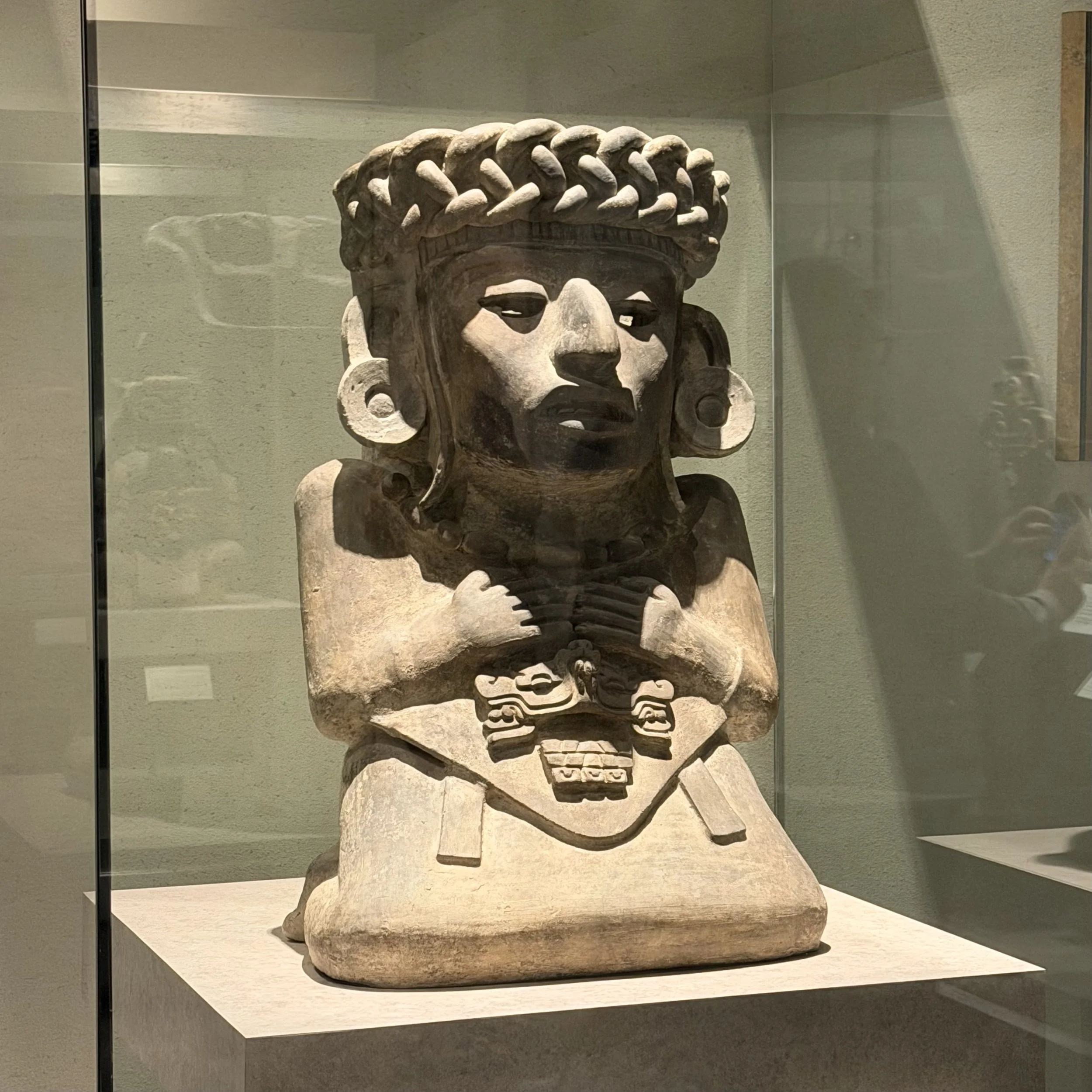
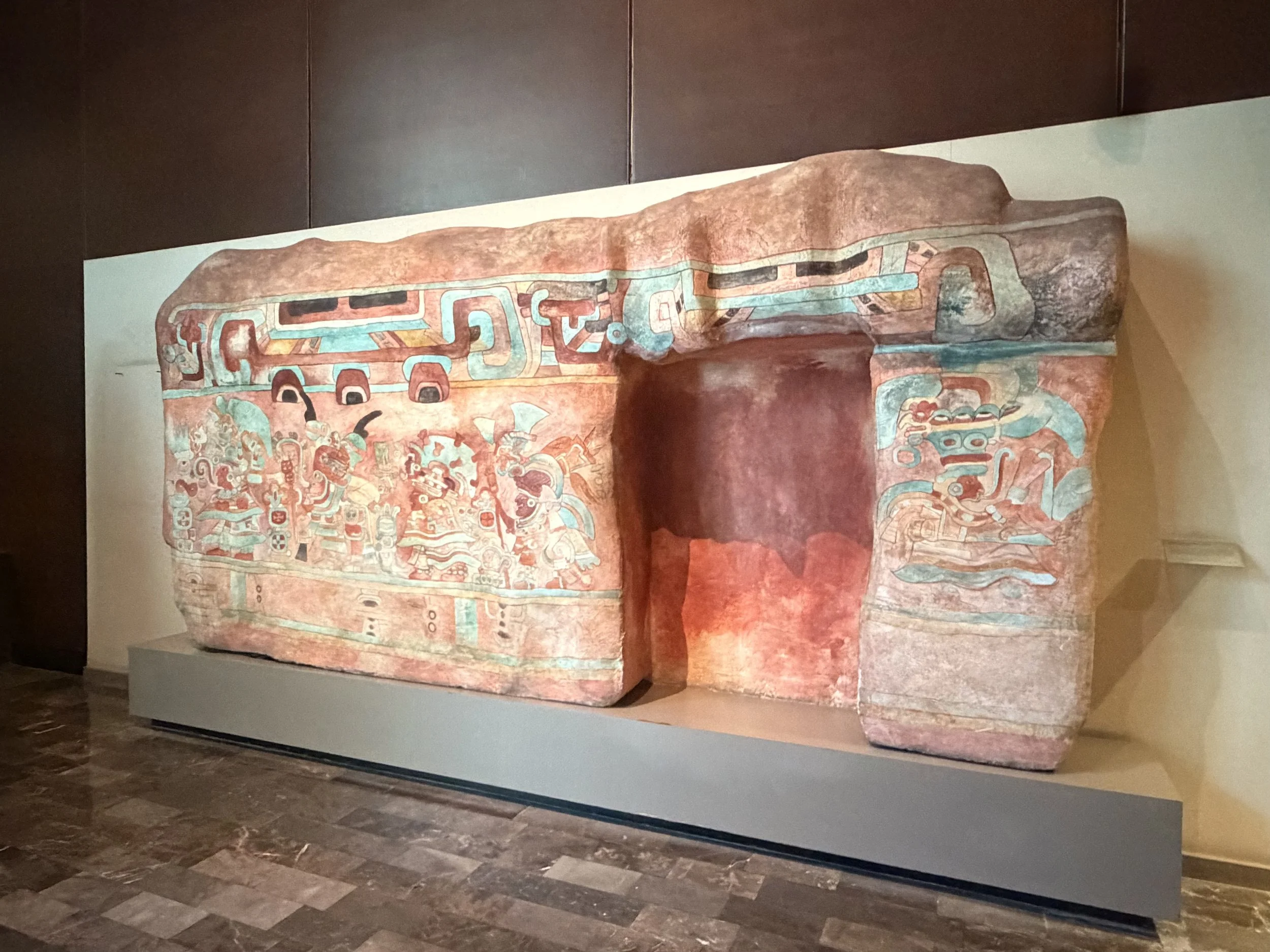
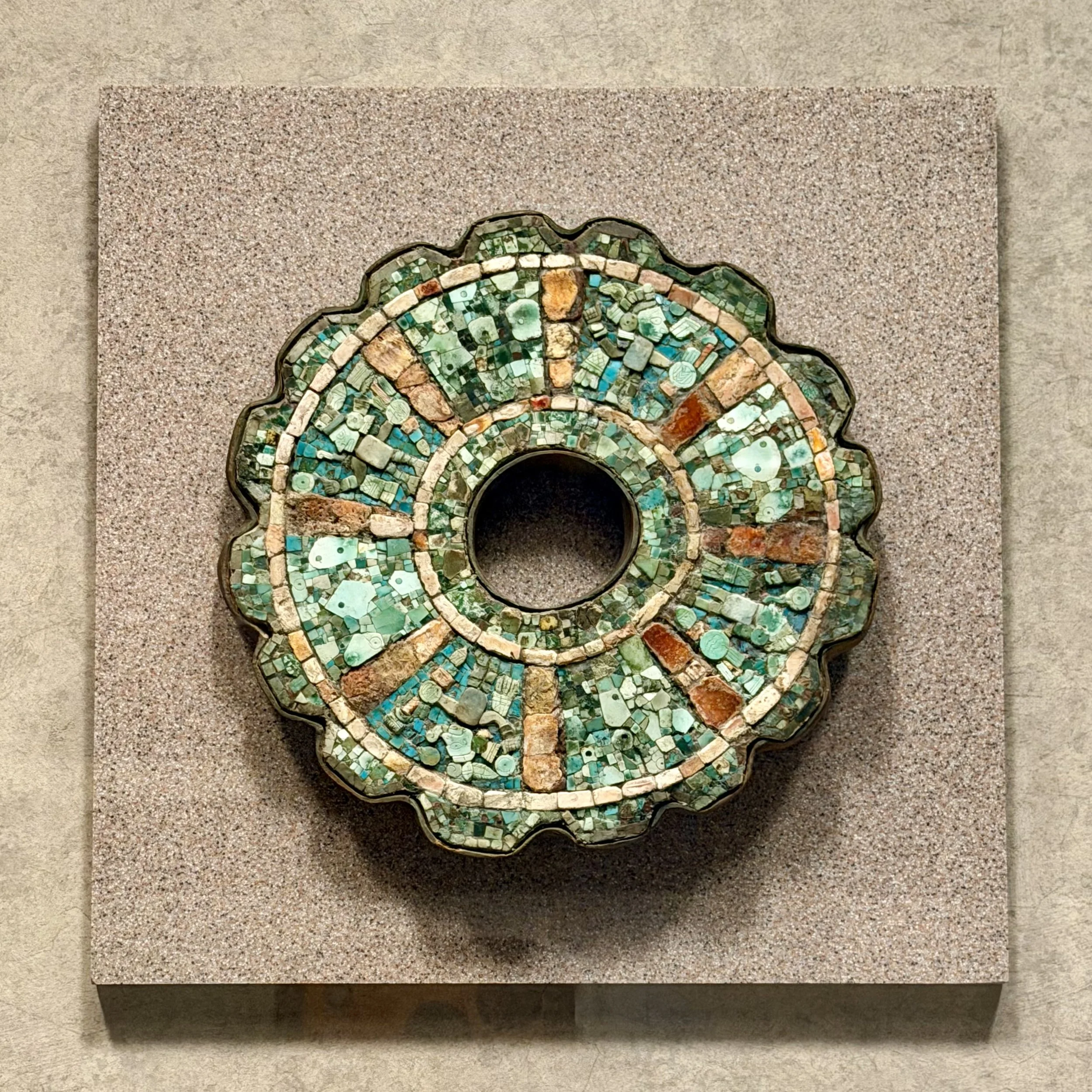
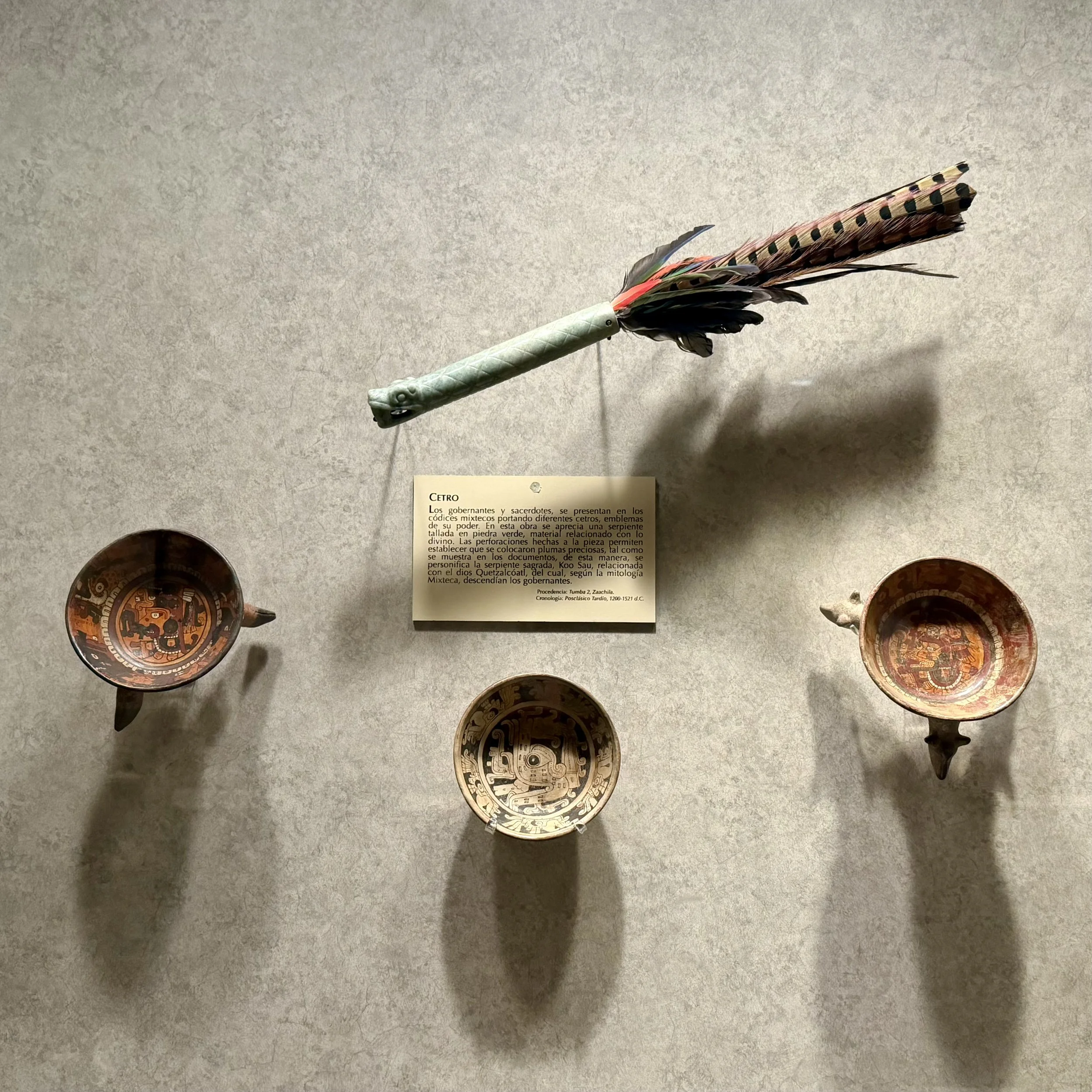
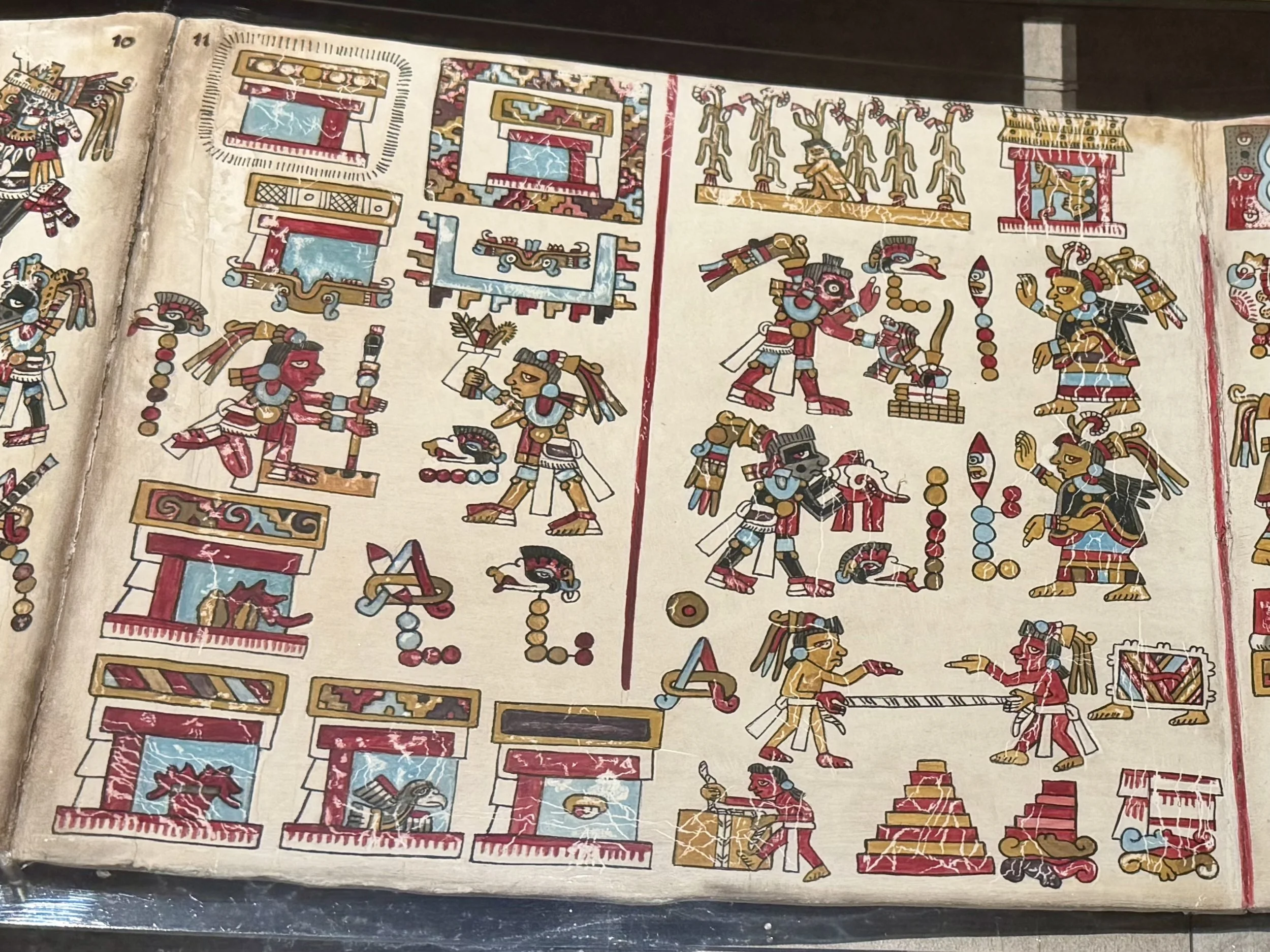
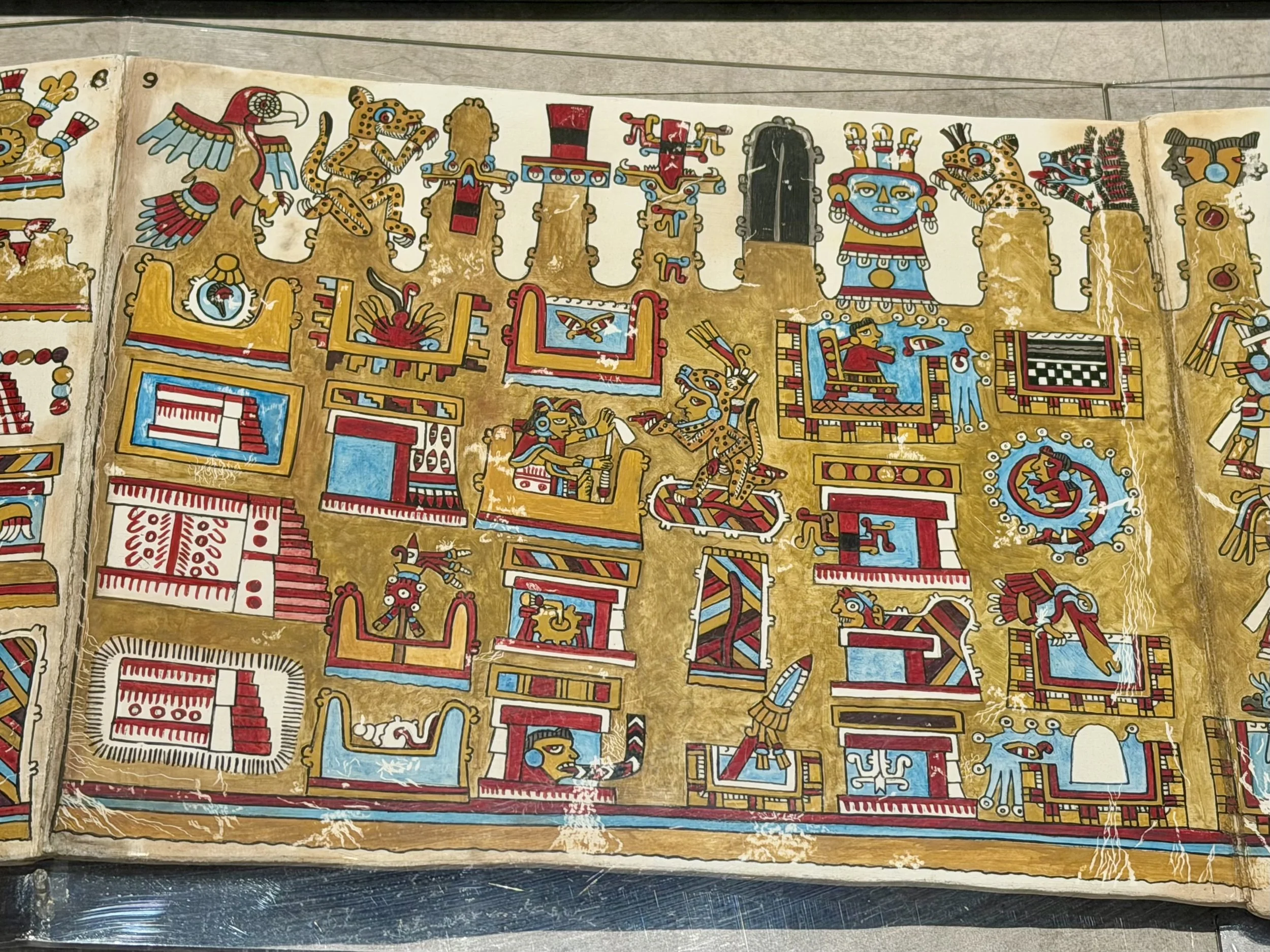
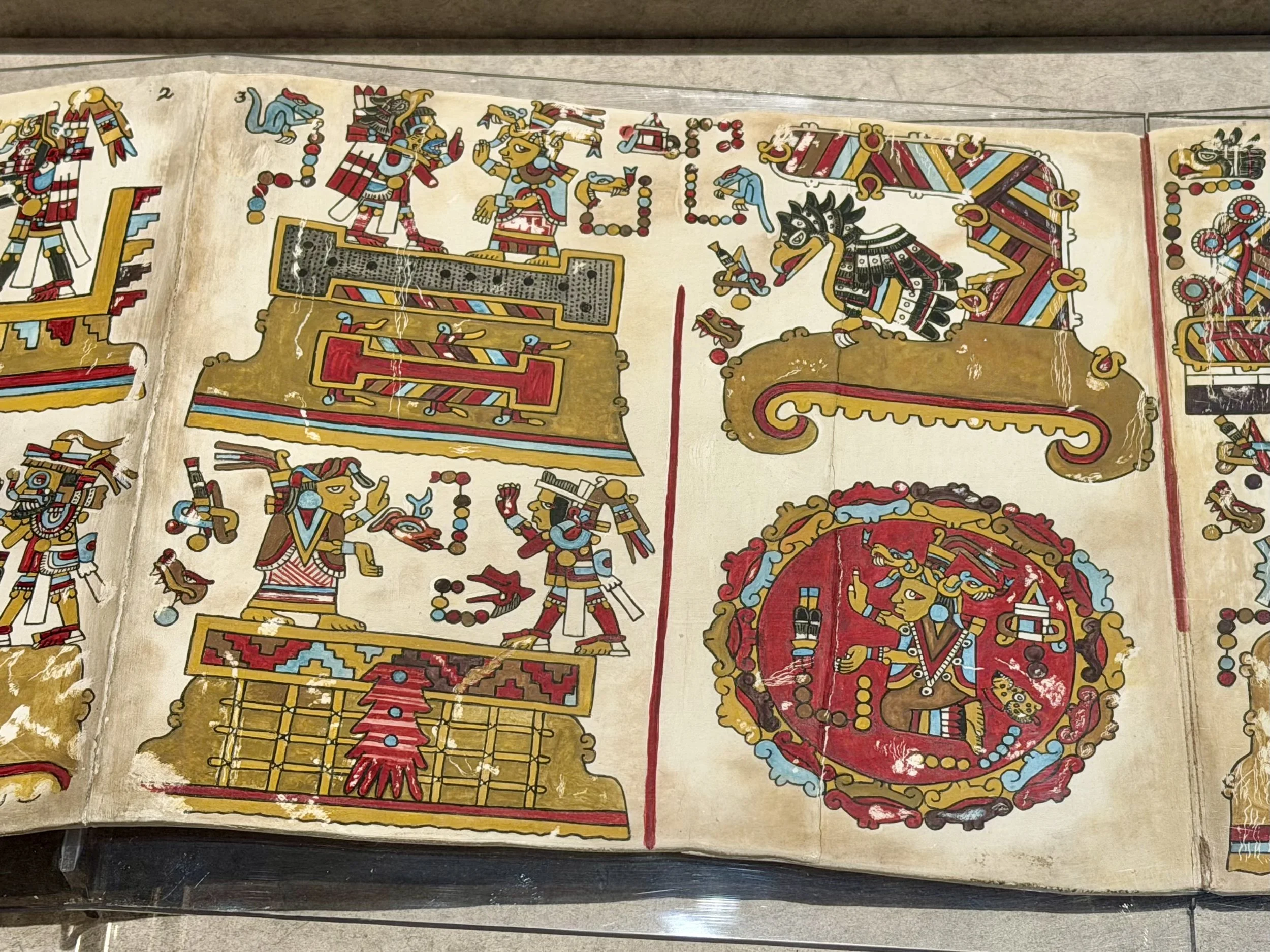
The Mixtec, who flourished in Oaxaca from about 900 to 1521 CE, were also skilled artisans, particularly in metalwork, turquoise mosaics, and gold jewelry. They also created codices - theirs were painted in vivid colors and were mainly genealogies of deities and lists of rulers and priests.
Maya
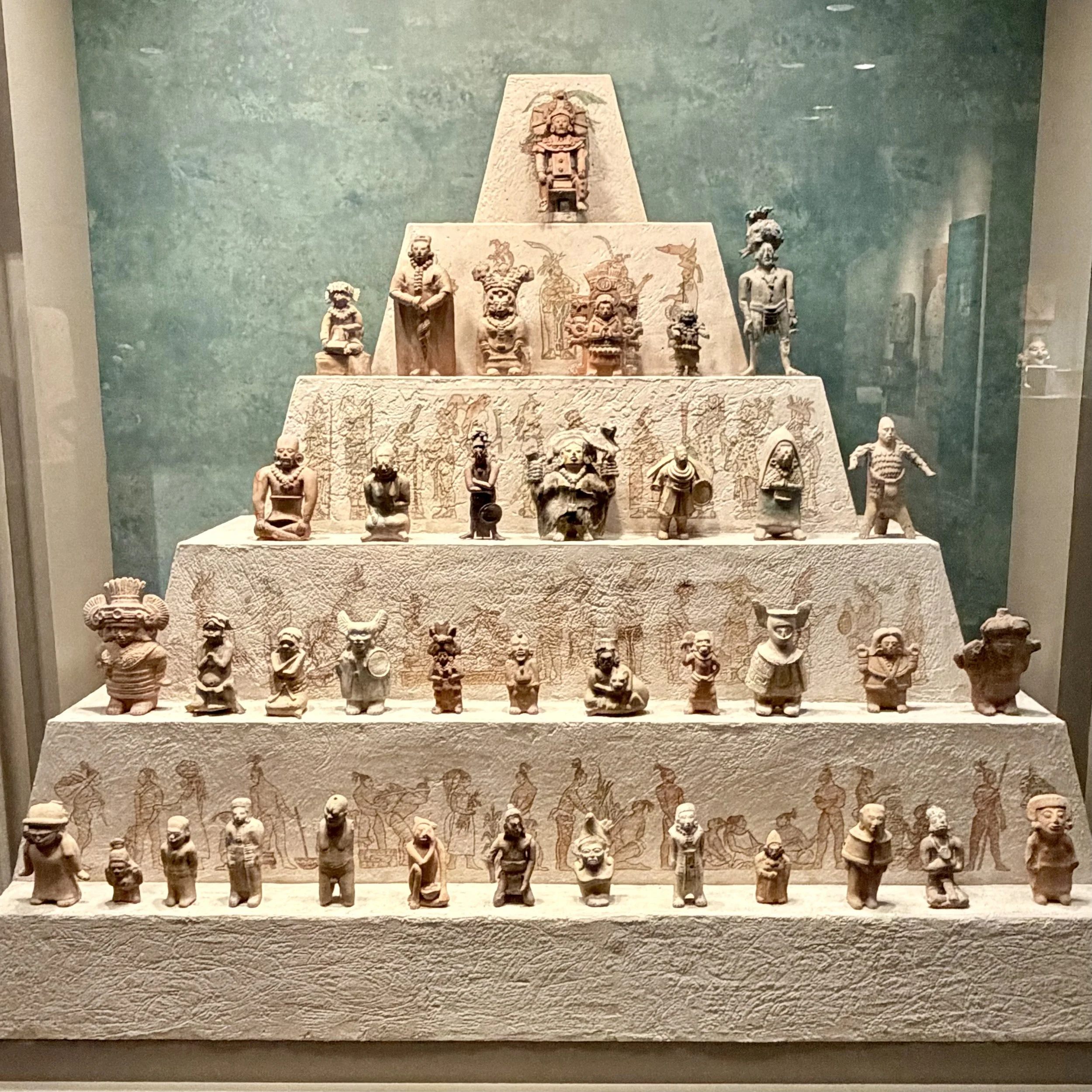
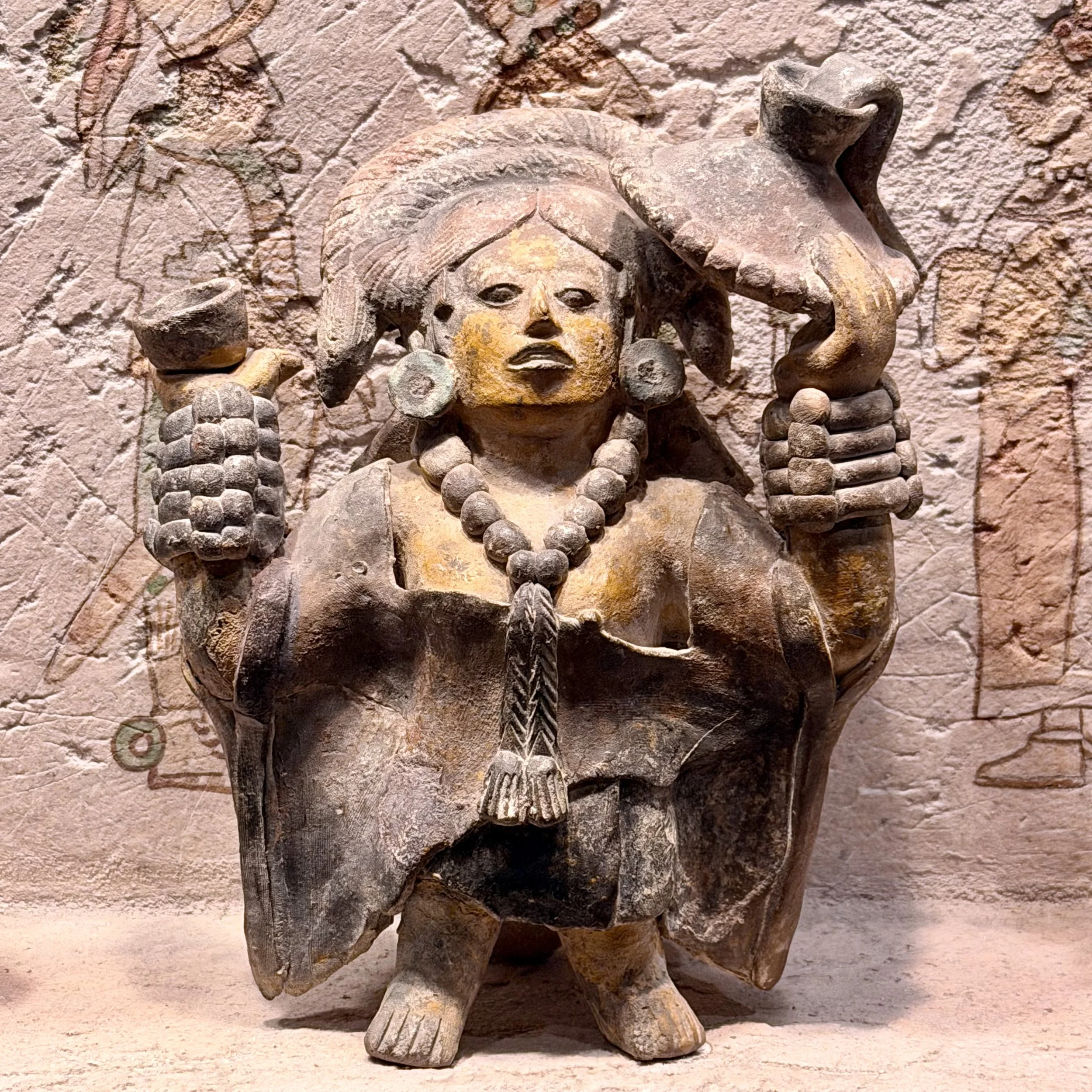
The Mayan civilization occupied the Yucatan Peninsula in southeastern Mexico, as well as present-day Guatemala and Belize. The history of this advanced culture spans several millennia, from about 2000 BCE to 1697 CE. The Mayas are famous for their huge pyramidal temples, and for their mastery of mathematics and astronomy. We have visited the Mayan temples at Tulum, and perhaps one day we’ll visit the much larger Mayan city of Chichen Itza.
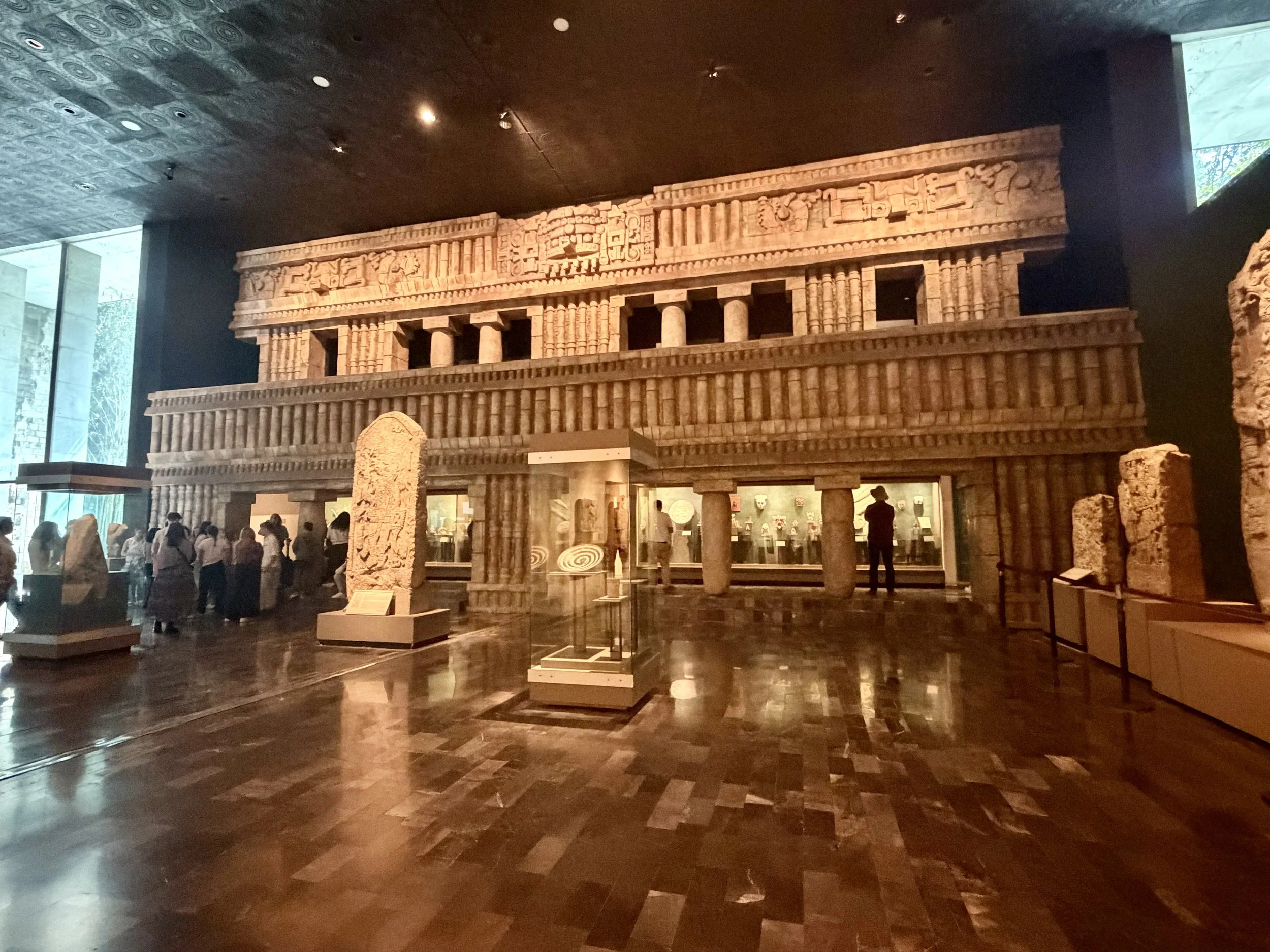
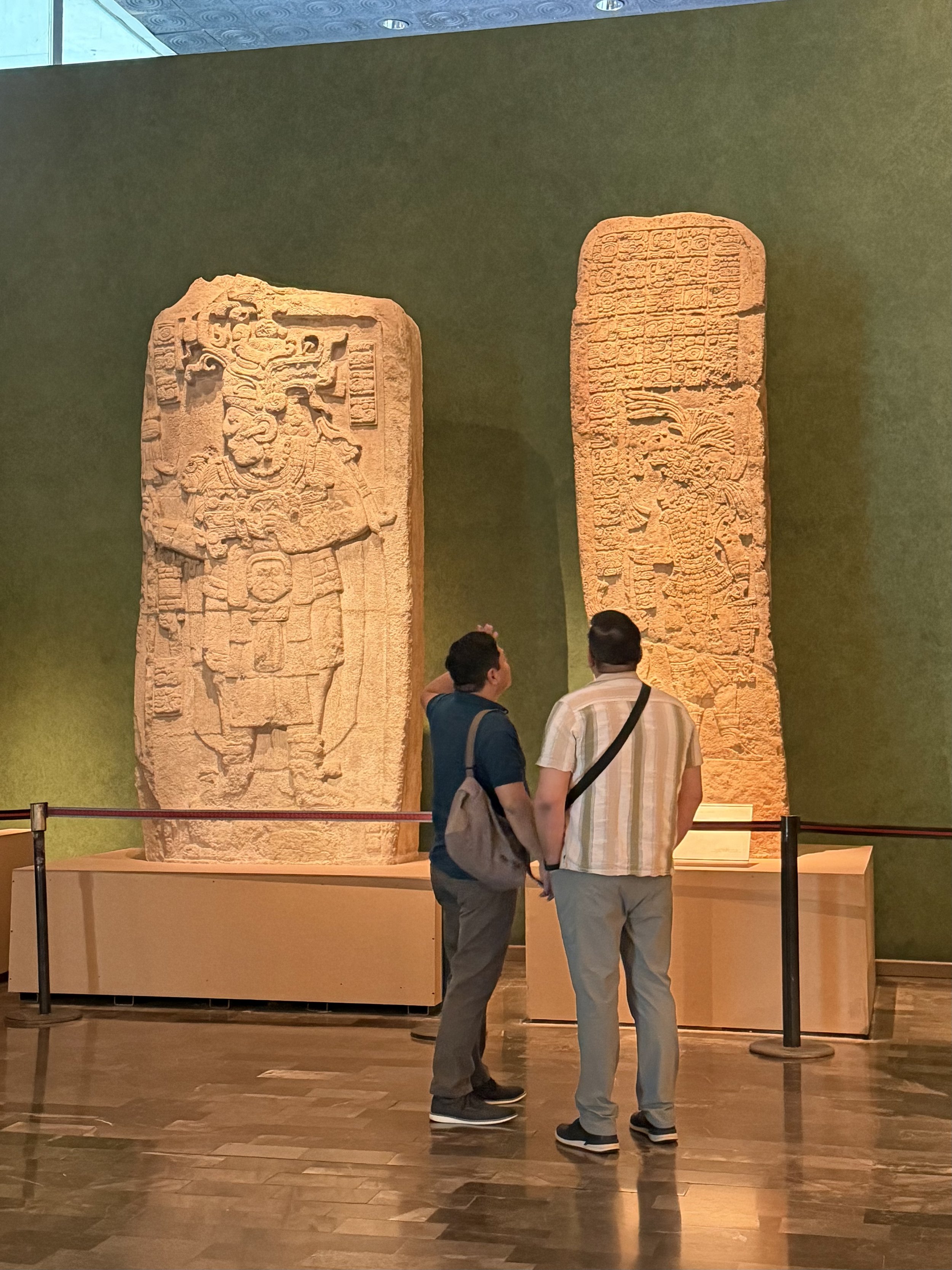
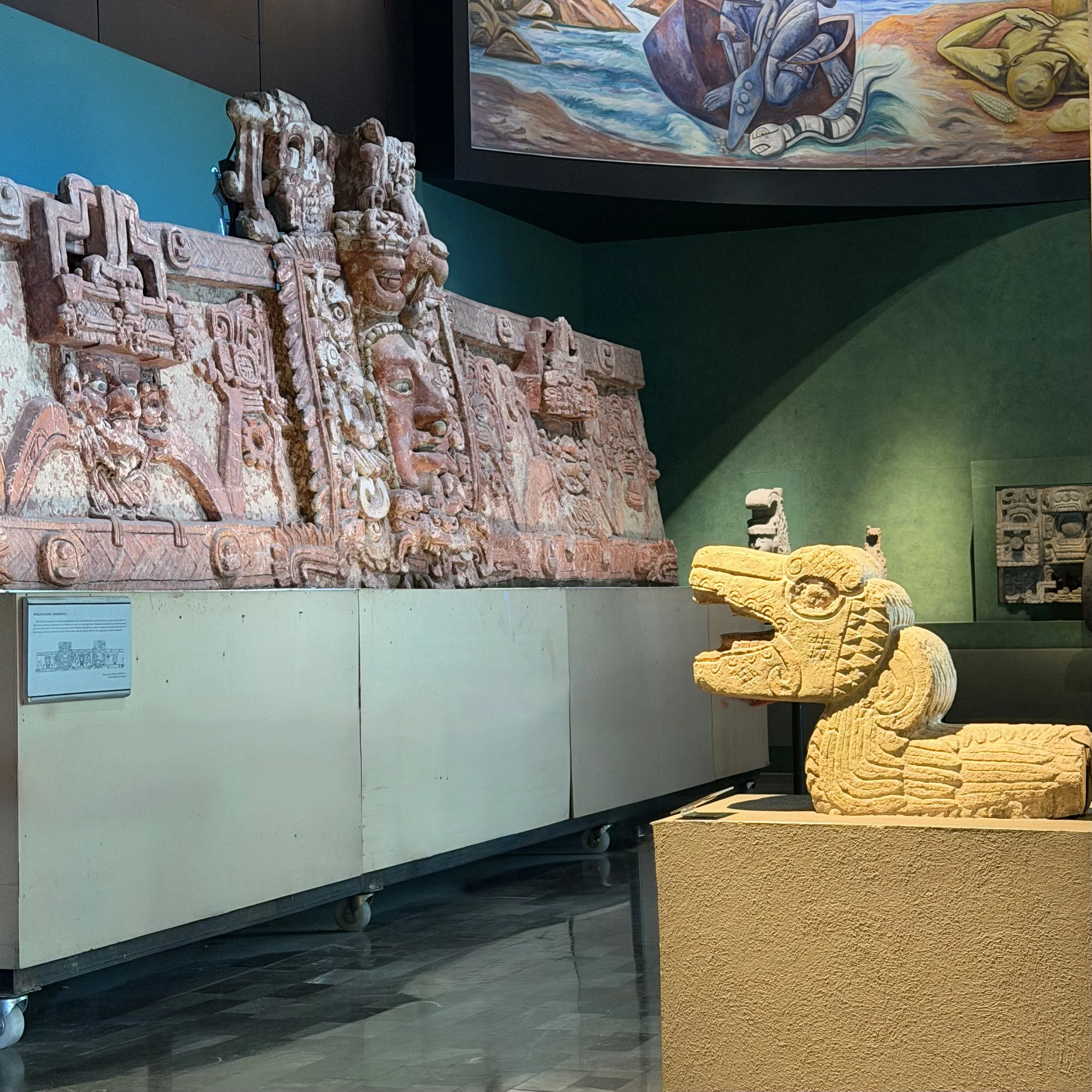
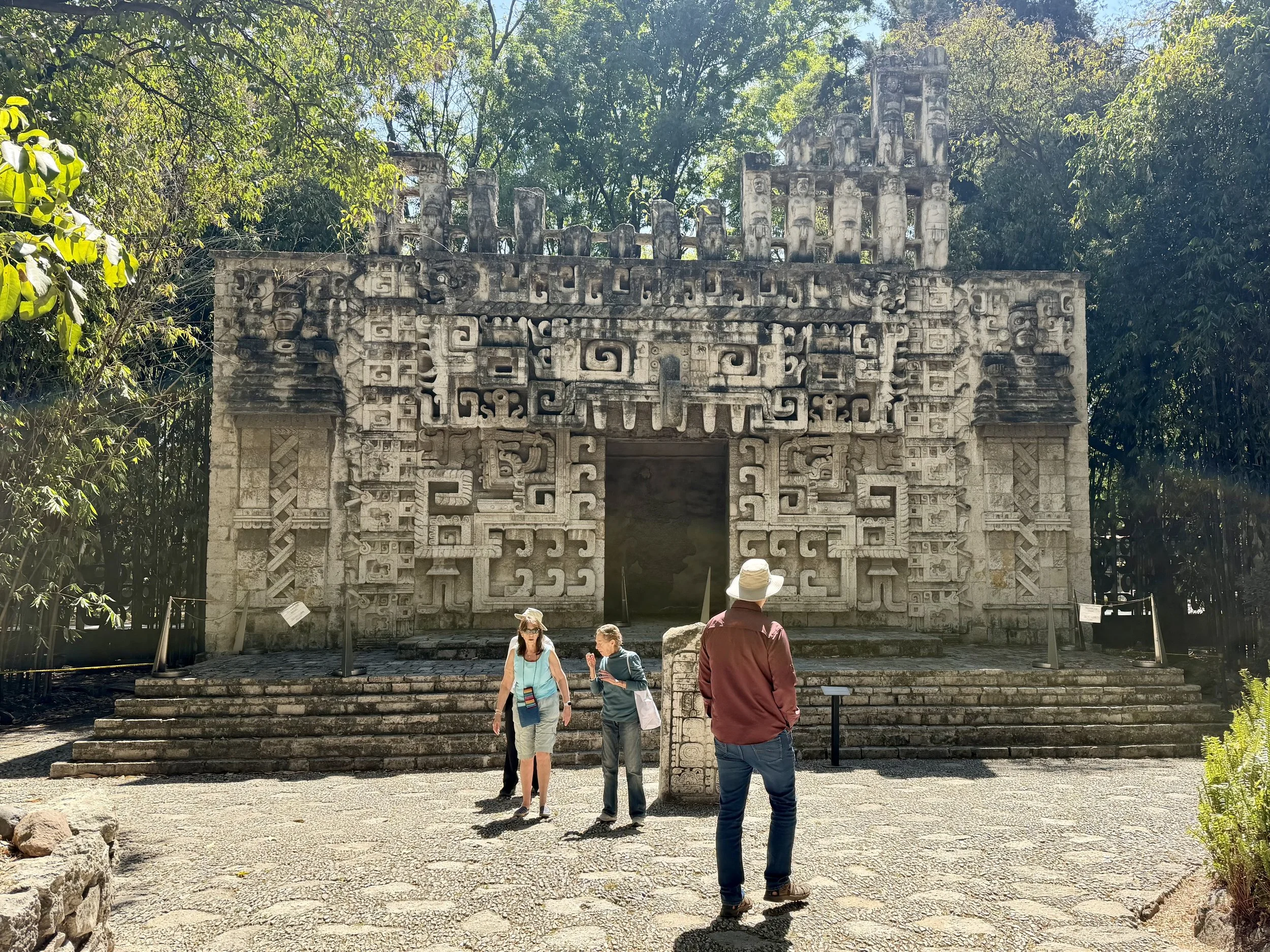
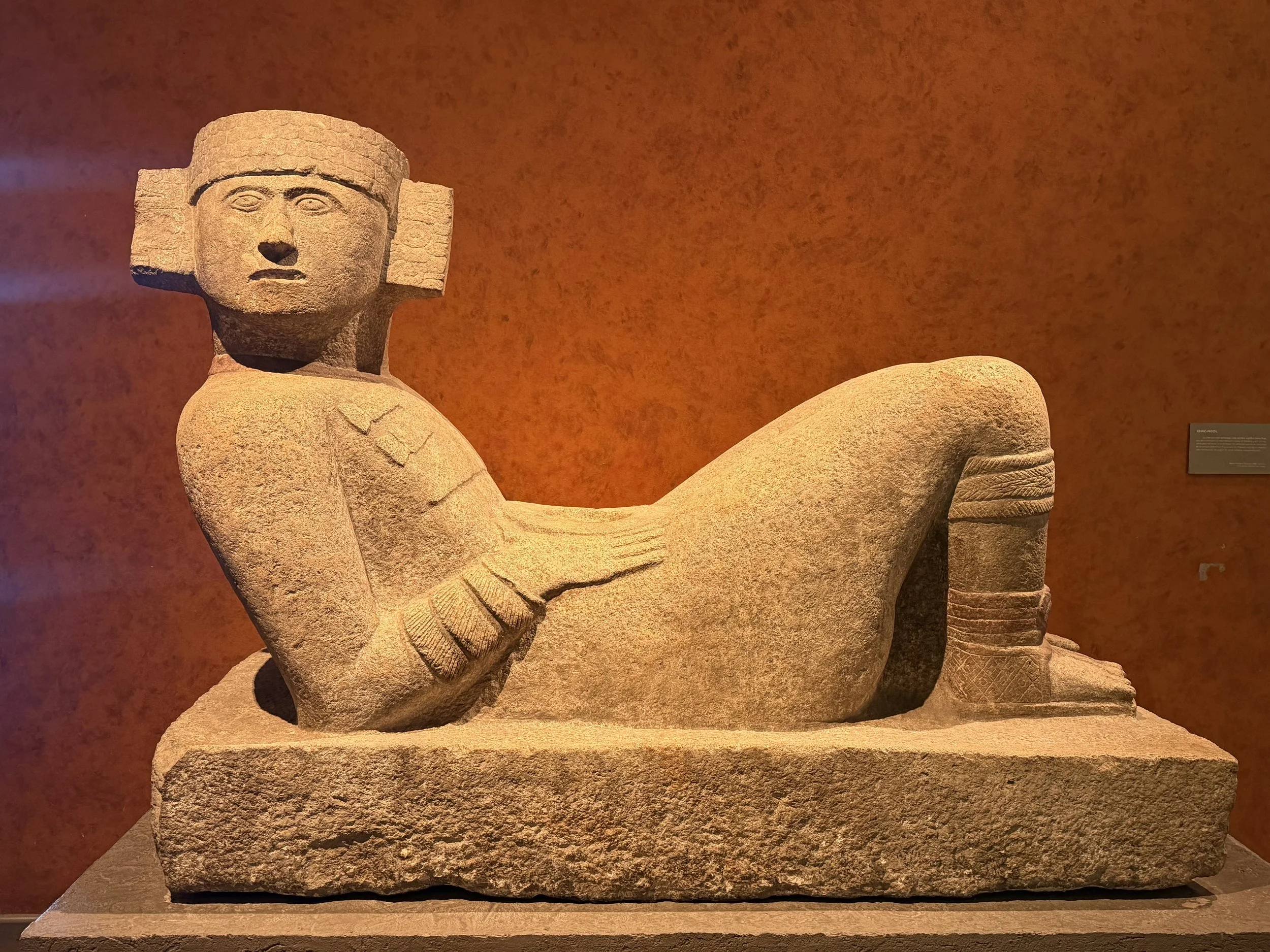
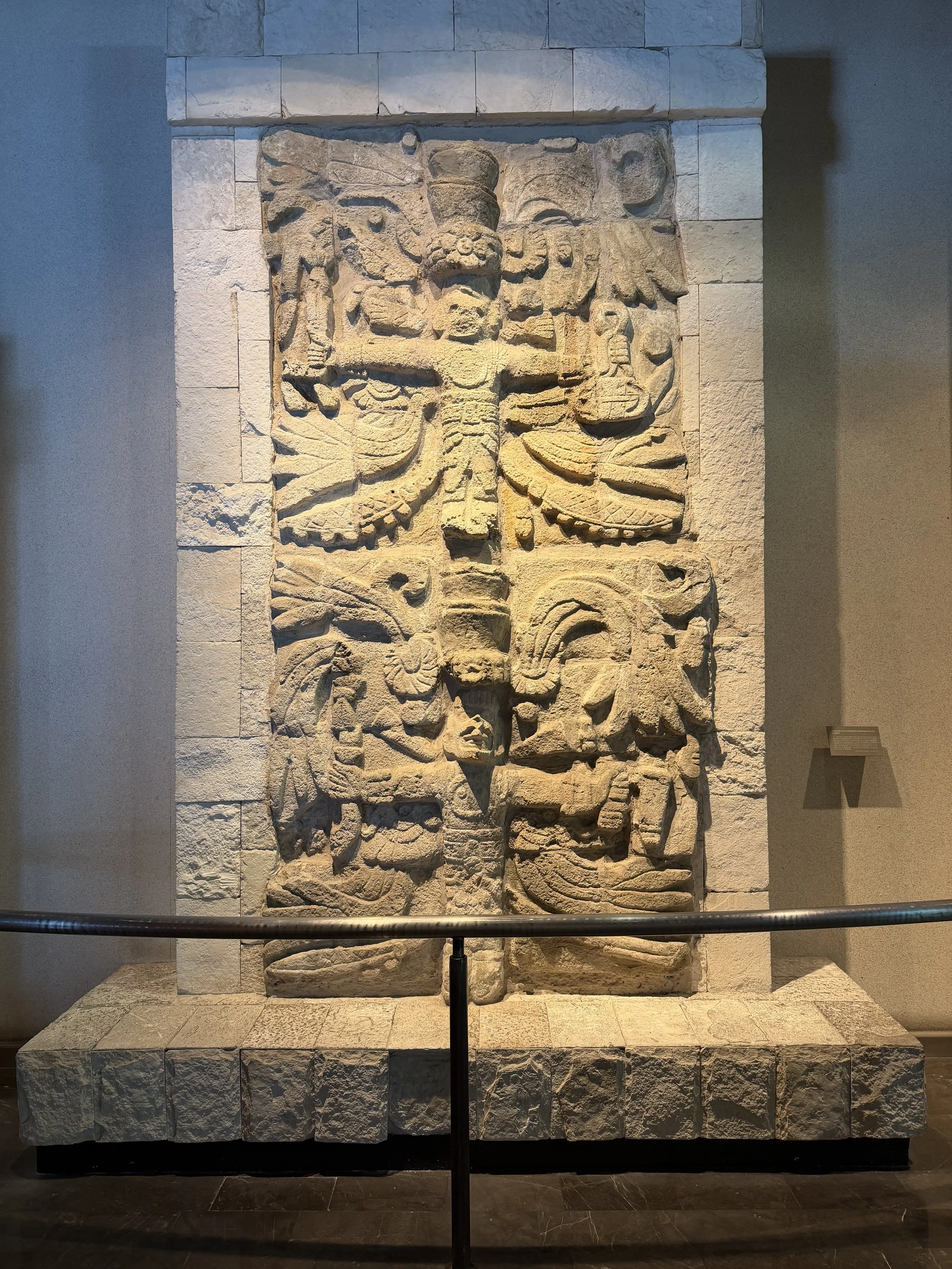
After two and a half hours, we had seen barely a third of the MNA’s vast collection. It was fascinating to learn about the Mexica, the Zapoteca, the Mixteca, and the Maya. The other civilizations will have to wait until a future visit to CDMX.