Peru is one of the most fascinating countries I’ve ever visited. It surprised me over and over again. It was challenging, and rewarding. I’ll never forget it. Weeks later, I’m still thinking about it.
Normally I am a Do-It-Yourself travel planner. But I felt less confident about Peru and decided to try two very different types of “assisted” travel.
Instead of flying from Lima to Arequipa, we joined dozens of backpackers and other young travelers on a three-day bus adventure on Peru Hop. We made several stops en route and saw “the Real Peru” - the surprisingly diverse coastal desert. This mode of travel was affordable, occasionally uncomfortable, sometimes surprising, often fun, and always interesting. It was nice having host guides on the bus throughout the journey. No regrets!
For Machu Picchu, our primary reason for visiting Peru, Amy joined us for a one-week private tour with Apus Peru. We explored the Sacred Valley, Machu Picchu, and Cusco. We rode a van, a train, and a bus. This was the iconic, historic Andes - amazing and a bit surreal, almost like time-traveling. We were able to relax and enjoy the experience, trusting our guide and drivers to handle all the details. No regrets!
Peru’s landscape is so much more than just the high elevations of the Andes. We also experienced the coastal desert, a marine sanctuary, and an oasis amidst towering sand dunes. And there is so much of Peru that we DIDN’T see, including two of the world’s deepest canyons, one of the world’s highest lakes, and the Amazon rainforest.
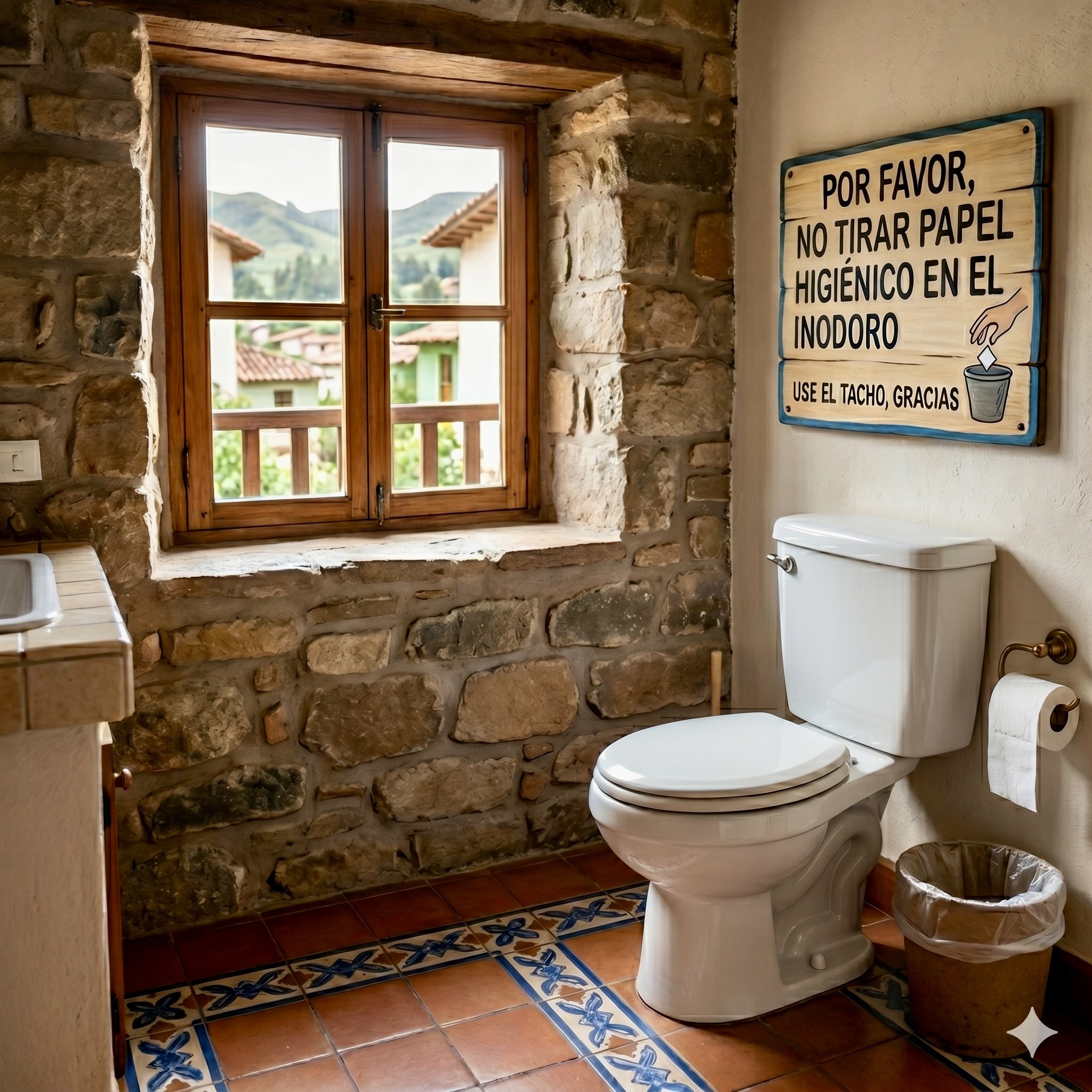
Peru is a developing country, part of the Global South, with a colonial history, low income, and poor infrastructure. For us, this meant that daily life and travel were a little less convenient and/or a little more complicated. But outside of the luxury tourist venues, the food, housing, and transportation were inexpensive, and our memories of Peru are priceless.
Peruvians know what it’s like to have unpopular presidents, and one could argue that they are more effective than the United States at removing them from office. Our tour guides informed us matter-of-factly that Peru has had had nine different presidents in the last ten years (two resigned, four were impeached). For the nationwide election that took place in mid-April during our stay, there were 36 presidential candidates! In early June, there will be a run-off between the top two candidates, who received just 17% and 12% of the votes.
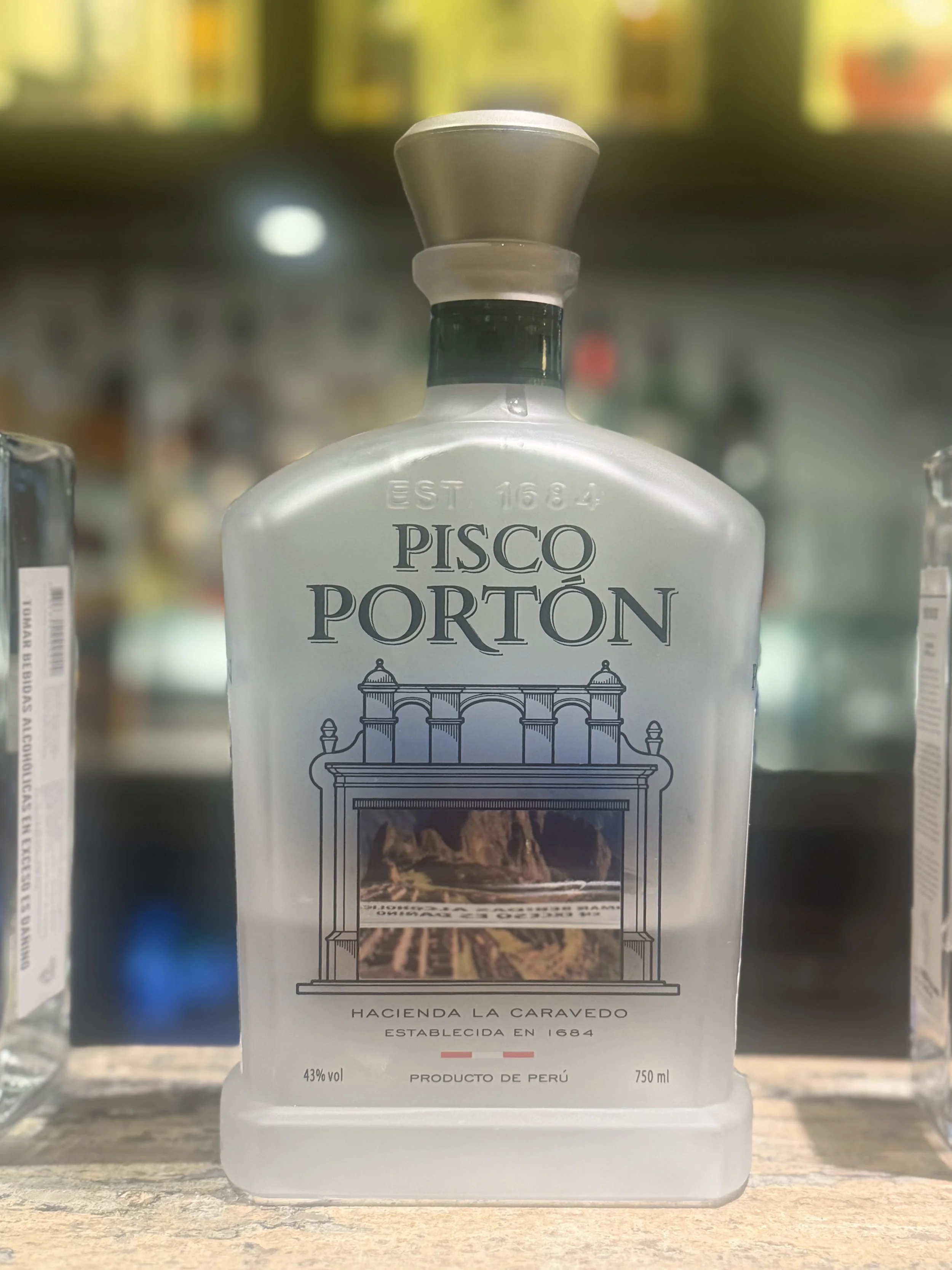
Pisco is to Peru as Champagne is to France.
(We learned this from the bartender who taught the pisco sour class at our hotel in Cusco.)
Alpacas have been an important part of the Andean economy for many centuries. I enjoyed learning about them and feeding them. I bought a soft, warm baby alpaca sweater with a traditional design - the best kind of souvenir because it is functional.
Then there were the Alpaca Ladies. In the main squares of Cusco and Arequipa, women dressed in colorful traditional costumes encouraged tourists to pose for photos with their little alpacas in exchange for a small cash donation. This practice is controversial. Many believe it encourages the mistreatment of animals. On the other hand, jobs for these women are scarce. Tourist photos offer a good source of income and a flexible schedule. The women say these alpacas are pampered pets, not livestock.
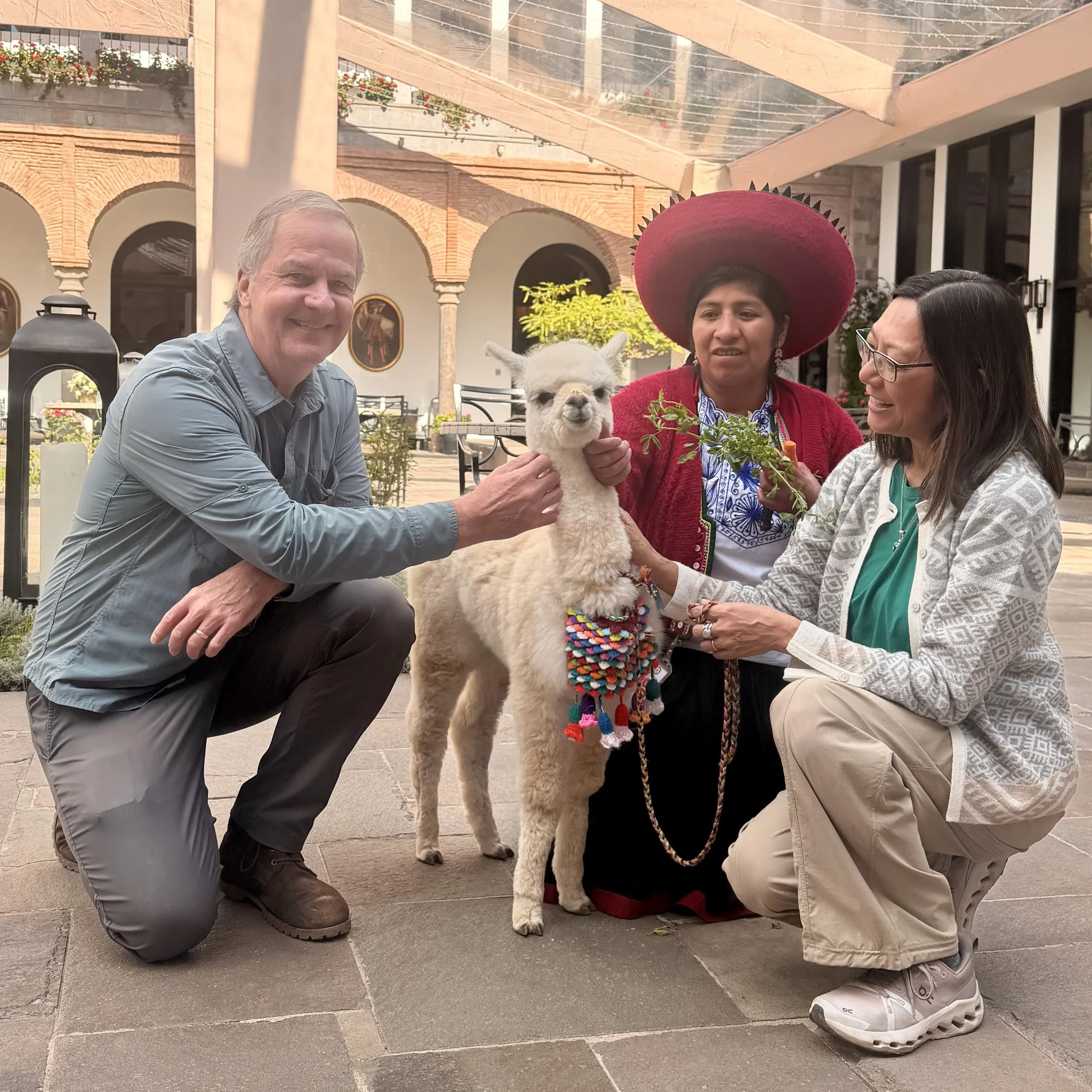
I told myself that I didn’t need a touristy photo with a baby alpaca. But when I saw the “resident alpaca” at our hotel in Cusco, I couldn’t resist. I stroked its long neck, relishing the feel of the impossibly soft, fluffy wool. The alpaca hummed with contentment! I was flooded with warmth and joy. I would have happily petted that sweet, chill alpaca all day long.
Was I being an irresponsible traveler? I hope not. This alpaca was older, already eating alfalfa and carrots. It was treated gently by its owner and posed with just a few guests for a short time each morning. We asked the owner for permission to take photos and tipped her generously. (She was also paid by the hotel.) For good measure, I made a donation to Chichusas Wasi School for Girls, serving low-income families in Cusco.