Topkapı Palace
On our first day in Istanbul, we visited Topkapı (tohp-kah-puh) Palace, where Ottoman sultans ruled and lived from the 15th to 19th centuries. It was a huge walled complex, the size of small city. There were several courtyards and a series of one and two-story buildings in a mishmash of styles, built by different sultans over time.
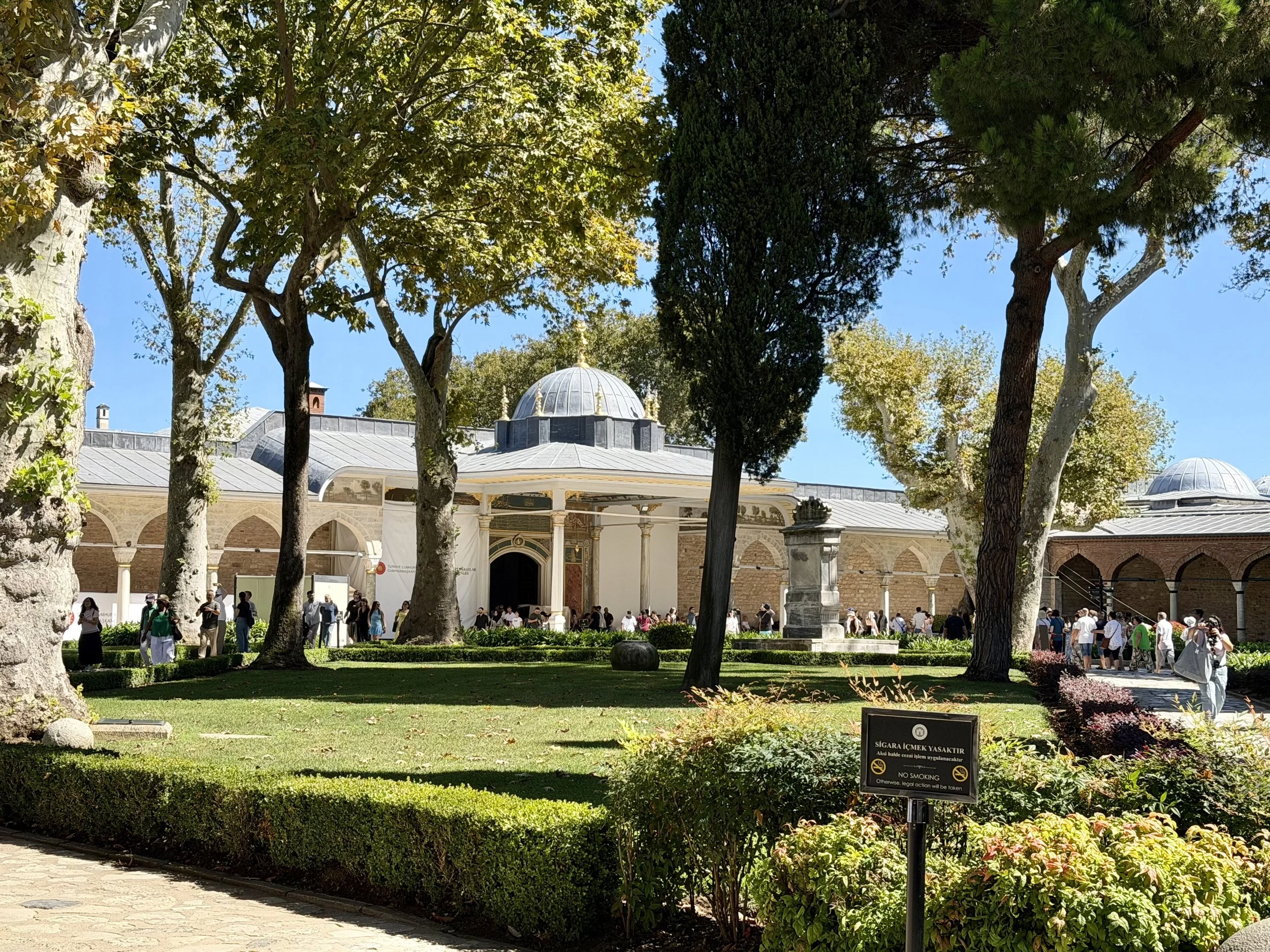
The Harem
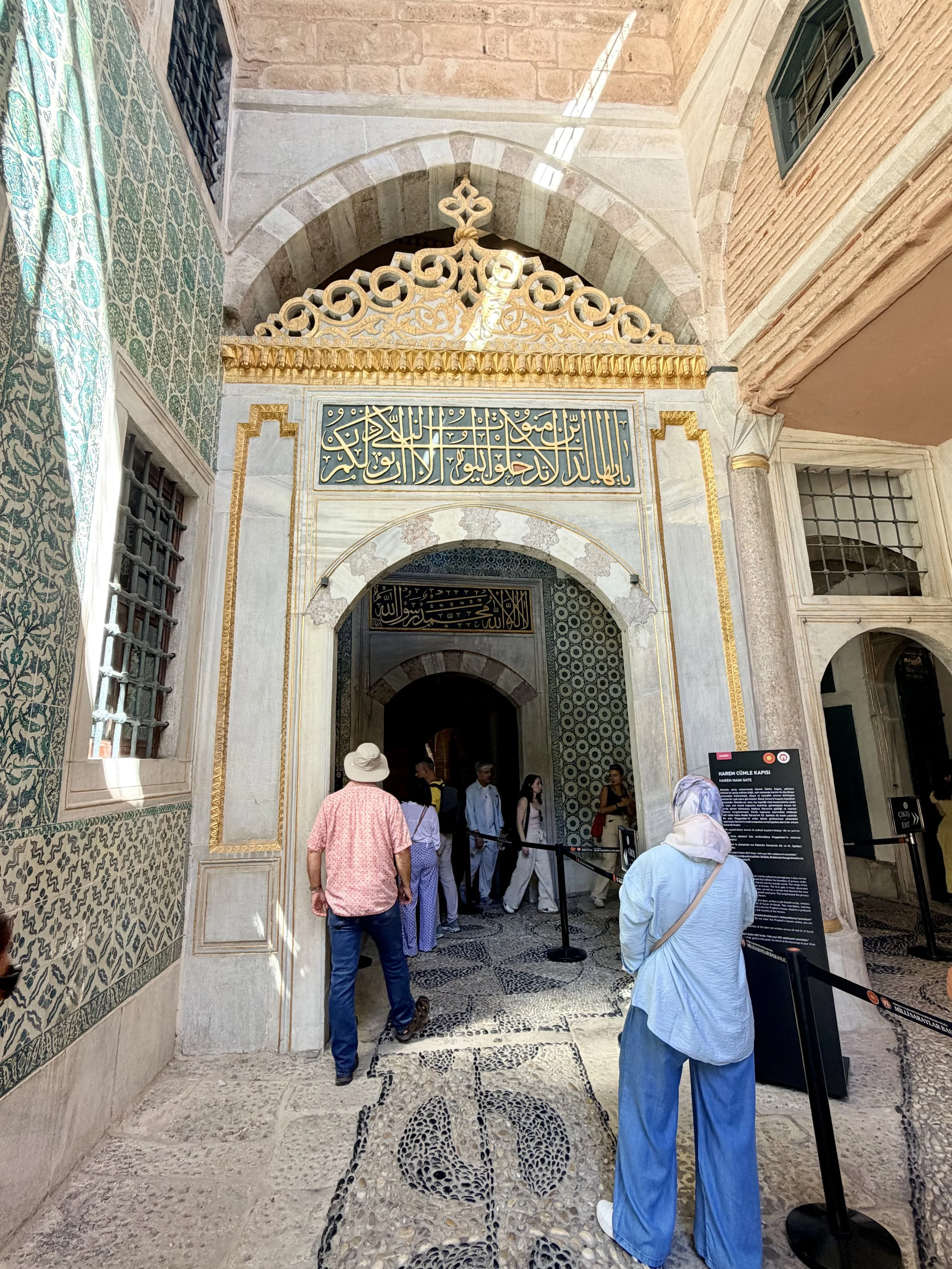
The harem was the was the private residence of the sultan and his family - his mother, up to four wives, and his children - along with concubines (female servants), eunuchs, dwarfs, and other household staff. Life in the harem wasn’t as titillating as the movies have led us to believe, though there was certainly plenty of intrigue as the wives competed for the sultan’s favor and chose which concubines the sultan would sleep with.
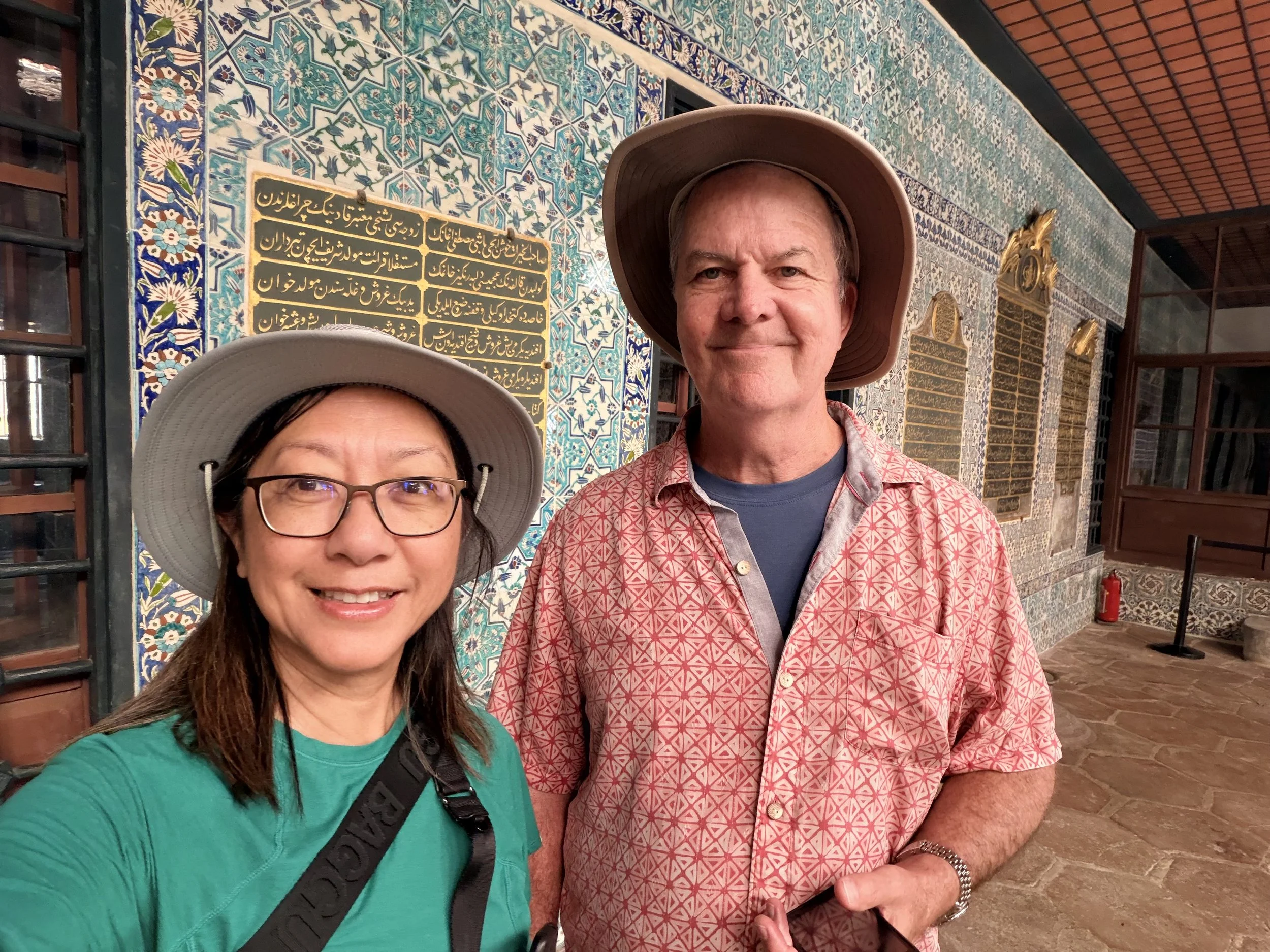
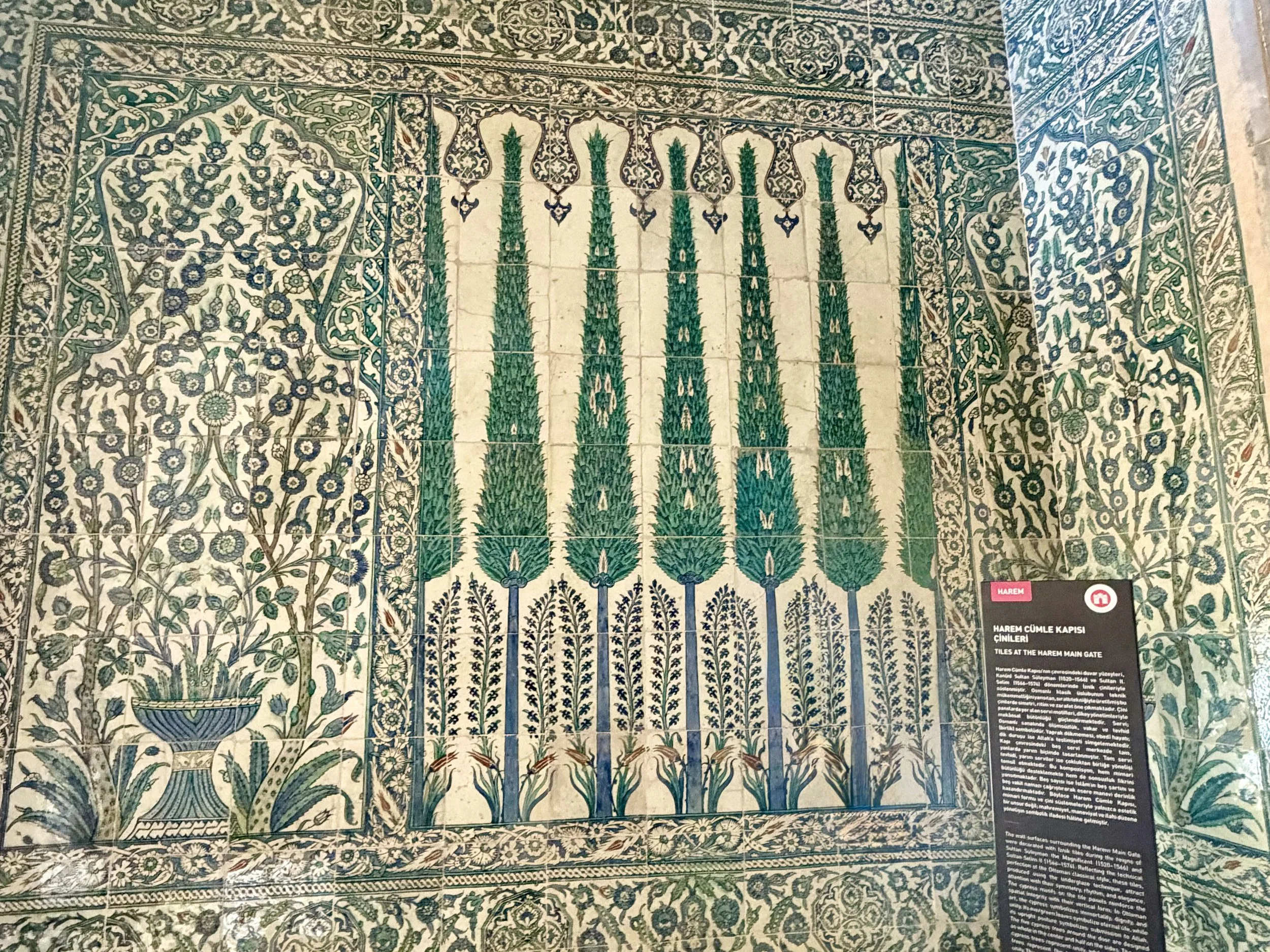
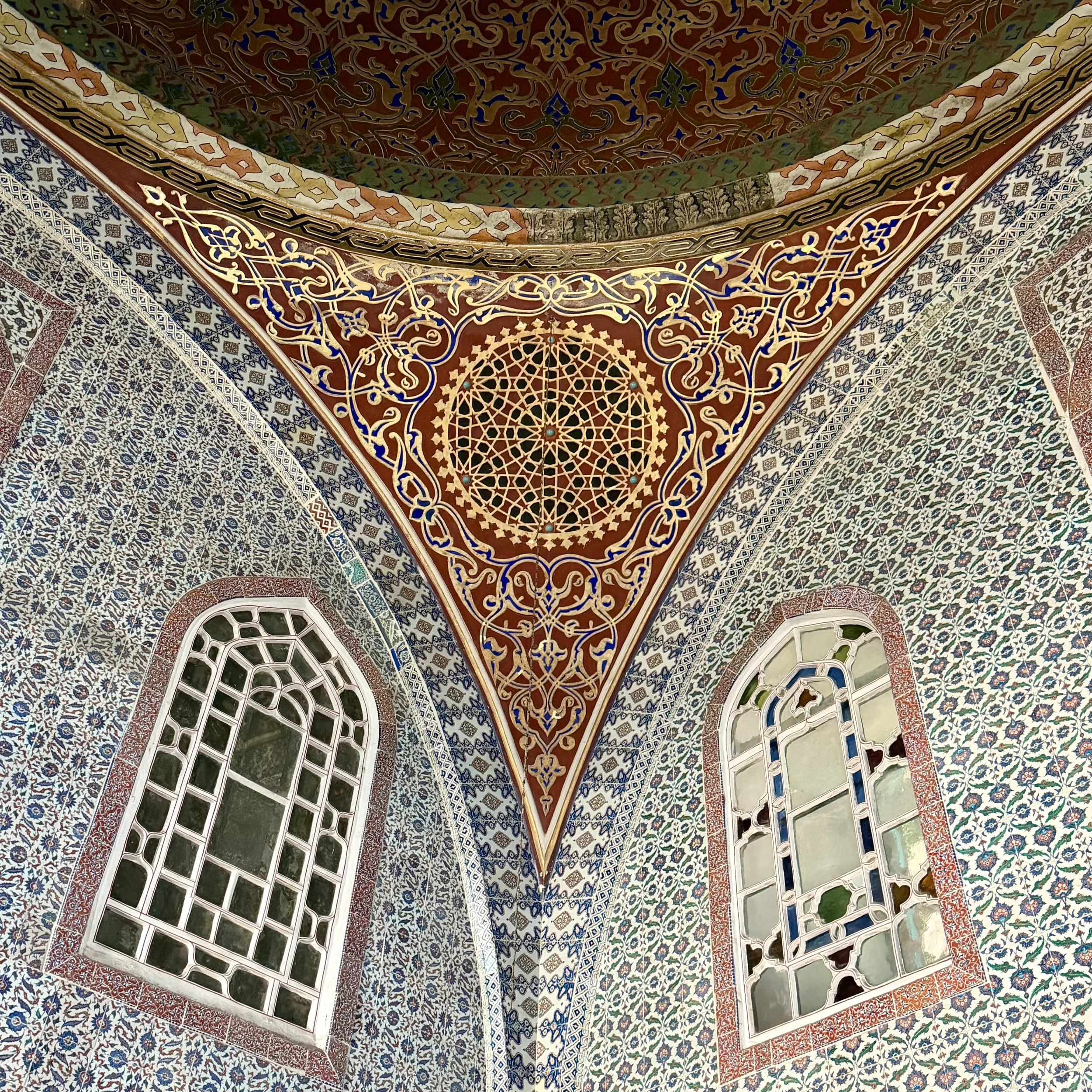
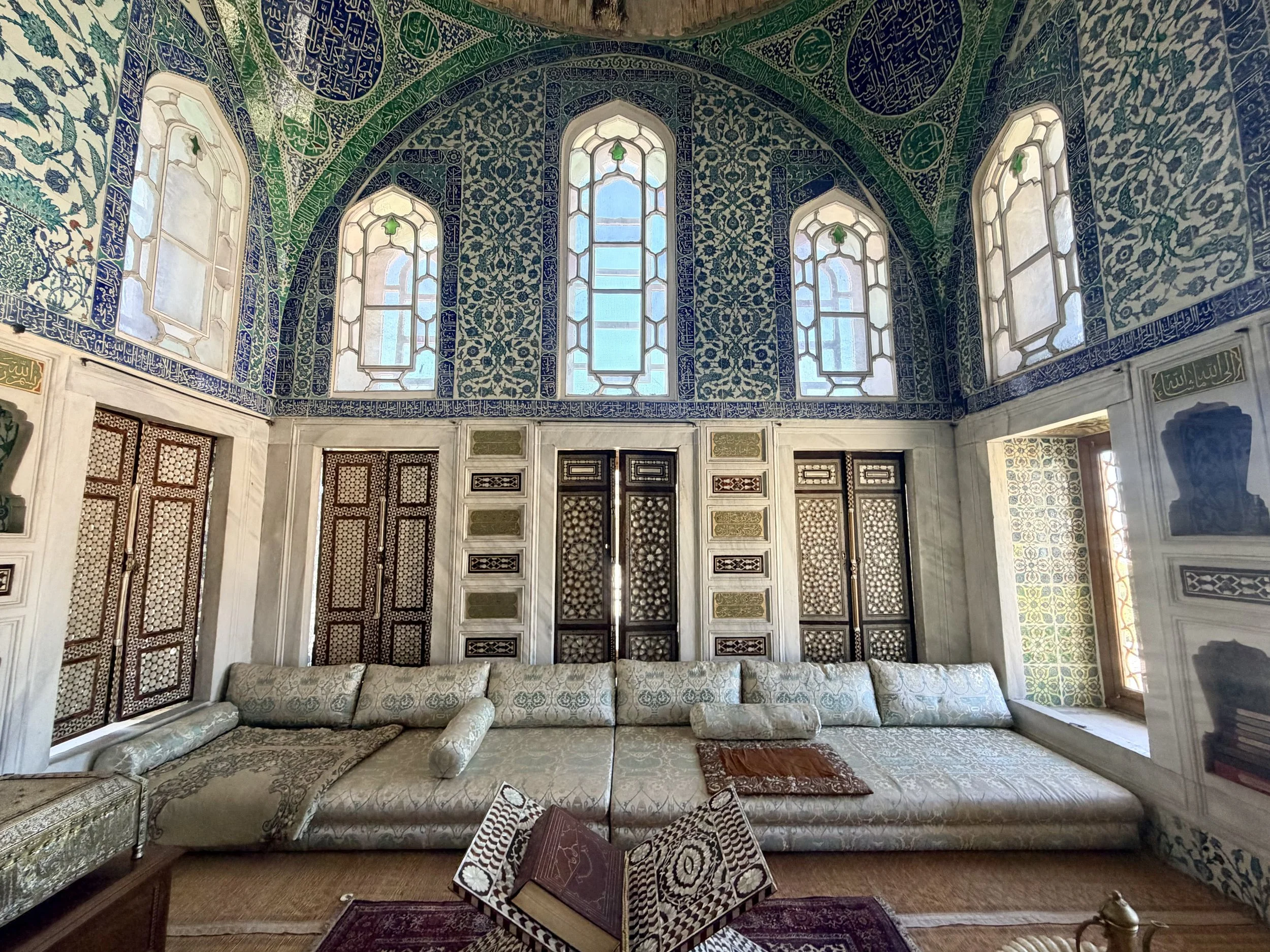
We walked through the Courtyard of the Eunuchs, then the Courtyard of the Wives and Concubines, admiring the beautiful ceramic tiles and the fireplaces with distinctive pointed tops. Carved cartouches with elegant Islamic script were everywhere, some with verses from the Koran and others proclaiming the names of wealthy palace patrons and how many jars of olive oil they provided.
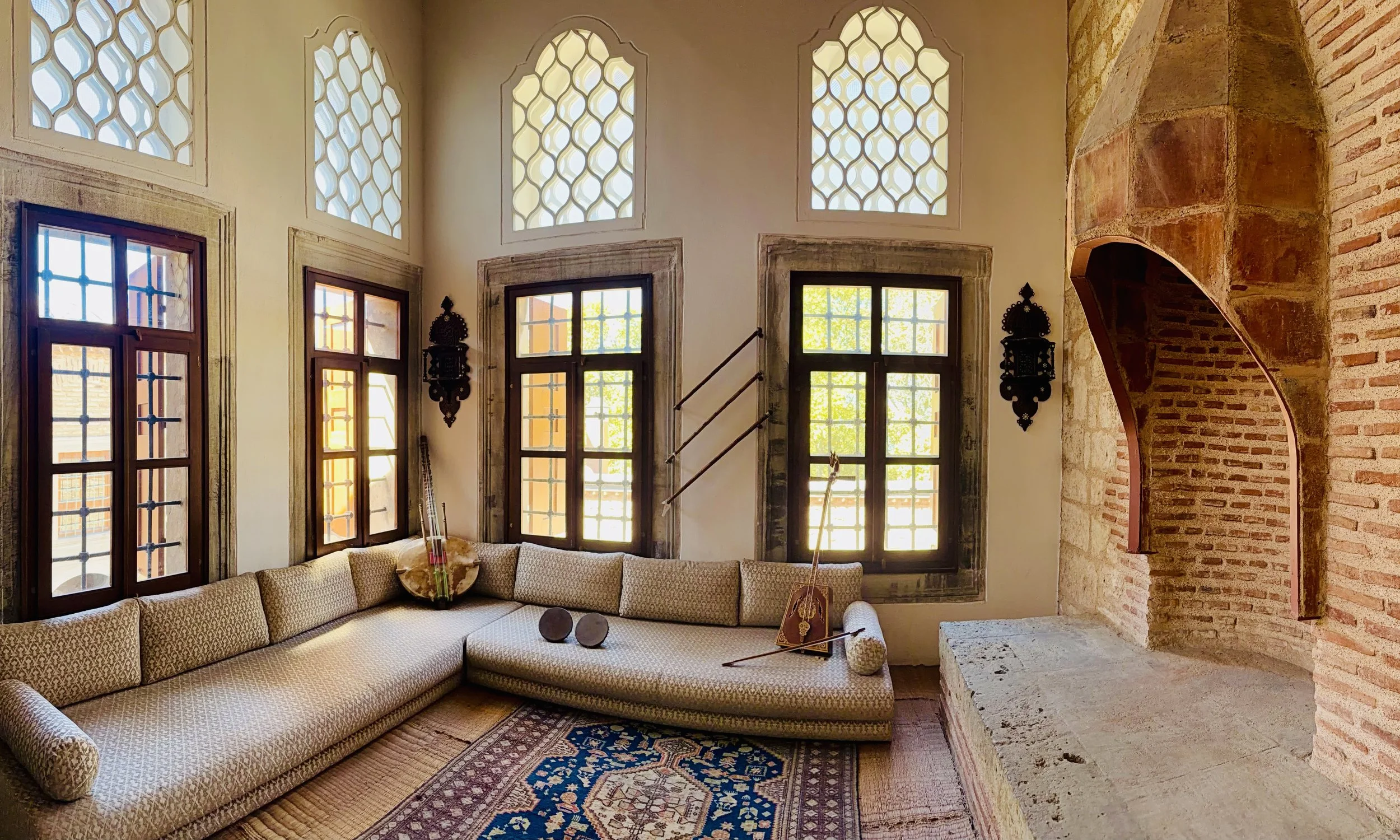
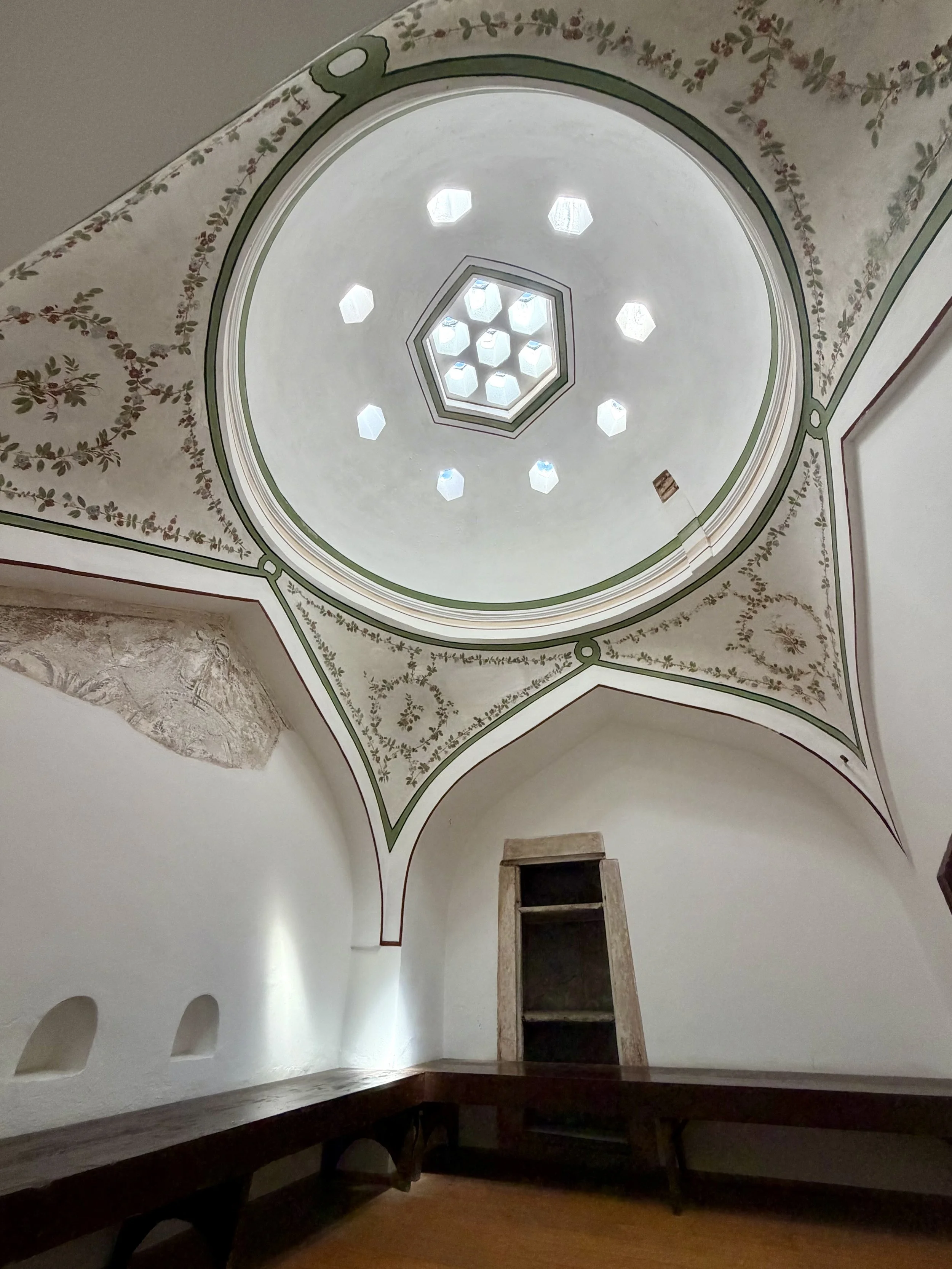
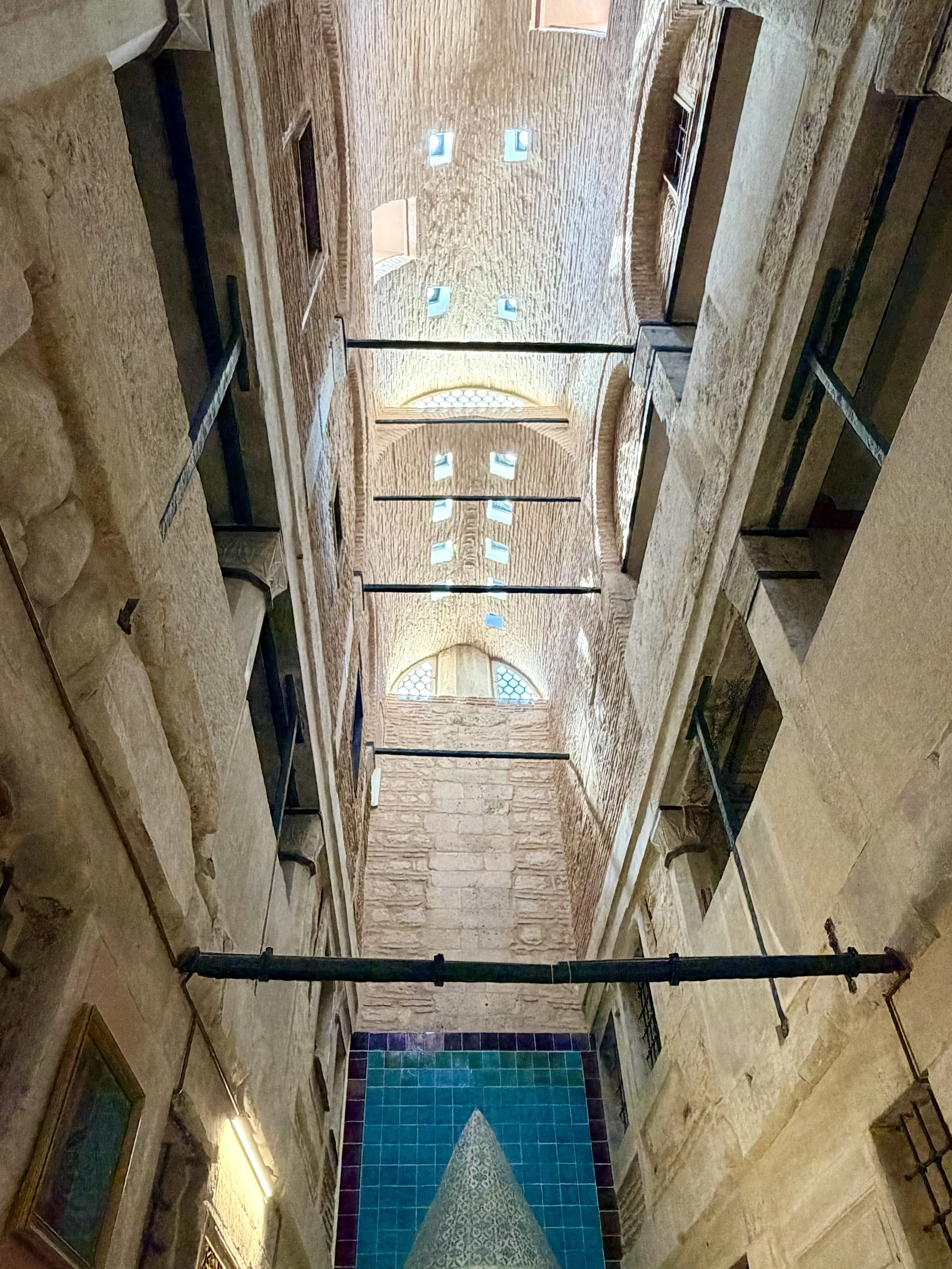
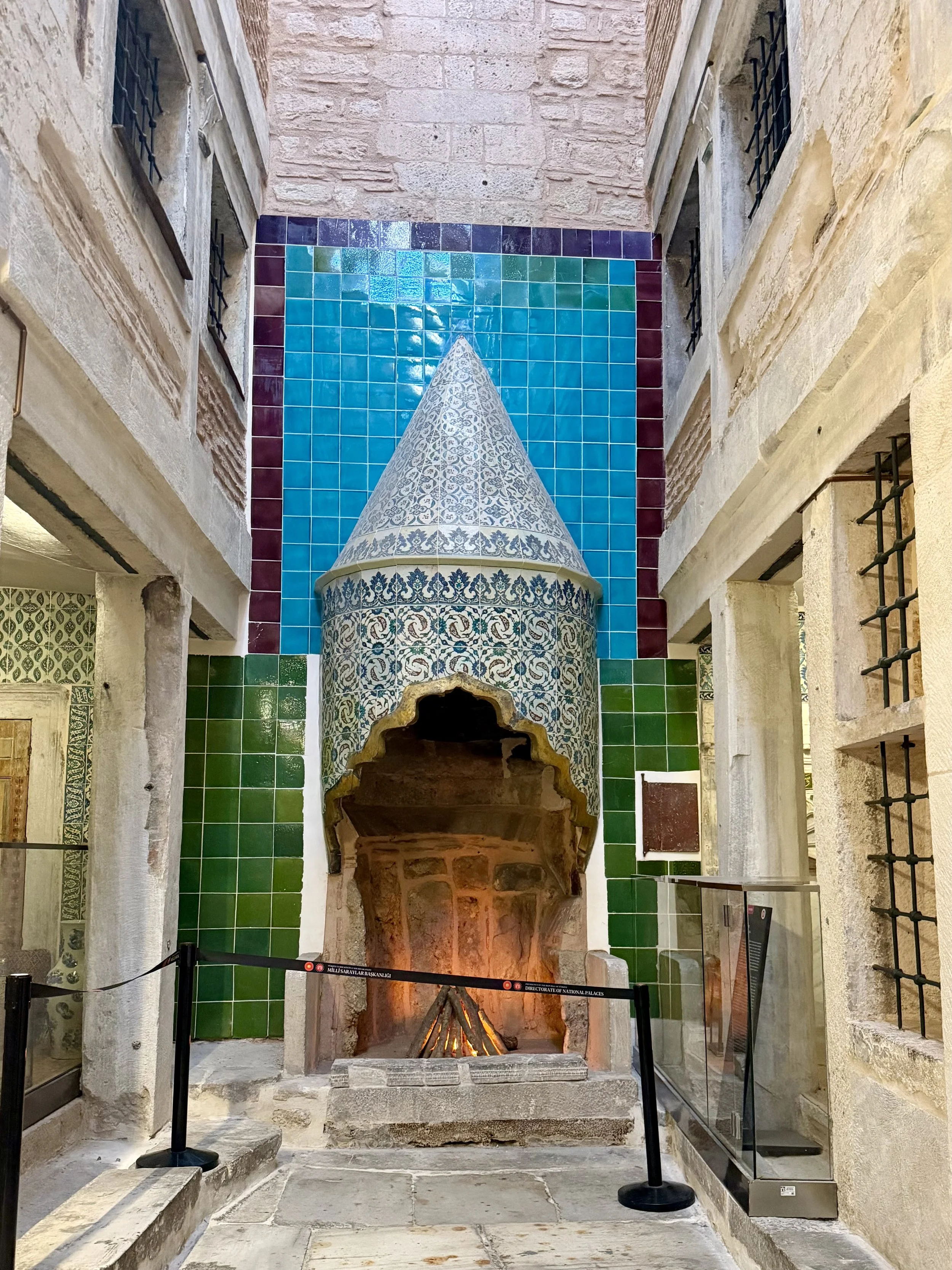
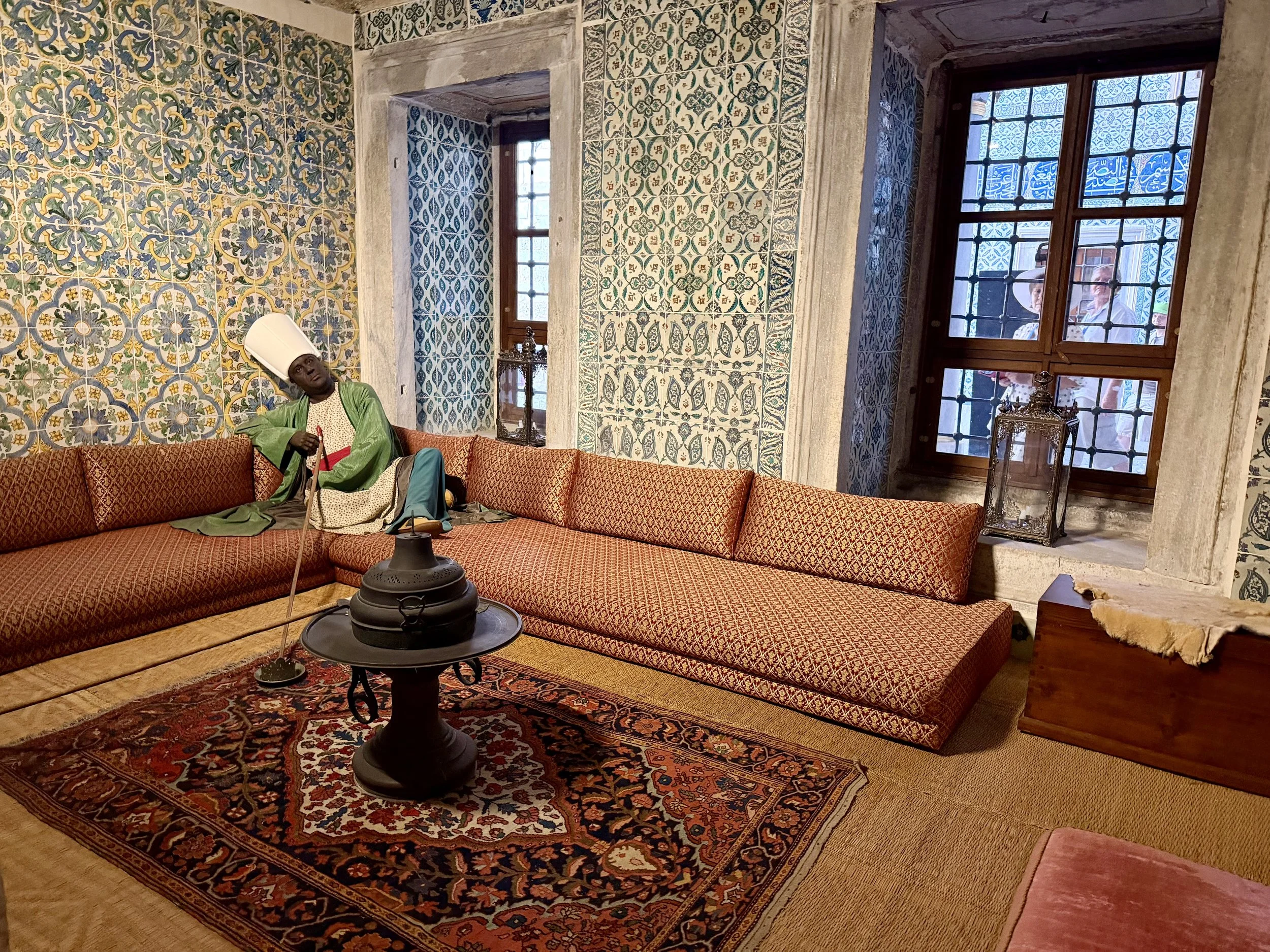
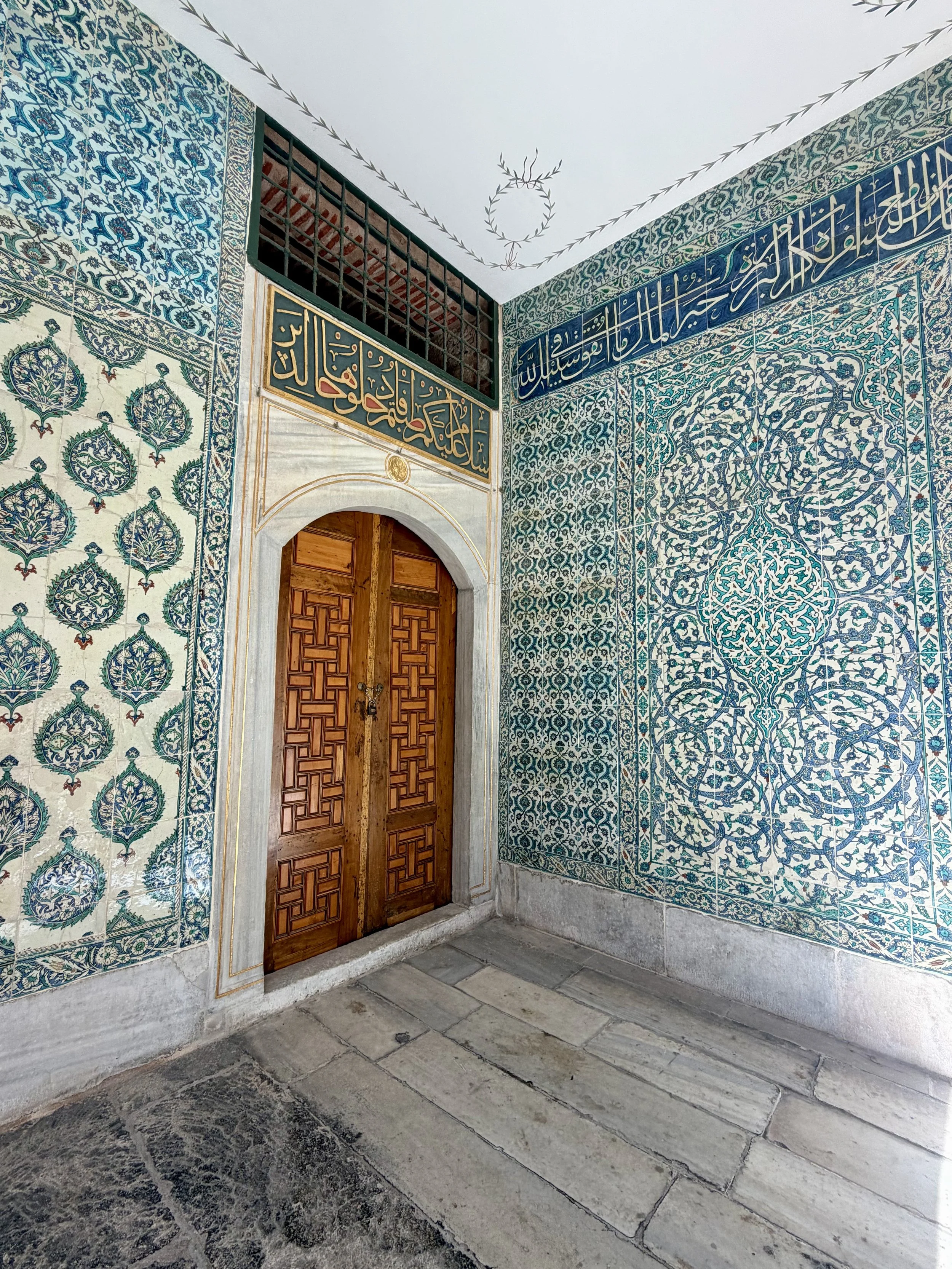
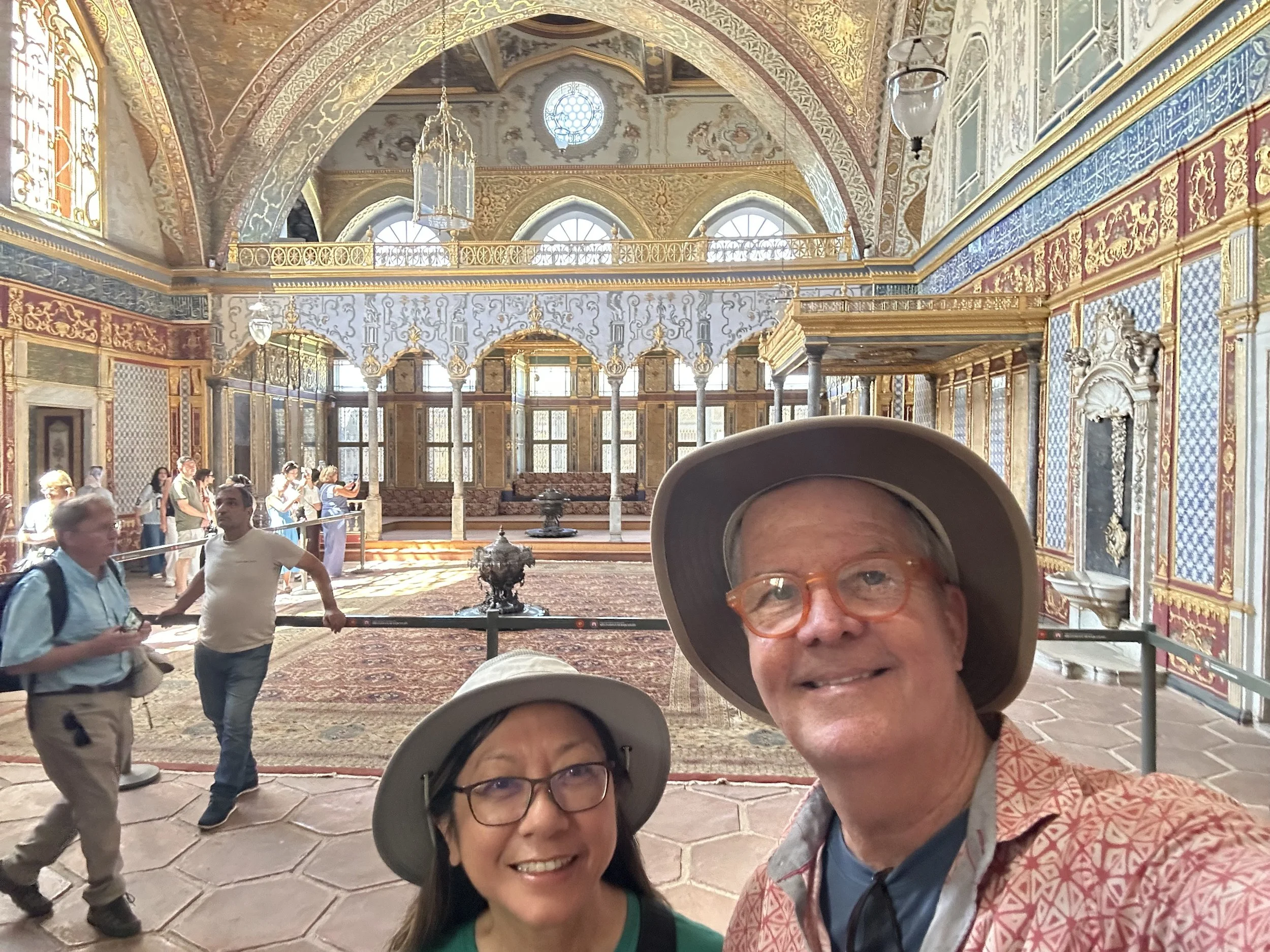
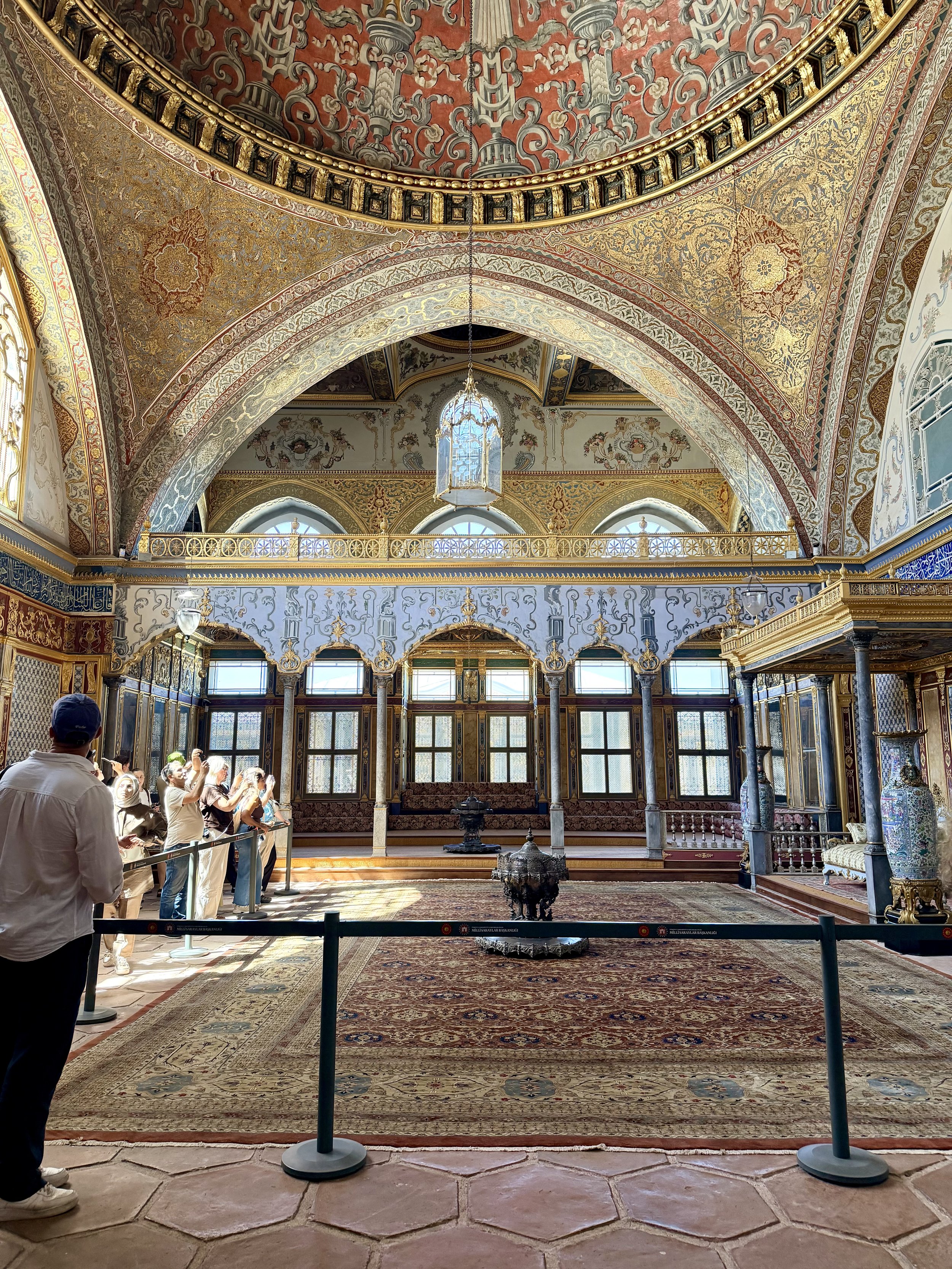
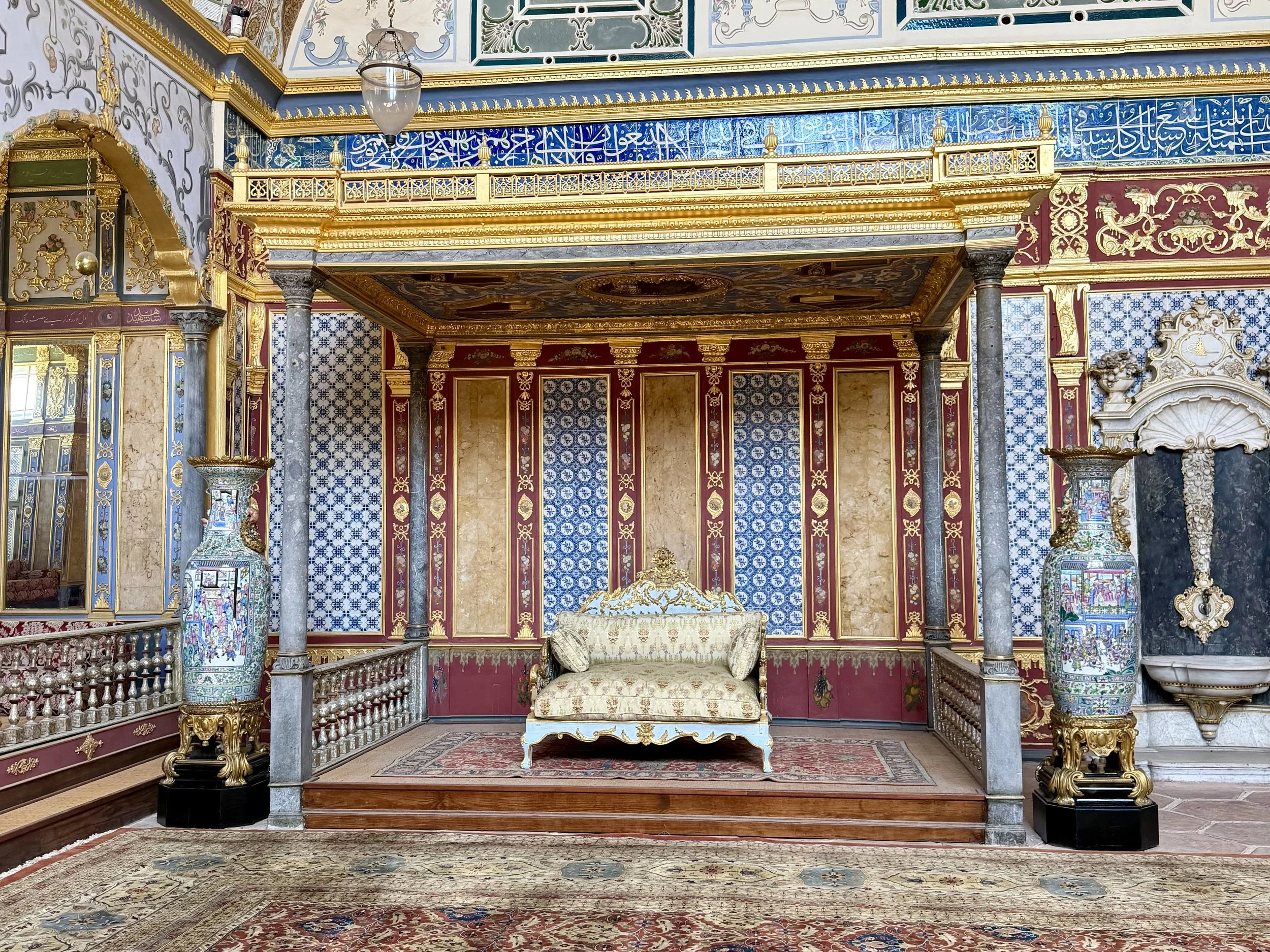
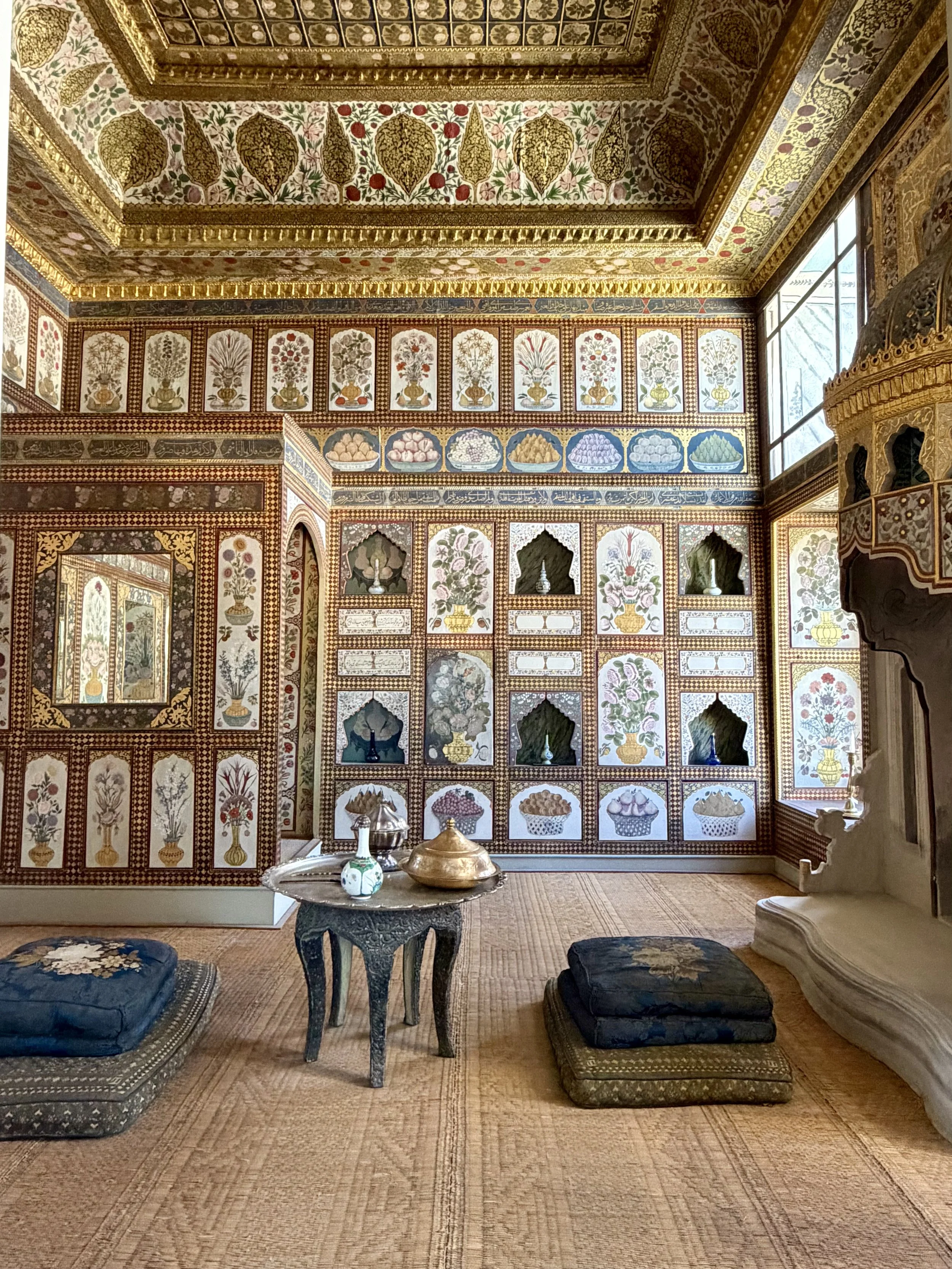
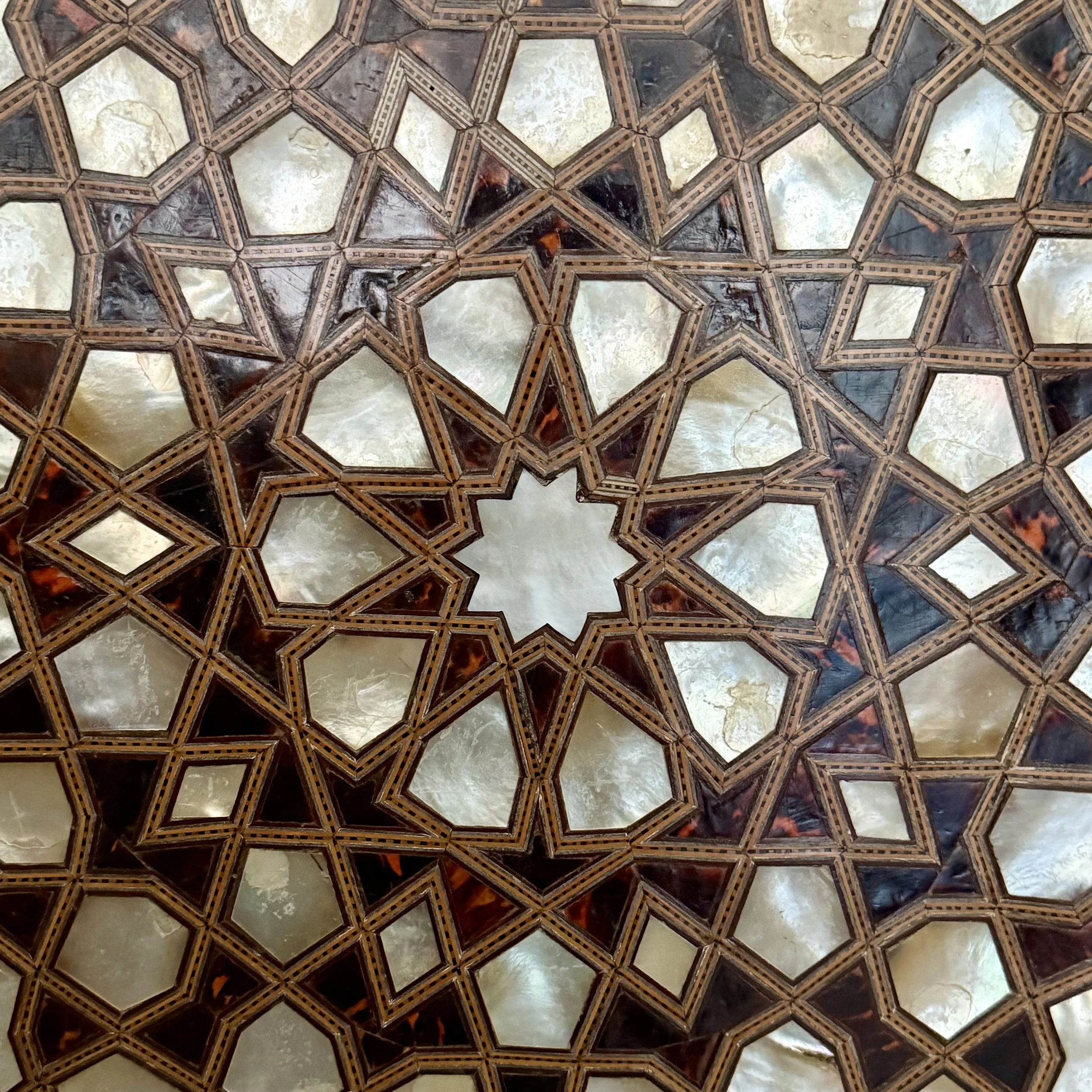
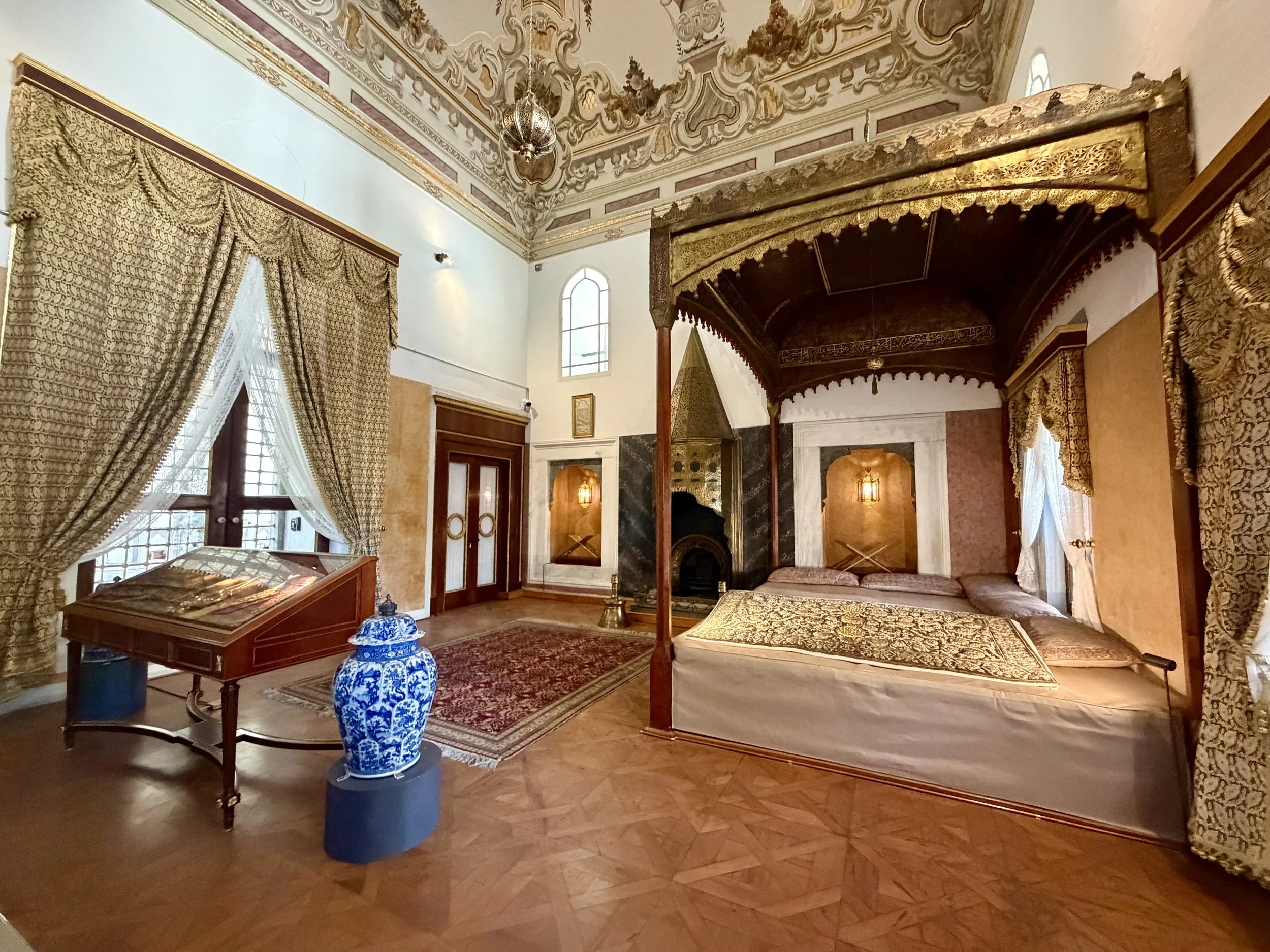
The impressive Imperial Hall was used for family weddings and other ceremonies and celebrations. It had a large dome and an upper gallery for musicians. The room glowed with lavish gold decorations, reminding me of Versailles. Nearby were the sultan’s private (privy) chambers, which though more intimate in scale, were just as opulent. I especially loved the colorful Iznik ceramic tiles and the wooden doors inlaid with mother of pearl and tortoiseshell - they were the epitome of Ottoman art. Just think, all of this stunning beauty was just for the sultan’s personal enjoyment.
Holy Relics
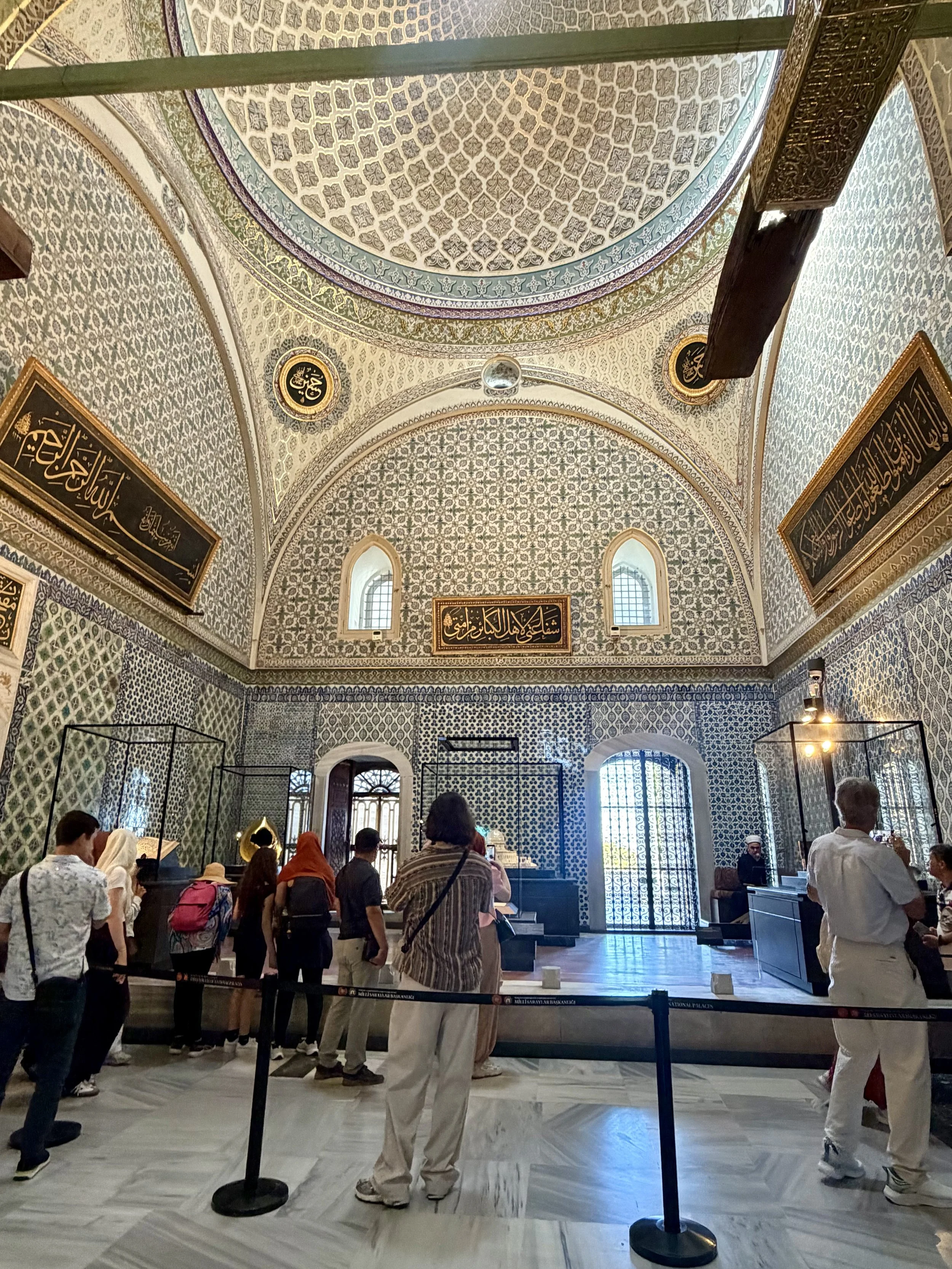
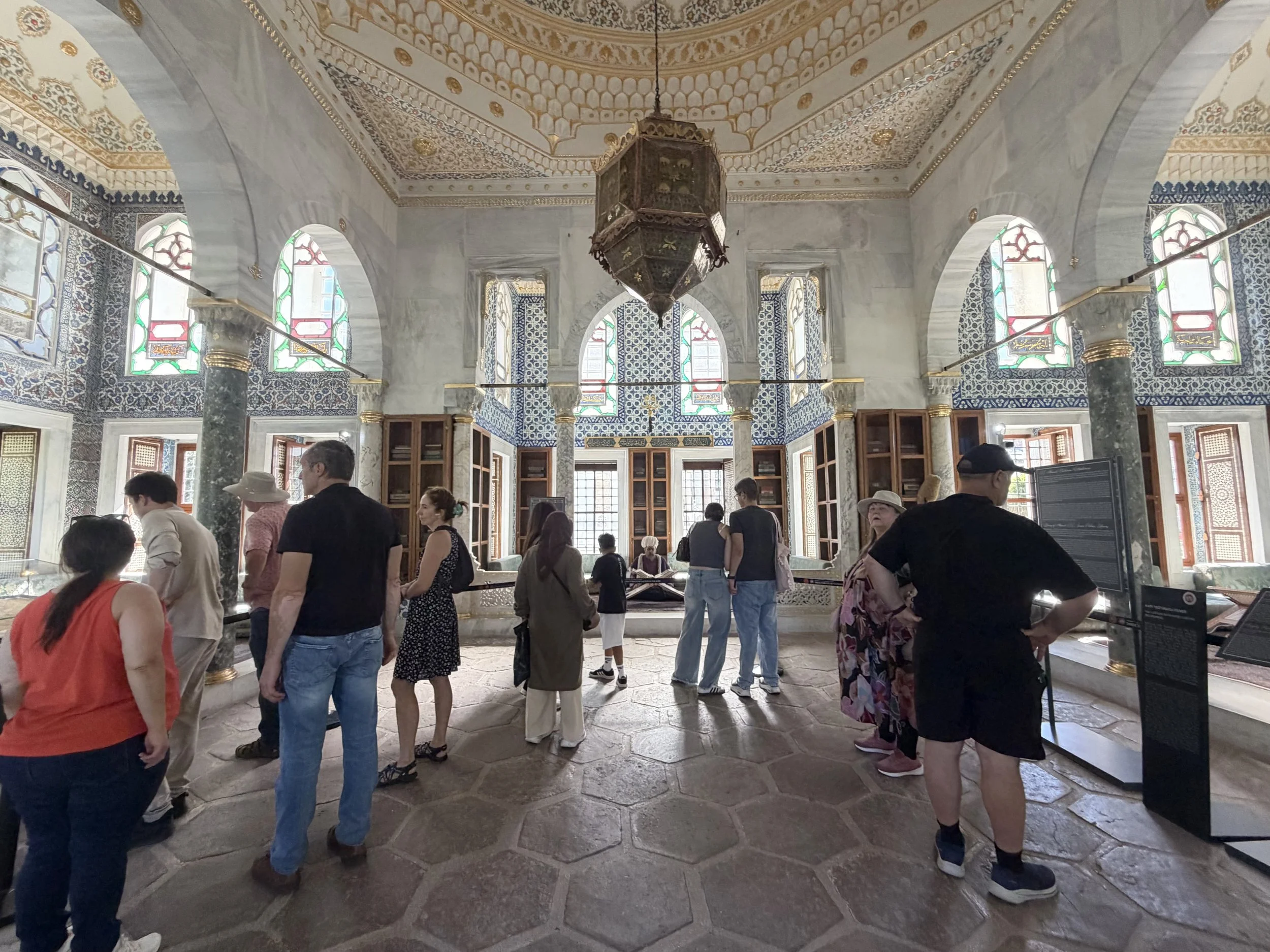
Topkapı’s famous collection of Holy Relics was displayed in another set of privy chambers. The relics were so sacred that I had to wear a headscarf, as if visiting a mosque. In one corner, a man chanted verses from the Quran; this has been done every day, around the clock, for the past 400 years!
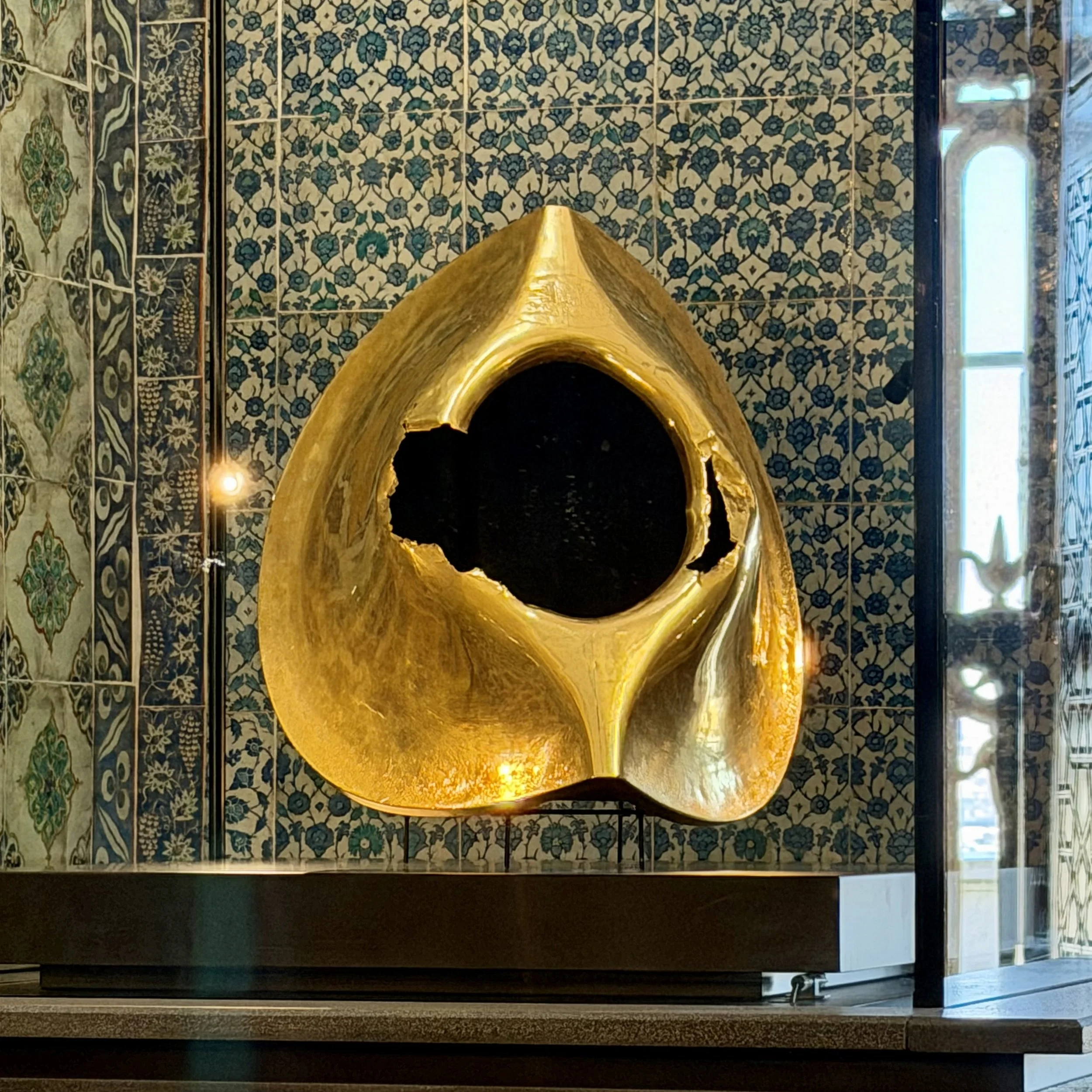
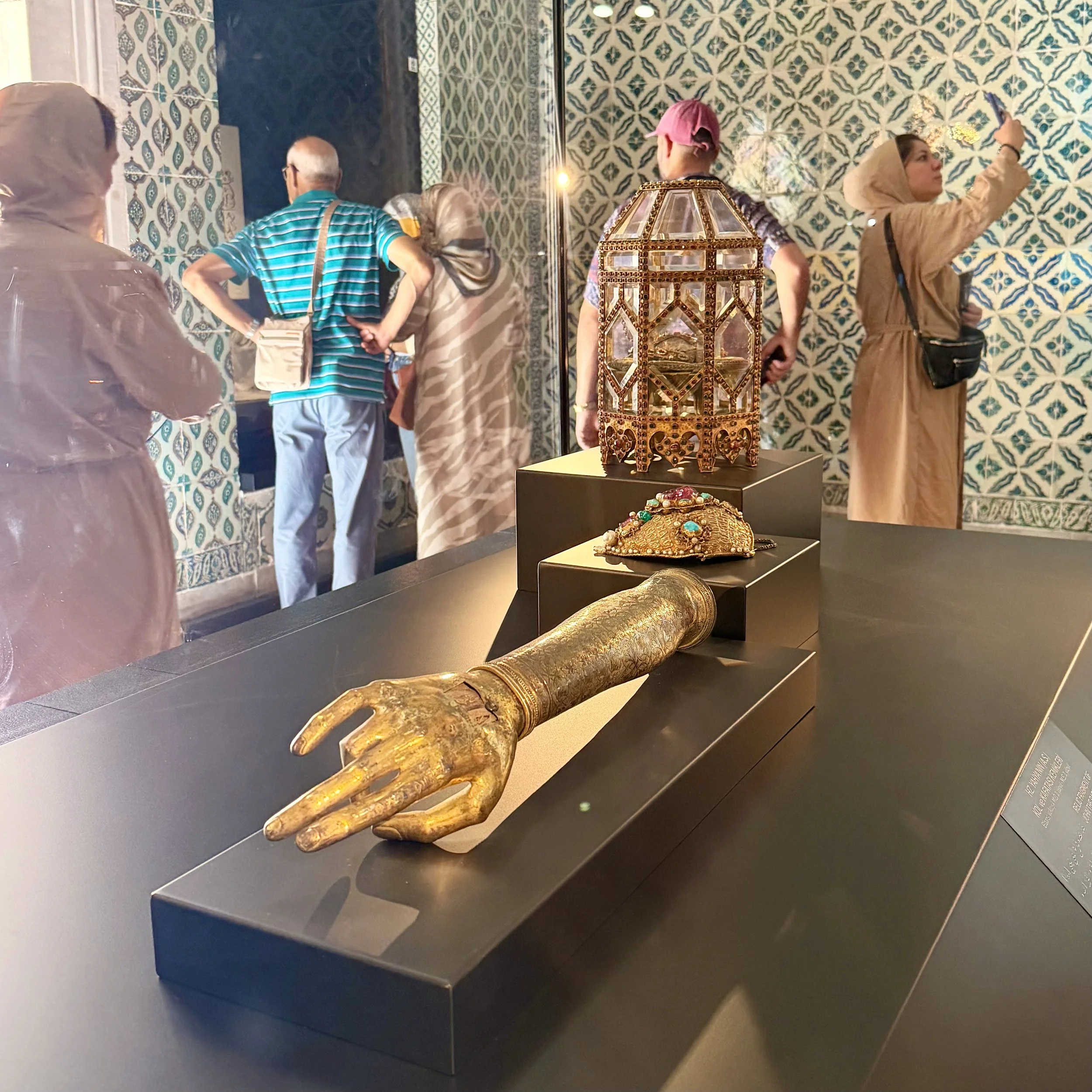
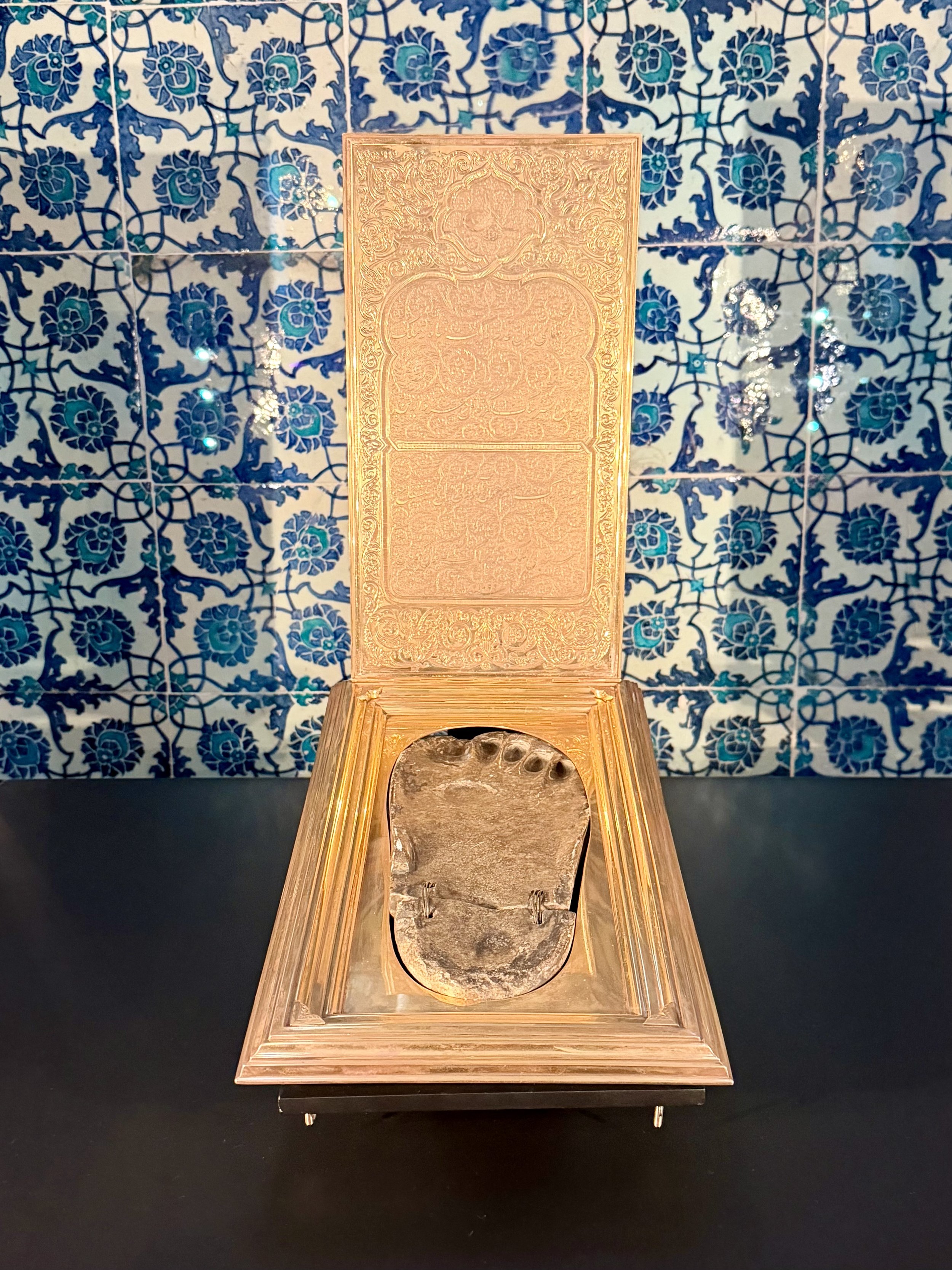
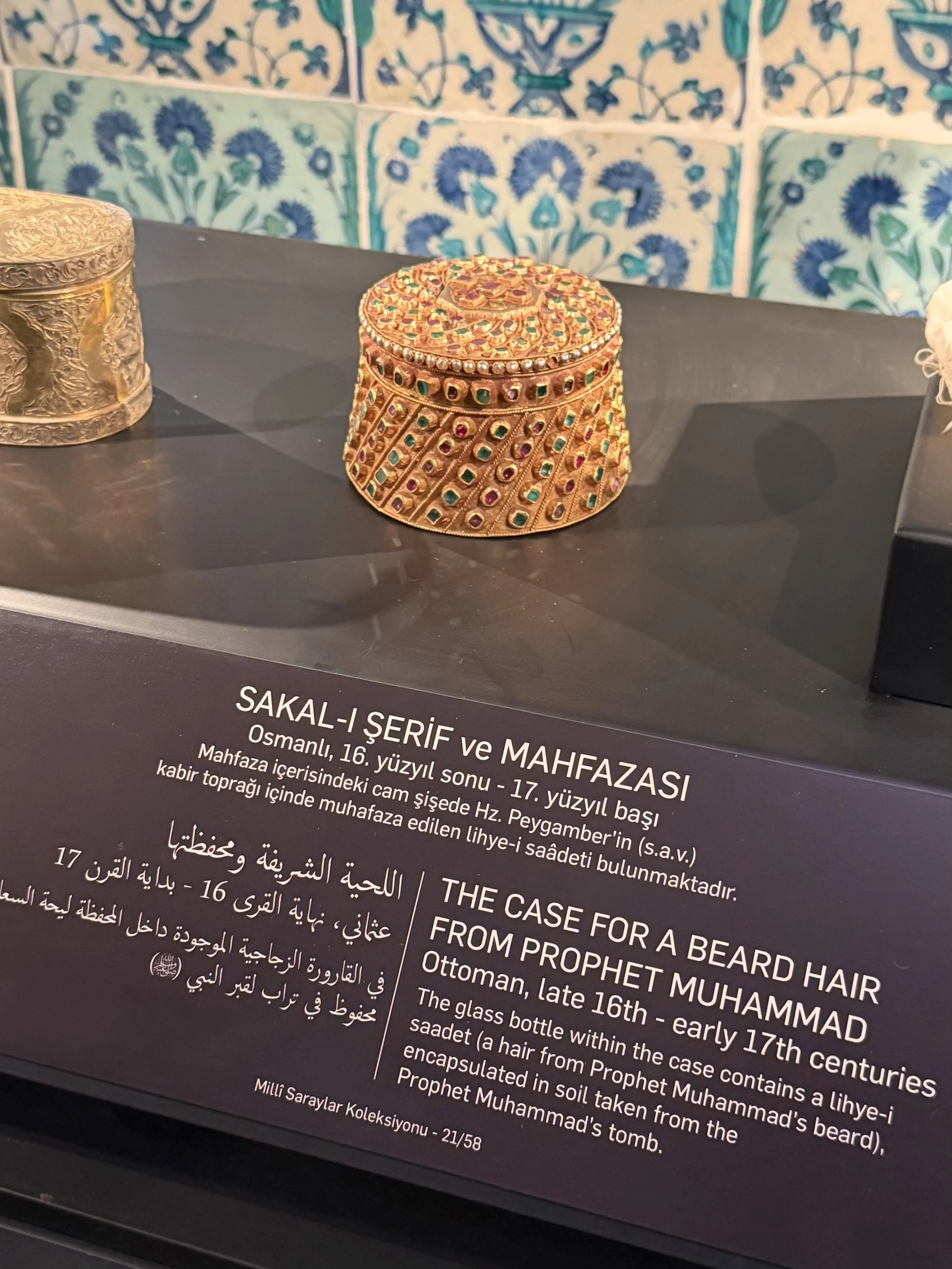
One impressive relic was a large golden case for the Black Stone - the legendary stone that descended from heaven and was placed by Muhammad on the Kaaba in Mecca. There was a room with relics from Jewish and Christian prophets (also revered by Muslims); they included the staff that Moses used to part the Red Sea, the sword of King David, and fragments of the arm bone and skull of John the Baptist. The largest room was dedicated to Muhammad, the founder of Islam and the Last Prophet. These relics included letters he had written, castings of his footprints, and dozens of decorative boxes, each containing a single hair from Muhammad’s beard.
Treasury
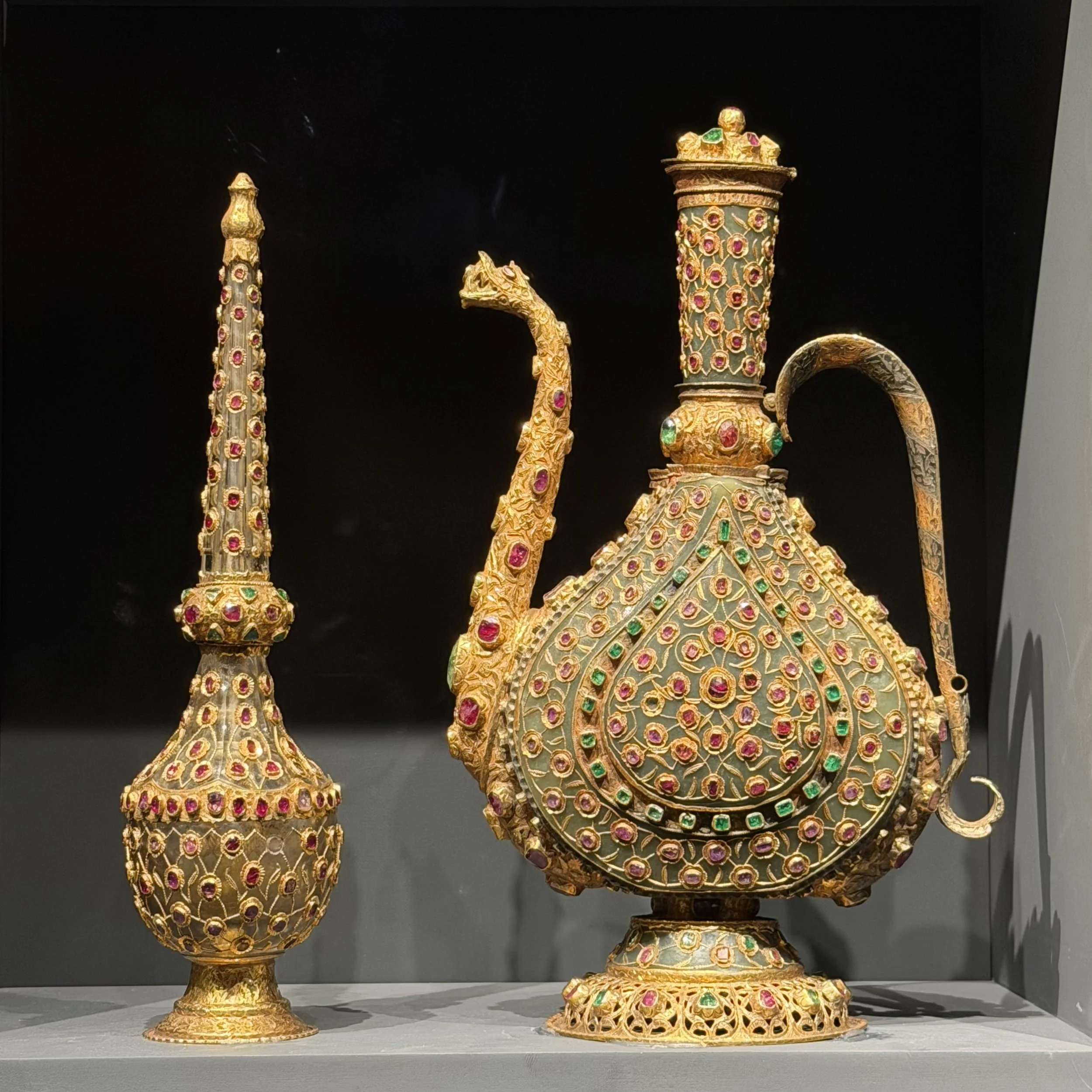
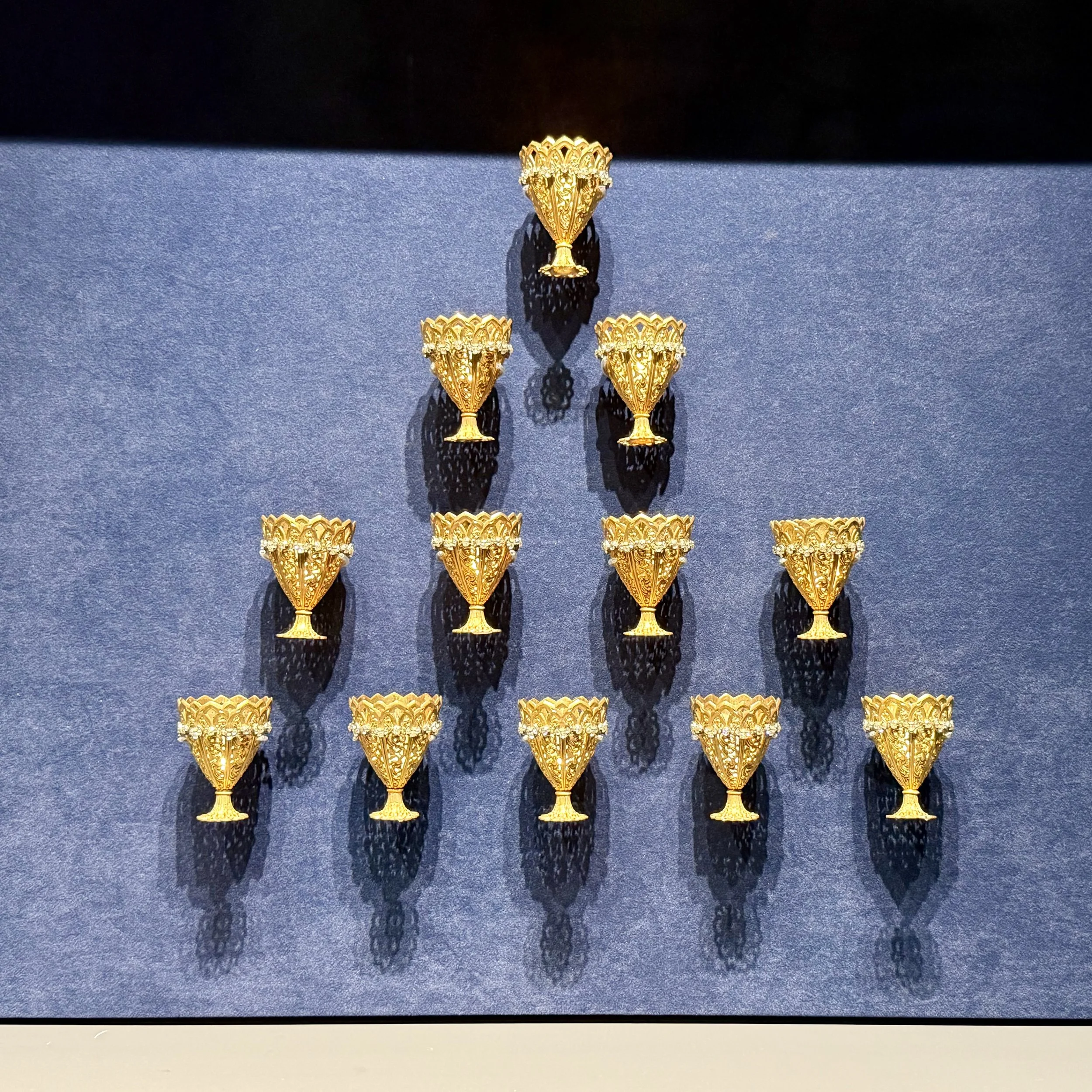
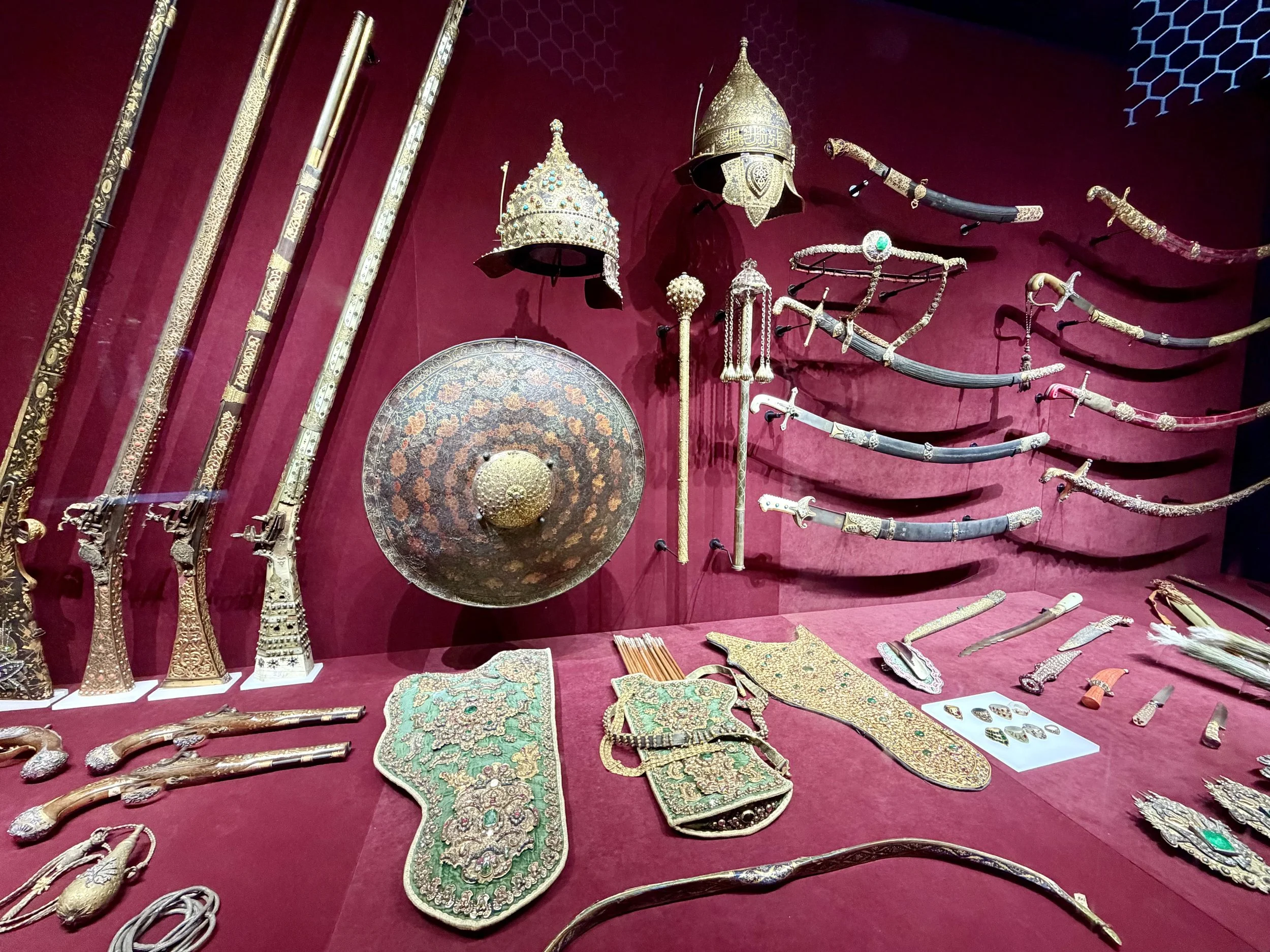
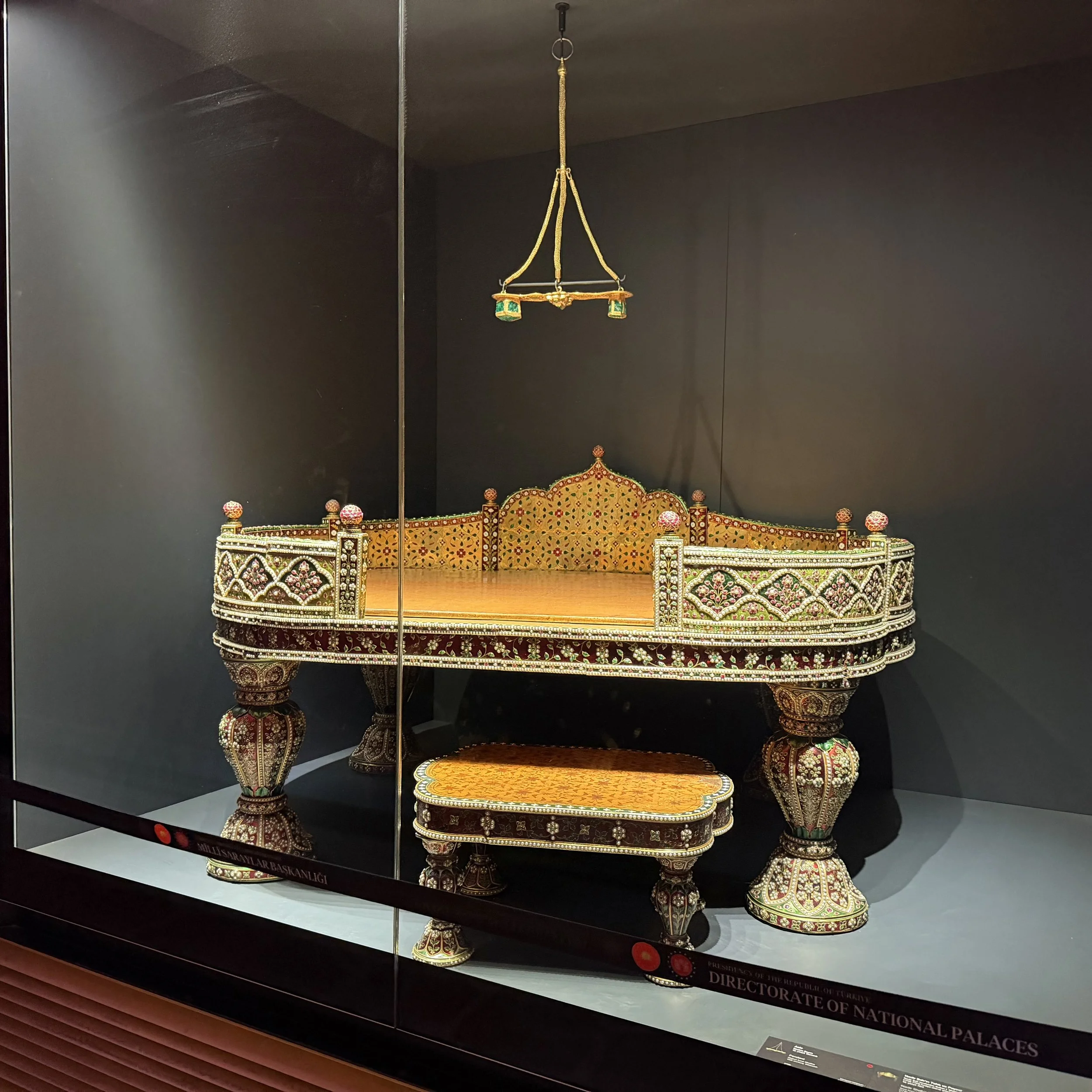
It’s always fun to see royal treasure, and the Ottoman sultans certainly had plenty of it. There were jewel-encrusted gold vessels, jewelry, thrones, and lots and lots of swords. The two most impressive treasures had interesting backstories:
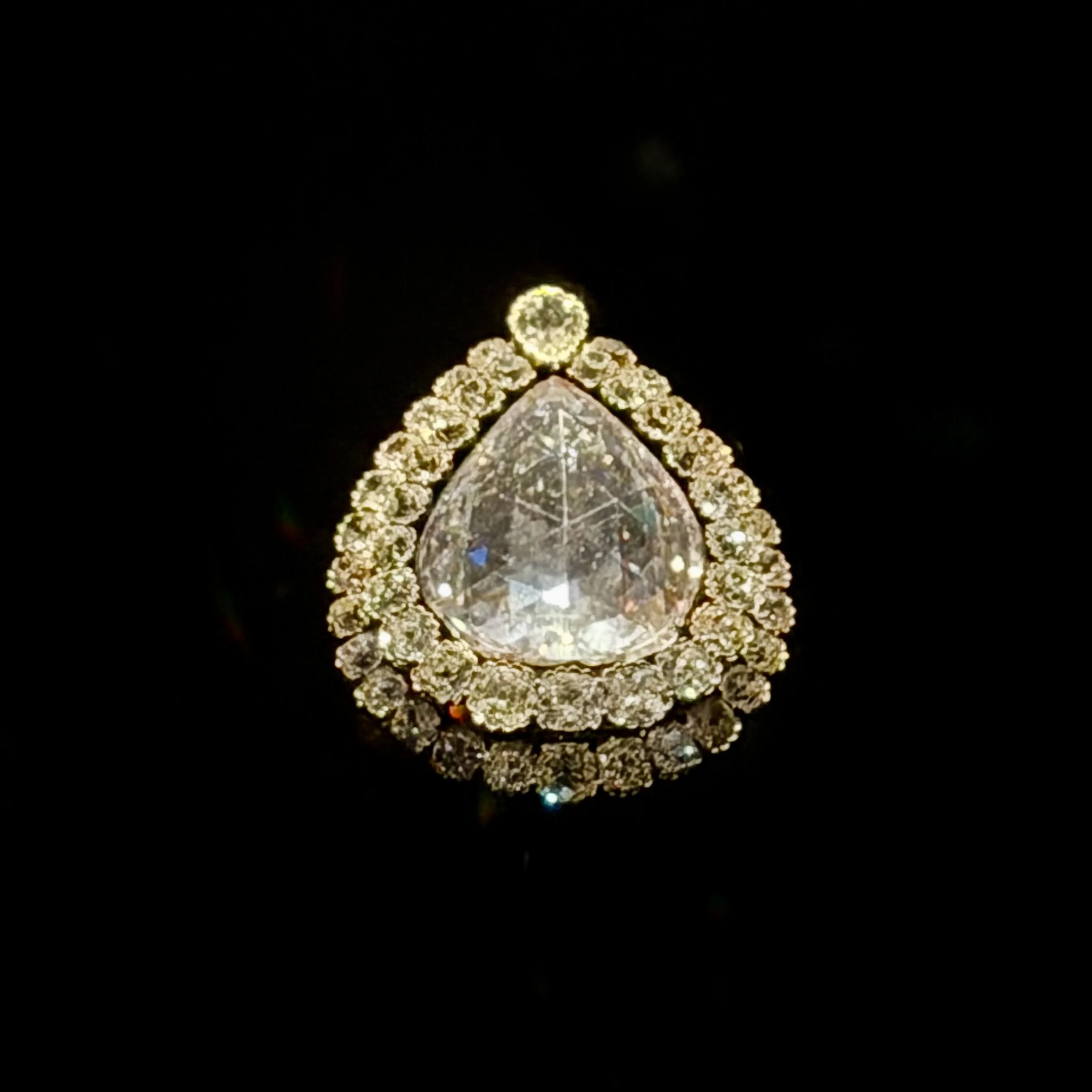
The Spoonmaker’s Diamond was an 86-carat pear-shaped diamond surrounded by 49 mine-cut diamonds. Legend has it that a poor fisherman found it in a rubbish heap and, thinking it was glass, traded it to a jeweler for three spoons.
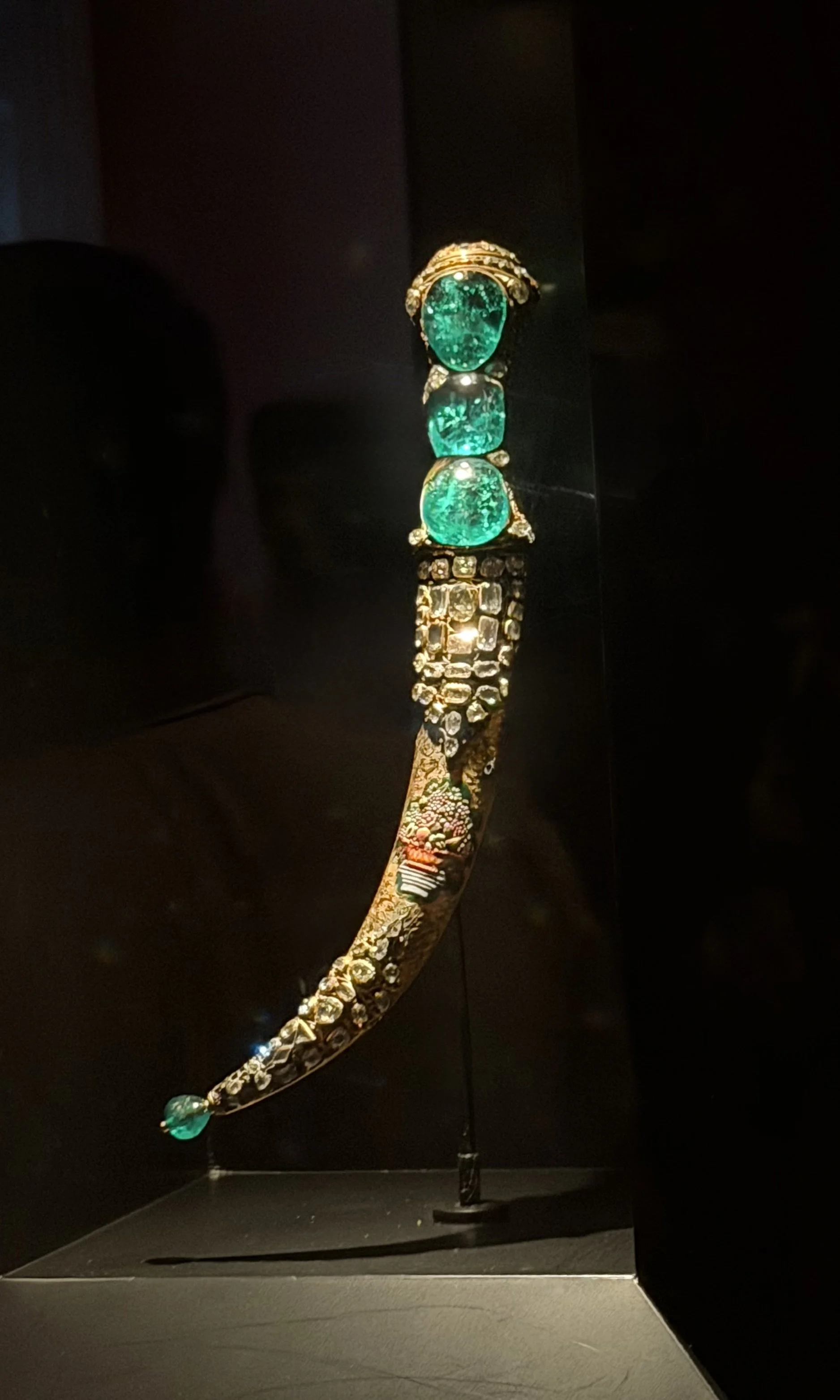
The Topkapı Dagger had three huge Colombian emeralds on its gold handle, and small emeralds and diamonds on its gold scabbard. It was intended to be a gift from the sultan to the Shah of Iran, who was assassinated while the gift was en route.
Other Spaces
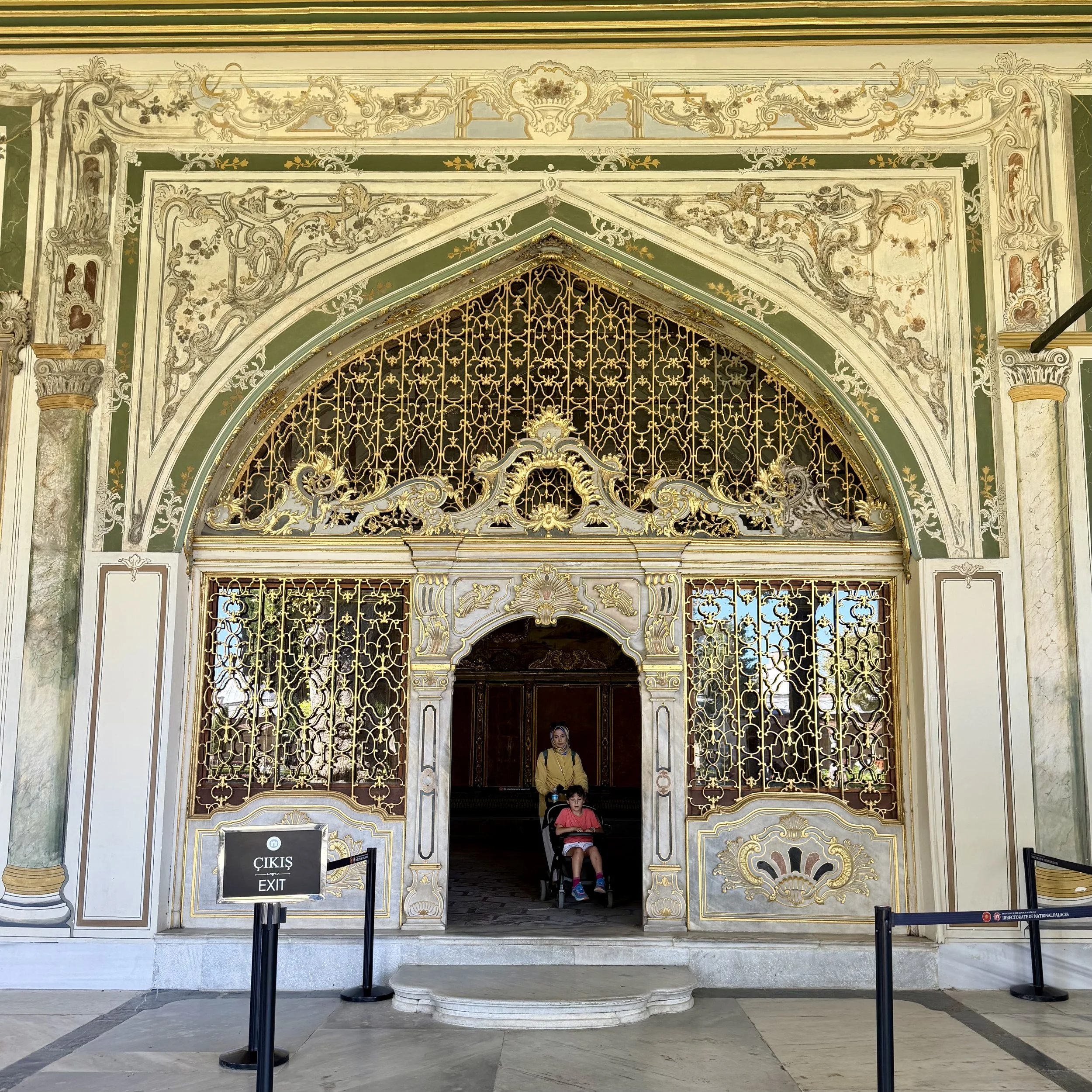
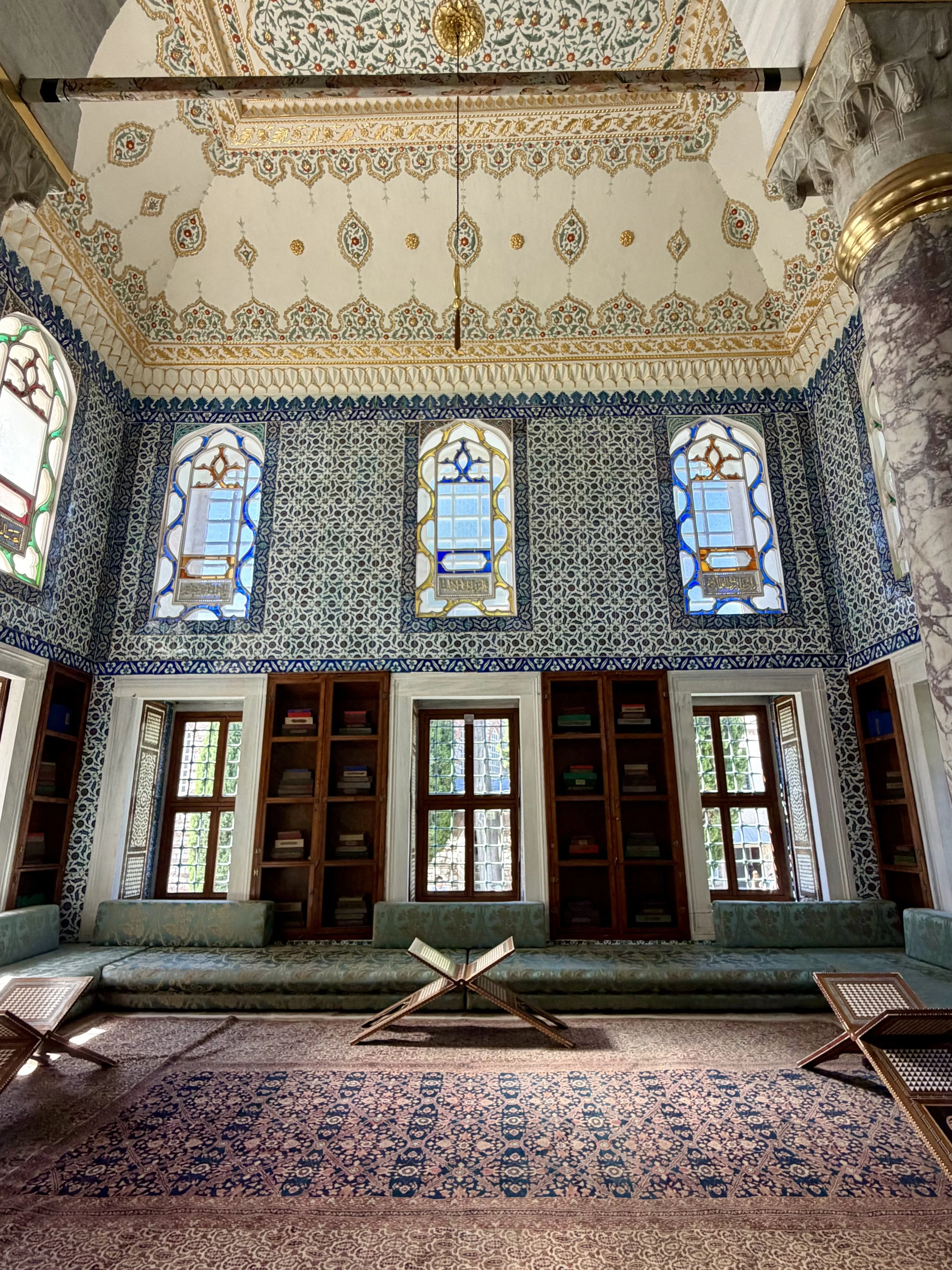
The official rooms of the palace were large and richly decorated. The Divan, where the sultan and his viziers conducted government business, had an ornate golden grille out front. The Audience Room was where the sultan sat cross-legged on his plush “throne" and received visitors. My favorite space was the Library of Ahmet III - the proportions were elegant, and the tiles and inlaid woodwork were absolutely stunning!
We spent more than two hours at Topkapı Palace, and still didn’t see it all. During its 400 years as official palace, 24 of the 36 Ottoman sultans lived and worked there. This palace seemed a fitting place for the rulers of the mighty Ottoman Empire - around 30 million people across Europe, Asia, and Africa.