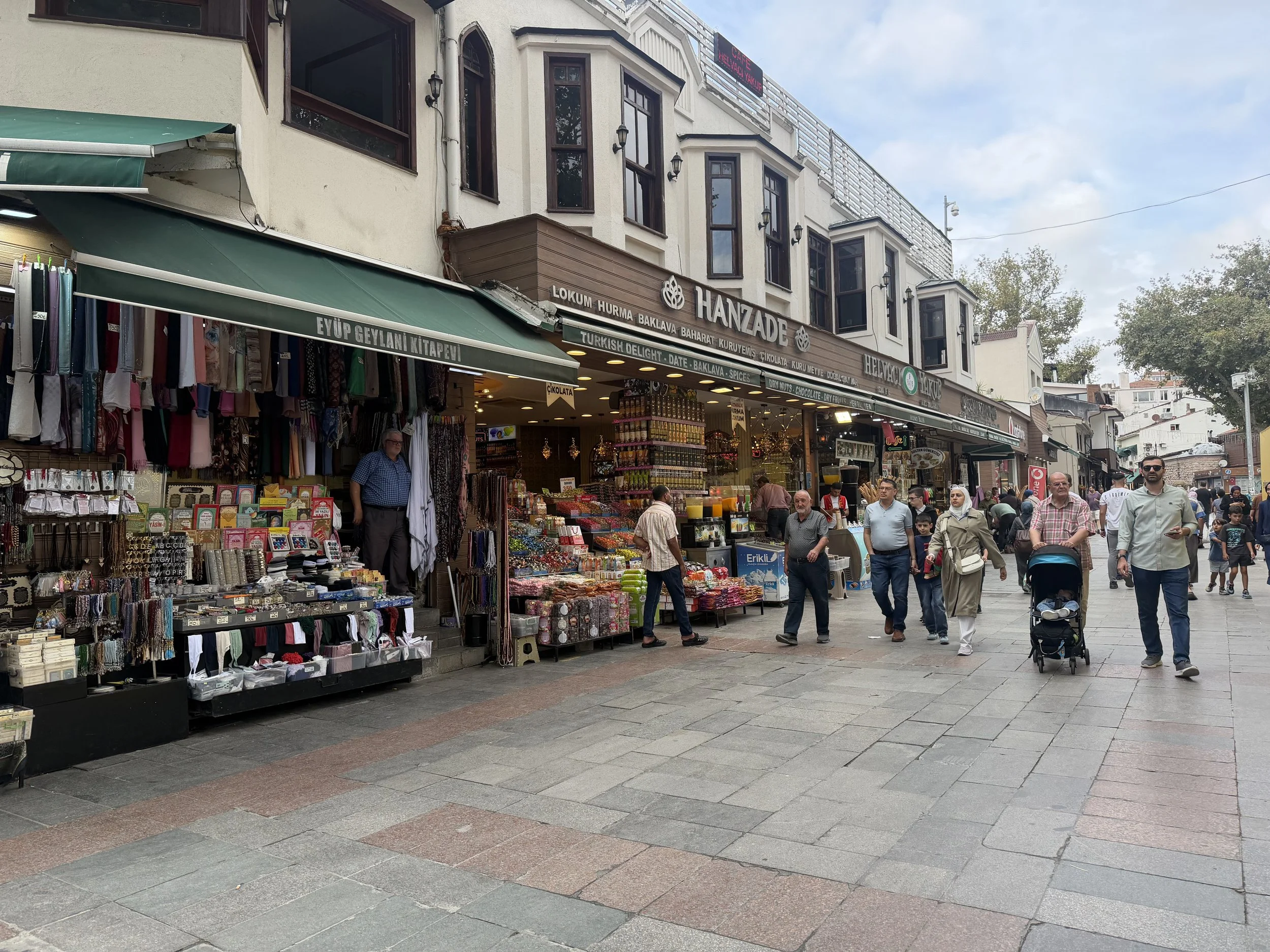
Eyüp
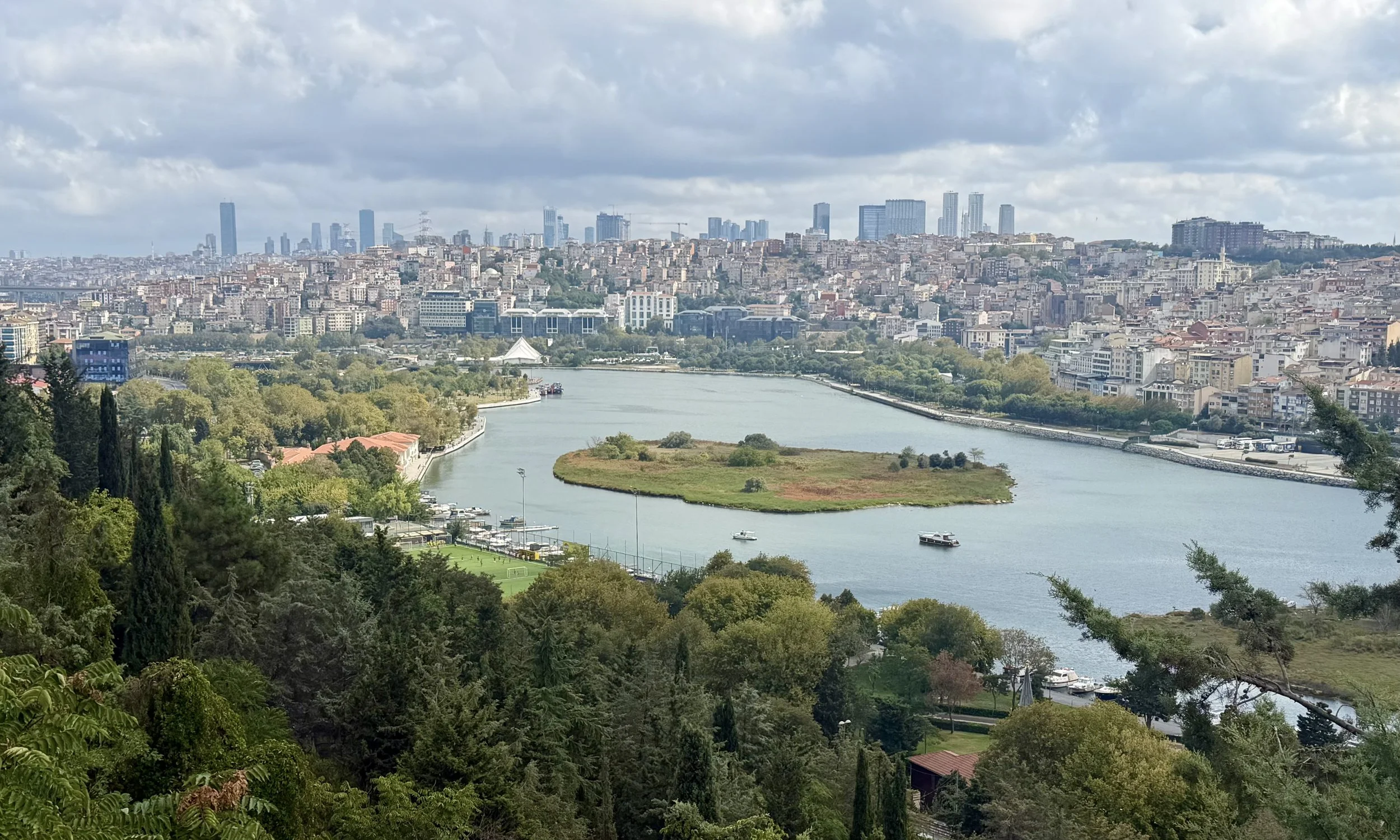
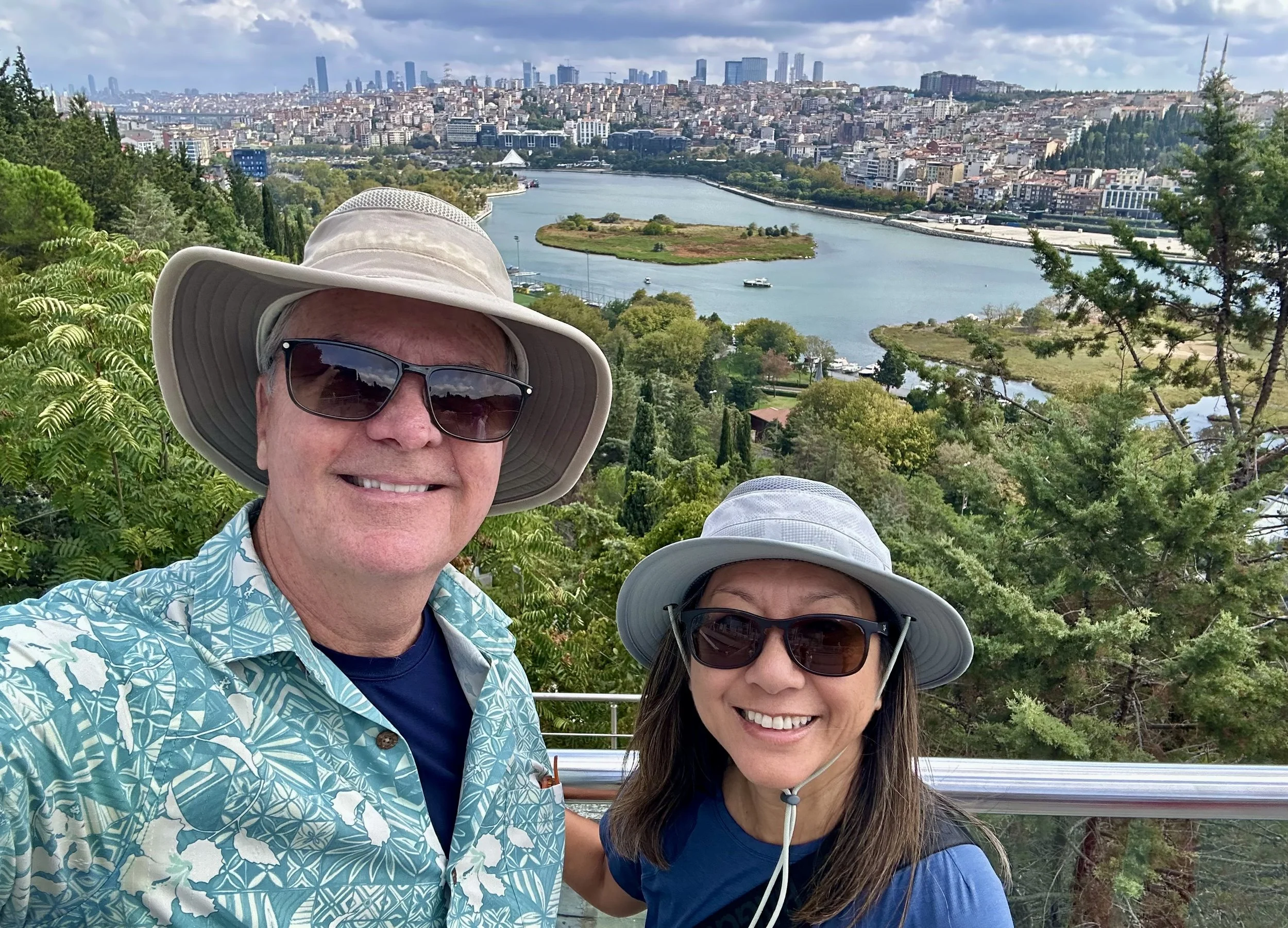
With Erdinç leading the way, we hopped onto Tram #5 and rode to Eyüpsultan (Eyüp for short), a district on the Golden Horn just a few miles west of the Old City. We rode the cable car (the aerial kind, with gondolas) to the top of Pierre Loti Hill, enjoying the views of the Golden Horn and the skyscrapers of Istanbul’s business district in the distance.
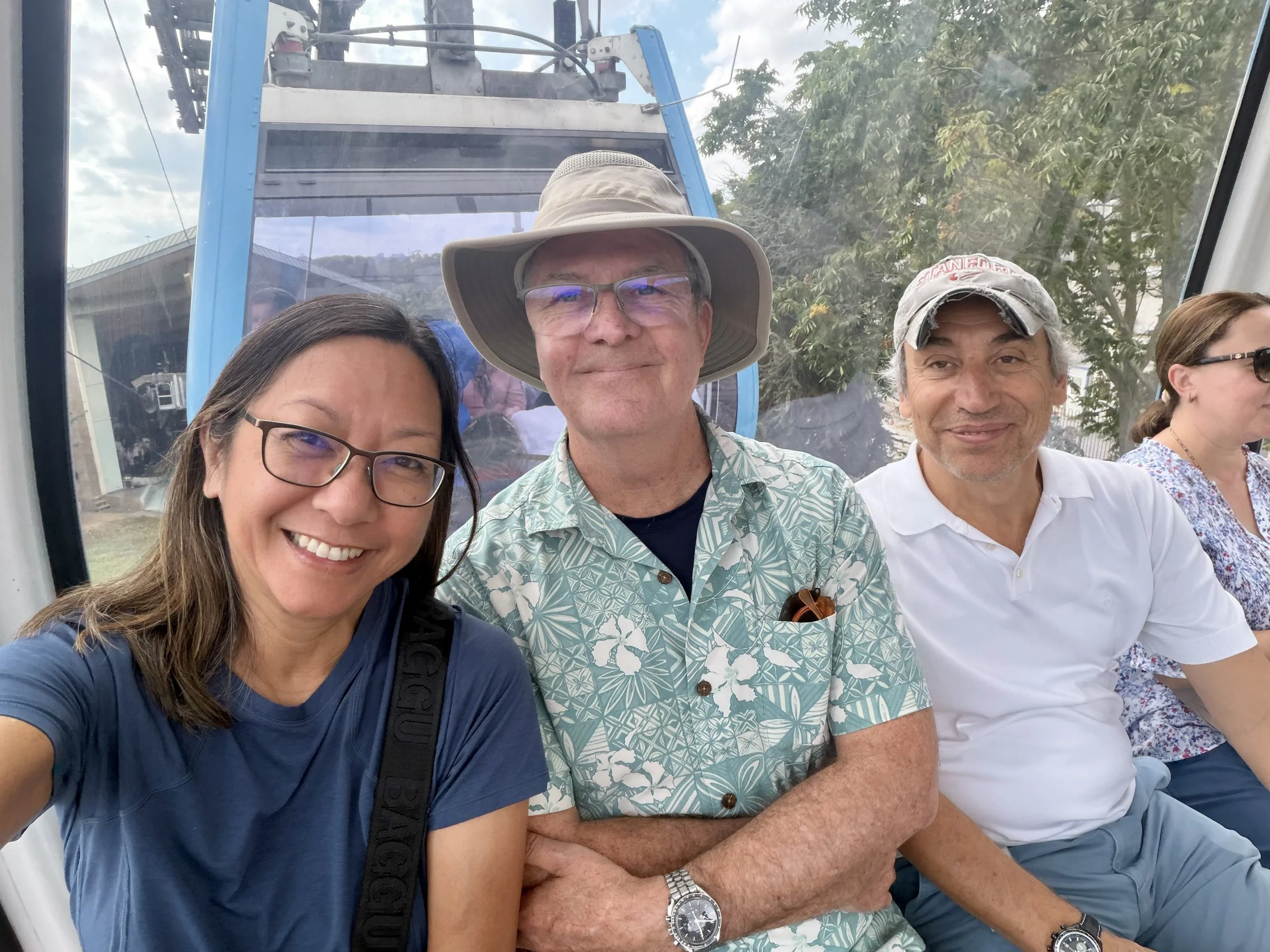
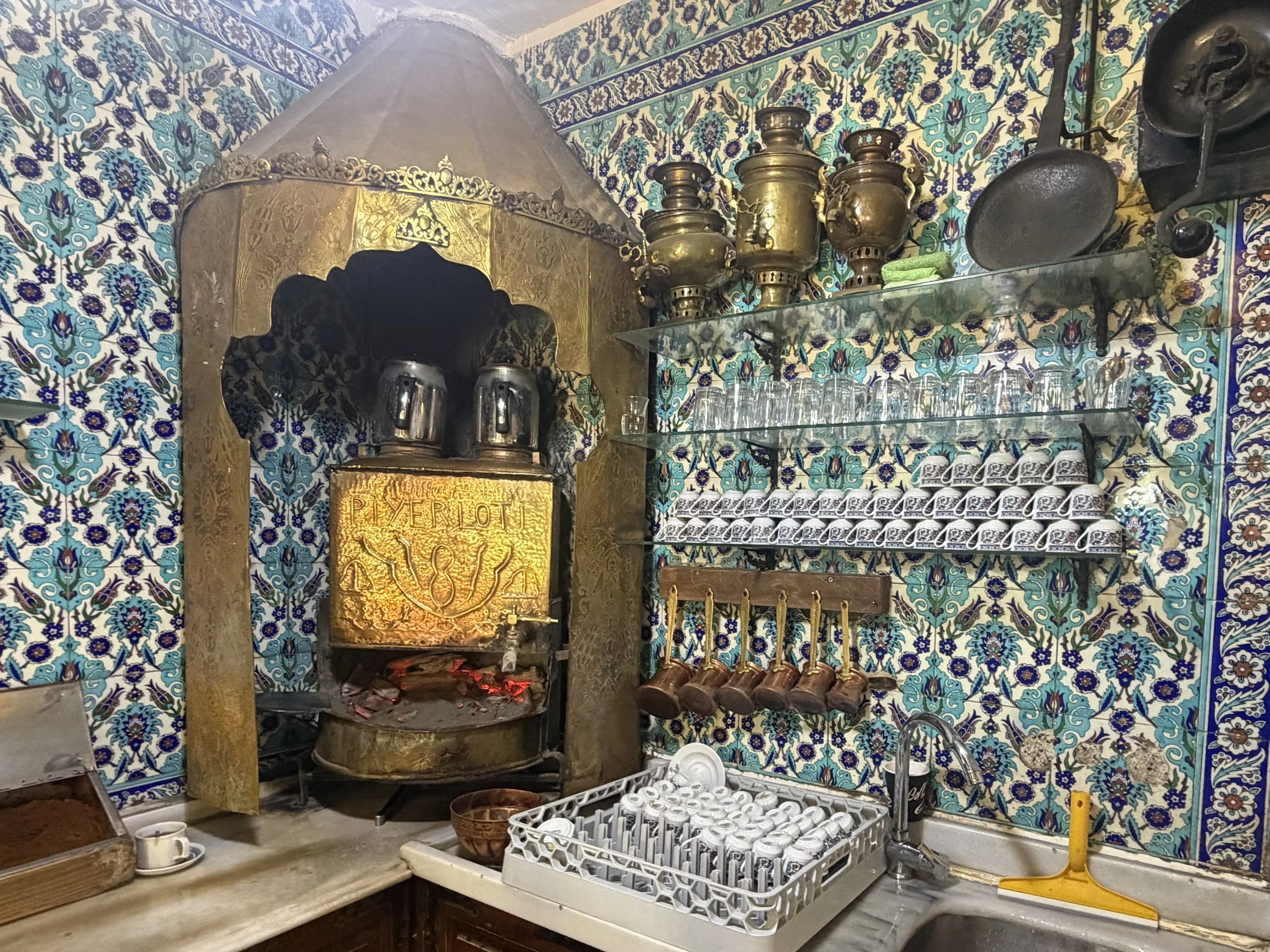
We sipped Turkish coffee in the quaint Piyer Loti Coffeehouse, which was also a tiny museum. We learned that Pierre Loti was a captain in the French navy who wrote about his world travels. Loti loved Istanbul and visited many times, eventually writing two novels about it.
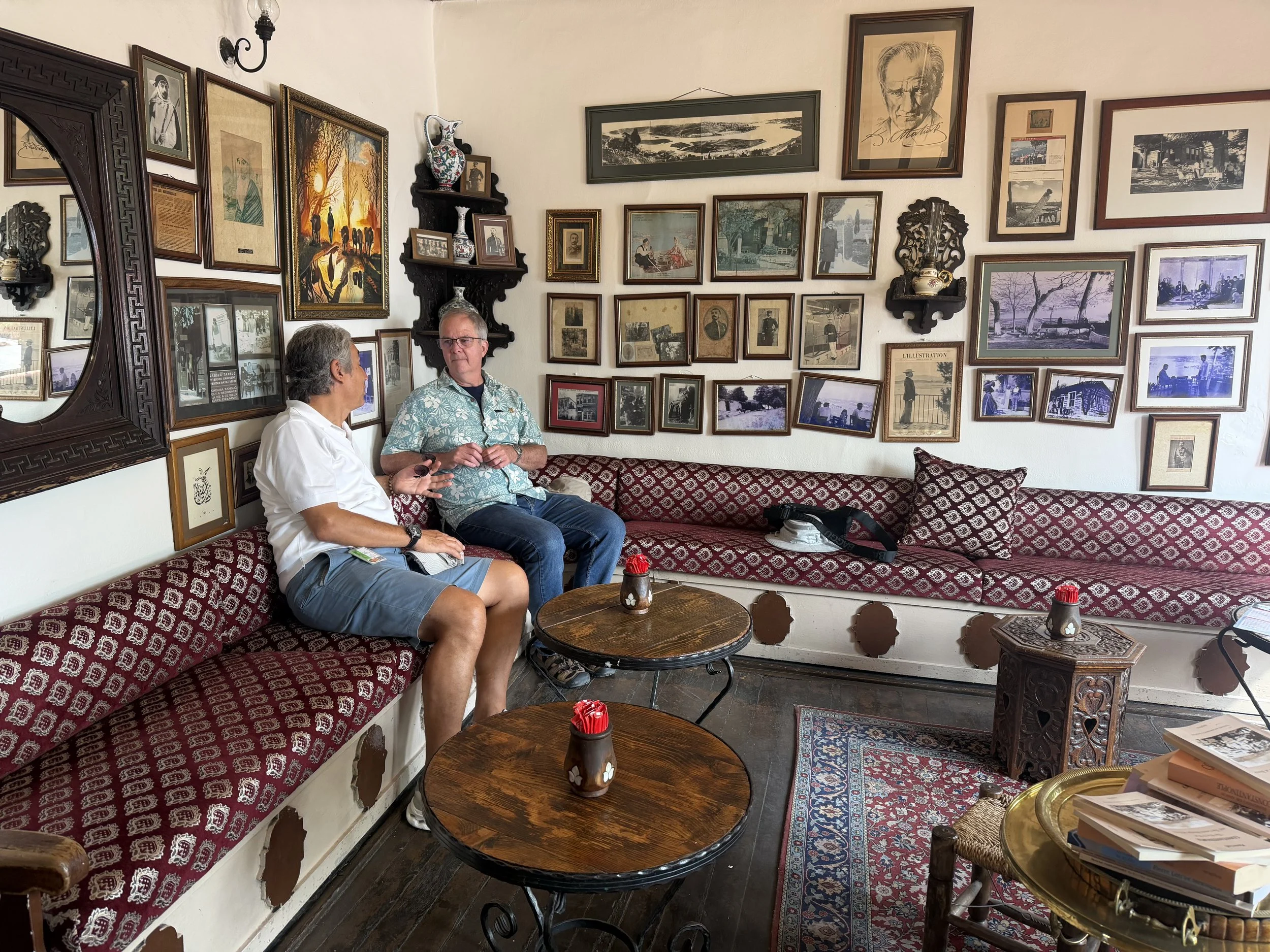
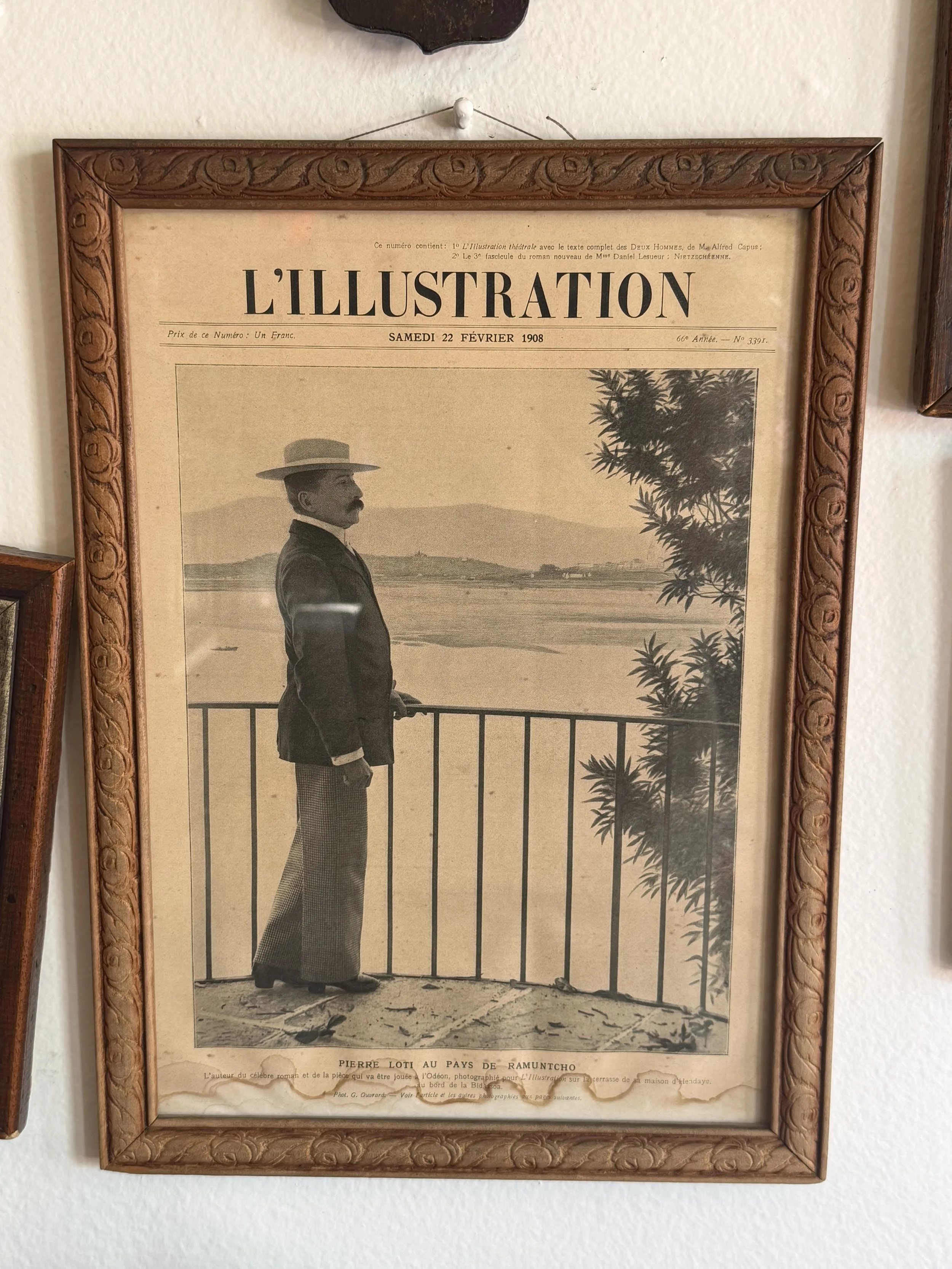
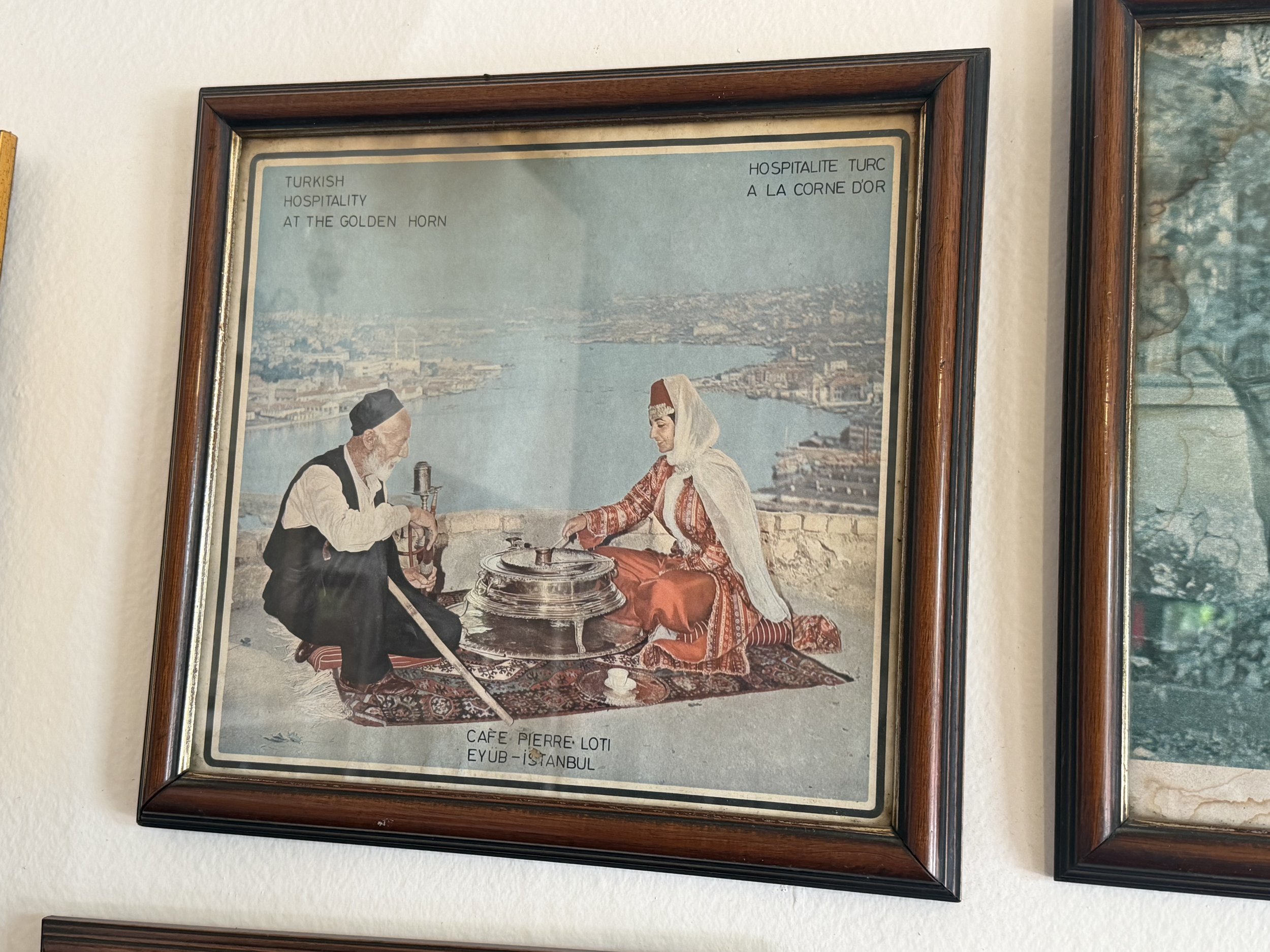
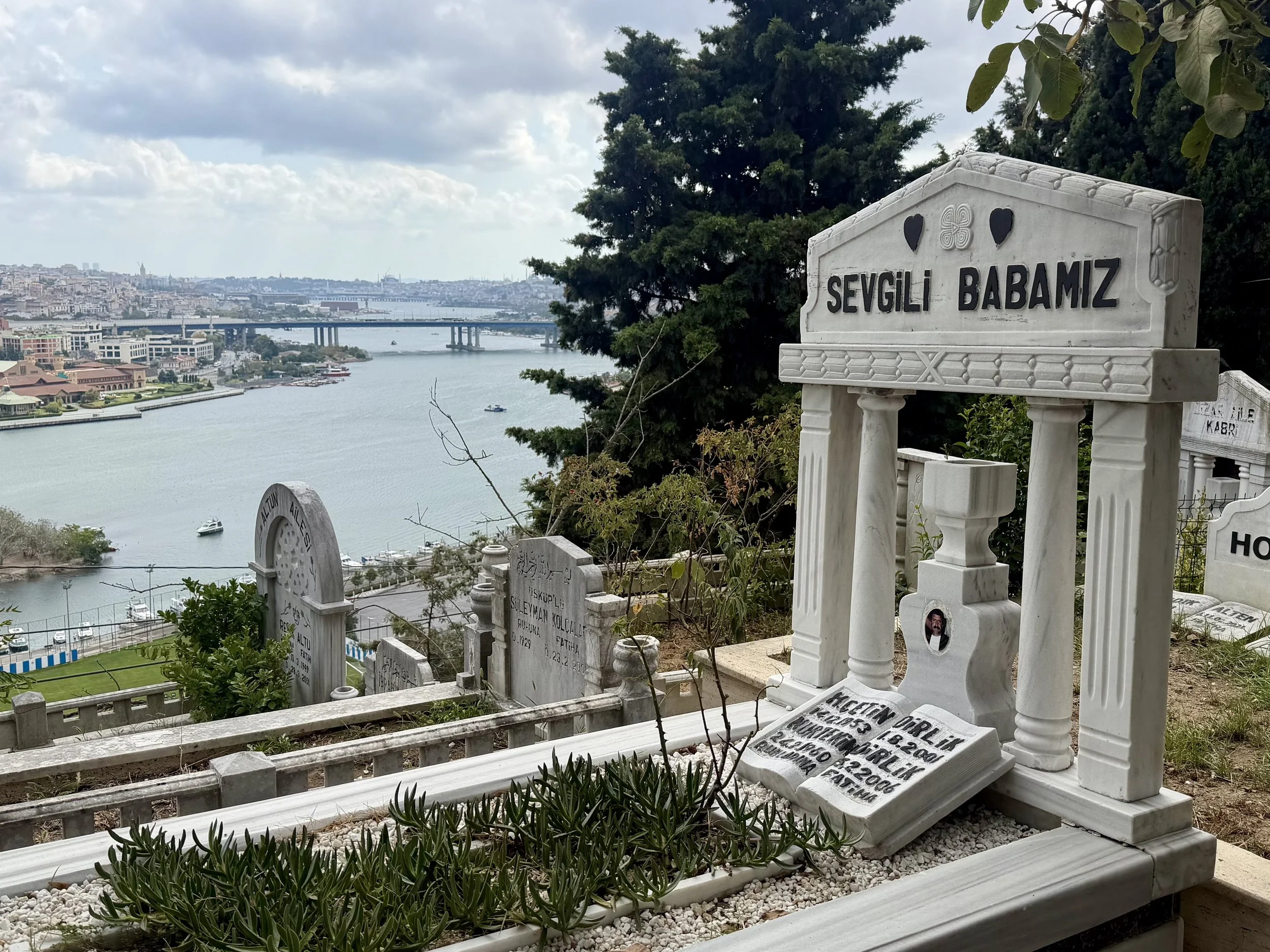
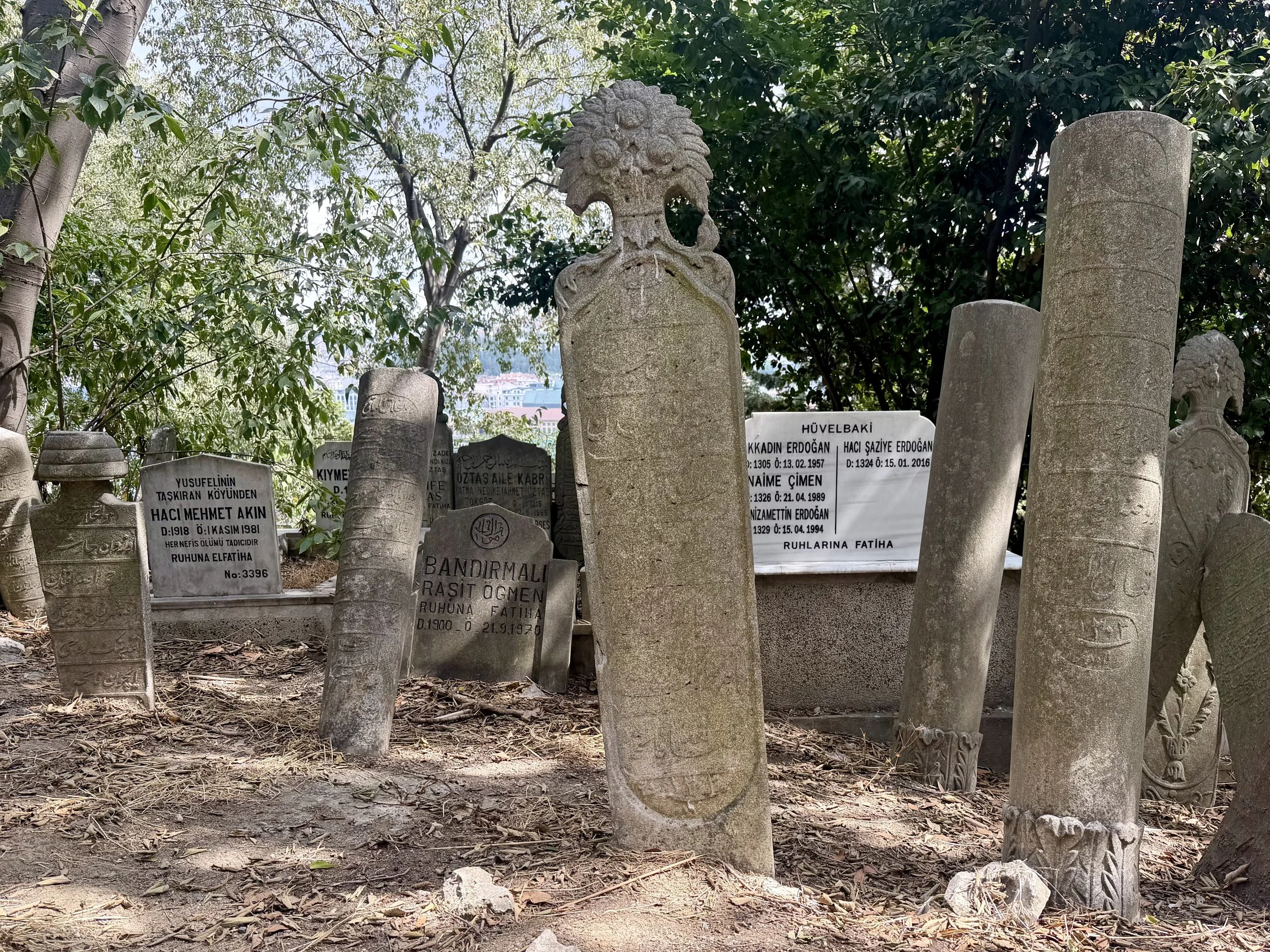
We decided to walk down the hill instead of taking the cable car. The steep pathway went through Eyüp Cemetery. Erdinç explained that Eyüp is particularly sacred because it is the site of grave of the prophet Muhammad’s last close companion, Abu Ayyub al-Ansari (the Turks called him Eyüp Sultan).
I had never seen a Muslim cemetery before. Many older grave markers had unusual shapes, indicating the profession of the person buried there (sword=soldier, turban=pasha). Strangely, the birth and death dates on some grave markers were more than 600 years apart. This was due to the Islamic calendar system that was used before the Gregorian calendar was adopted in 1925. The Islamic system starts counting in 622 CE, the year Muhammad traveled from Mecca to Medina. So Born 1305, Died 1957 means that the deceased was 30 years old.
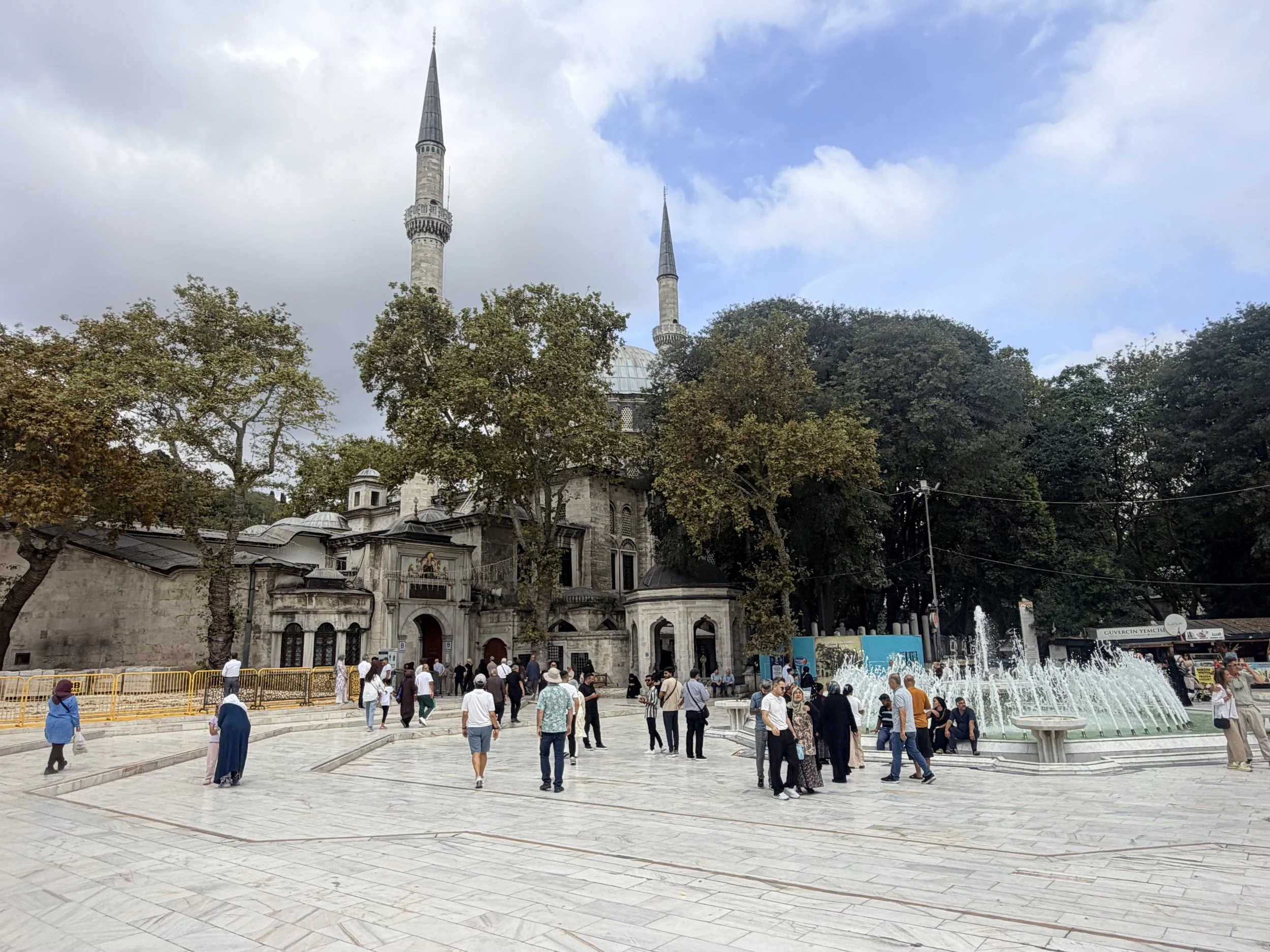
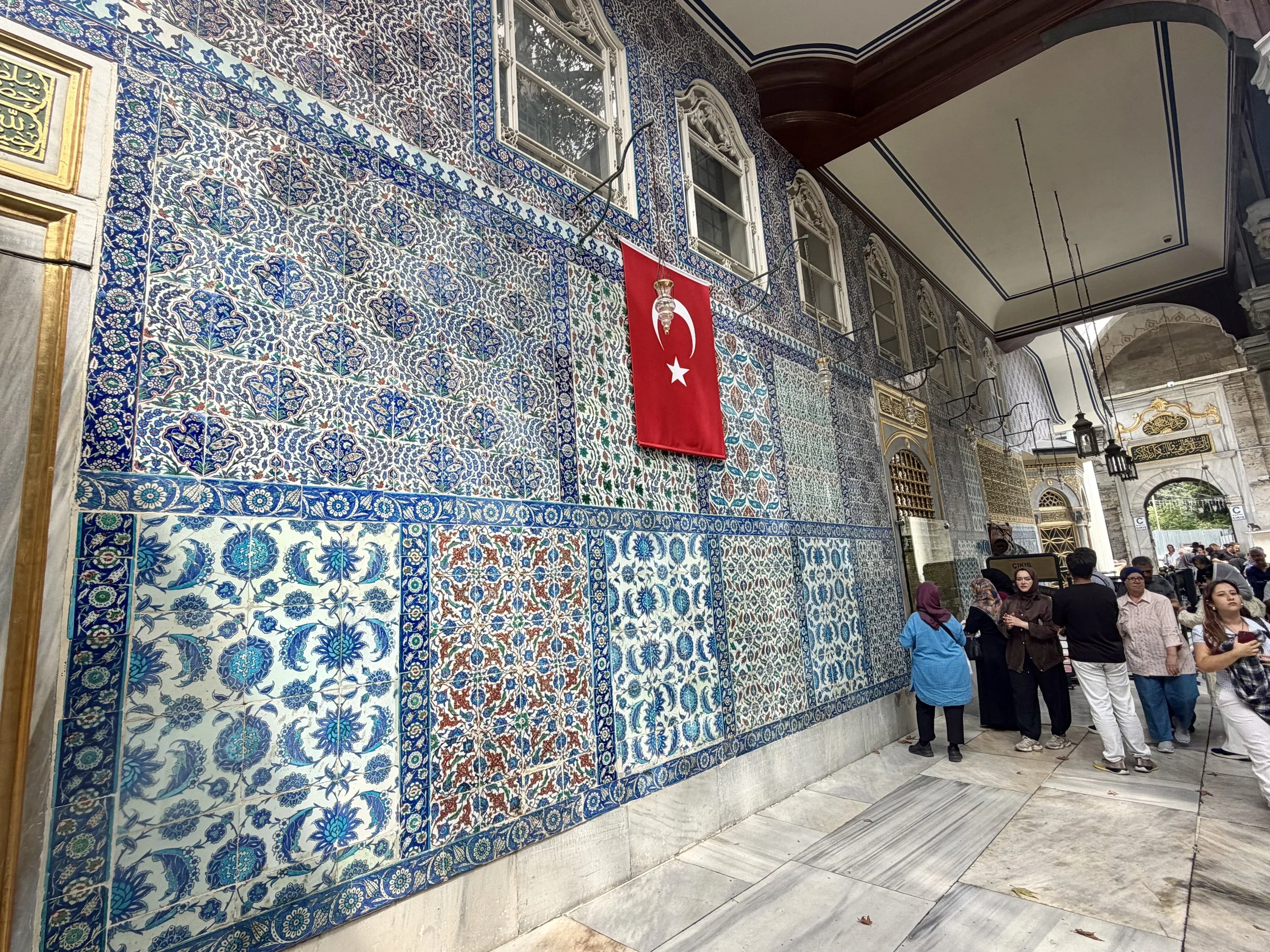
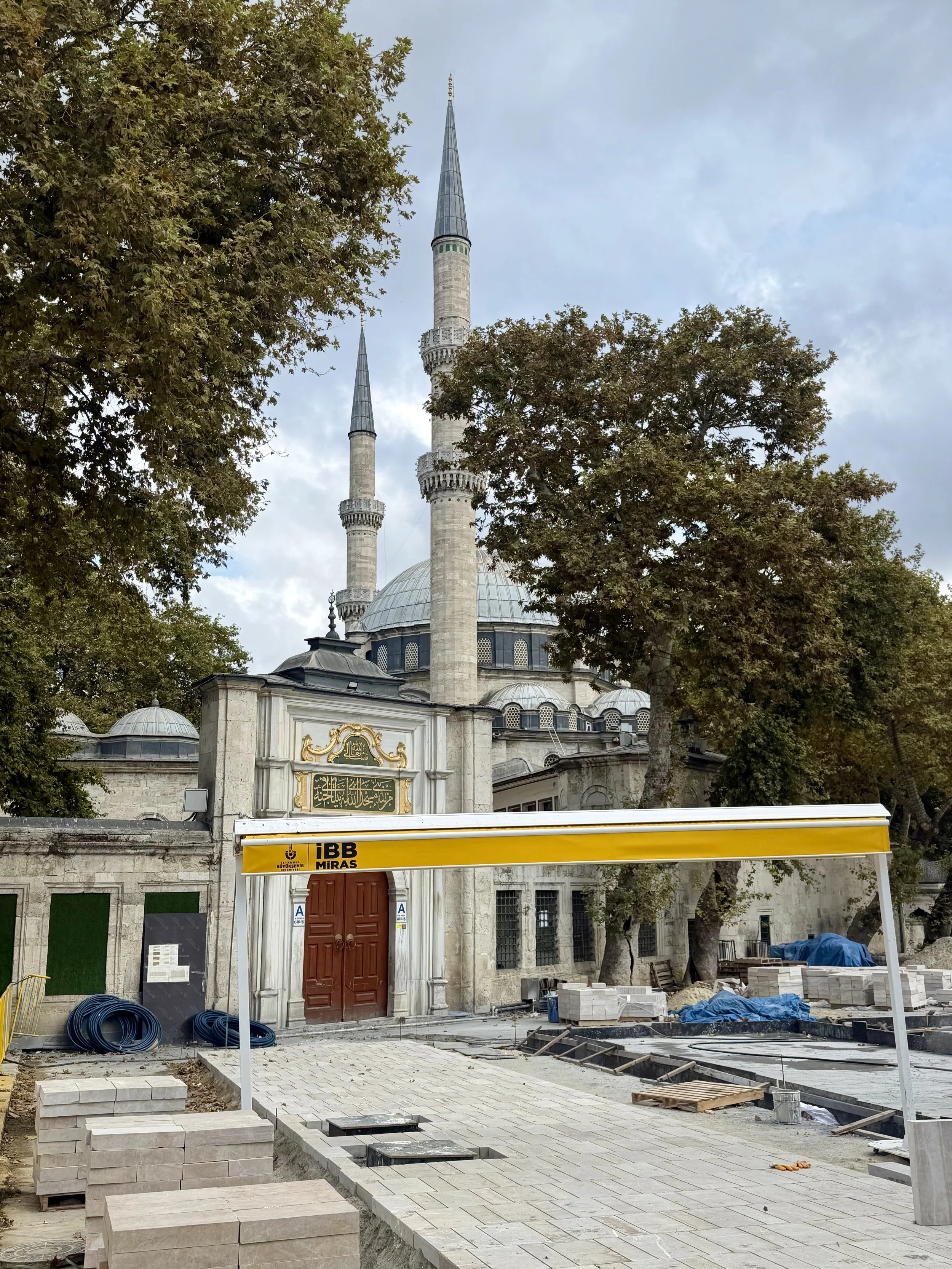
At the bottom of the hill was the Eyüp Sultan Mosque, where prayers were in progress. New Ottoman sultans had their coronation ceremonies here. Muslims from all over Turkey still make pilgrimages here to see the tomb of Eyüp Sultan.
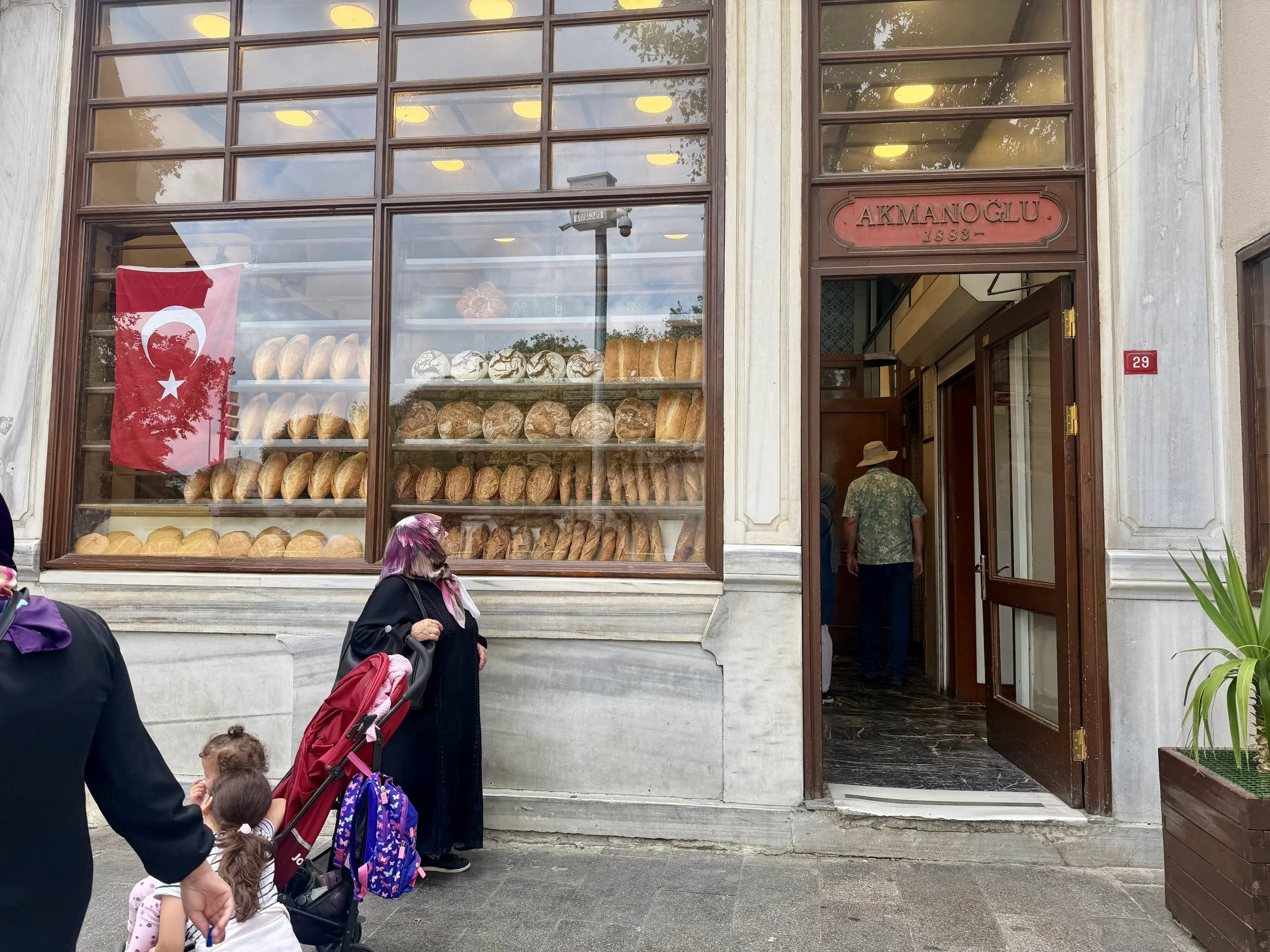
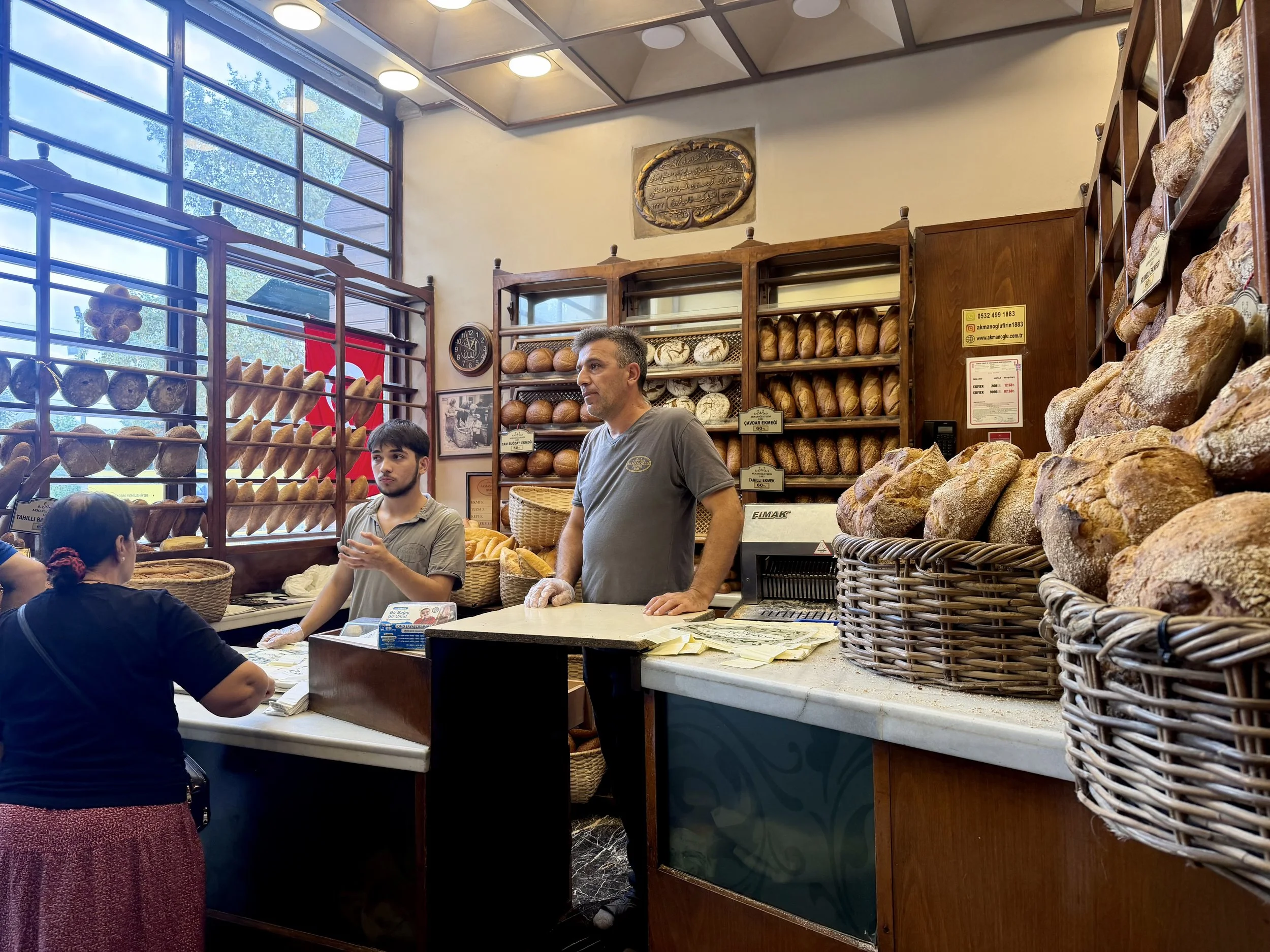
Our last stop was Eyüp’s downtown area, where we visited a bakery that had been operating since 1883! Erdinç greeted his friend, who gave us some freshly baked cookies to taste. It was fun having a guide with friends in all the right places.