The name Mundo Alpaca (Alpaca World) sounded like a theme park, or at least a tourist trap. Why was it on the itinerary for a tour of the Historic Centre of Arequipa? It turns out that Mundo Alpaca is an educational center with a store - or perhaps it’s vice versa. Either way, I thought it was worthwhile: we learned a lot and had fun.
We started with an introduction to camelids and learned that the alpacas, llamas, vicuńas, and guanacos of the South American Andes are related to camels.
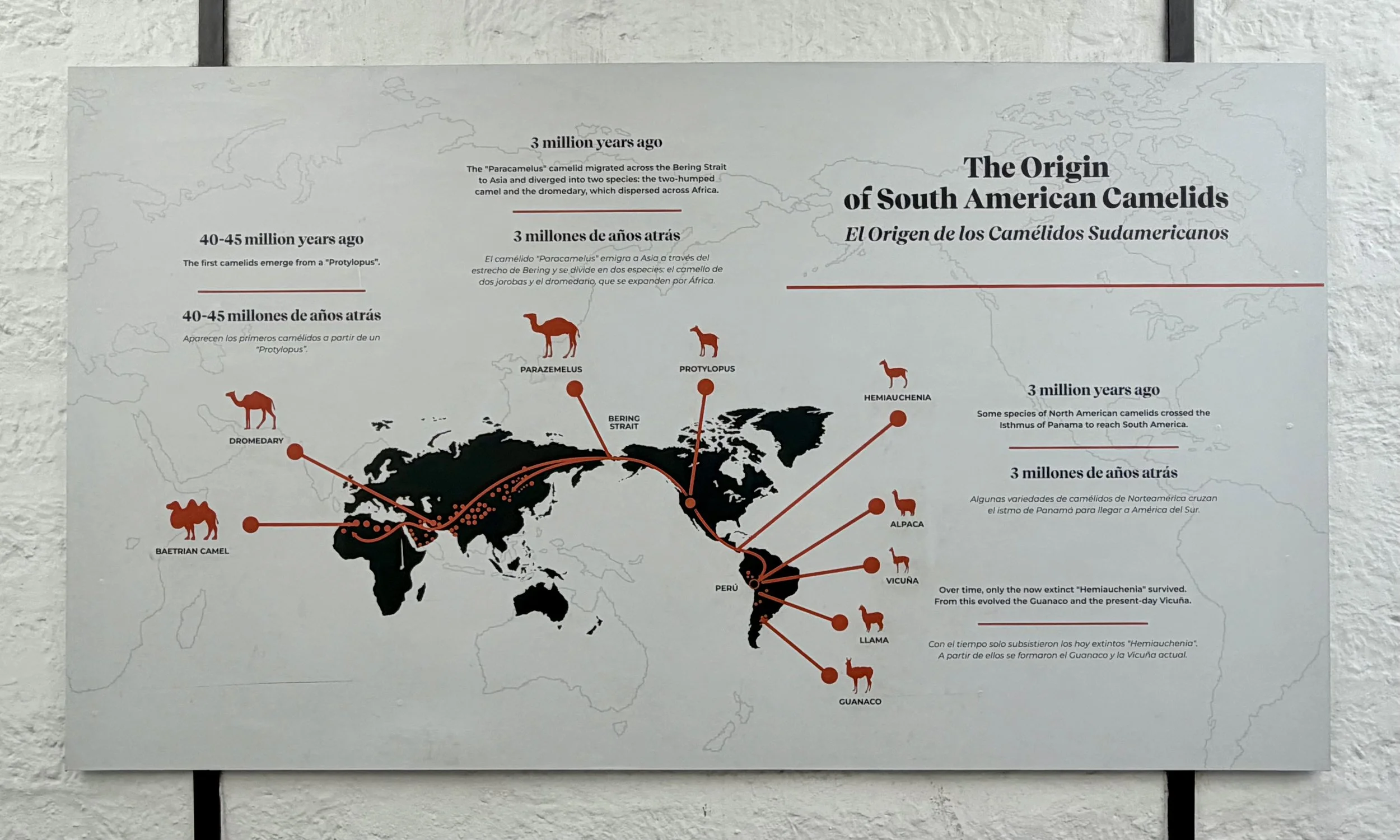
Alpacas and llamas were domesticated by the ancient Andean people. The alpacas provided soft, warm, lightweight fiber (wool). The llamas were useful pack animals for mountain terrain. Thousands of years later, these animals are still valued for the same reasons, and they are still essential to the Andean economy and culture.
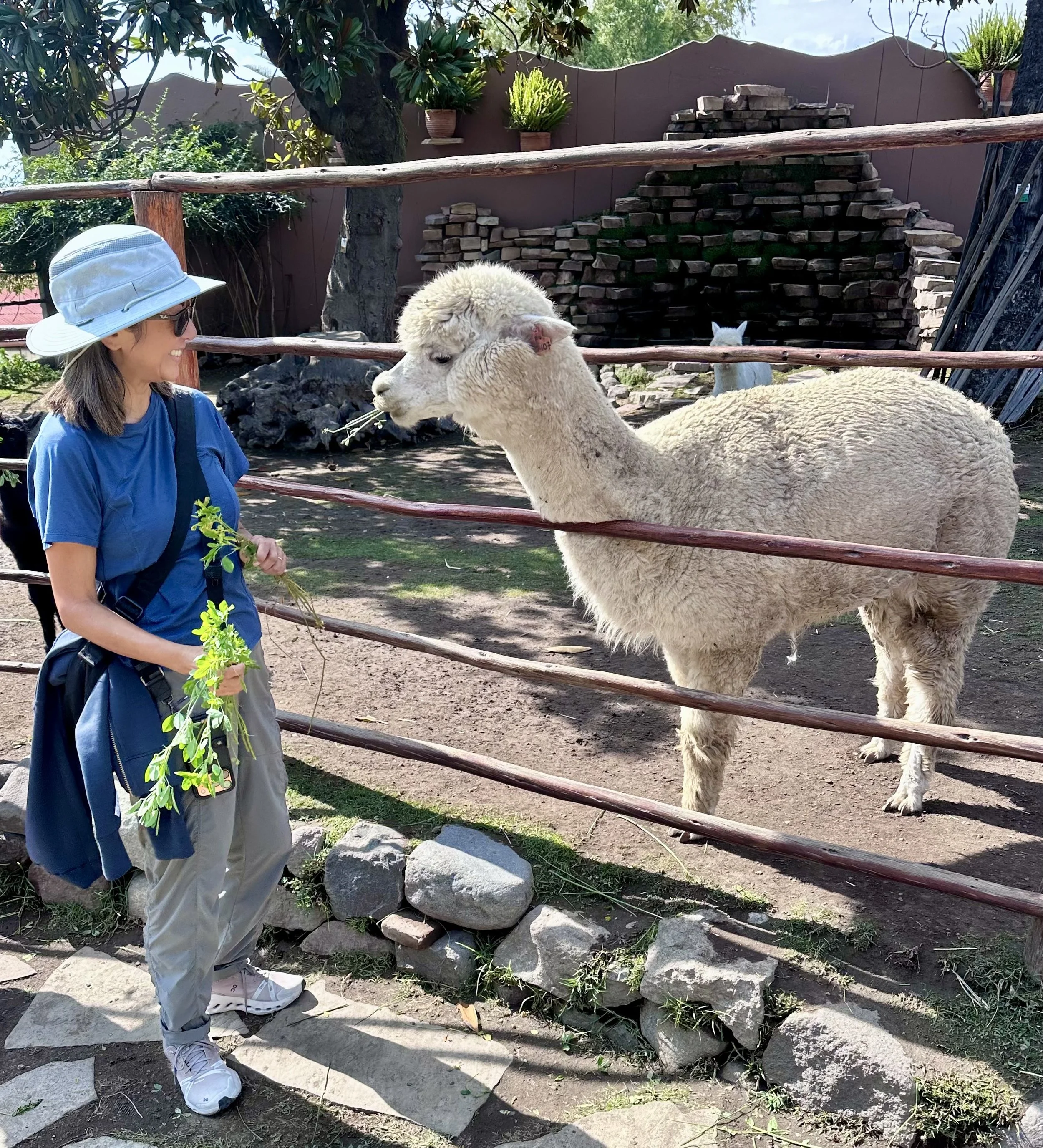
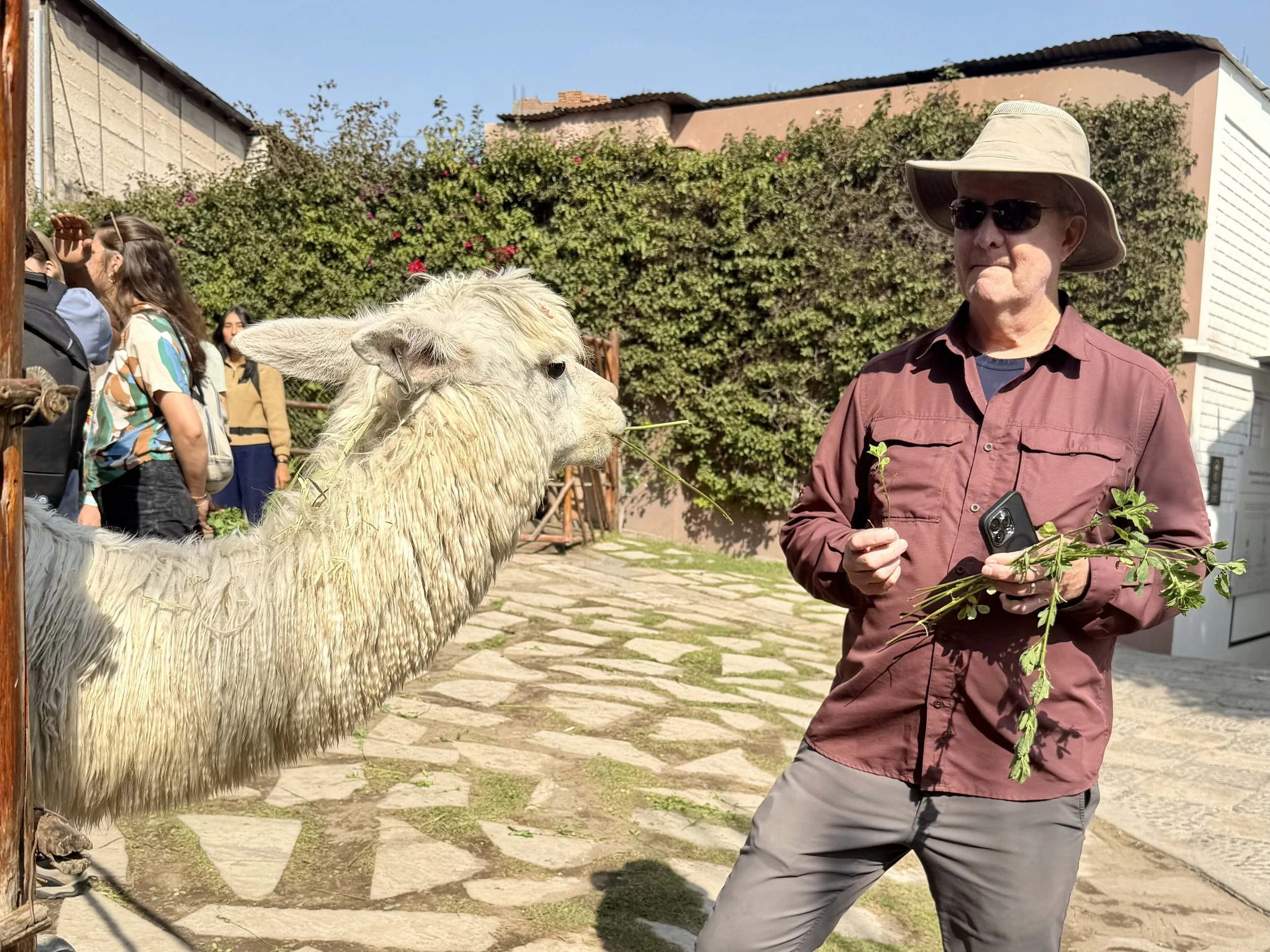
We learned how to tell them apart. Alpacas are smaller in size, with shorter noses and small, pointed ears. Llamas are larger, with longer noses and banana-shaped ears. There was an enclosure with an assortment of alpacas and llamas, and we had fun feeding them alfalfa and feeling the alpacas’ silky hair.
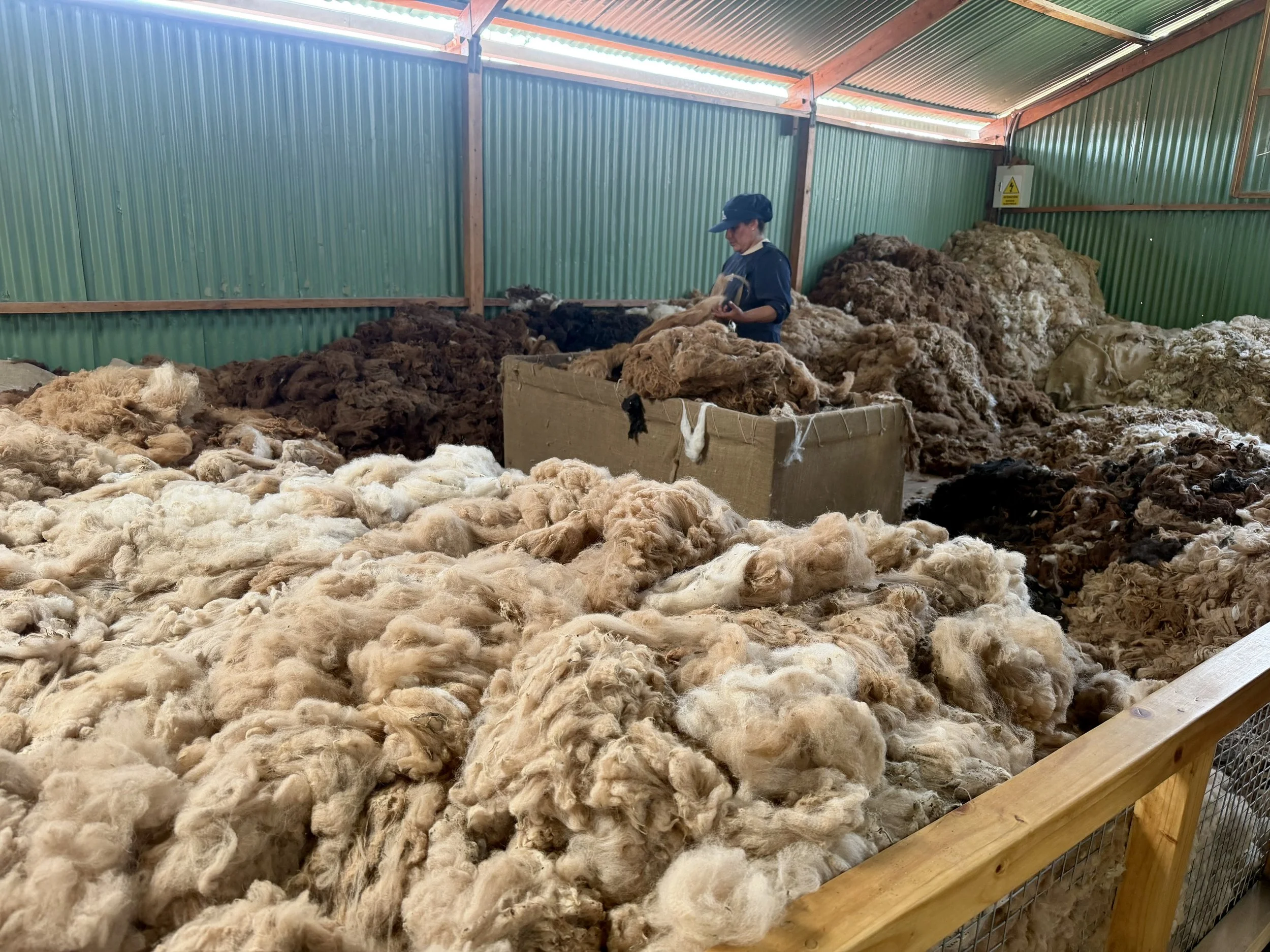
Nearby, a woman was manually sorting alpaca fiber by color into large, fluffy piles - an ancestral practice that has been passed down through the generations. Alpaca fiber occurs naturally in a wide range of shades. It is softer than sheep’s wool and warmer than cashmere. It is non-flammable and water-resistant. And it contains no lanolin, so it is hypoallergenic. “Baby alpaca” refers to the fibers from a young alpaca’s first shearing.
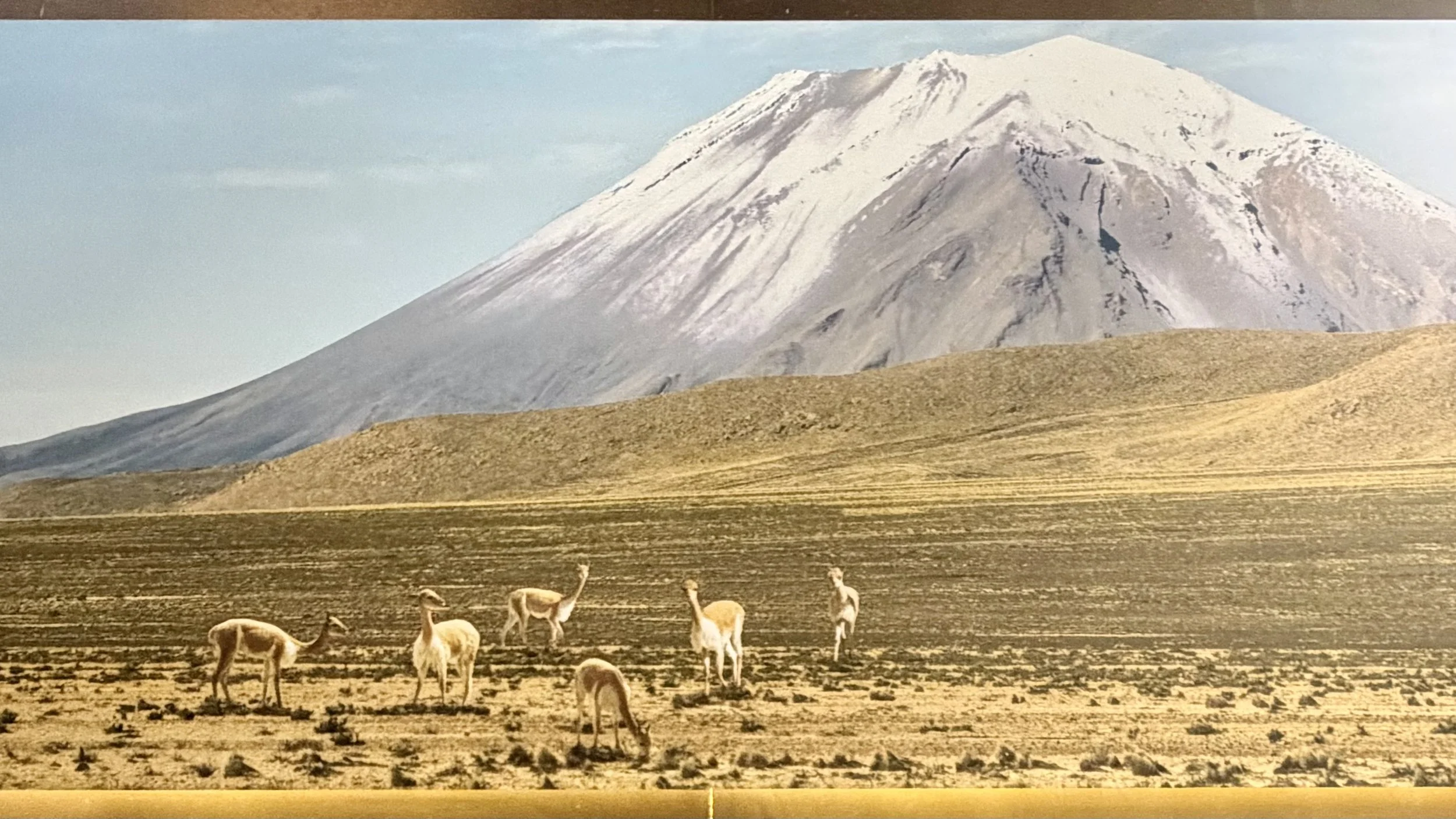
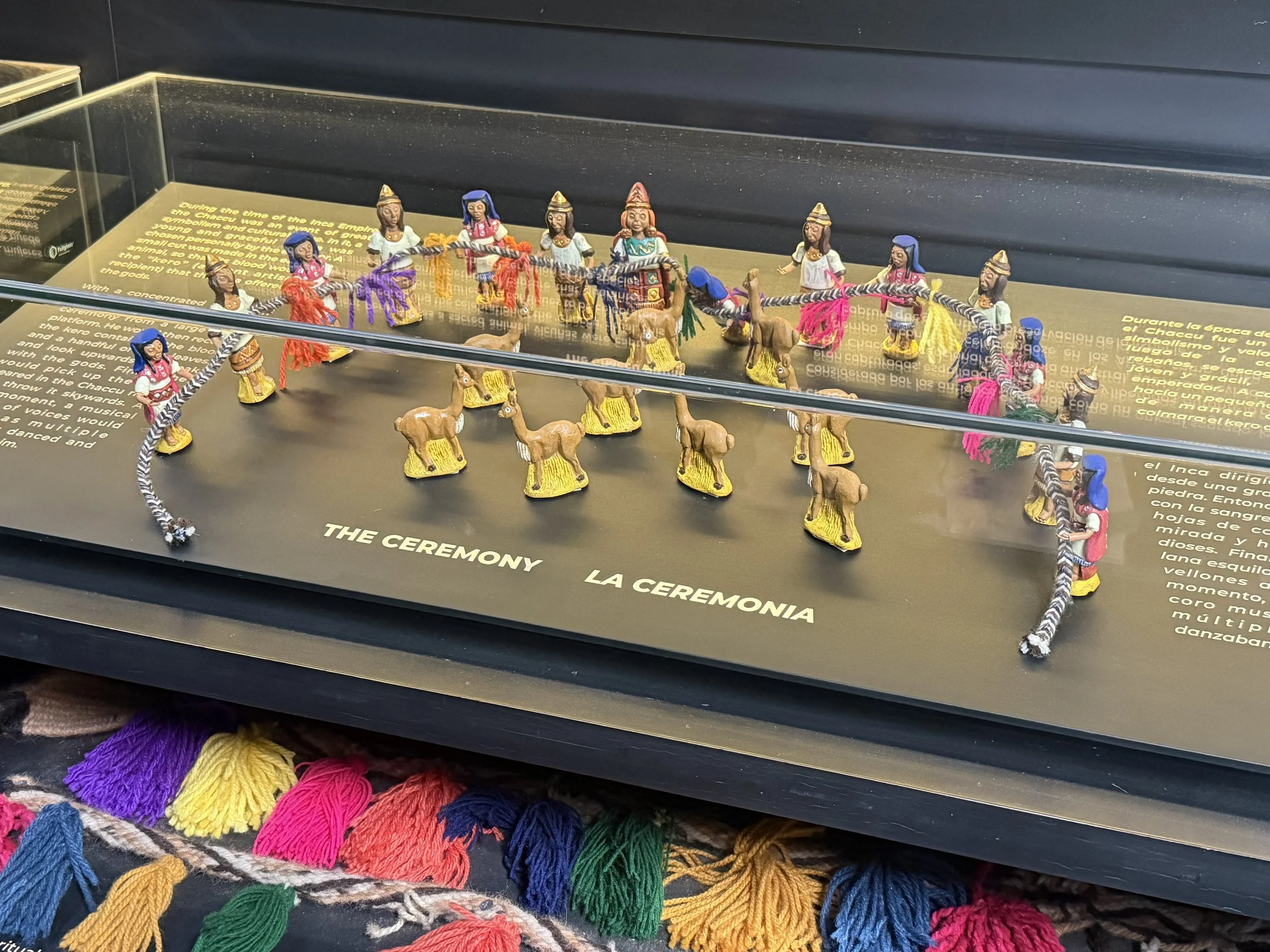
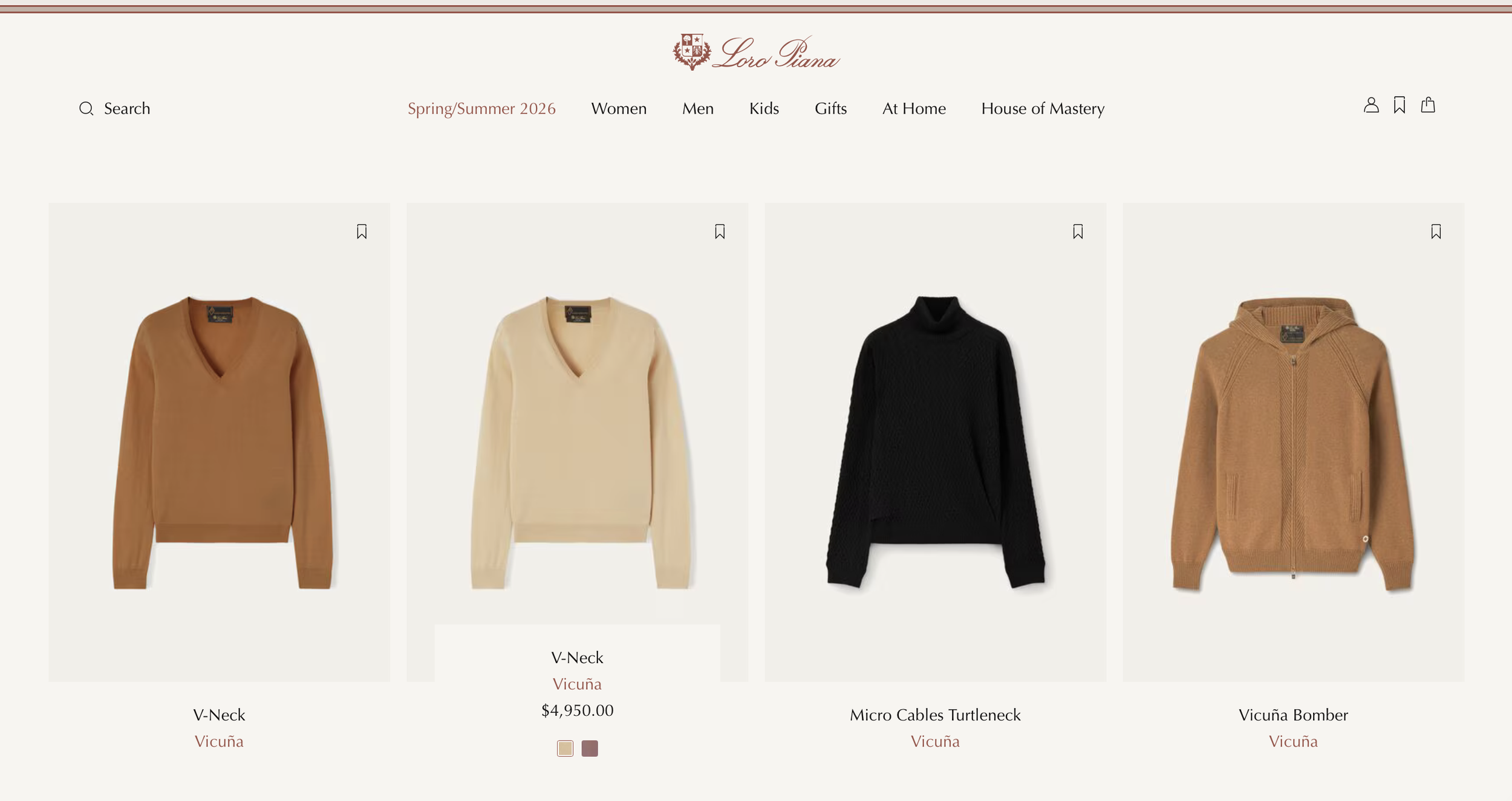
We learned about the vicuña, which only lives in the wild. It is the smallest, slenderest camelid, and its fiber is the finest in the world. In the 1960s, overhunting nearly caused the vicuña to become extinct. Today, the population has rebounded, thanks to conservation efforts. Every two or three years, authorized Andean communities perform a traditional ceremony called chaccu, in which vicuña are carefully rounded up for shearing and then returned to the wild. Clothes made from vicuña are ultra-luxury items, selling for thousands of dollars.
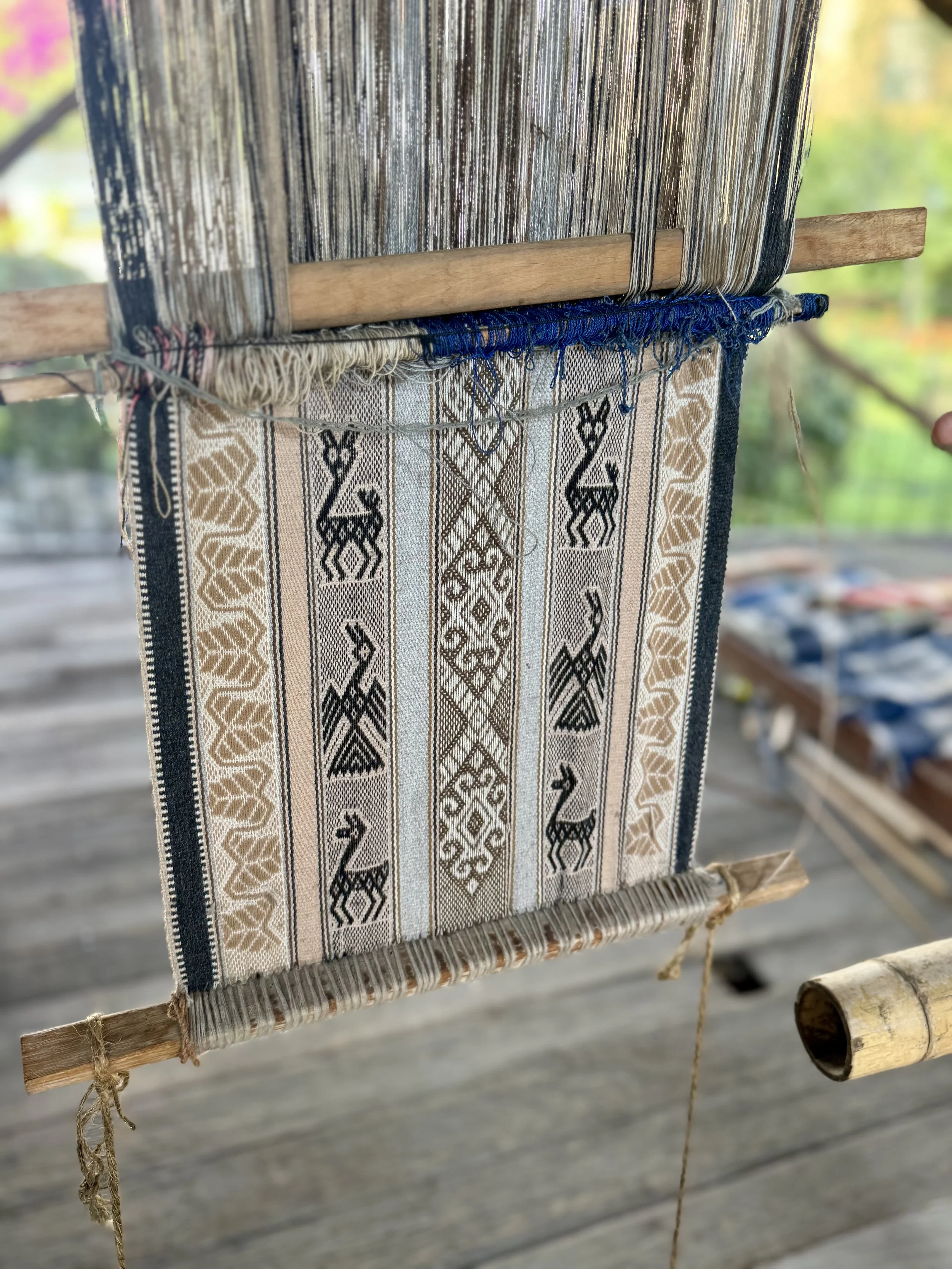
The last exhibit featured a display of handwoven alpaca fiber in traditional patterns. I liked the one with alpacas, condors, and vicuñas - the animals of the Arequipa region. Two women in traditional costumes from the Cusco region demonstrated the weaving technique from pre-Inca times.
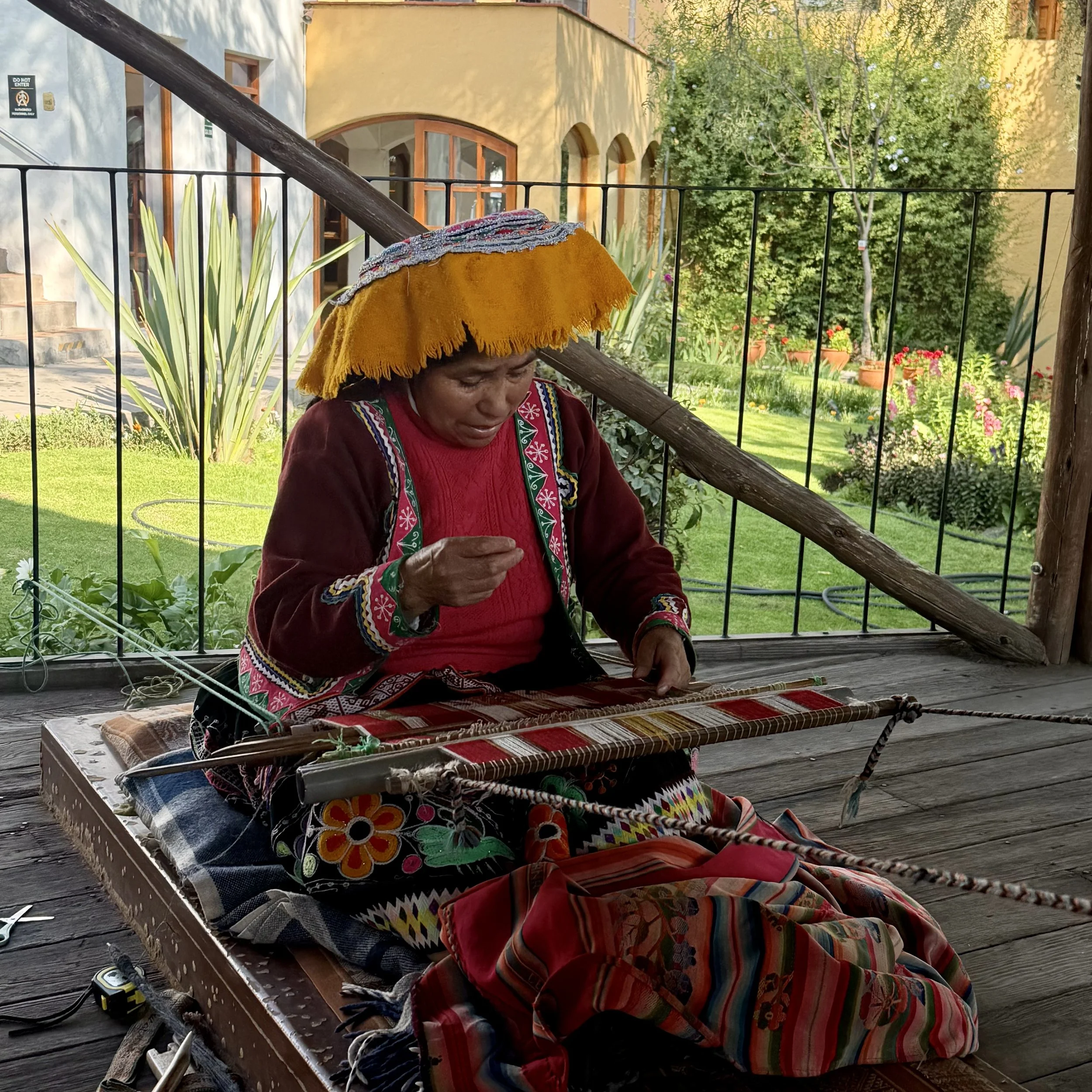
I left Mundo Alpaca with dreams of owning my own soft, cozy alpaca sweater. I’ll have to find a way to squeeze one into my suitcase.
Fun Facts
About 80% of the world’s alpacas are in Peru.
Alpacas (like all camelids) have a prehensile split upper lip, no top teeth, and padded feet instead of hooves.
“Huacaya” alpacas have fluffy coats, while “Suri” alpacas have long, silky, dreadlocks. (I can vouch firsthand that they feel silky!)
Alpacas are tidy - they instinctively poop in a spot far from where they graze, and their manure is low in odor.
Alpacas hum softly when they are content, curious, or worried. (They also scream - see our video below!)
Alpacas rarely spit at humans, just at other alpacas. (See our video below for a demonstration!)