Palacio de Bellas Artes
I’ve been curious to visit the Palacio de Bellas Artes (Palace of Fine Arts), Mexico City’s iconic cultural center, ever since we walked by it during our first visit to CDMX in 2023. Since we didn’t have time to see it then, it was a top priority for this visit.
Months ago, I bought tickets to see the Ballet Folklórico de México, because I love dance, and also because I had heard that the best way to see the historic theater in Bellas Artes is to attend a performance there. Finally, the day had come!
By happy accident, it was Noche de Museos (Museum Night) in CDMX - the museums were open late, and admission was free. So we made sure to go to Bellas Artes with plenty of time before the ballet, so we could see the famous murals.
It was just a short walk from our hotel. Bellas Artes looked magical at night, with its golden dome. I smiled and waved at a teen posing in her quinceañera dress.
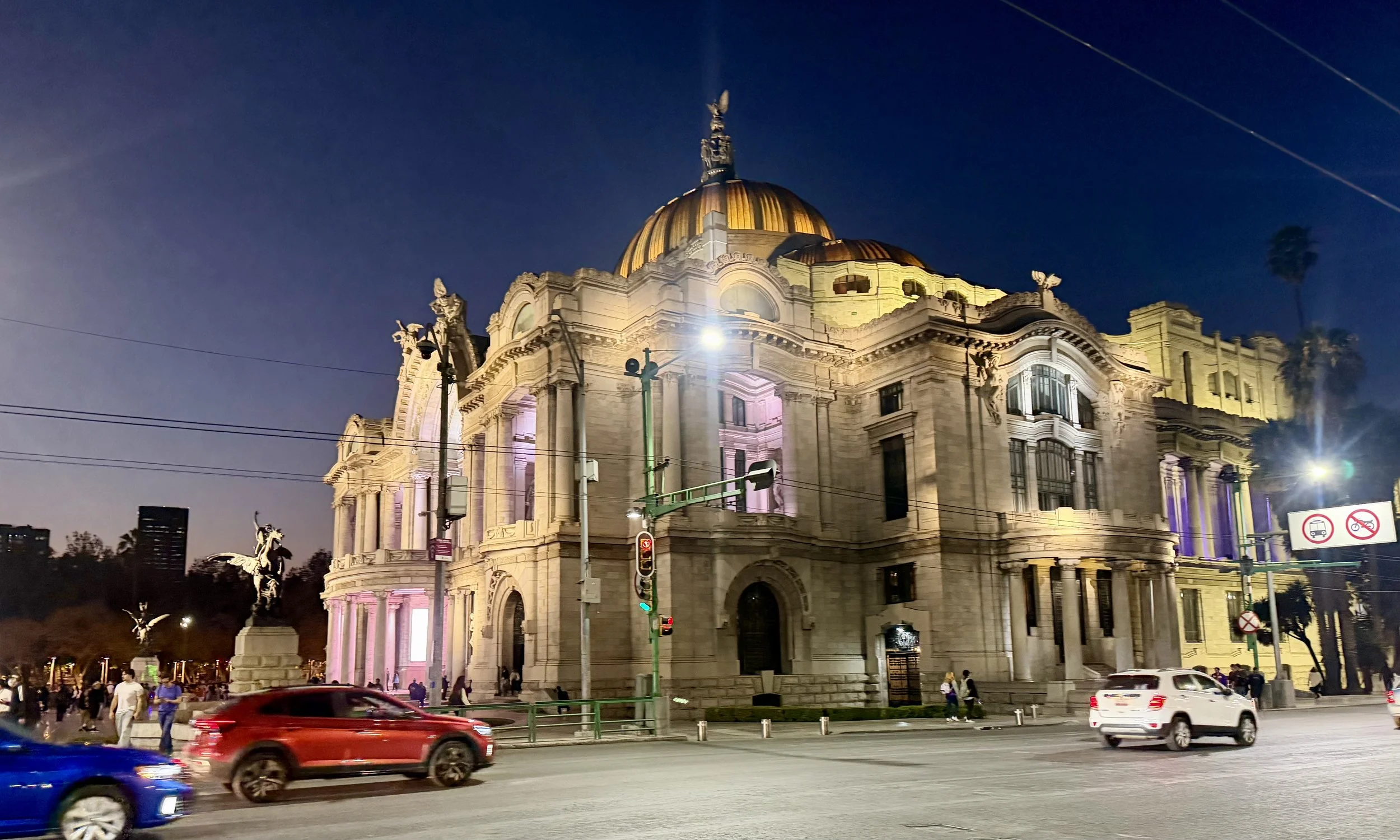
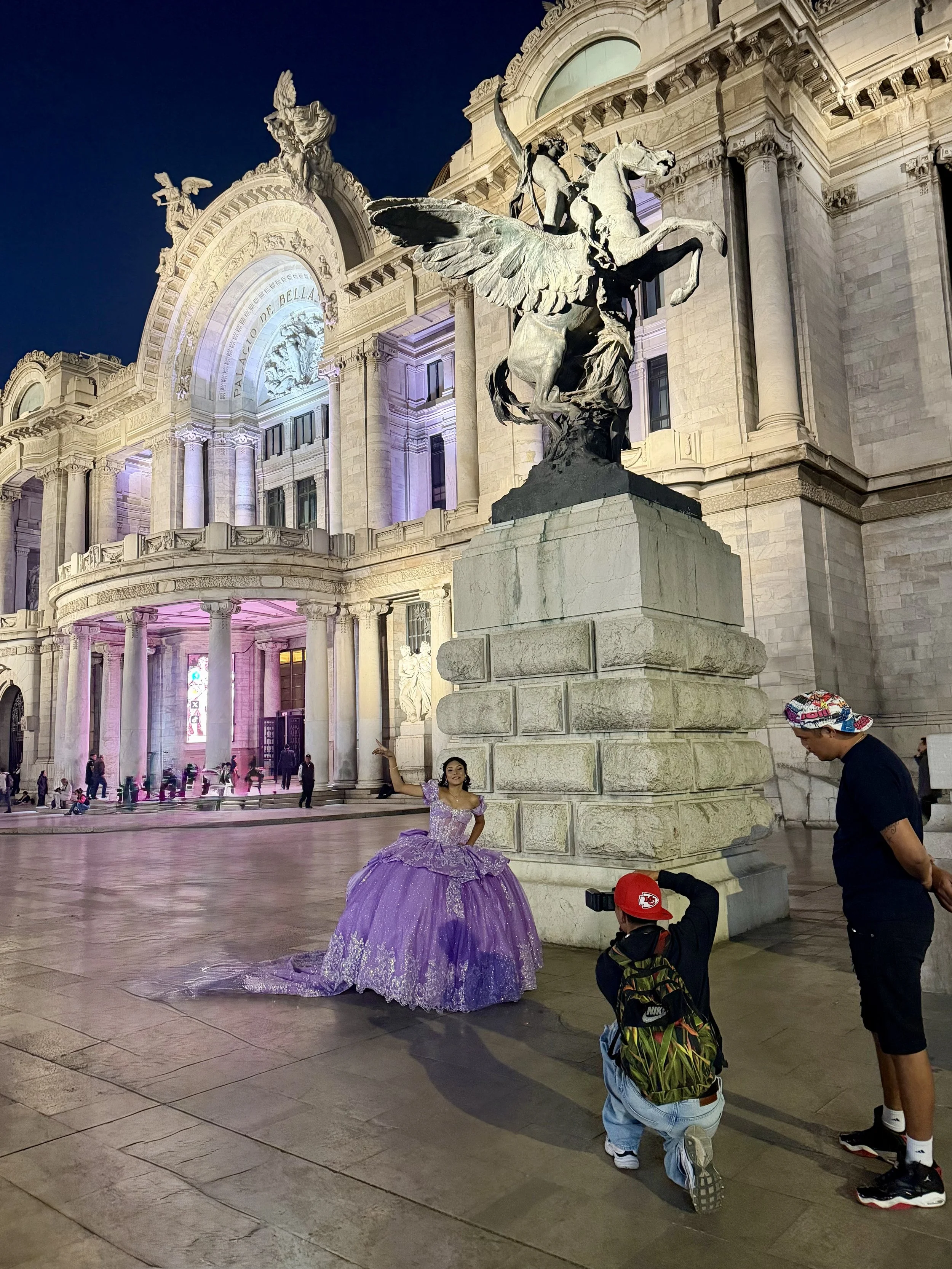
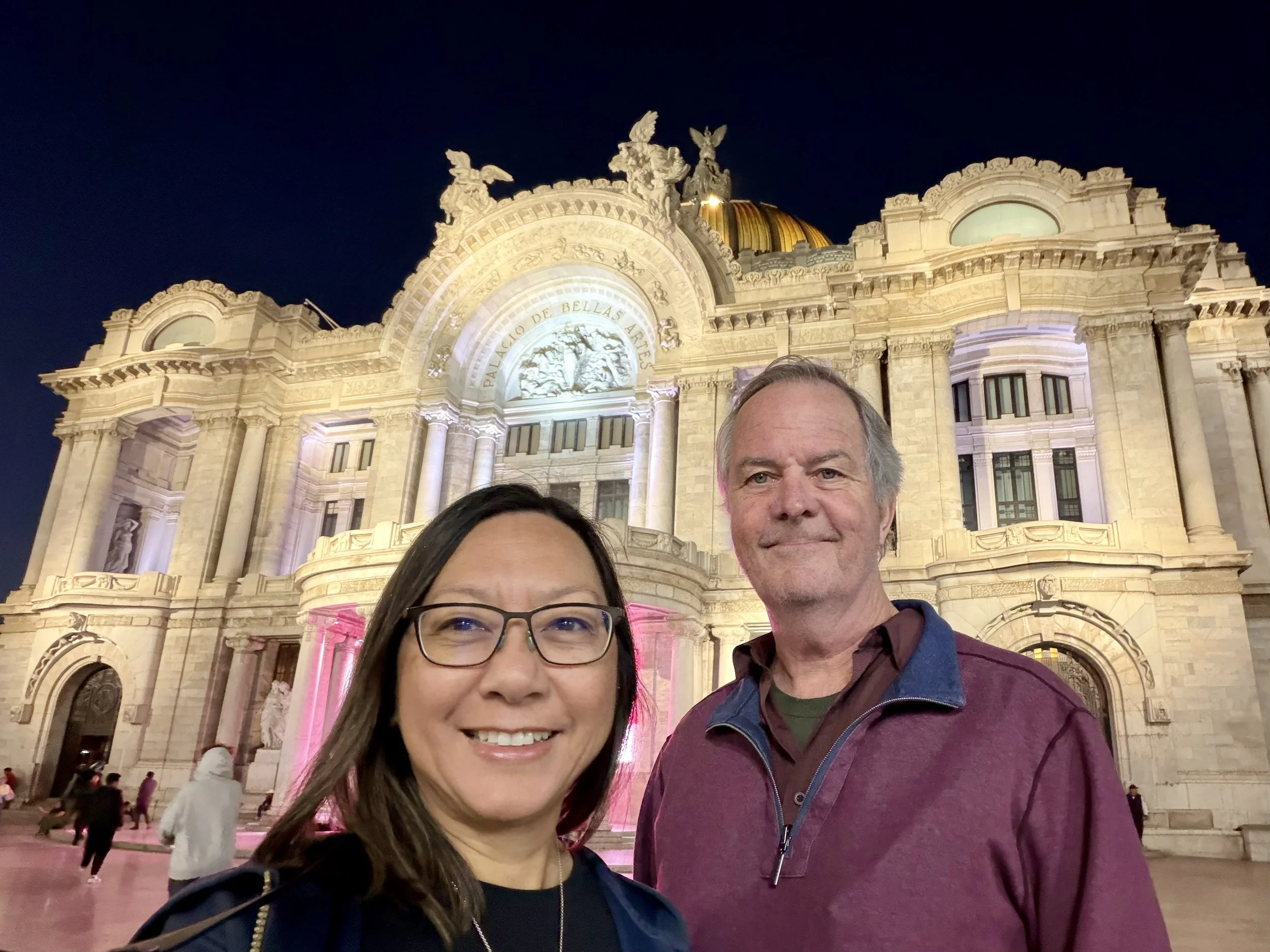
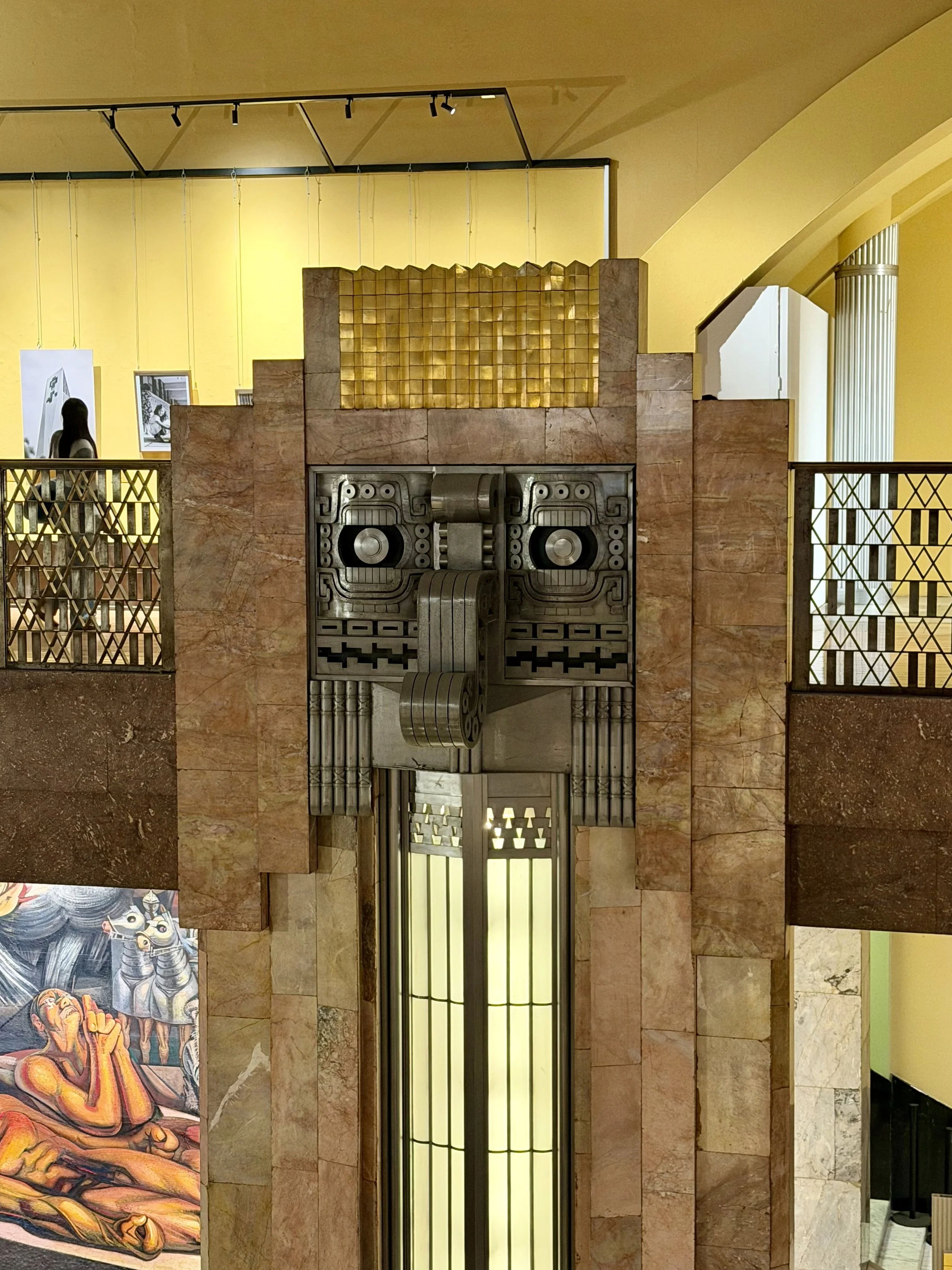
The building was begun in 1904, with an Italian architect. and finally finished in 1934, with a Mexican architect. The showy exterior is mainly Art Nouveau, with some Neoclassical elements. The interior of the building is mainly Art Deco, with geometric shapes and luxurious materials.
The Main Hall and Murals
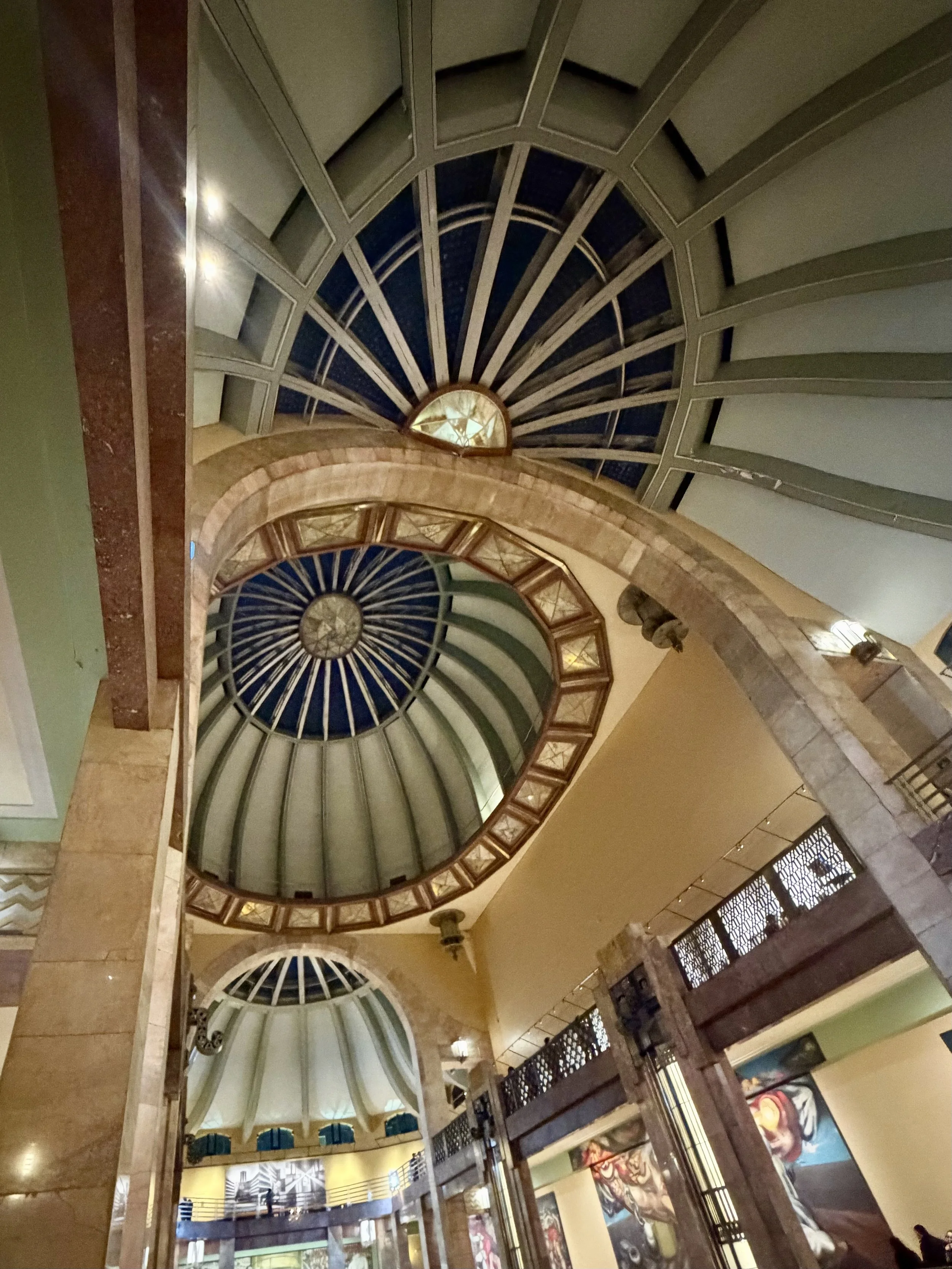
The soaring Main Hall was clad in different shades of marble with gold tile accents, and topped with oval glass domes with curving metal ribs. Right away, we could see the impressive collection of monumental works by famous Mexican muralists.
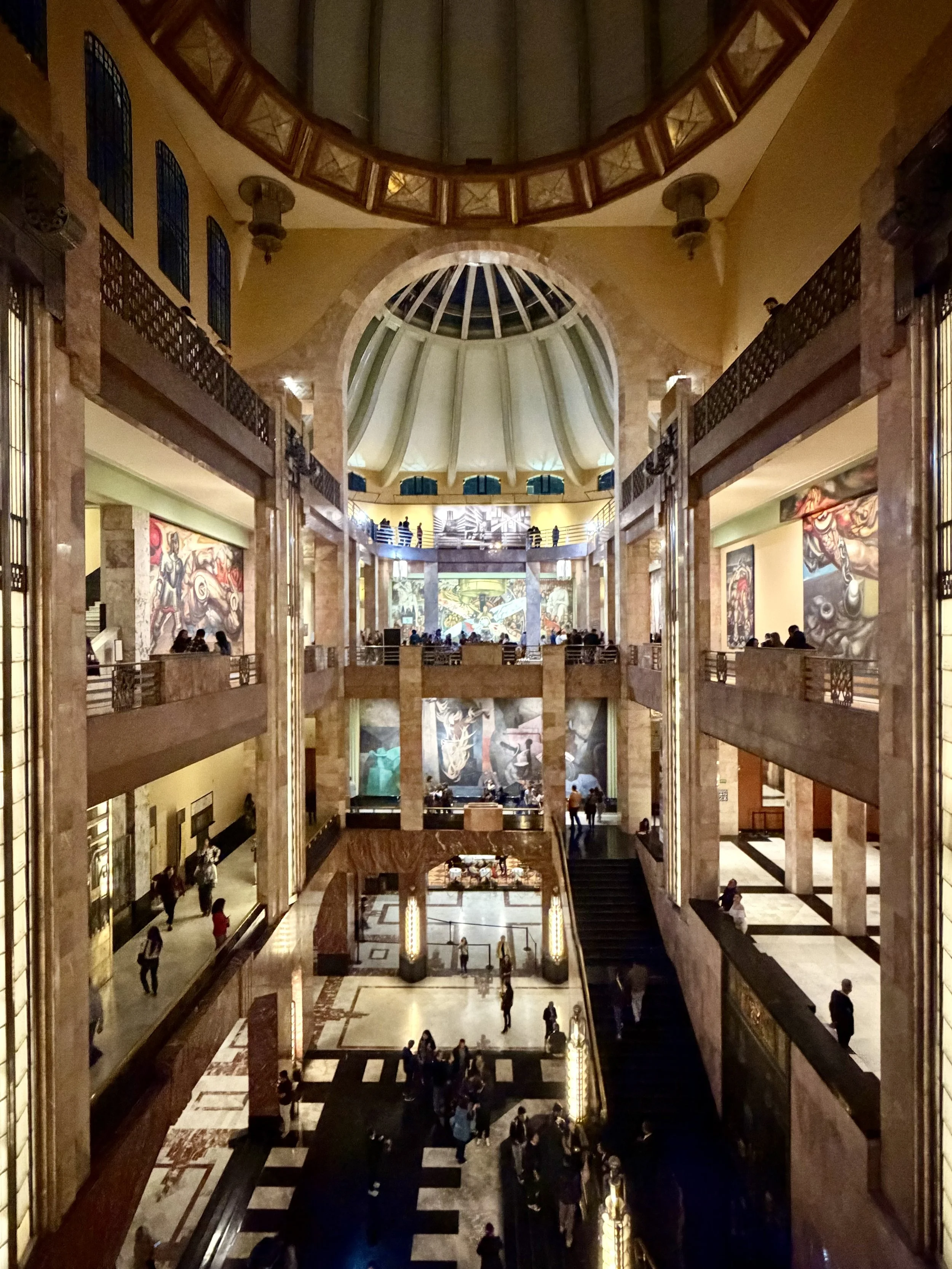
The star of the show was Diego Rivera’s Man, Controller of the Universe, depicting the struggle between capitalism and communism, and the power of labor, science, and technology. It was a powerful work that really packed a punch, not only because of its massive scale, but also because of its barrage of significant visual elements. It was difficult to see the mural in its entirety because there was always a crowd in front of it. I think this is exactly what Rivera wanted his art to do - grab the public’s attention and cause a stir.
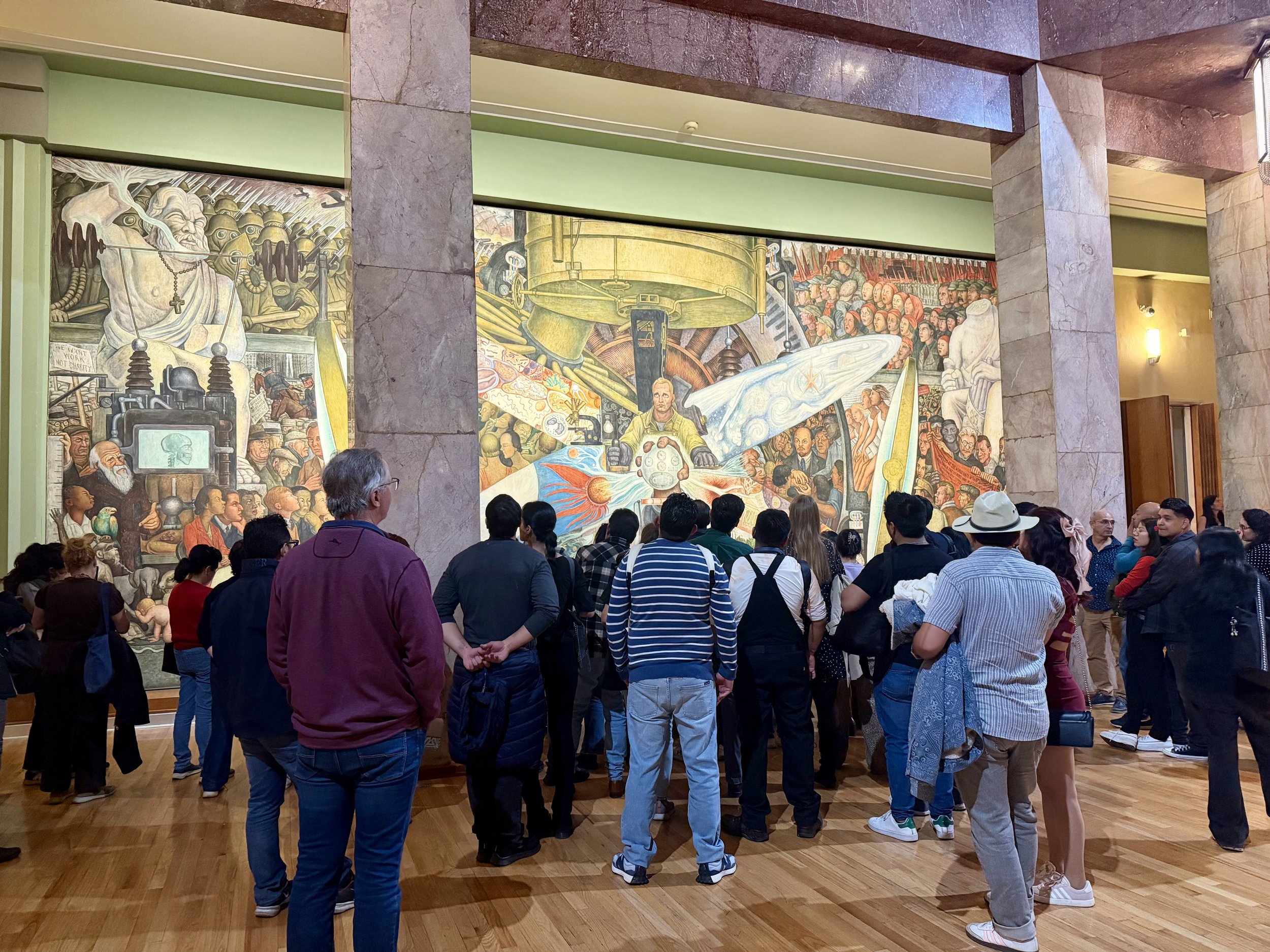
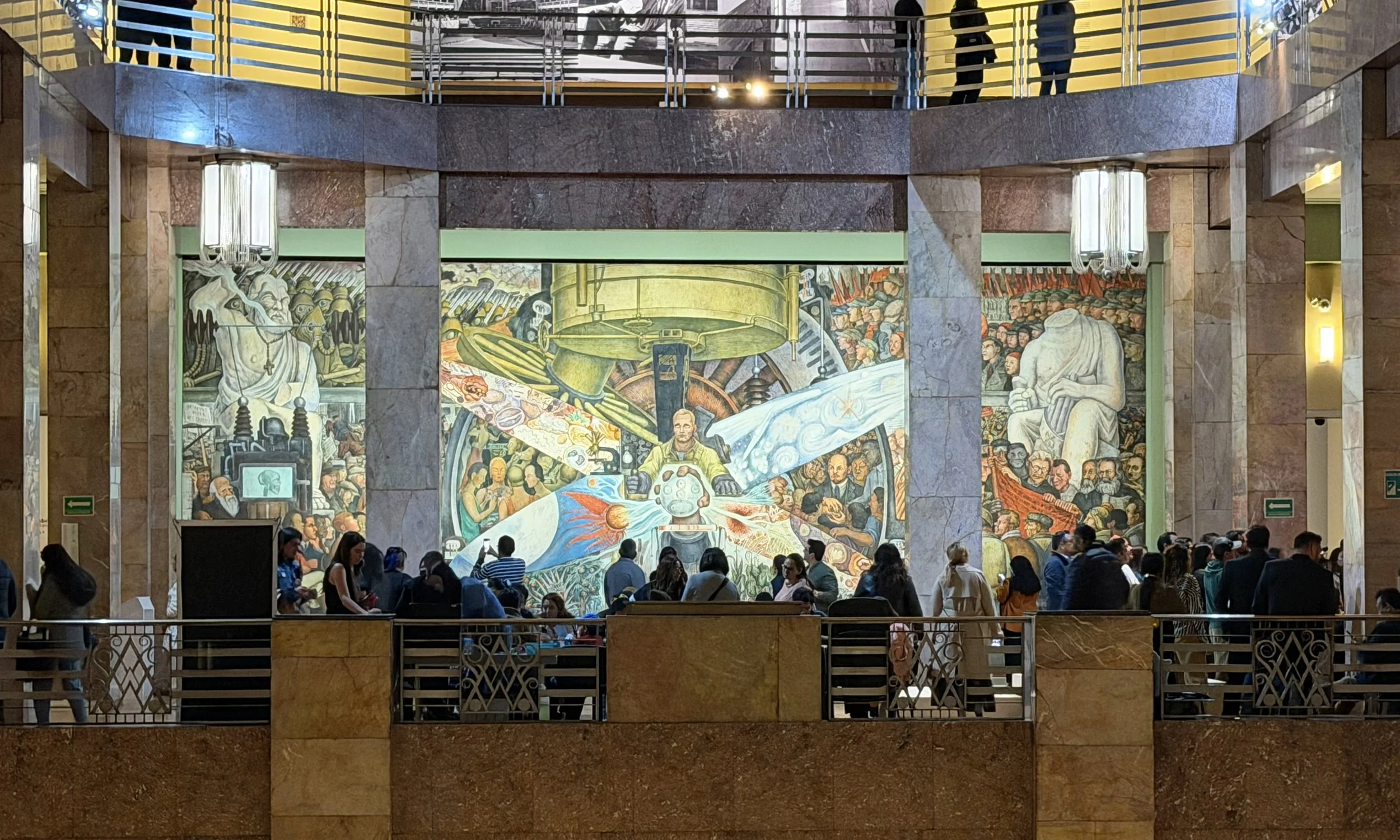
Man, Controller of the Universe is a replica of a fresco that Rivera painted in 1933 for Rockefeller Plaza in New York City. The Rockefeller family had commissioned Rivera to create the mural and approved his sketches. But Rivera surreptitiously added a portrait of Vladimir Lenin, and when Nelson Rockefeller asked Rivera to remove it, the artist refused. Rockefeller had the mural destroyed. It was a feud between economic power and artistic integrity.
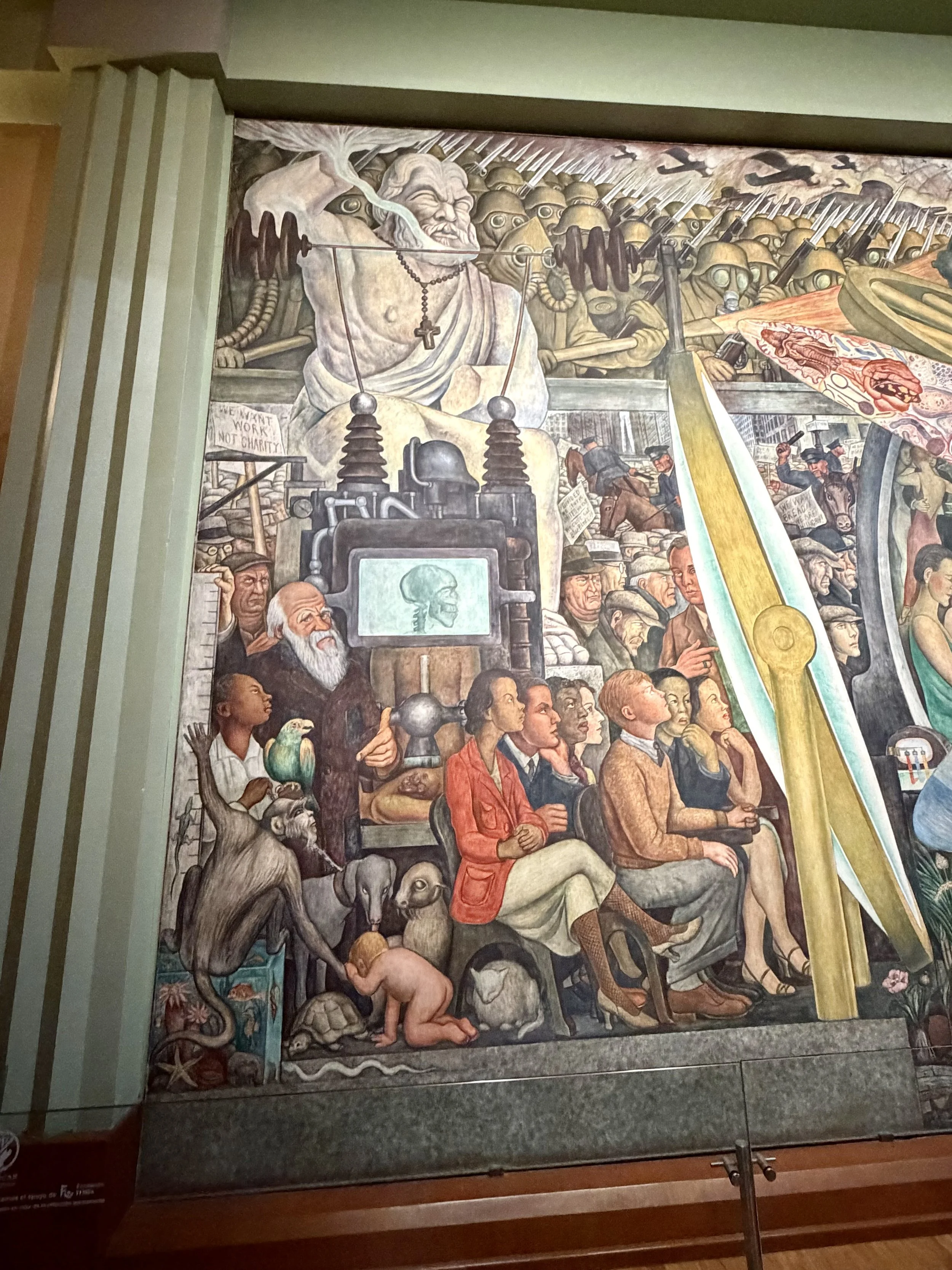
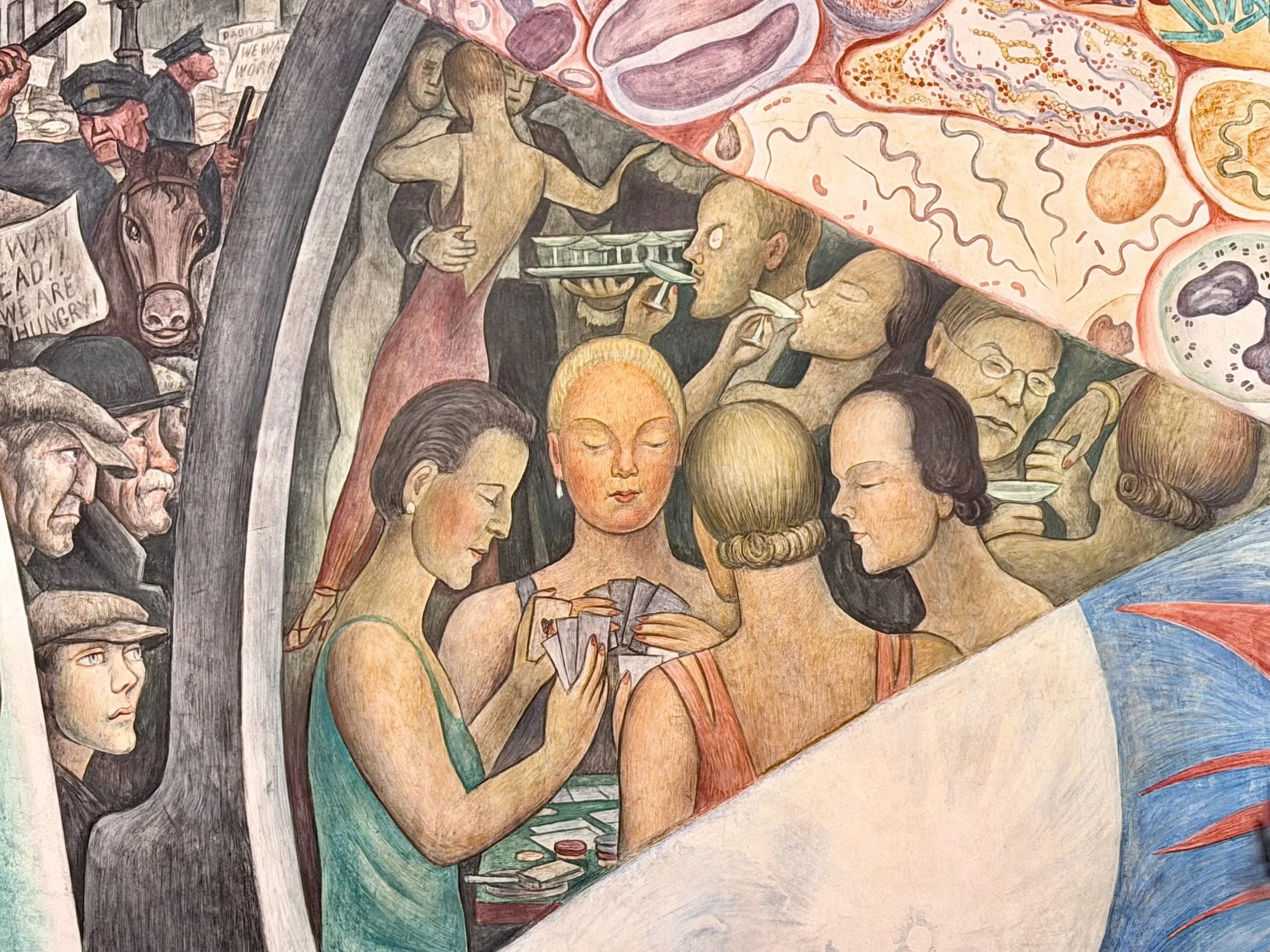

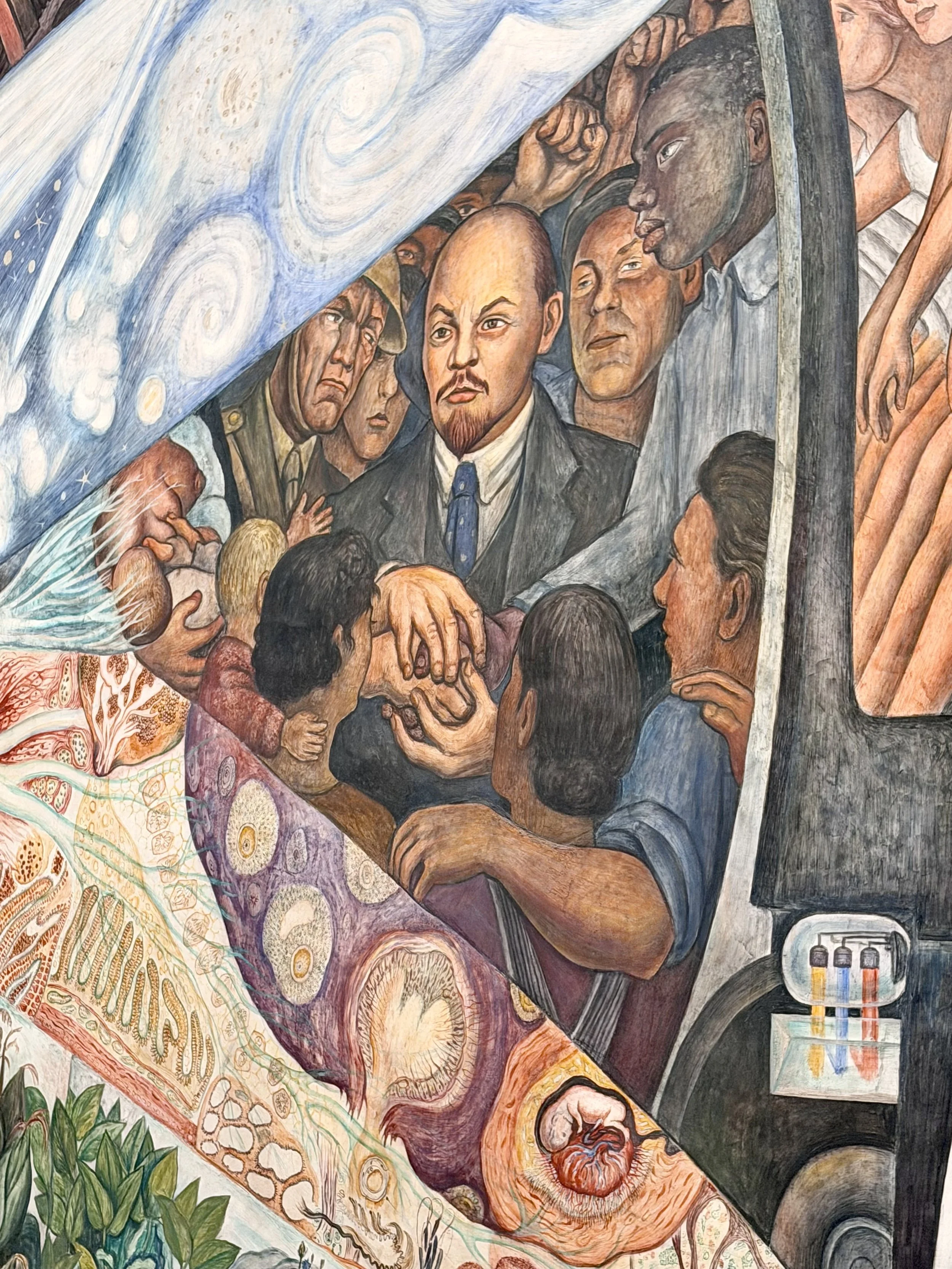
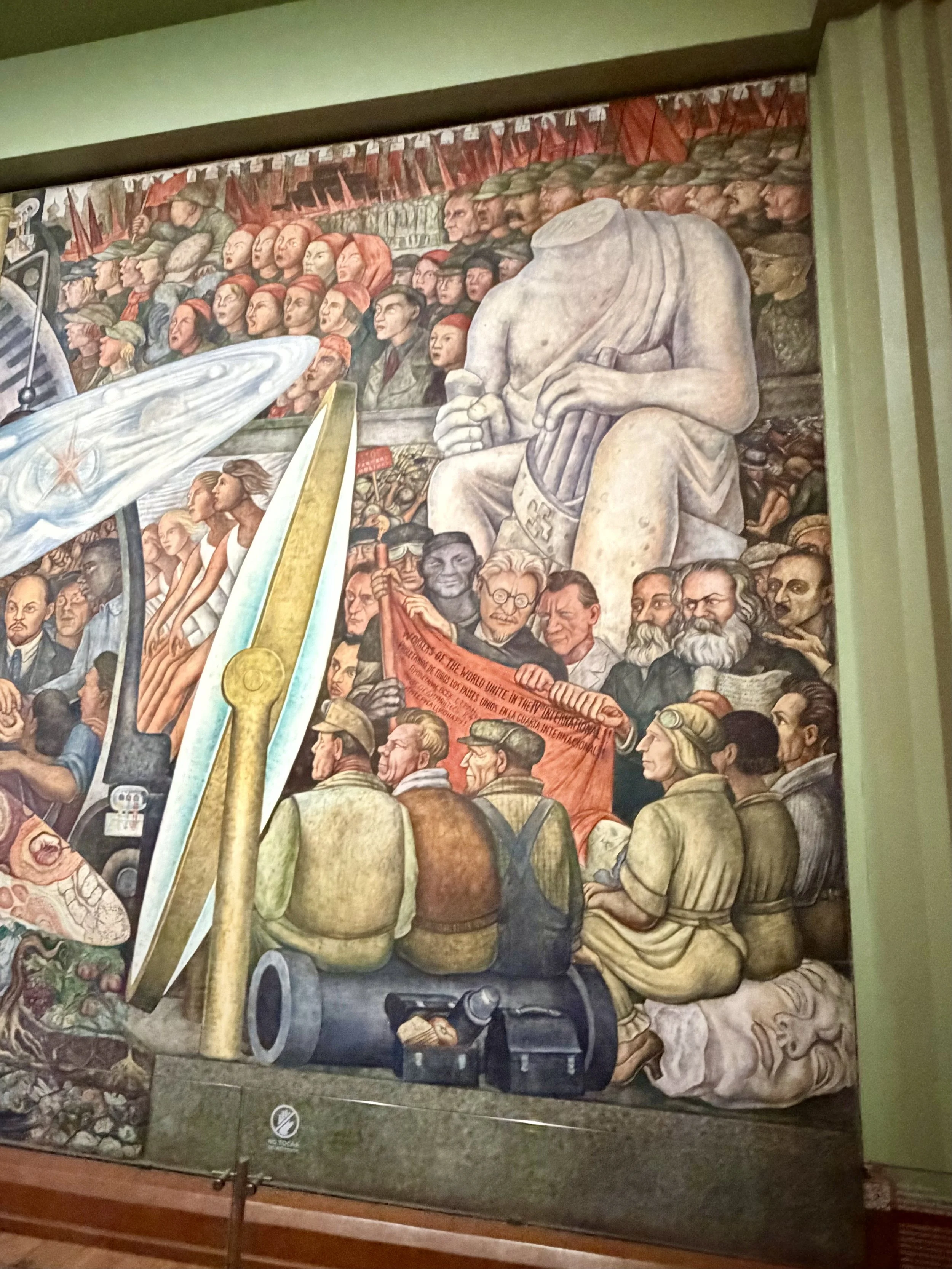
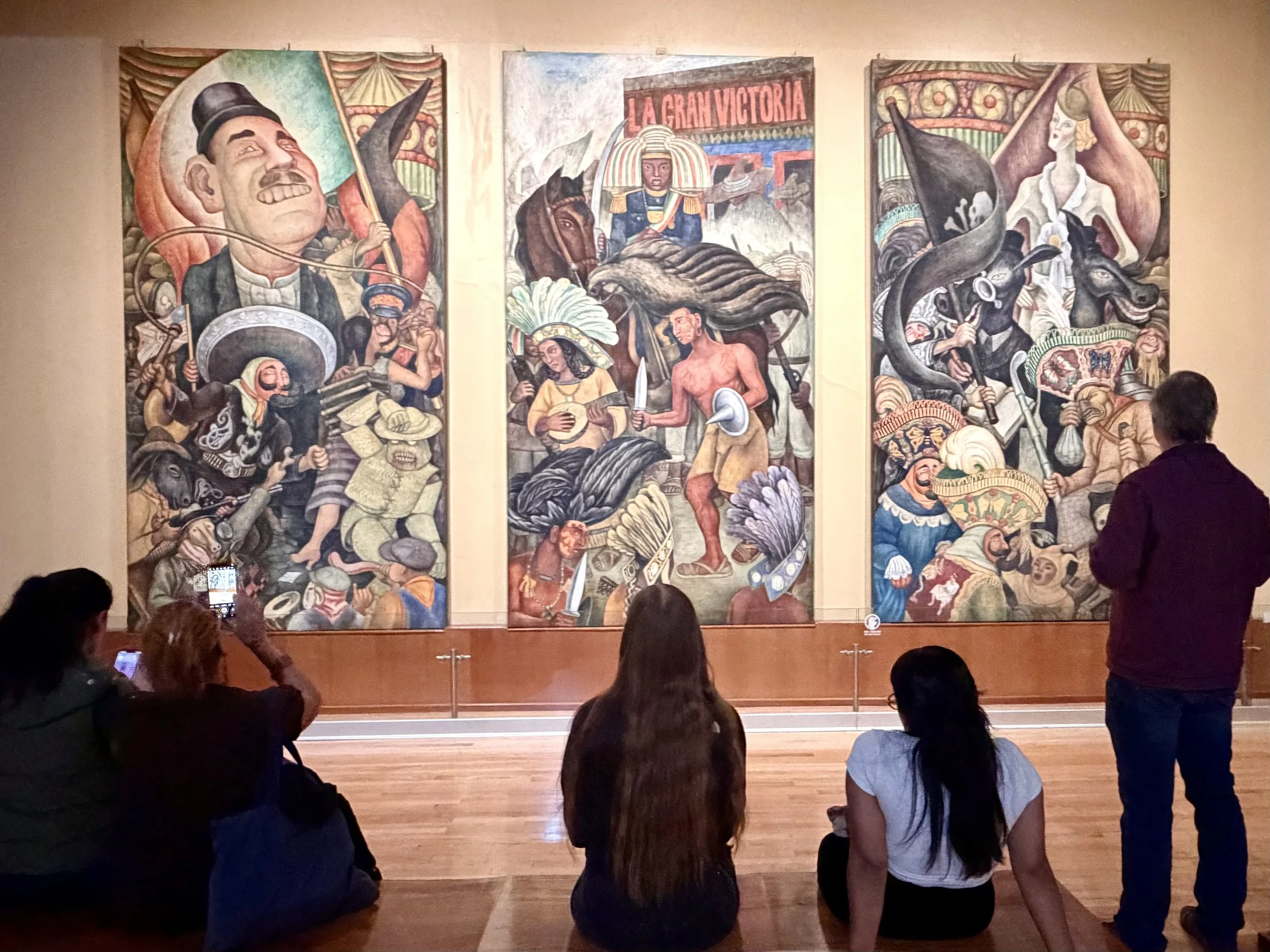
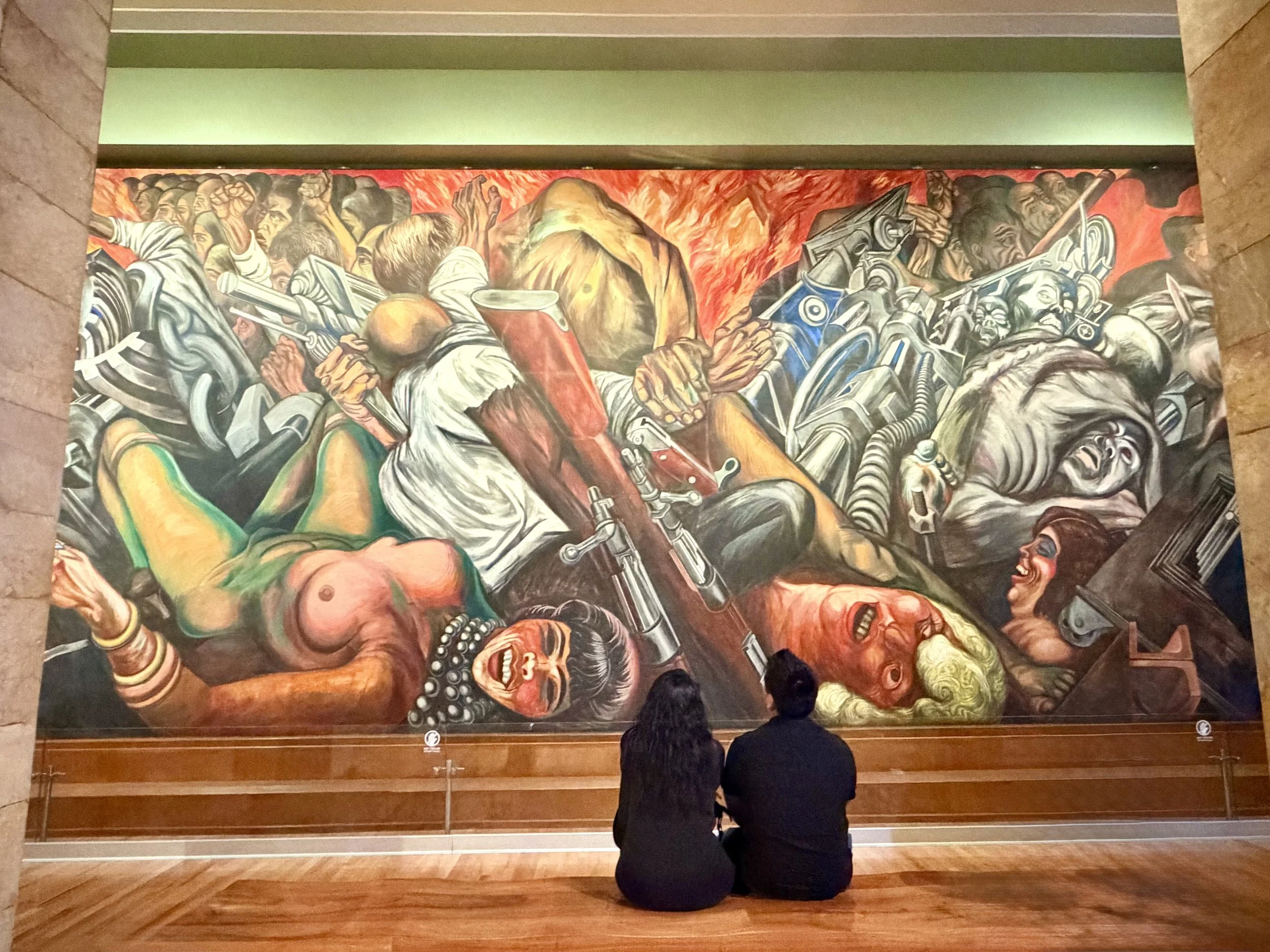
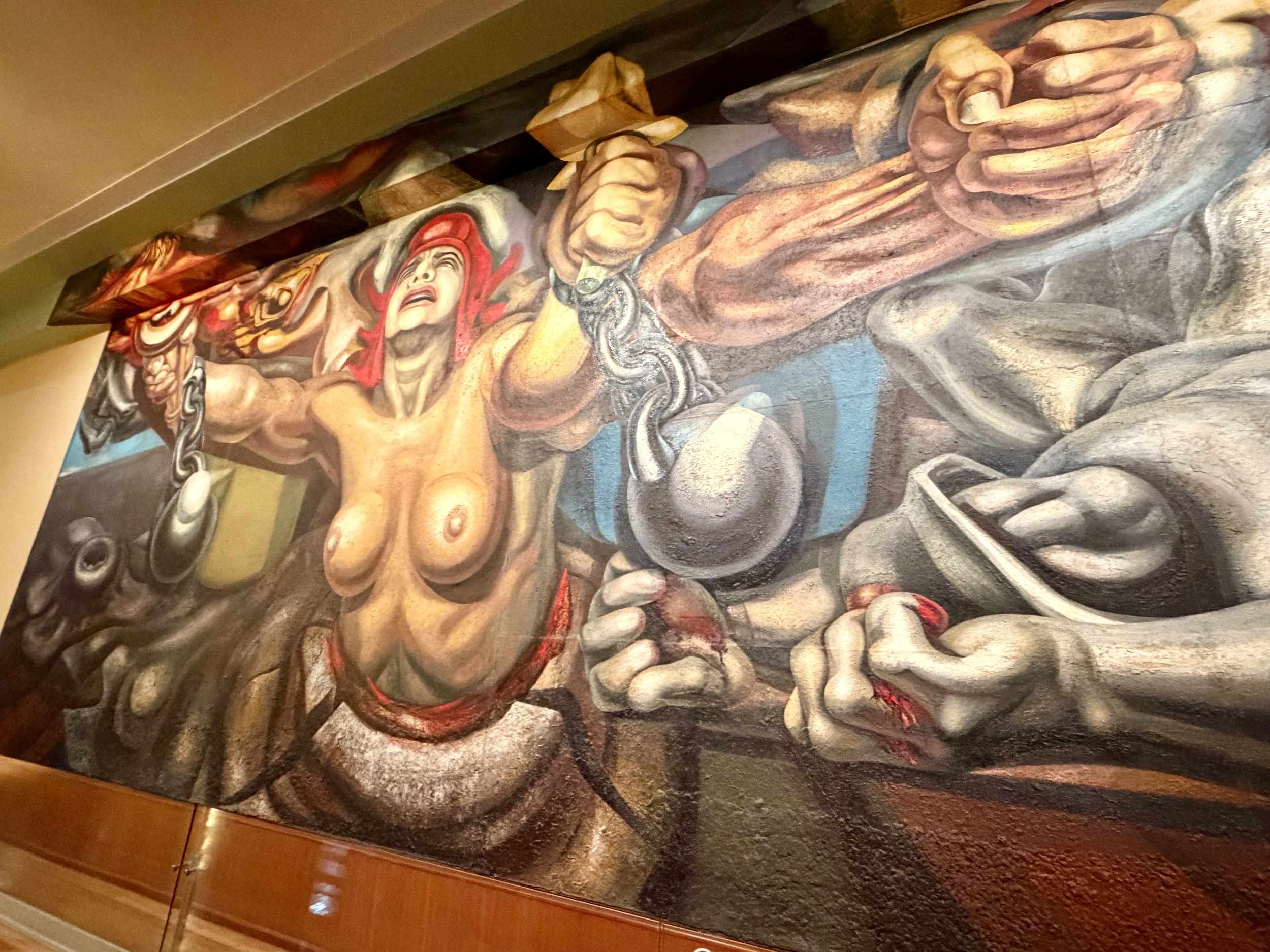
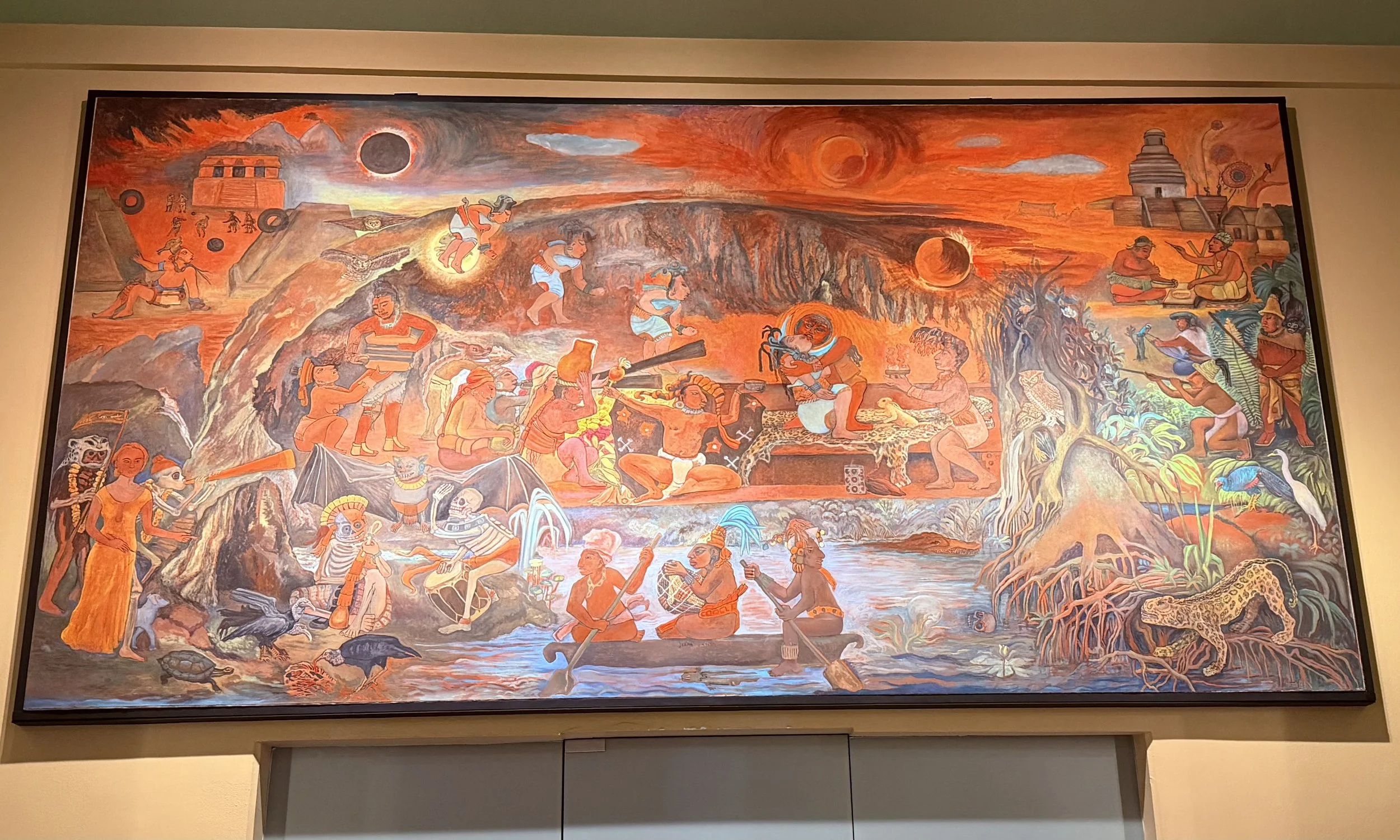
There were many impressive works, including another mural by Rivera, and powerful pieces by José Clemente Orozco and David Alfaro Siqueiros. In the decades after the Mexican Revolution, during the 1920s-1950s, the government commissioned murals from Los Tres Grandes (The Big Three) and other artists in order to educate the public about the country’s history, and to foster national pride and unity. My favorite mural was a more recent one by female muralist Rina Lazo, who started as an assistant to Rivera and was also influenced by Frida Kahlo.
The Theater
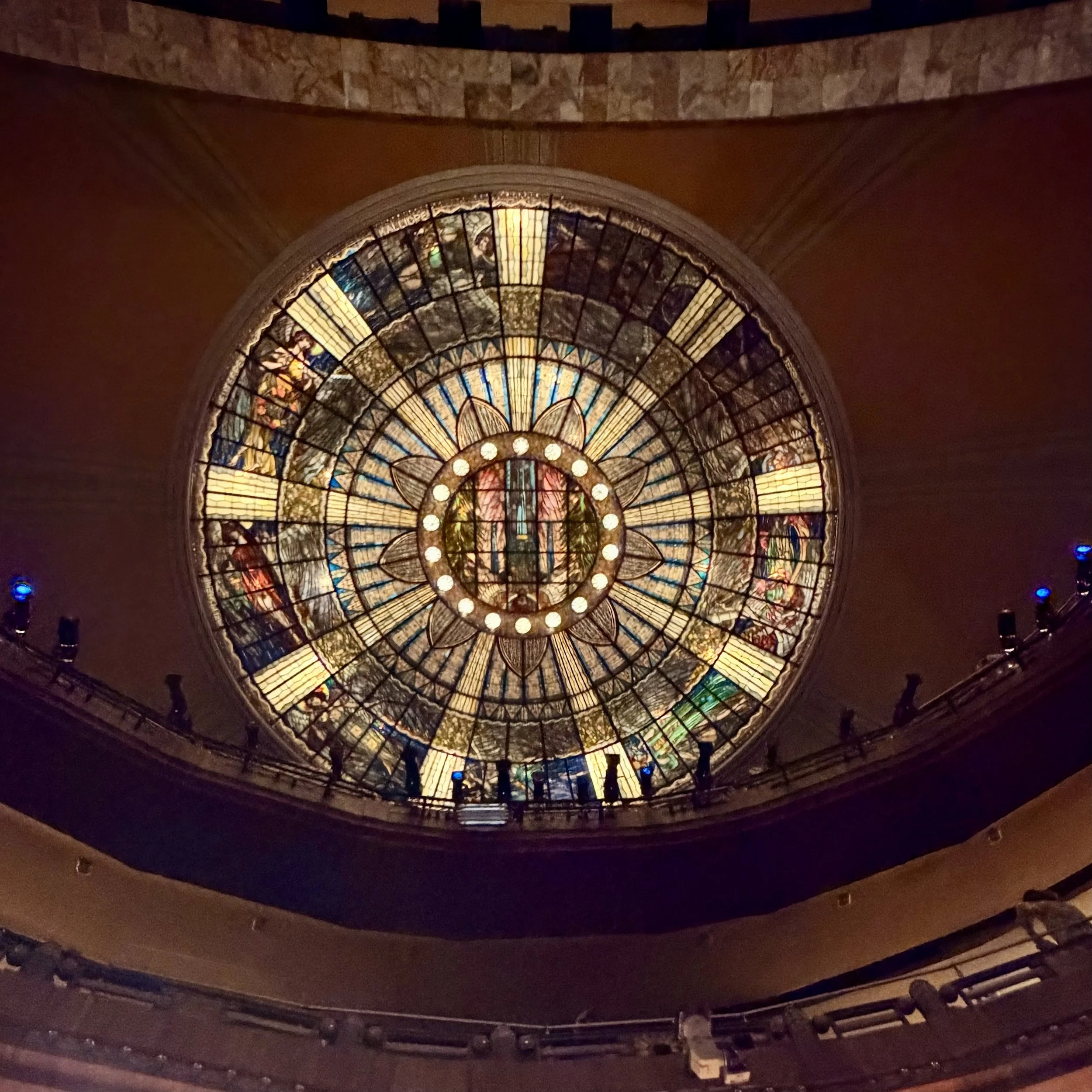
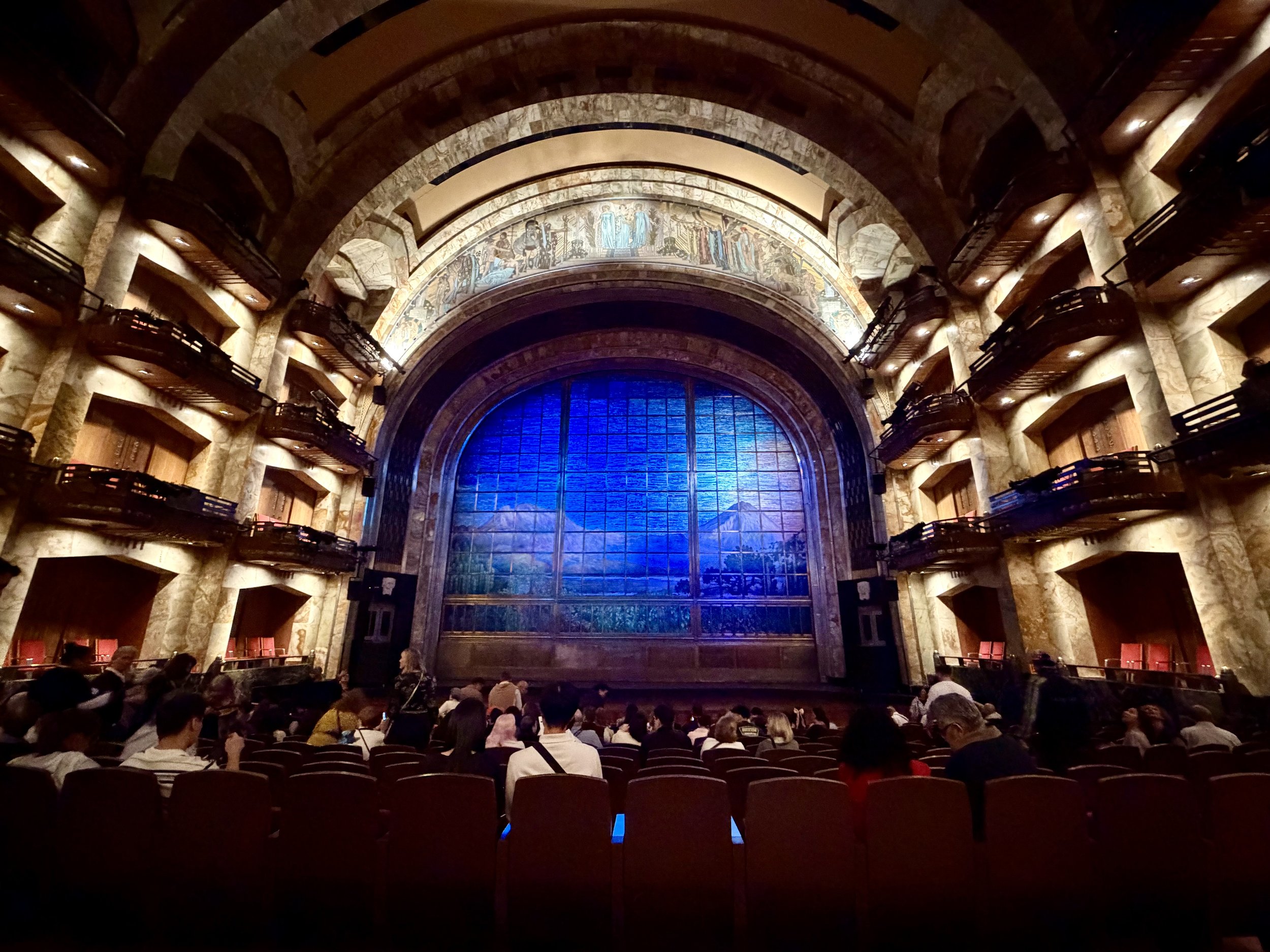
It was almost curtain time for the ballet, so we found our seats in the theater. Overhead was an elaborate stained glass dome. On the stage, instead of a curtain, there was an iridescent stained glass panel made with over one million pieces of Tiffany glass. It’s the only opera house stage panel of its kind in the world, and weighs 24 tons! When the house lights dimmed and the musical overture began, the spotlights changed colors, and on the stage panel, the sky behind the volcanoes turned orange and then purple. Gorgeous! At show time, the panel rose up and disappeared, like a curtain. Amazing!
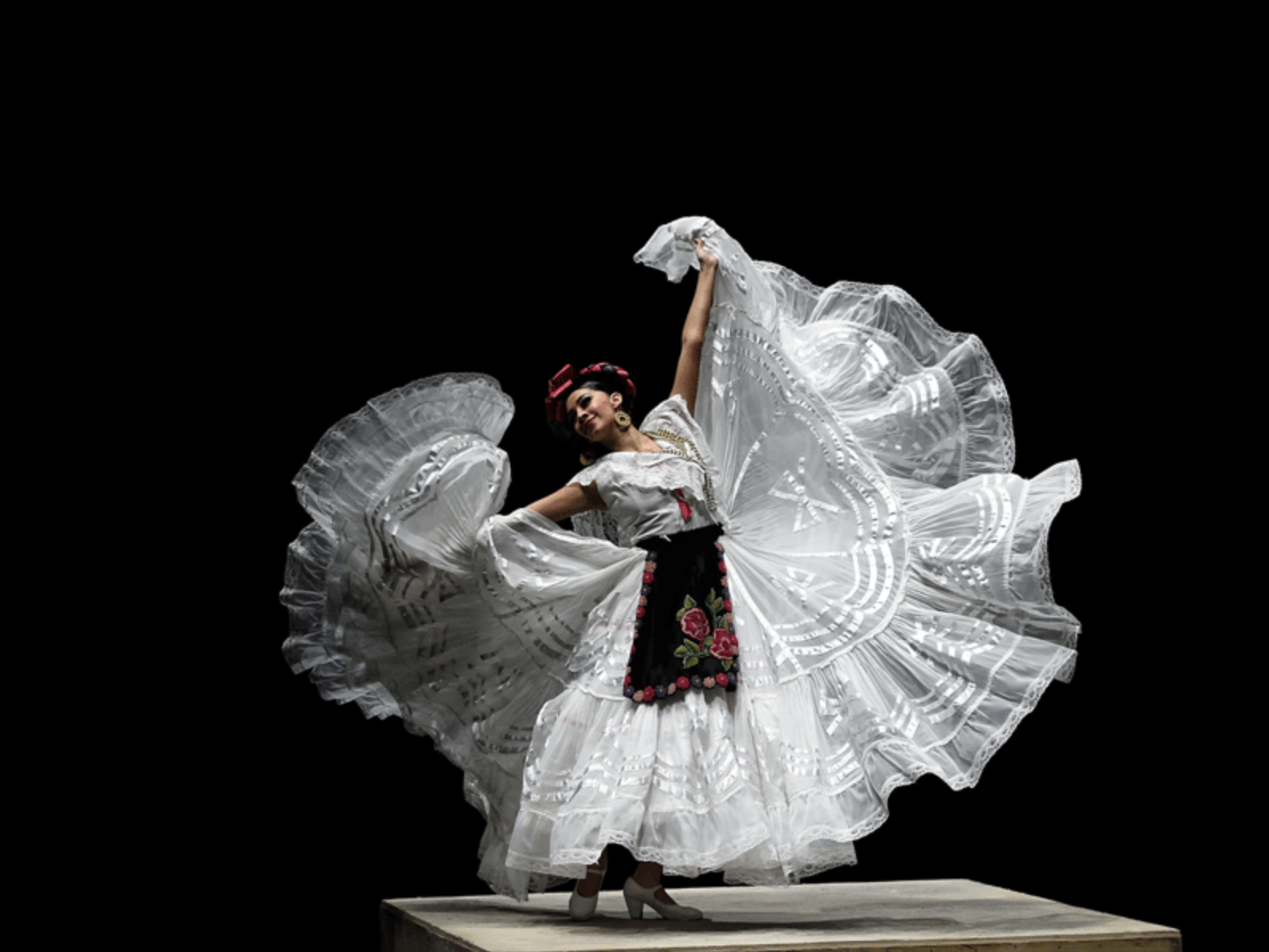
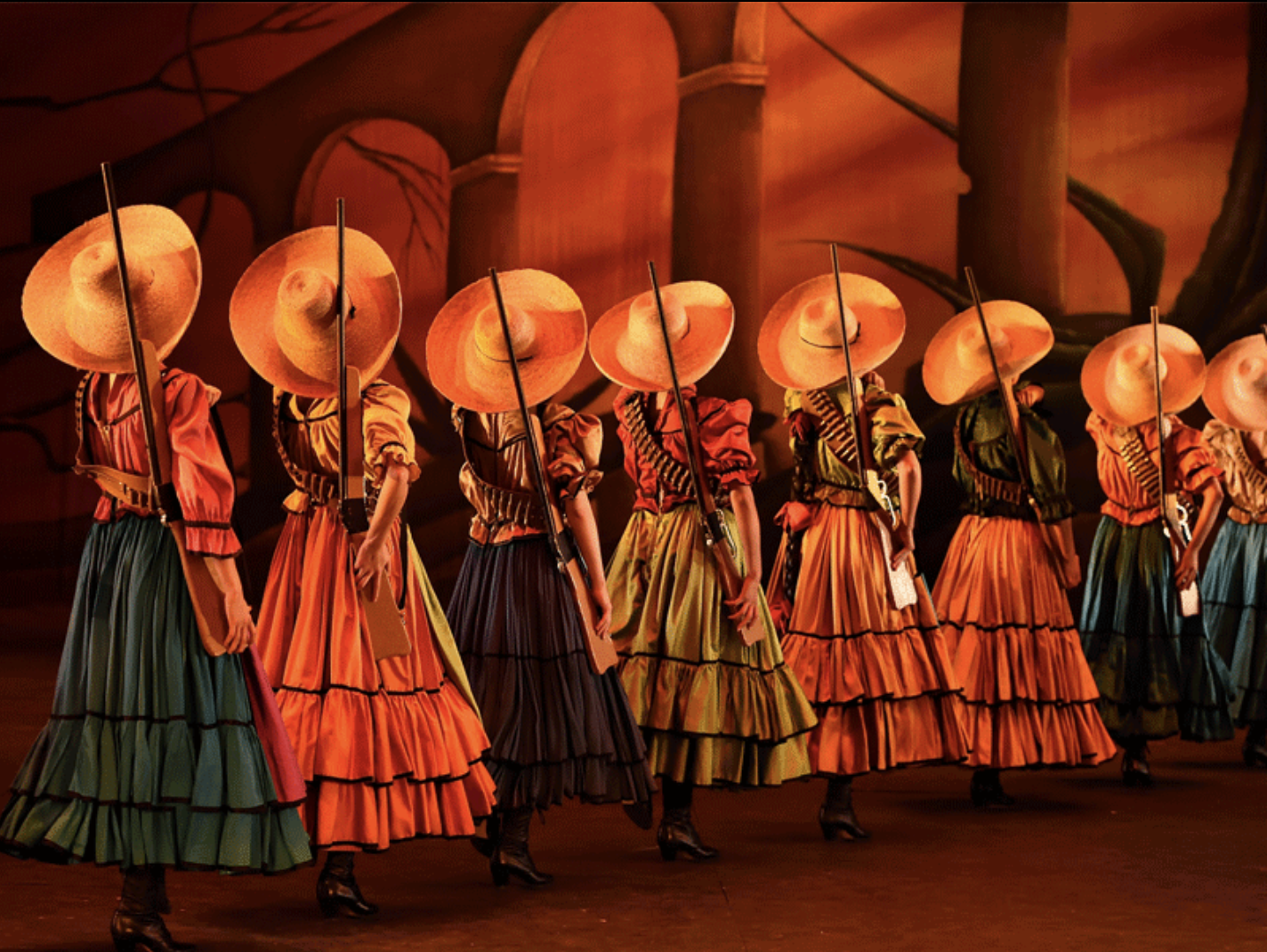
Ballet Folklórico de México had a huge cast of dancers, musicians, and singers in vivid costumes. They performed indigenous dances from the pre-Hispanic era, elegant dances from colonial times, and modern traditions from Mexico’s diverse regions. I loved it all - the fancy footwork, the swirling skirts, the dashing hats. We couldn’t take photos during the performance, of course, so here are a few photos of my favorite dances, borrowed from the Ballet Folklórico website. (Click on a photo to see more info about that dance.)
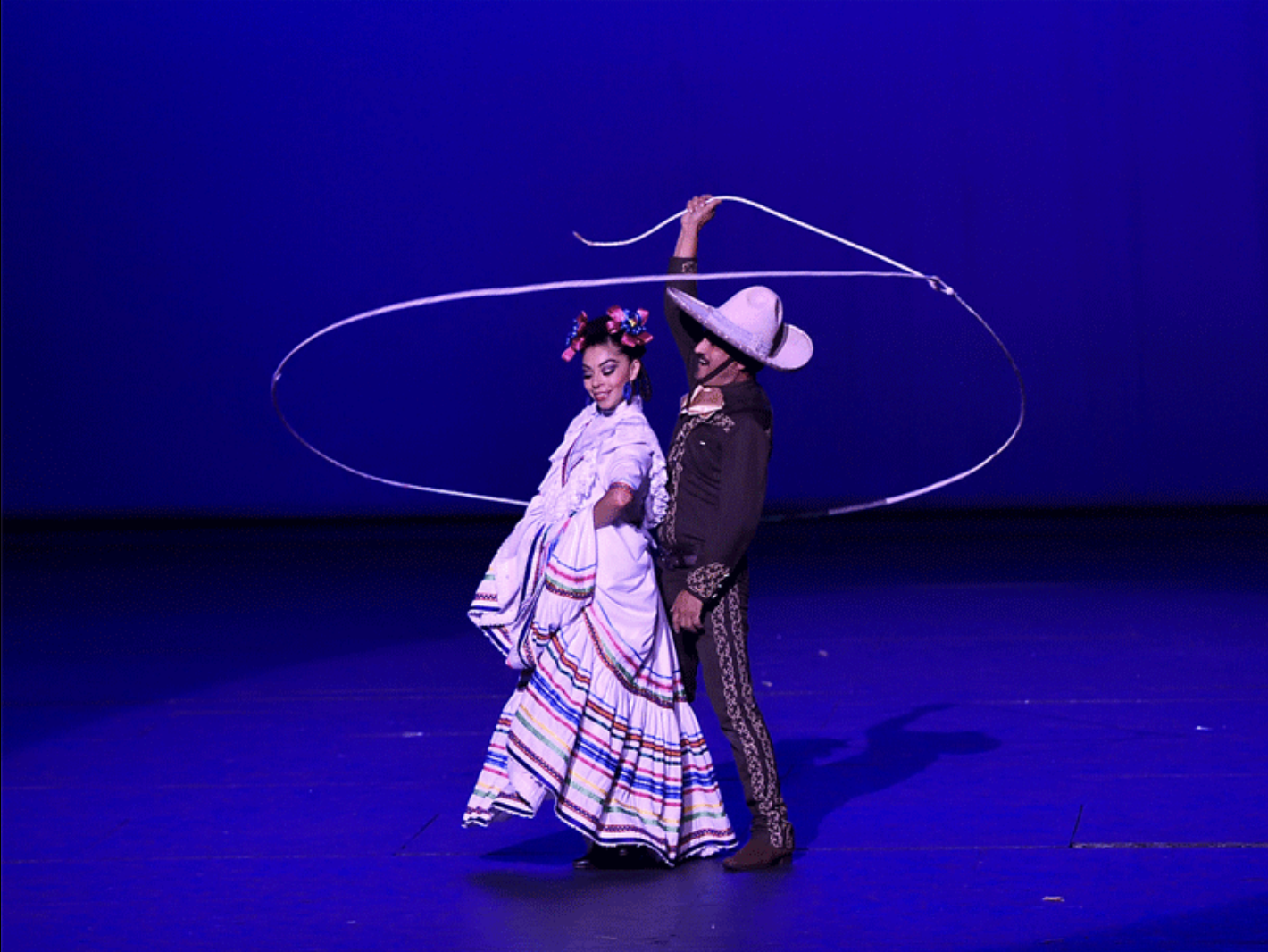
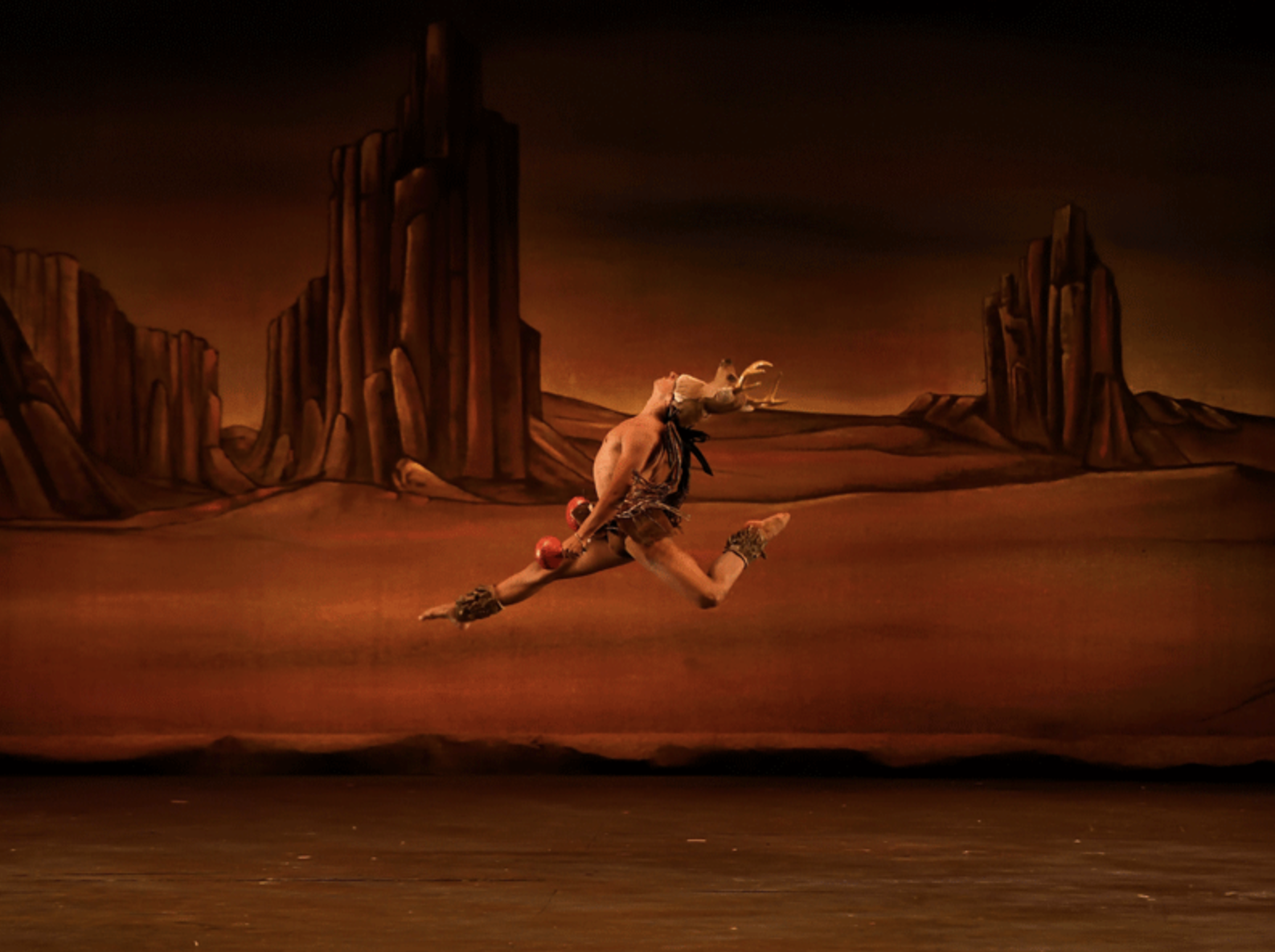
The mariachi band was phenomenal, and the showdown between the two harp players brought down the house. Performers danced and sang in the aisles, to the audience’s delight. Here are my videos from the close of the show. The whole evening was SPECTACULAR!
We walked home along the brightly lit pedestrian street, still hearing the music and feeling the glow from such a memorable visit to the Palacio de Bellas Artes. I may have missed this remarkable place on my first visit, but I will tell all my friends that it is a MUST-DO for anyone coming to Mexico City.